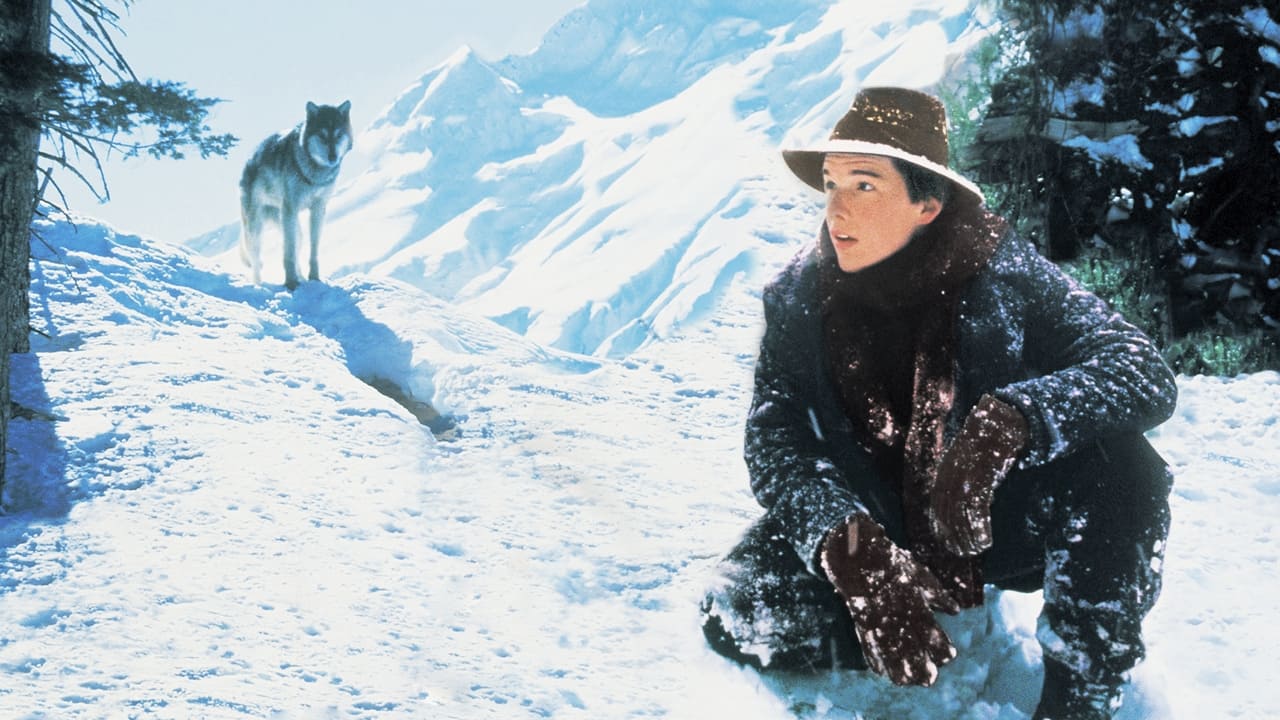
Okay, pull up a comfy chair, maybe grab a drink reminiscent of something you'd sip while browsing the aisles of Blockbuster back in the day. Let's talk about a film that brought the rugged beauty and raw adventure of the Klondike Gold Rush right into our living rooms: Disney's 1991 adaptation of White Fang. For many of us, the opening scenes – those sweeping vistas of snow-drenched Alaskan wilderness, underscored by Basil Poledouris's magnificent score – were an instant portal to another world. It wasn't just a movie; it felt like an expedition.
### Into the Wild North
Forget the gritty, often brutal perspective of Jack London's original 1906 novel for a moment. This White Fang, directed by Randal Kleiser (yes, the same Randal Kleiser who gave us the decidedly less snowy landscapes of Grease and the sci-fi fun of Flight of the Navigator!), reshapes the narrative into a compelling coming-of-age story, focusing as much on young Jack Conroy as on the titular wolf-dog. Played with earnest conviction by a fresh-faced Ethan Hawke, Jack arrives in the Yukon to claim his late father's gold mine, unprepared for the harsh realities of the North. He's a city boy dropped into a world where survival is a daily struggle, a stark contrast beautifully captured by the film's visuals.
Right away, Jack crosses paths with seasoned prospectors Alex Larson (Klaus Maria Brandauer, bringing his characteristic intensity and warmth) and Skunker (Seymour Cassel, initially gruff but ultimately guiding). Brandauer, an Austrian actor already renowned for roles in films like Out of Africa (1985), lends a necessary gravitas, becoming Jack's reluctant mentor in this unforgiving land. The early scenes establishing their dynamic, set against breathtaking (and genuinely filmed) locations in Haines, Alaska, and also parts of Utah, immediately immerse you in the period and the environment. You can almost feel the chill in the air through the screen.
### The Soul of the Film: Jed the Wolf-Dog
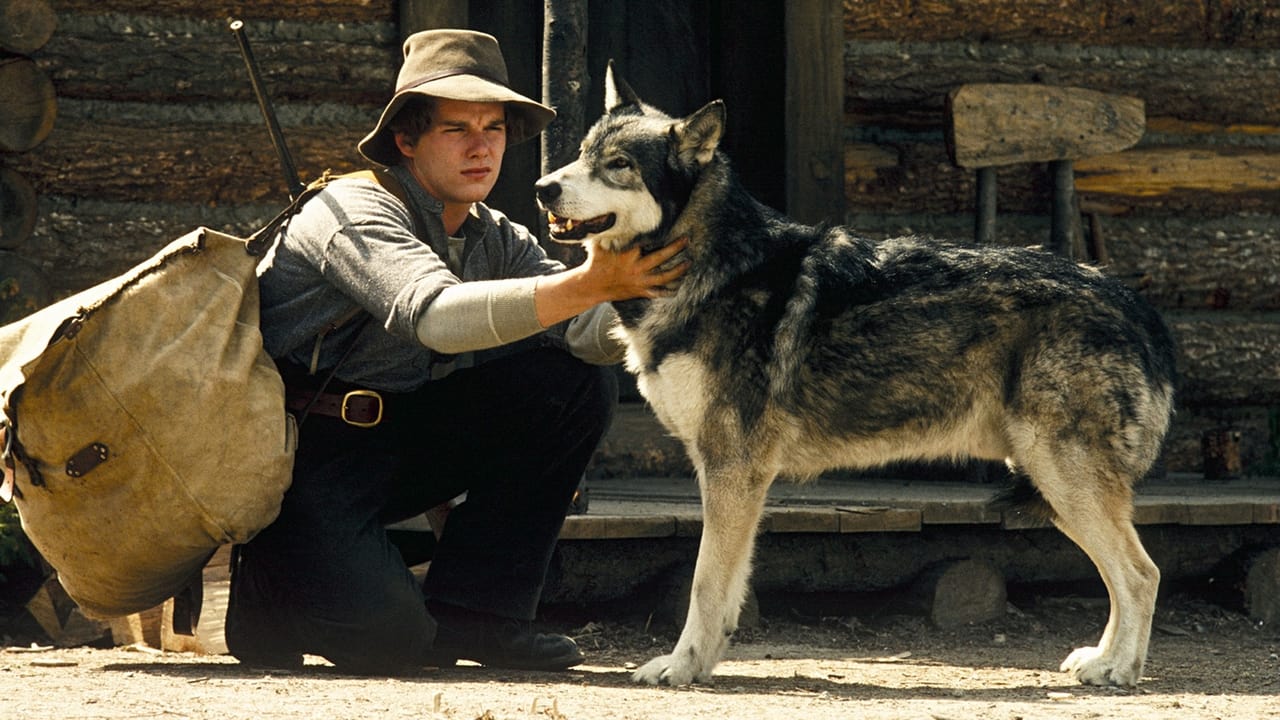
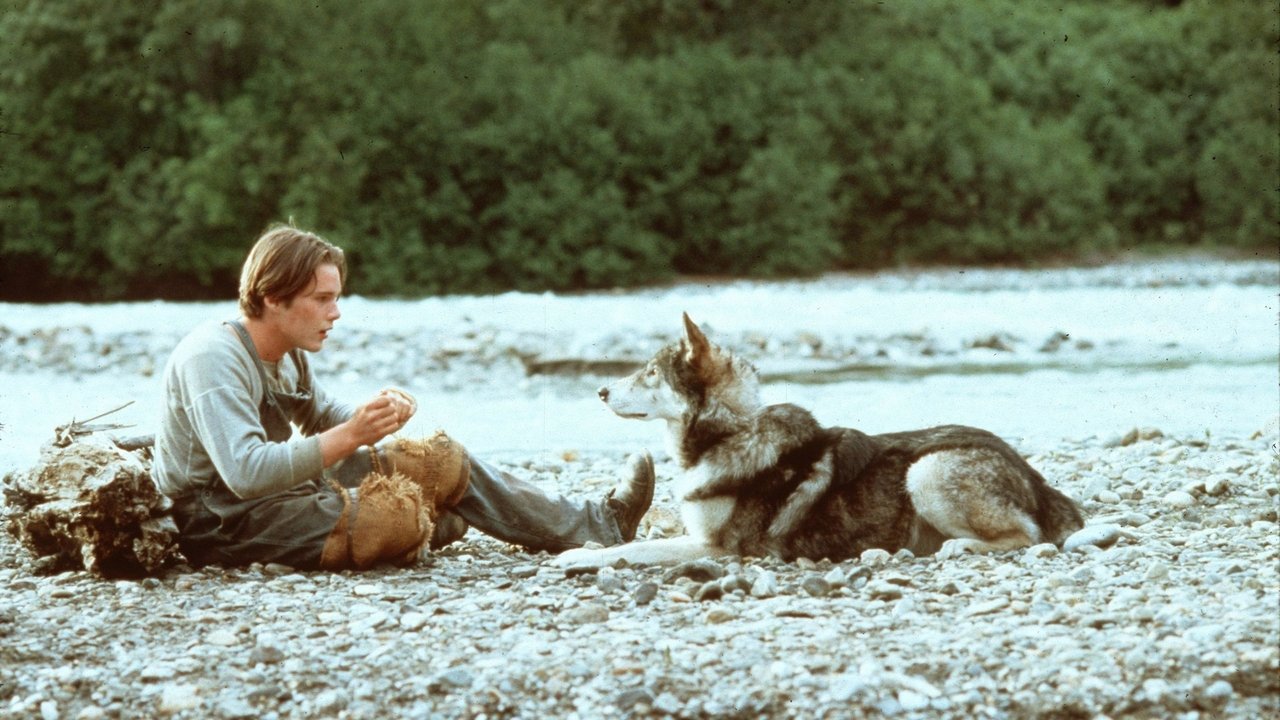
But let's be honest, the real star here, the presence that truly captivated us, was White Fang himself. Portrayed primarily by the remarkably expressive wolf-dog performer Jed, White Fang isn't just an animal; he's a character with a journey mirroring Jack's. We see his wild origins, his harsh treatment at the hands of the cruel Beauty Smith (a suitably menacing performance often associated with Cassel, though the character differs slightly from the book's version – Smith in the film is played by James Remar, while Cassel is Skunker), and his eventual, tentative steps towards trusting Jack.
Jed deserves special mention. This wasn't his first rodeo; eagle-eyed animal lovers might recognize him as the wolf from The Journey of Natty Gann (1985) or, fascinatingly, the dog assimilated by the alien in John Carpenter's The Thing (1982)! His performance in White Fang is simply incredible, conveying fear, aggression, loyalty, and burgeoning affection with subtle shifts in posture and piercing gazes. The bond that forms between Jack and White Fang feels earned, thanks in large part to Jed's convincing portrayal and Hawke's empathetic connection with him on screen. Watching them slowly build trust remains the emotional core that makes the film resonate. Remember that scene where Jack patiently tries to coax the traumatized White Fang out from under the cabin? Pure movie magic, achieved through patience and skillful animal handling, long before CGI could fake such interactions.
### A Disney Adventure with Bite
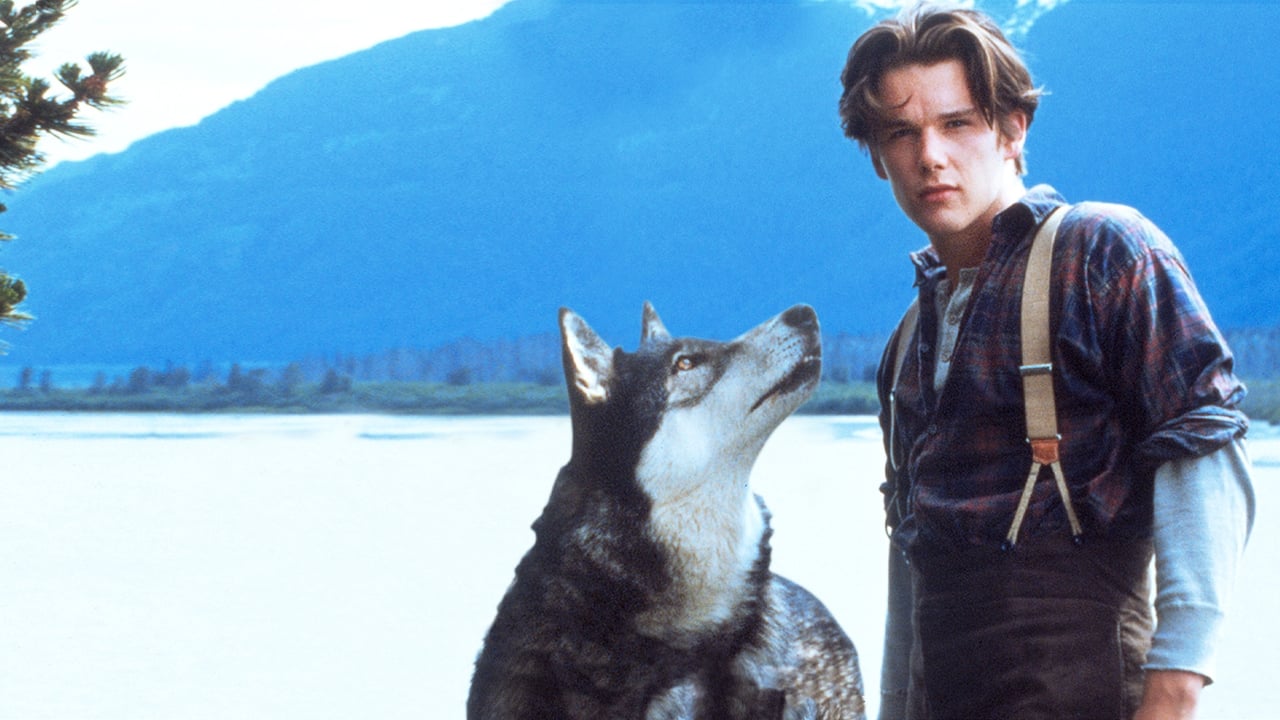
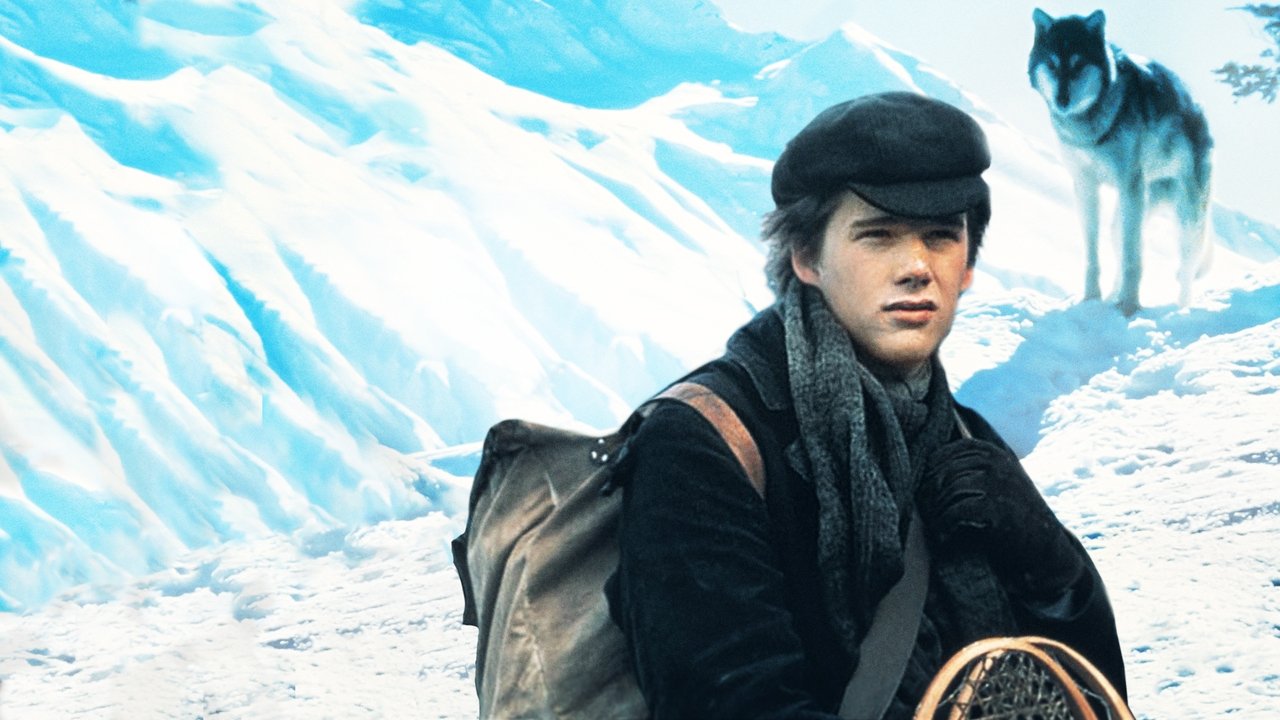
While Disney certainly softened the edges of London's source material – shifting the primary viewpoint and omitting some of the novel's darker sociological commentary – the film doesn't shy away entirely from the harshness of the setting. There are moments of genuine peril, loss, and the casual cruelty that humans can inflict. The dogfighting scenes, though handled without gratuitous violence, are still difficult to watch and effectively convey the brutality White Fang endures before his rescue. This willingness to retain some grit elevates White Fang beyond typical family fare of the era.
Basil Poledouris, known for his powerful scores for films like Conan the Barbarian (1982) and RoboCop (1987), delivers work here that is both epic and intimate. His music swells with the grandeur of the Alaskan landscapes but also finds quieter moments to underscore the developing relationship between boy and wolf-dog. It’s a score that perfectly complements the visuals and emotional beats. The production, filmed on a respectable $14 million budget, certainly put its resources on screen, capturing stunning natural beauty and creating believable period settings. It went on to gross nearly $35 million domestically, proving audiences were hungry for this kind of sweeping, heartfelt adventure.
### Why It Still Warms the VCR
White Fang arrived at a time when Disney was producing a strong slate of live-action adventures, and it stands as one of the more memorable entries. It captured that sense of grand, outdoor adventure that felt increasingly rare. For kids watching back then, it sparked imaginations about exploring wild frontiers and forming unbreakable bonds with animal companions. Who didn't suddenly yearn for a loyal wolf-dog sidekick after seeing this?
It masterfully blends Ethan Hawke's relatable journey of self-discovery with the equally compelling story of White Fang finding his place between the wild and the human world. It’s a film with heart, stunning scenery, and a truly unforgettable animal performance. While perhaps not a strictly faithful adaptation of the literary classic, it succeeds beautifully on its own terms as cinematic adventure storytelling. It even spawned a sequel, White Fang 2: Myth of the White Wolf in 1994, further cementing its place in the Disney adventure canon.
***
VHS Heaven Rating: 8/10
This rating reflects the film's powerful emotional core, Ethan Hawke's strong early performance, the breathtaking cinematography, Basil Poledouris's evocative score, and Jed's unforgettable portrayal of White Fang. It successfully translates the spirit of adventure while crafting a moving story about trust and companionship. It loses a couple of points perhaps for deviating significantly from the source material's tone and depth, but as a piece of 90s adventure cinema, it absolutely delivers.
Final Thought: White Fang is like finding a cherished postcard from the Klondike – a beautiful, sometimes harsh, but ultimately heartwarming glimpse into a world of adventure that still feels exhilarating today. A definite rewind-worthy classic from the Disney shelf.