Close your eyes for a moment and think back. Picture a sun-drenched summer afternoon, the hum of a nearby forest, and the feeling that just beyond the edge of sight, something truly magical might be waiting. That’s the essence captured within the celluloid – or perhaps, more fittingly for us here at VHS Heaven, the magnetic tape – of Hayao Miyazaki’s 1988 masterpiece, My Neighbor Totoro (Tonari no Totoro). This isn't your typical bombastic 80s fare; it's a gentle, soul-soothing balm, a film that feels less like a story being told and more like a beautiful memory being shared.
### Whispers on the Summer Breeze
For many of us encountering My Neighbor Totoro on a fuzzy VHS tape, perhaps rented from a corner store shelf brimming with ninjas and talking cars, it felt like discovering a secret world. The film introduces us to sisters Satsuki (Noriko Hidaka) and Mei (Chika Sakamoto), who move with their professor father, Tatsuo (Shigesato Itoi), to an old house in the countryside to be closer to their mother, Yasuko, recovering in a nearby hospital. The setup is simple, grounded in a relatable childhood experience – the slight unease and potent curiosity that comes with exploring a new, slightly dilapidated home. But Miyazaki, already renowned for works like Nausicaä of the Valley of the Wind (1984), doesn't dwell on conflict. Instead, he invites us into the quiet wonder of the girls’ discoveries.
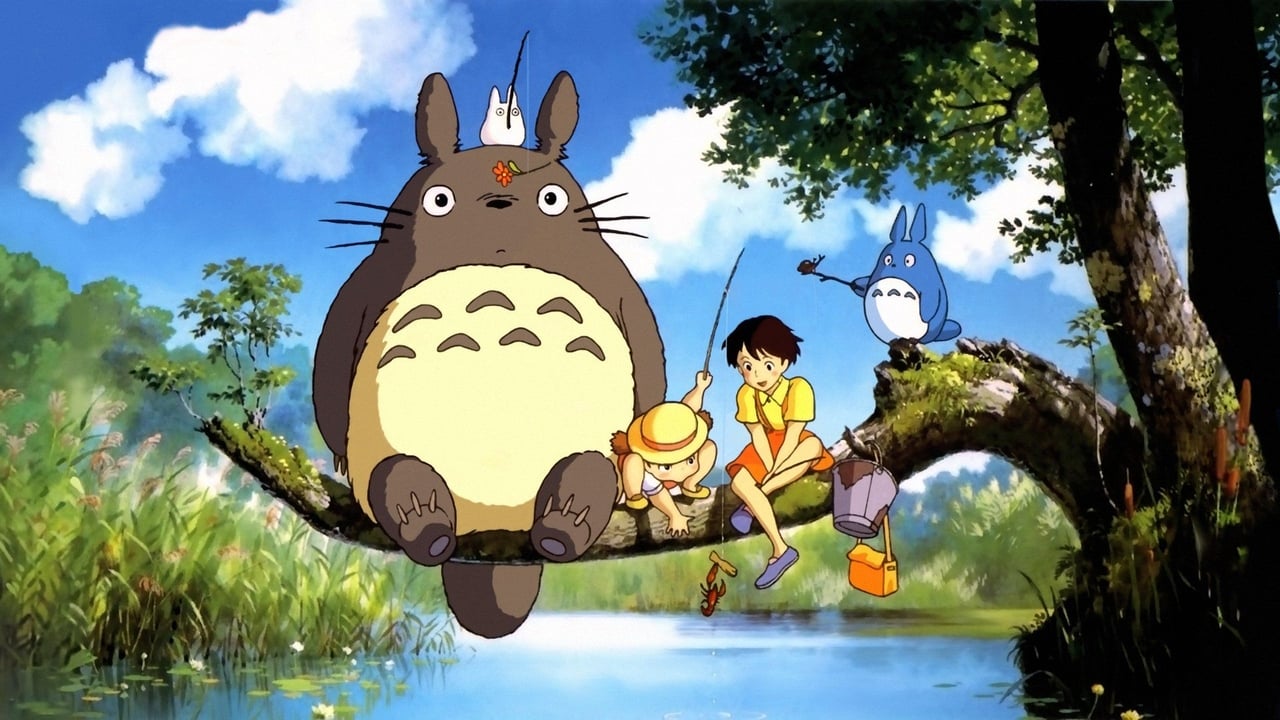
From the tiny, scurrying "soot sprites" (Susuwatari) skittering away from light, to the acorn trails leading into the woods, the film builds its magic subtly. It taps directly into that childhood belief that the world is far more alive and mysterious than adults seem to notice. And then, there’s Totoro.

### Meeting the King of the Forest
The first encounter with the giant, furry, sleepy forest spirit isn't preceded by dramatic fanfare. Little Mei simply tumbles into his lair beneath the colossal camphor tree. Totoro himself is a marvel of character design – part owl, part cat, part indefinable woodland creature – radiating a comforting, ancient presence. He doesn't speak human words, communicating instead through mighty roars (that somehow aren't scary) and gentle rumbles. He’s less a plot device and more a benevolent force of nature, a symbol of the unseen magic inherent in the world around us.
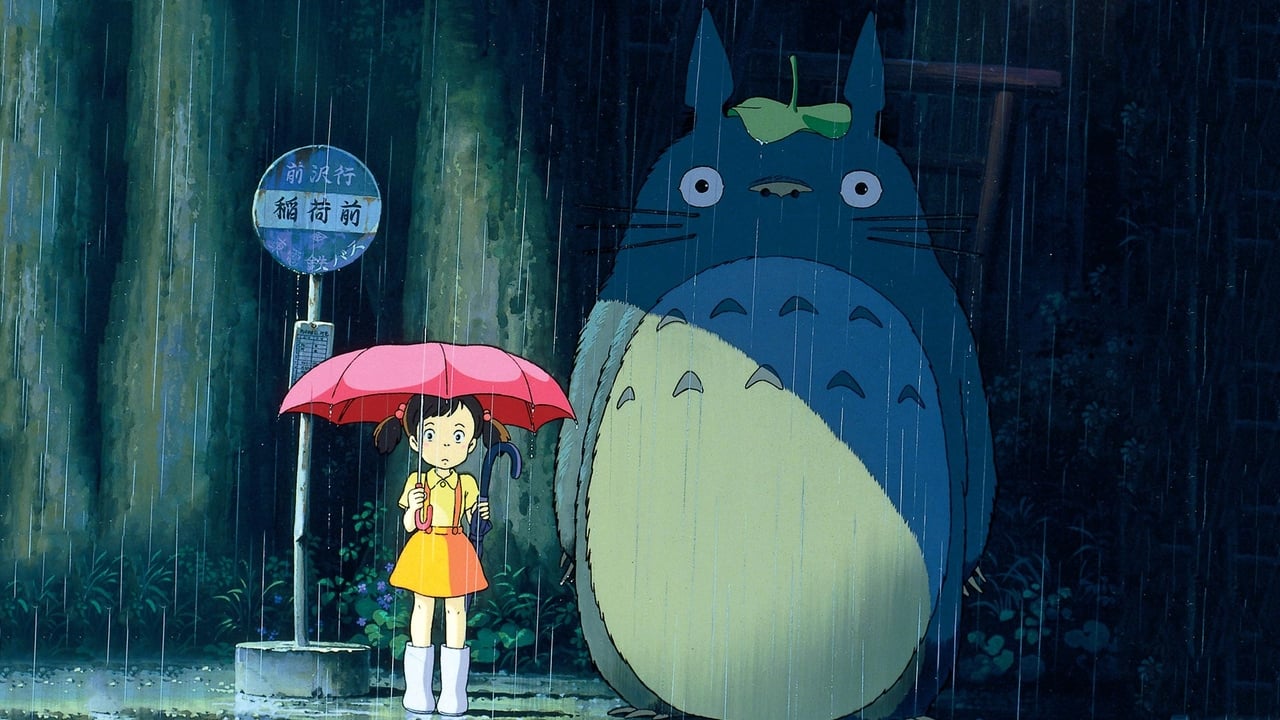
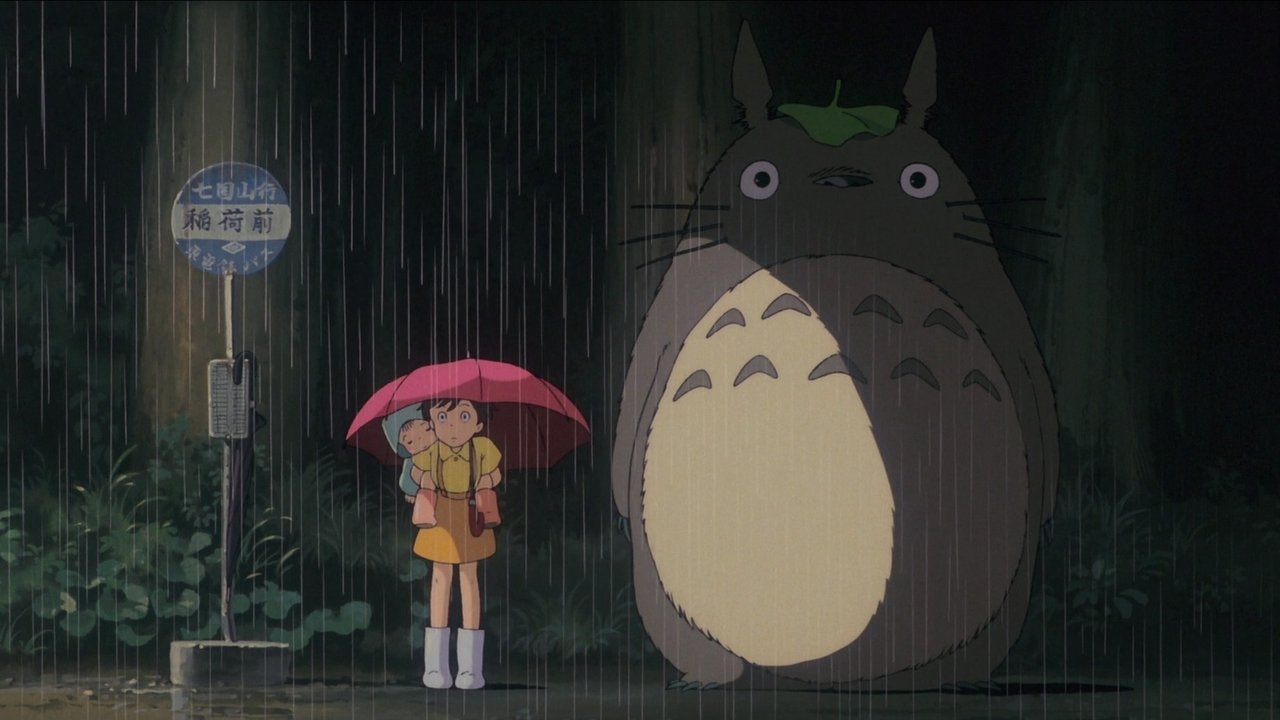
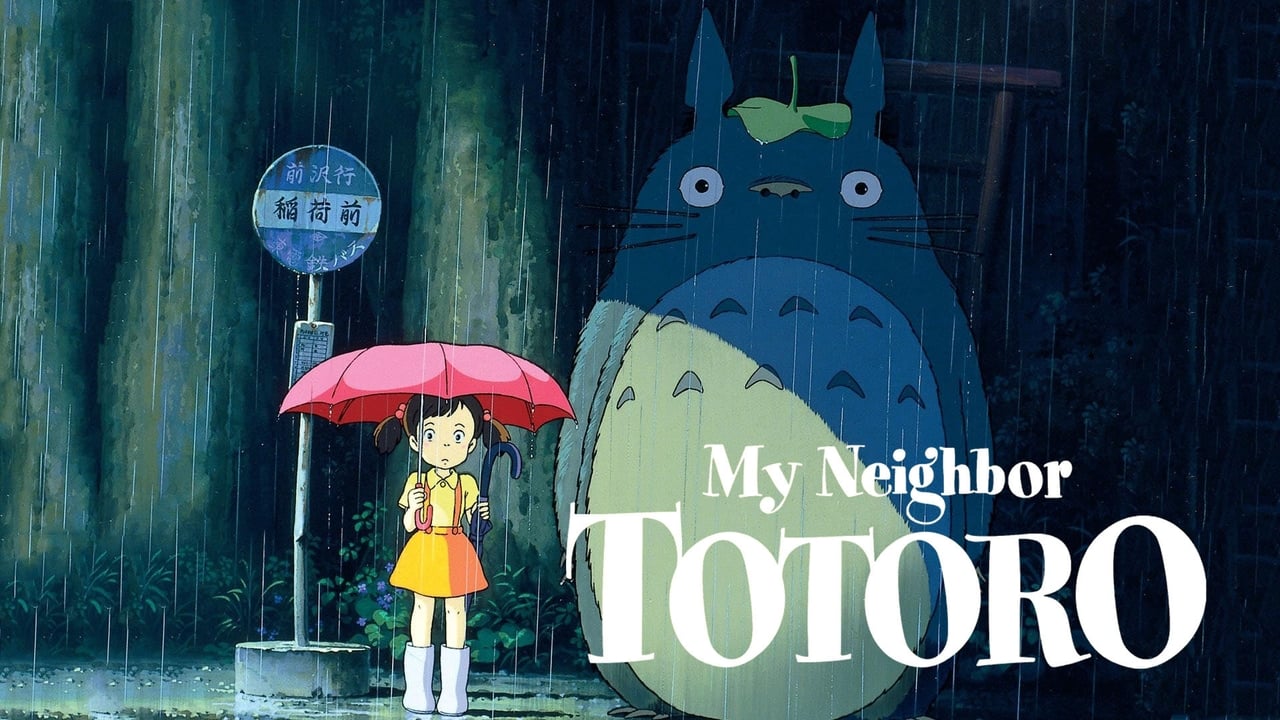
Remember the sheer delight of the scene at the bus stop in the rain? Satsuki offering her father's umbrella to the enormous, patient Totoro, who accepts it with quiet dignity before being whisked away by the utterly fantastic Catbus? It’s moments like these – whimsical, visually stunning, and infused with pure, unadulterated imagination – that cemented My Neighbor Totoro in the hearts of viewers. The Catbus alone, a grinning, multi-legged feline vehicle with headlight eyes, is a creation so delightfully bizarre and wonderful, it’s become an icon in its own right. Who didn't secretly wish for a ride on the Catbus after seeing this?
### Ghibli Magic and Gentle Truths
My Neighbor Totoro was brought to life by Studio Ghibli, the legendary animation house co-founded by Miyazaki and Isao Takahata. Interestingly, it was initially released in Japan as a double feature with Takahata's devastatingly poignant Grave of the Fireflies (1988) – a pairing that offers an almost whiplash-inducing contrast in tone, yet showcases the incredible breadth of Ghibli's storytelling prowess. While Totoro wasn't an immediate box office smash, its popularity grew exponentially through television broadcasts and home video releases (ah, the power of VHS!). The film's enduring appeal, buoyed by merchandise featuring the instantly lovable Totoro, eventually led to the character becoming the official mascot for Studio Ghibli itself – you see him in their logo before every film.
Beneath the enchanting surface, the film handles the girls' underlying anxiety about their mother's illness with remarkable tenderness. There’s no manufactured melodrama, just the quiet worry of children navigating a difficult situation. Miyazaki masterfully balances the magical elements with these grounded emotions, making the fantastical feel earned and the reality feel hopeful. The animation itself is breathtaking, particularly the lush, hand-painted backgrounds depicting the Japanese countryside. It feels vibrant and alive, a character in its own right. The score by Joe Hisaishi, a frequent Miyazaki collaborator, is equally essential, perfectly capturing the film's gentle, wistful, and occasionally triumphant moods.
### Retro Fun Facts
- Miyazaki Magic: Hayao Miyazaki both wrote and directed the film, drawing inspiration from his own childhood experiences moving to the countryside.
- Design Origins: Totoro's design is reportedly a blend of several animals, including owls (for their wisdom and stillness), cats (for their expressions and agility), and tanuki (Japanese raccoon dogs, known in folklore for shape-shifting).
- Initial Release: The risky decision to double-bill Totoro with the intensely somber Grave of the Fireflies initially worried distributors, but ultimately showcased Ghibli's artistic range.
- Finding its Audience: While not a blockbuster on release, Totoro found its massive, devoted following through VHS rentals and TV airings, proving the staying power of gentle storytelling.
- Voice Talent: The father, Tatsuo, was voiced by Shigesato Itoi, a famous Japanese copywriter, essayist, and game designer (known for the Mother/EarthBound series!).
### Still a Neighbor Worth Visiting
Watching My Neighbor Totoro today, decades after its original release, is like stepping into a warm bath for the soul. It lacks the cynicism and frantic pacing often found in modern animation, opting instead for patience, observation, and a profound appreciation for nature and family. It reminds us of the magic hidden in the mundane, the importance of imagination, and the quiet strength found in kindness and community. It’s a film that trusts its audience, young and old, to simply feel alongside its characters. The gentle narrative might seem slight to those expecting high stakes, but its emotional depth and visual poetry offer riches far more lasting. It’s a perfect slice of 80s animated film history, a true Studio Ghibli treasure that feels timeless.
VHS Heaven Rating: 9.5/10
This film is practically perfect in its gentle execution, achieving exactly what it sets out to do: warm the heart and spark the imagination. The animation is gorgeous, the characters are endearing, and the sense of wonder is palpable. It's a near-flawless embodiment of childhood magic and familial love, held back only fractionally by a pace that might feel slow to viewers accustomed to constant action (though that pace is arguably part of its charm).
My Neighbor Totoro isn't just a movie; it’s a feeling, a comforting presence that reassures you that even on rainy days, magic might just be waiting at the next bus stop.