Ah, Doraemon. That blue, gadget-wielding robotic cat from the future holds a special place in the hearts of millions, even if his widespread arrival in the West took a little longer. While many encountered him through manga or the various TV series iterations, his cinematic adventures began way back in 1980 with Doraemon: Nobita's Dinosaur. This wasn't just another episode stretched thin; this was the start of an annual movie tradition in Japan, a full-blown feature that proved Doraemon and his pals were ready for the big screen, whisking us away on an adventure that felt genuinely epic on our flickering CRT screens.
### A Fossil, A Promise, and a Prehistoric Pal
The setup is classic Doraemon, rooted in the relatable shortcomings of its protagonist, Nobita Nobi. Voiced with endearing ineptitude by the legendary Noriko Ohara, Nobita makes a bold (and foolish) promise to his perpetually unimpressed friends, Gian and Suneo: he'll find a complete dinosaur fossil, or else eat spaghetti through his nose. It’s the kind of playground boast that feels perfectly, painfully real. Of course, through sheer luck and perhaps a bit of narrative convenience, Nobita actually does find something: a fossilized egg. And who else but Doraemon, voiced by the irreplaceable Nobuyo Ôyama (whose voice is Doraemon for generations), would have the gadget – the Time Kerchief (or Time Furoshiki) – to return it to its original state?
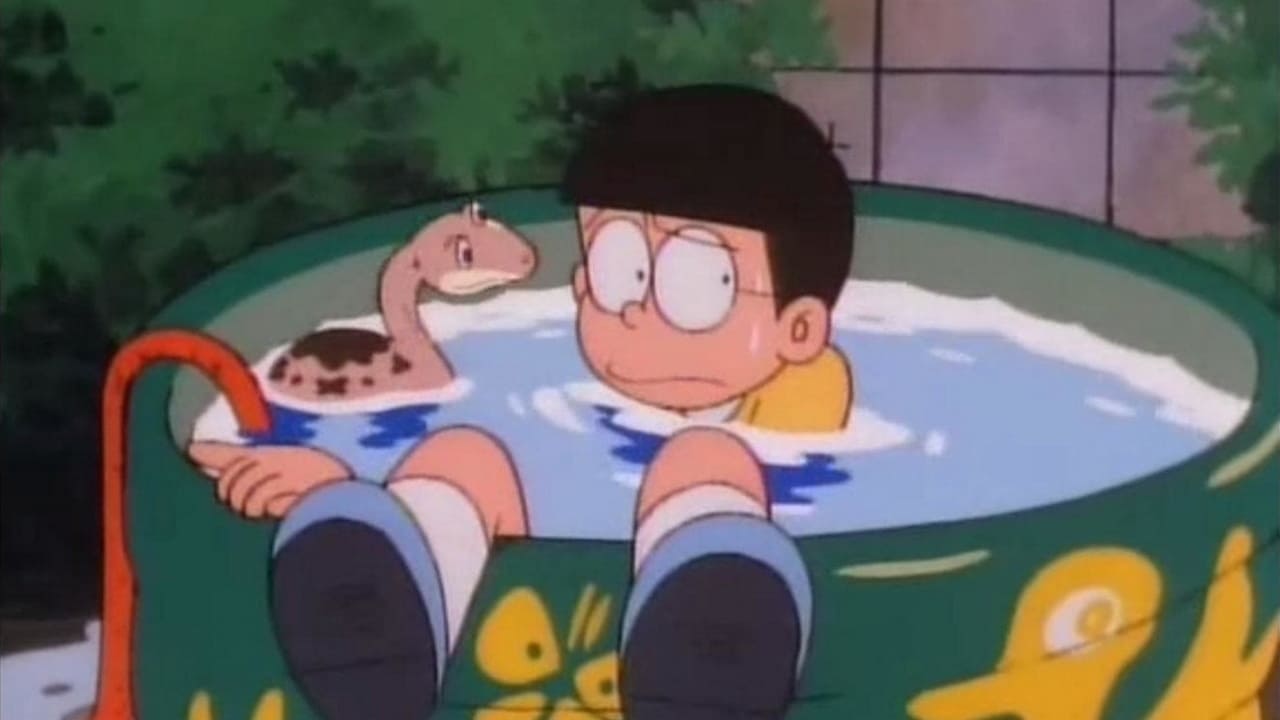
What hatches isn't a fearsome Tyrannosaurus, but a gentle Futabasaurus, a species of plesiosaur actually discovered in Japan. Nobita names him Pisuke, and the bond they form is the undeniable heart of the film. Seeing the perpetually lazy Nobita dedicate himself to secretly raising this growing prehistoric creature, feeding him sashimi (because, why not?), and protecting him from discovery is genuinely touching. It showcases the core appeal of the series: despite his flaws, Nobita has a good heart, and his friendship with Doraemon enables extraordinary things.
### Journey to the Cretaceous
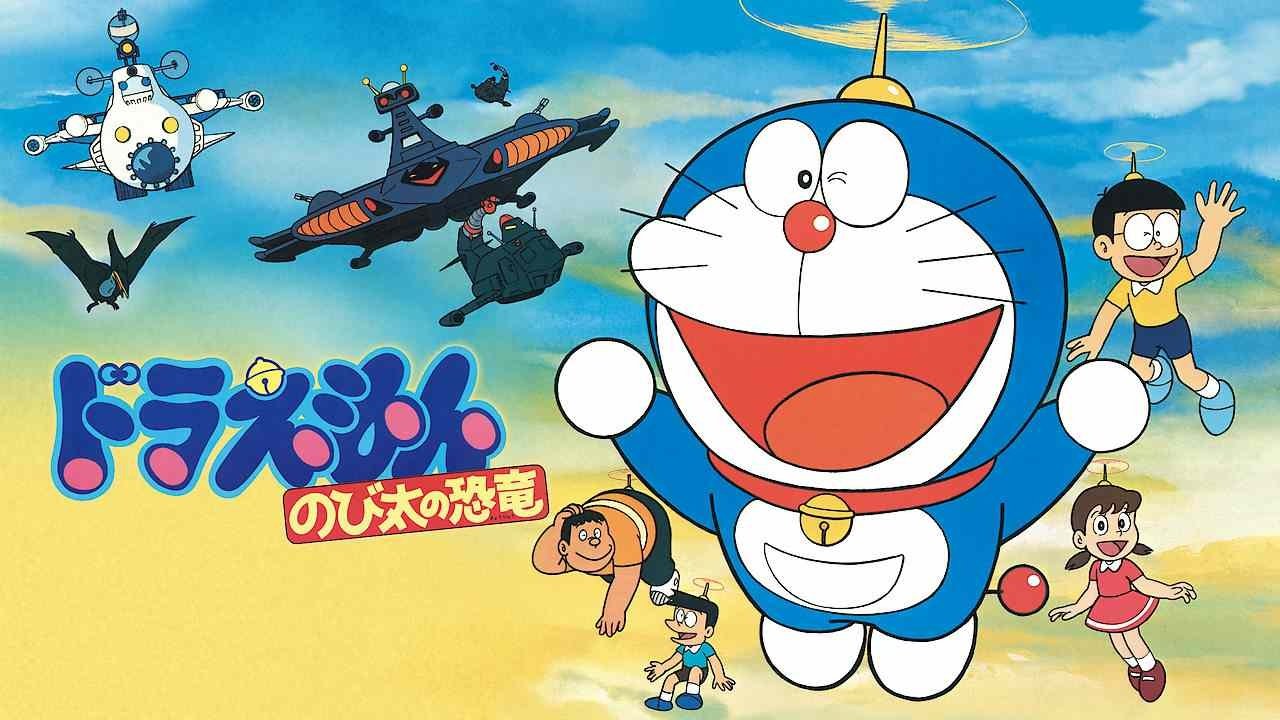
Naturally, keeping a rapidly growing plesiosaur in modern-day Tokyo isn't sustainable. The decision is made: Pisuke must return to his own time, the Late Cretaceous period. Cue the iconic Time Machine, tucked away in Nobita's desk drawer! Along with the ever-sensible Shizuka (Michiko Nomura), the bullying Gian, and the boastful Suneo, Doraemon and Nobita embark on their first grand cinematic voyage.
What follows is pure adventure fuel for the young (and young-at-heart). Directed and written by Doraemon's own creator, Fujiko F. Fujio (a rare level of direct involvement for a manga artist in a film adaptation back then), the film embraces the wonder and danger of the prehistoric world. The animation style, while simpler by today's standards or even compared to later Doraemon films, has a distinct charm – clean lines, expressive characters, and backgrounds that effectively convey the lush, untamed Cretaceous landscape. There’s a tangible sense of discovery as the gang uses gadgets like the Take-copter (Hopter) to soar over jungles teeming with Brachiosaurus and Pteranodons.
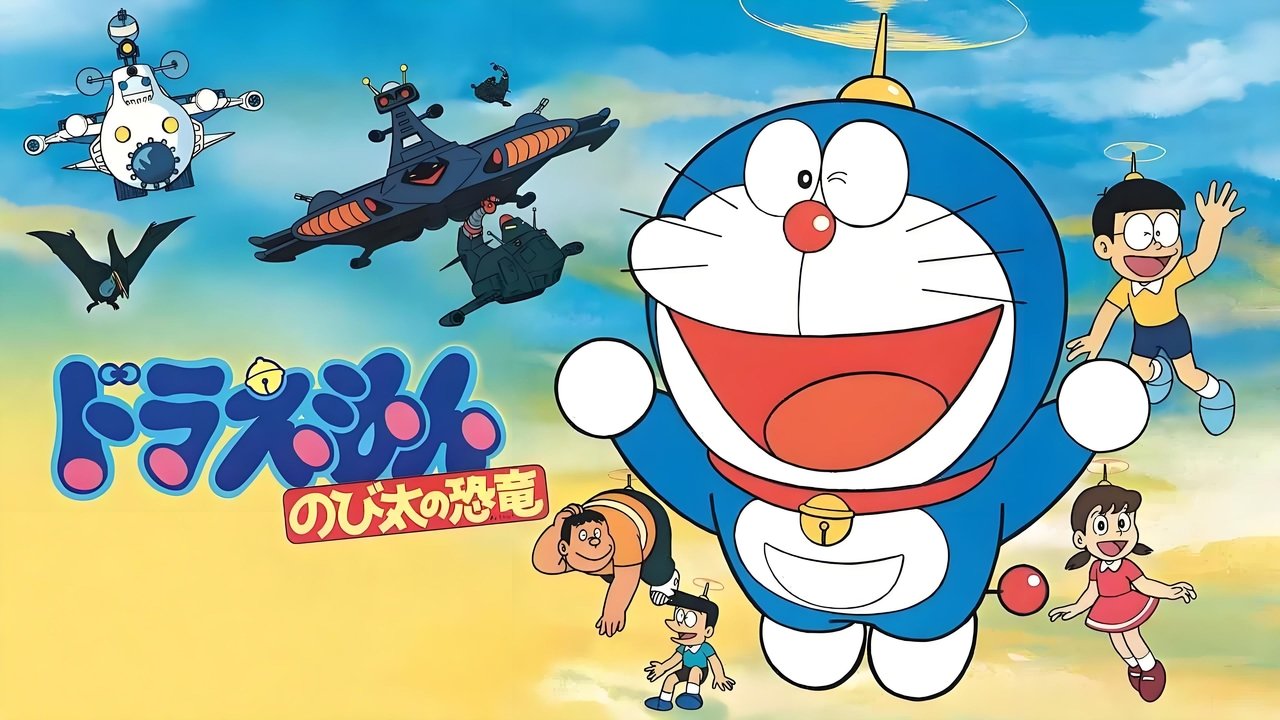
Of course, it wouldn't be an adventure without peril. Our heroes face off against hostile dinosaurs and, more menacingly, dinosaur hunters from the future equipped with advanced technology. These villains add a genuine threat, testing the friends' courage and reliance on Doraemon's seemingly endless supply of gadgets from his fourth-dimensional pocket. Remember the thrill of seeing what amazing tool he'd pull out next? That feeling is captured perfectly here.
### Retro Fun Facts & Enduring Charm
- Box Office Beginnings: This film wasn't just a movie; it was an event. It became a massive hit in Japan, earning significant box office revenue (exact figures vary, but estimates place it among the top earners of the year in Japan) and firmly establishing the Doraemon movie franchise as an annual blockbuster tradition that continues to this day.
- Creator's Touch: Fujiko F. Fujio's direct involvement ensured the film stayed true to the spirit and characters of his beloved manga, a key factor in its success and authenticity.
- Pisuke's Inspiration: The choice of a Futabasaurus wasn't random. Futabasaurus suzukii is a real species of plesiosaur discovered in Japan in 1968, adding a layer of national pride and scientific wonder to the fantastical story.
- Voice Legacy: The core voice cast, including Nobuyo Ôyama, Noriko Ohara, Michiko Nomura, Kazuya Tatekabe (Gian), and Kaneta Kimotsuki (Suneo), defined these characters for over two decades, making their performances here foundational.
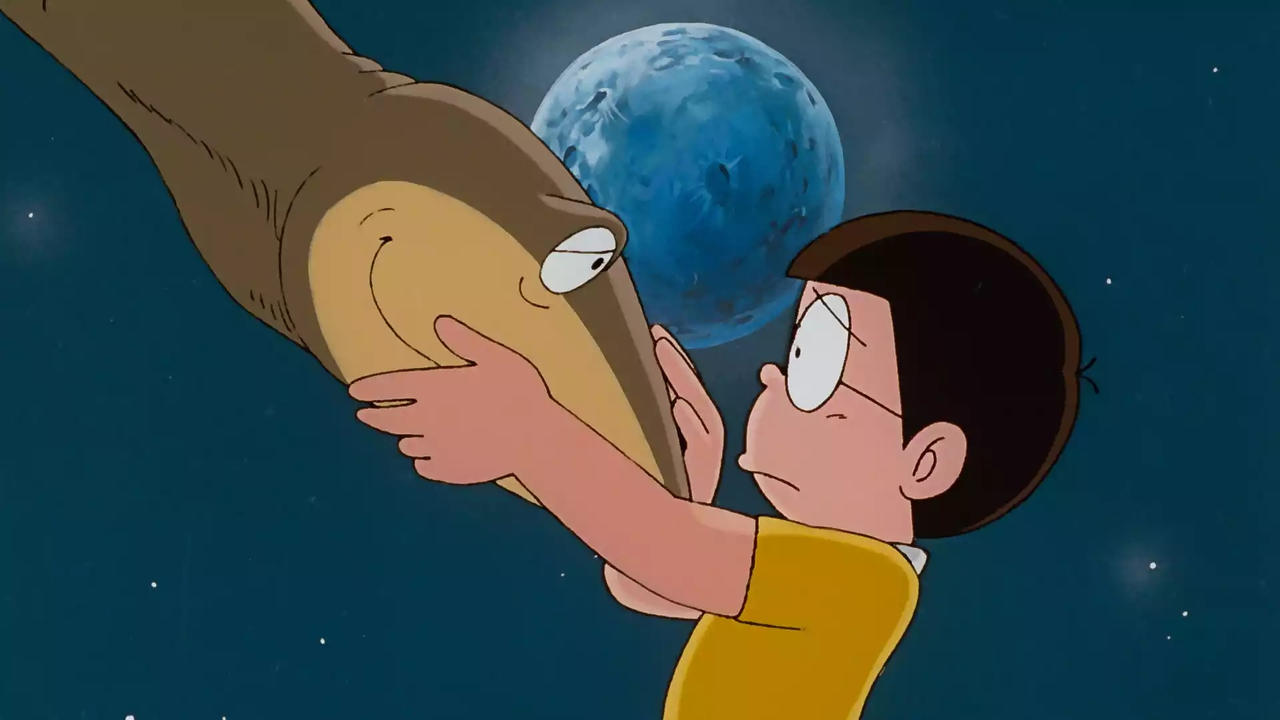
While the plot follows a familiar "return the creature home" structure, it's executed with such earnestness and heart that it transcends formula. The stakes feel real for the characters, particularly Nobita's emotional struggle in letting Pisuke go. It explores themes of friendship, responsibility, the consequences of altering the past, and the wonder of the natural world – all wrapped in an accessible and entertaining package. Sure, some of the science is questionable (plesiosaurs and dinosaurs living side-by-side, the ease of time travel), but this is Doraemon; we're here for the adventure and the gadgets!
### The Verdict
Doraemon: Nobita's Dinosaur might look dated compared to modern anime, but its charm is timeless. It perfectly captures the essence of childhood adventure – the big promises, the unexpected discoveries, the loyalty of friends, and the dream of impossible journeys. It laid the groundwork for decades of Doraemon films, proving that this robotic cat and his perpetually C-student best friend had stories big enough for the silver screen. For fans of Doraemon, it’s a foundational text, a nostalgic trip back to where the cinematic magic began. For newcomers curious about the origins of this cultural icon, it’s a delightful, heartwarming entry point.
Rating: 8/10
This score reflects the film's immense heart, its significance as the first Doraemon feature, its successful capture of the source material's spirit, and its genuinely engaging adventure narrative. While the animation is simpler than later entries, its charm and storytelling prowess make it a standout classic of early anime features. It’s a pure dose of imaginative fun, powered by friendship and futuristic gadgets.