Okay, pull up a beanbag chair, maybe crack open a Tab if you can find one. Let's talk about a film that aimed for profundity amidst the pulsing beat of the Jazzercise generation: 1985's Perfect. Watching it again after all these years, perhaps on a slightly fuzzy, well-loved tape, feels like excavating a time capsule – one filled with equal parts sincerity, spandex, and journalistic soul-searching.
### More Than Just Sweatbands
What strikes me most, revisiting Perfect, isn't just the overwhelming wave of 80s aerobics culture – though, believe me, it hits you like a blast of synthesized pop. It's the film's earnest, almost naive ambition. Directed by James Bridges (who previously gave us the gripping The China Syndrome and the era-defining Urban Cowboy), this wasn't conceived as mere fluff. It tries, sometimes clumsily, sometimes with surprising clarity, to dissect the ethics of journalism and the burgeoning obsession with physical image that felt so new and potent back then. Doesn't that clash – the serious critique embedded within the very aesthetic it examines – feel distinctly... well, 80s?
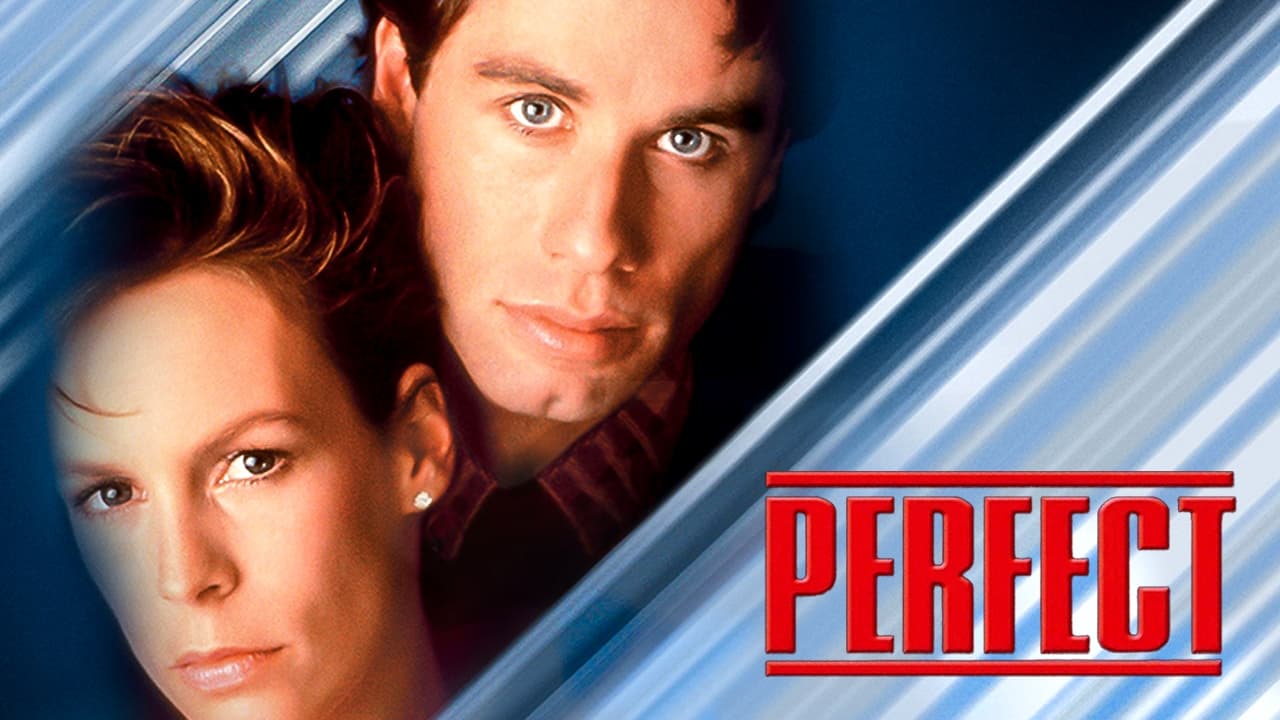
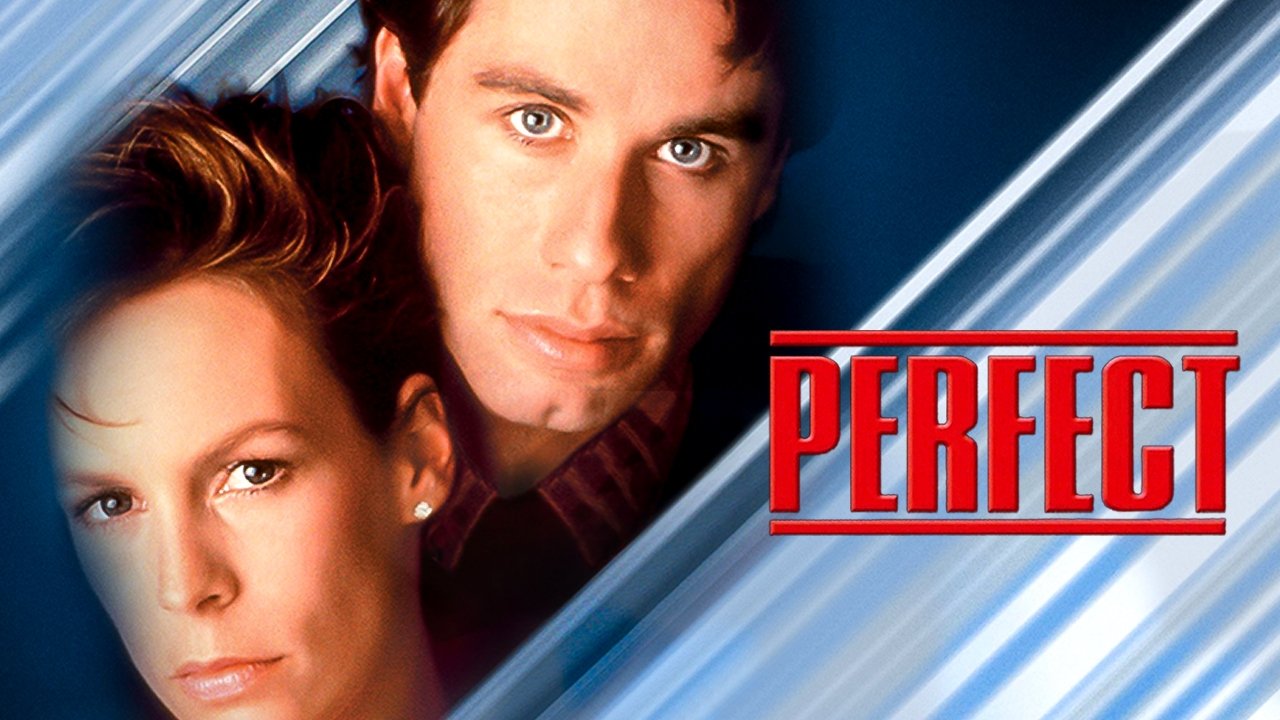
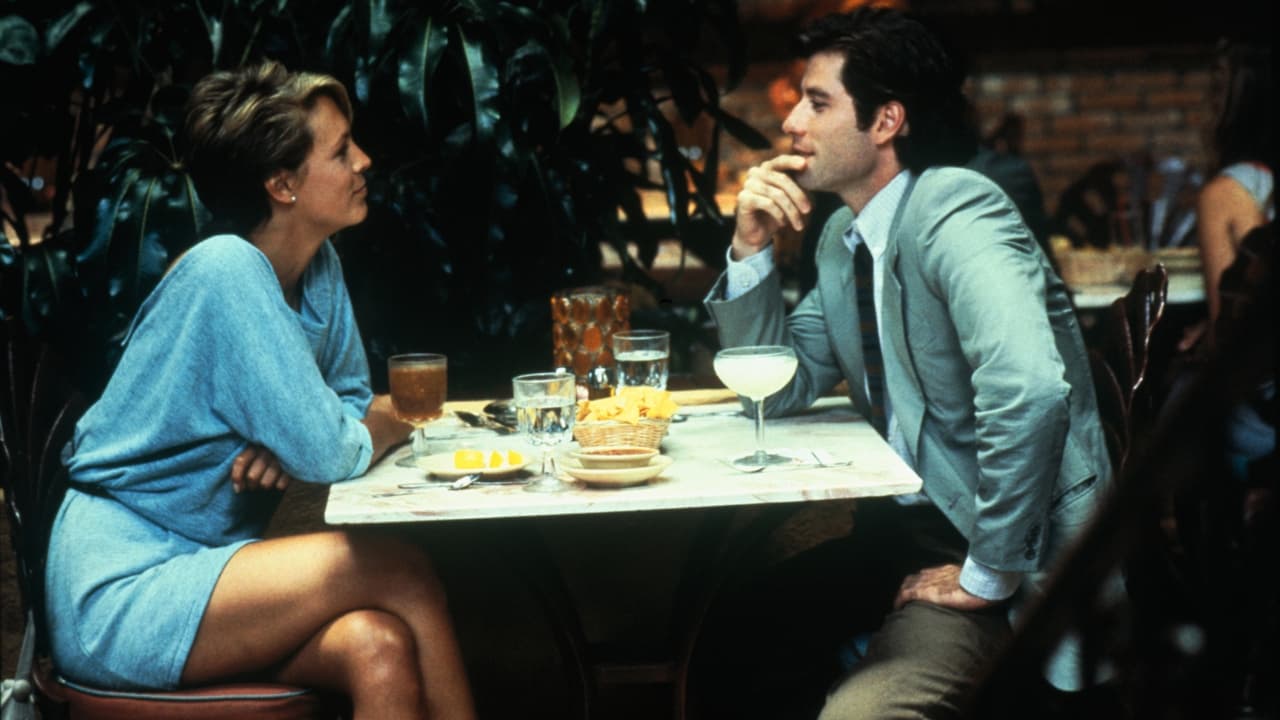
The premise, drawn from real articles penned by co-writer Aaron Latham for Rolling Stone, follows journalist Adam Lawrence (John Travolta) as he dives into the world of Los Angeles health clubs, initially pitched as "the singles bars of the 80s." His path inevitably crosses with Jessie Wilson (Jamie Lee Curtis), a fiercely independent aerobics instructor wary of the press after a past betrayal. Their attraction simmers against a backdrop of chrome machines, neon leotards, and the constant thrum of bodies striving for an idealized form.
### Bodies in Motion, Ethics in Question
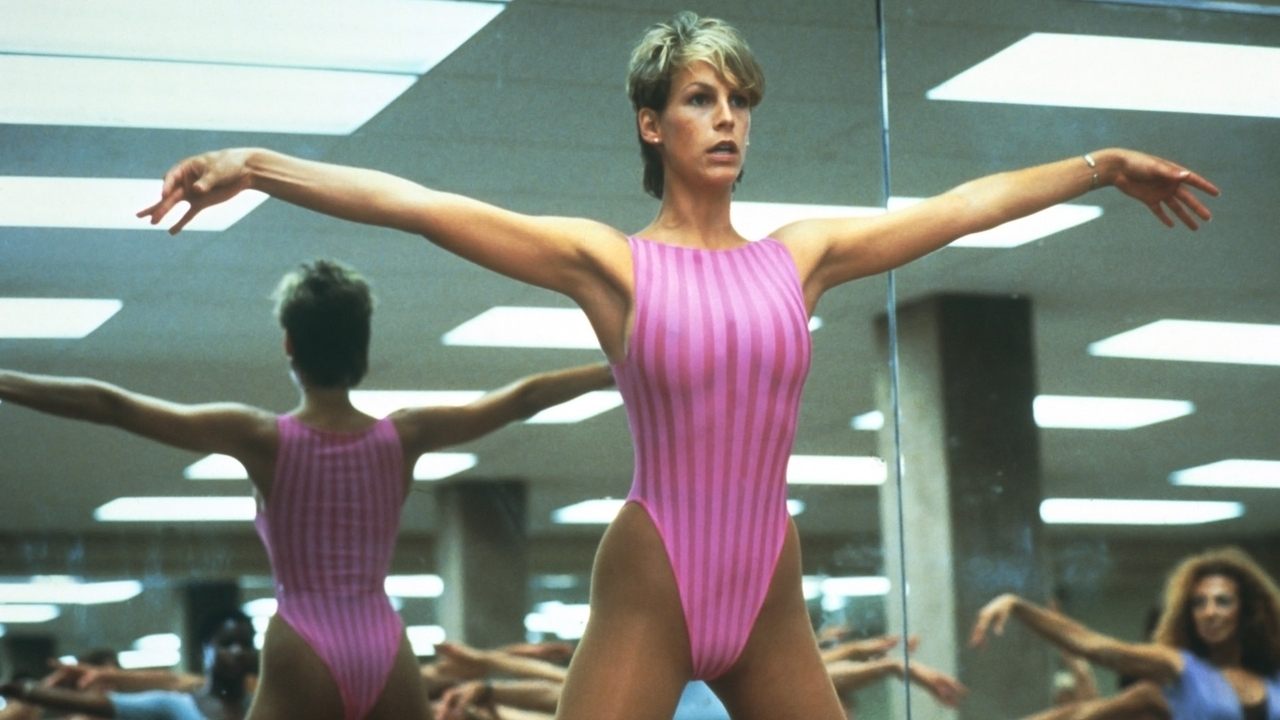
Let's be honest: the aerobics sequences are legendary, almost hypnotic. Jamie Lee Curtis, fresh off cementing her scream queen status in Halloween and showcasing comedic chops in Trading Places, is absolutely magnetic. She embodies the strength, grace, and underlying vulnerability of Jessie with a physicality that’s undeniable. Watching her lead those classes, you understand the allure, the almost tribal energy of that fitness movement. John Travolta, attempting to pivot from the disco floor of Saturday Night Fever and the mechanical bull of Urban Cowboy towards something more contemplative, brings a searching quality to Adam. He's believable as a man caught between the demands of his profession – embodied by Rolling Stone editor Jann Wenner playing himself – and the pull of genuine connection.
But where Perfect aims higher, and arguably stumbles, is in its central ethical debate. Adam is simultaneously working on a more serious piece involving a potentially crooked businessman (based loosely on Latham's experiences covering John DeLorean), using Jessie and the gym scene partly as cover, partly as genuine interest. The film asks: Where is the line between observation and exploitation? Can a journalist truly befriend a subject? These are hefty questions, and Perfect deserves credit for asking them, even if its execution sometimes feels as awkward as a beginner in a step class. The script occasionally spells things out too plainly, the conflicts resolved a bit too neatly. Yet, the core dilemma resonates – perhaps even more so today, in our hyper-documented world.
### Retro Fun Facts: Behind the Spandex
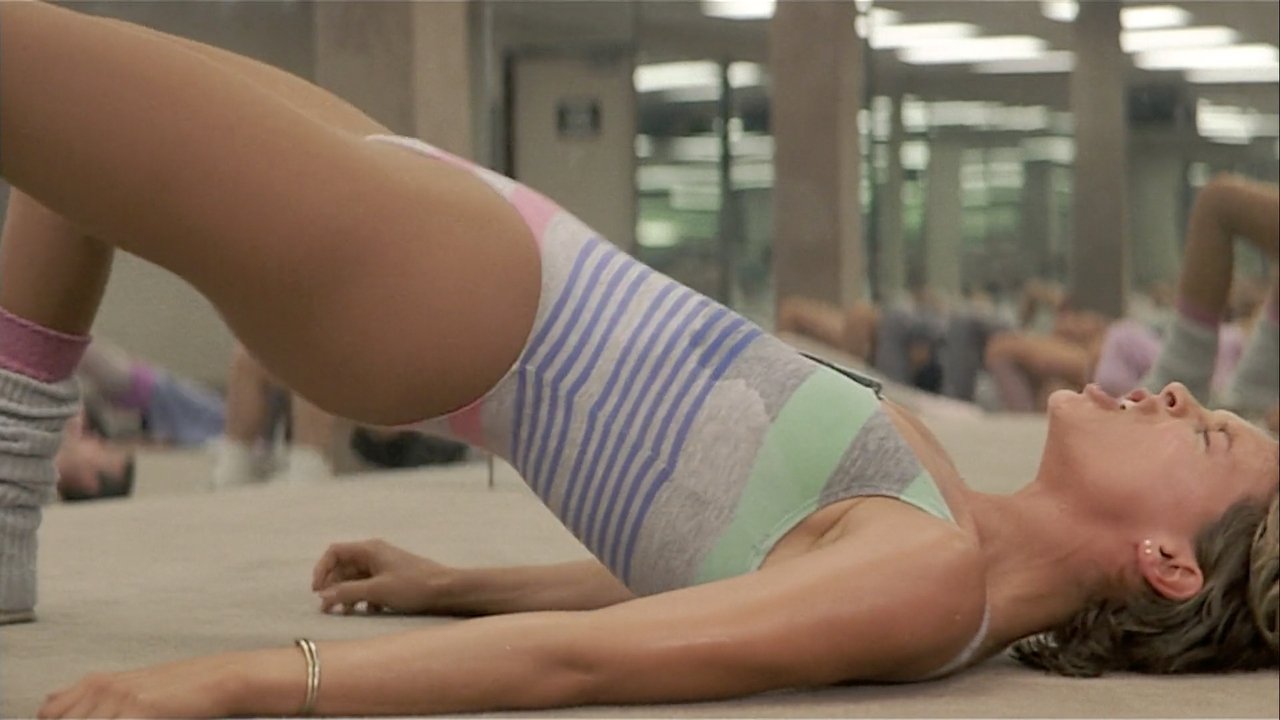
Digging into the making of Perfect adds another layer to the viewing experience. It’s fascinating that the film stemmed directly from Aaron Latham's non-fiction work for Rolling Stone, lending a veneer of authenticity to its portrayal of both the magazine's inner workings and the fitness scene. Jamie Lee Curtis reportedly trained rigorously for months to convincingly portray an elite aerobics instructor, and her dedication shines through.
However, the film wasn't the hit the studio hoped for. Made on a fairly substantial $20 million budget, it brought in just under $13 million at the box office, becoming a notable commercial disappointment. Critically, it fared even worse, earning multiple Razzie Award nominations, including Worst Actor for Travolta (though perhaps unfairly, given his earnest effort). There's a famous, perhaps infamous, scene involving Travolta performing suggestive hip thrusts during a co-ed aerobics class that became an easy target for ridicule. Seeing it now, it feels less intentionally provocative and more like a slightly misjudged attempt to show Adam embracing the physical culture he's investigating. It’s one of those moments that firmly anchors the film in its time, for better or worse.
### The Lingering Reflection
So, is Perfect... perfect? Absolutely not. It’s often unsubtle, occasionally preachy, and undeniably dated in its aesthetics and some of its dialogue. The pacing can feel uneven, torn between the journalistic thriller elements and the burgeoning romance. Yet, there's something compelling about its sincerity. It genuinely tries to say something meaningful about media responsibility, vulnerability, and the search for connection in a world increasingly obsessed with surfaces.
For those of us who remember renting this on VHS, maybe drawn in by the star power or the promise of glimpsing that uniquely 80s fitness phenomenon, Perfect offers more than just nostalgia. It’s a fascinating snapshot of cinematic ambition colliding with cultural trends. The performances from Curtis and Travolta have moments of real truth, grounding the occasionally outlandish proceedings. It captures a specific moment, a specific anxiety about image and integrity, that feels both quaint and surprisingly relevant.
Rating: 5/10
The rating reflects a film brimming with earnest intentions and featuring committed lead performances, but ultimately hampered by an uneven tone, dated execution, and a script that doesn't quite successfully blend its disparate elements. It's a significant step down from James Bridges' best work. However, its value as an ambitious, flawed time capsule and a showcase for its stars (especially Curtis) prevents a lower score.
Perfect remains a peculiar artifact of the mid-80s – a film that reached for depth while fully embracing the dazzling, sometimes distracting, surface. What does it leave us with? Perhaps the lingering question of whether we ever truly escape the search for validation, be it through perfecting our bodies or crafting the perfect story.