There's a certain kind of heat that radiates off the screen in James Bridges' Urban Cowboy (1980), and it's not just the Texas sun or the friction of denim on denim. It's the heat of bruised egos, burgeoning love, and the raw, sweat-soaked energy of a subculture caught right at the moment it went mainstream. Watching it again now, decades removed from its initial release, feels like stepping into a time capsule – not just of fashion and music, but of a particular flavour of blue-collar angst and romance that feels both specific to its era and surprisingly resonant.
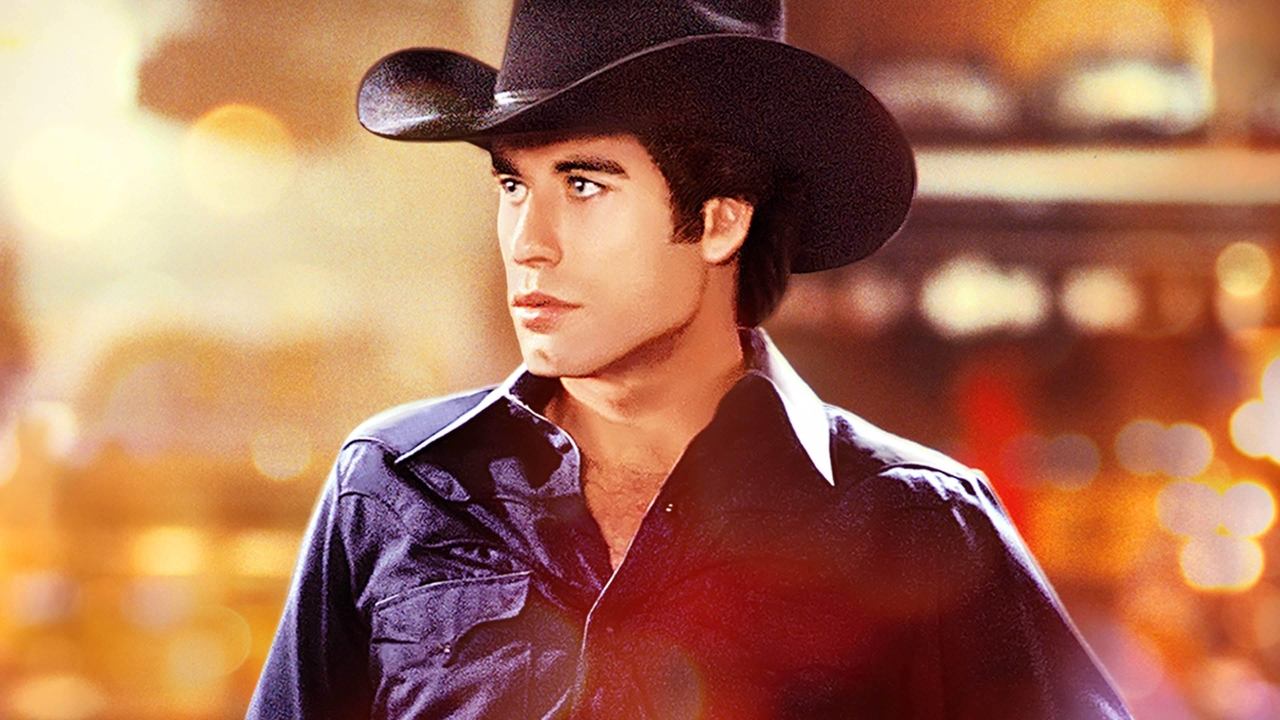
This film, born from an Esquire magazine article by Aaron Latham (who co-wrote the screenplay with director Bridges), isn't just set near Gilley's Club in Pasadena, Texas; it breathes the atmosphere of that legendary honky-tonk. Gilley's, a sprawling, real-life establishment that could hold thousands, wasn't just a backdrop; it was practically a character in itself, representing a world where refinery workers could transform into rodeo heroes, if only for a night, atop a bucking mechanical bull. I remember renting this one, the worn slipcover promising a story as big and bold as the Lone Star State itself, and feeling pulled into that world immediately.
Pride and Prejudice, Texas Style
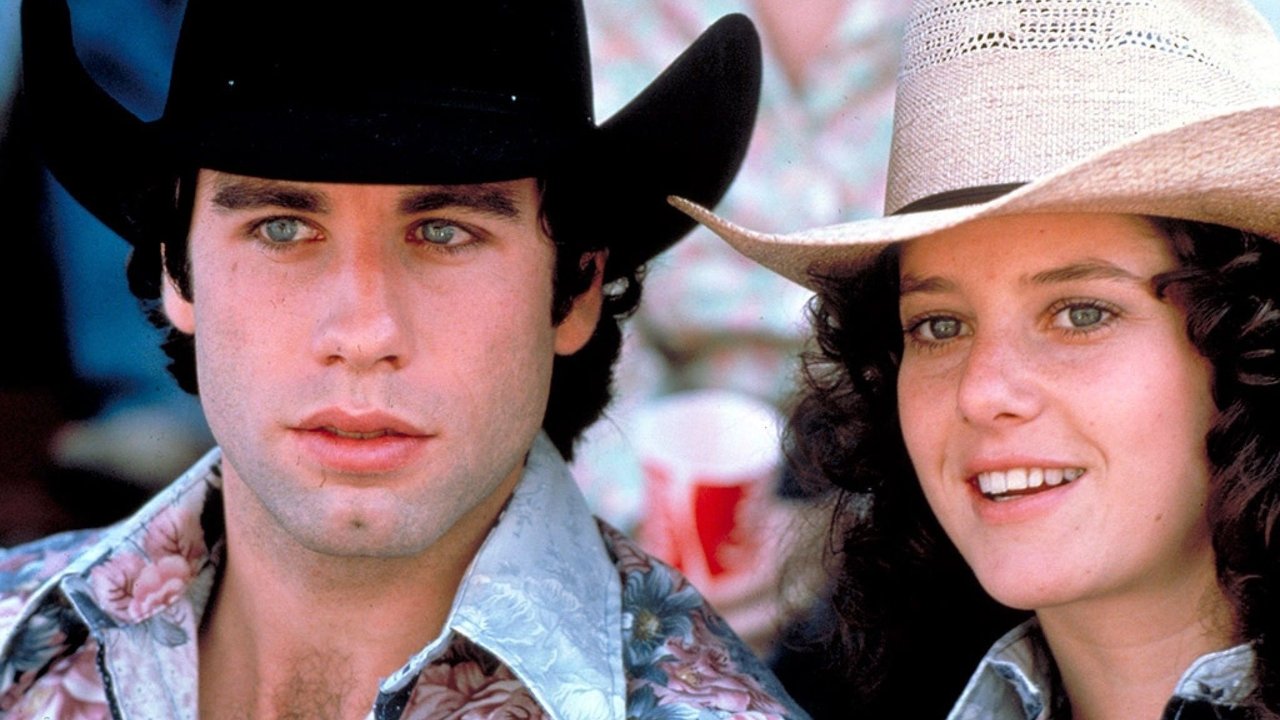
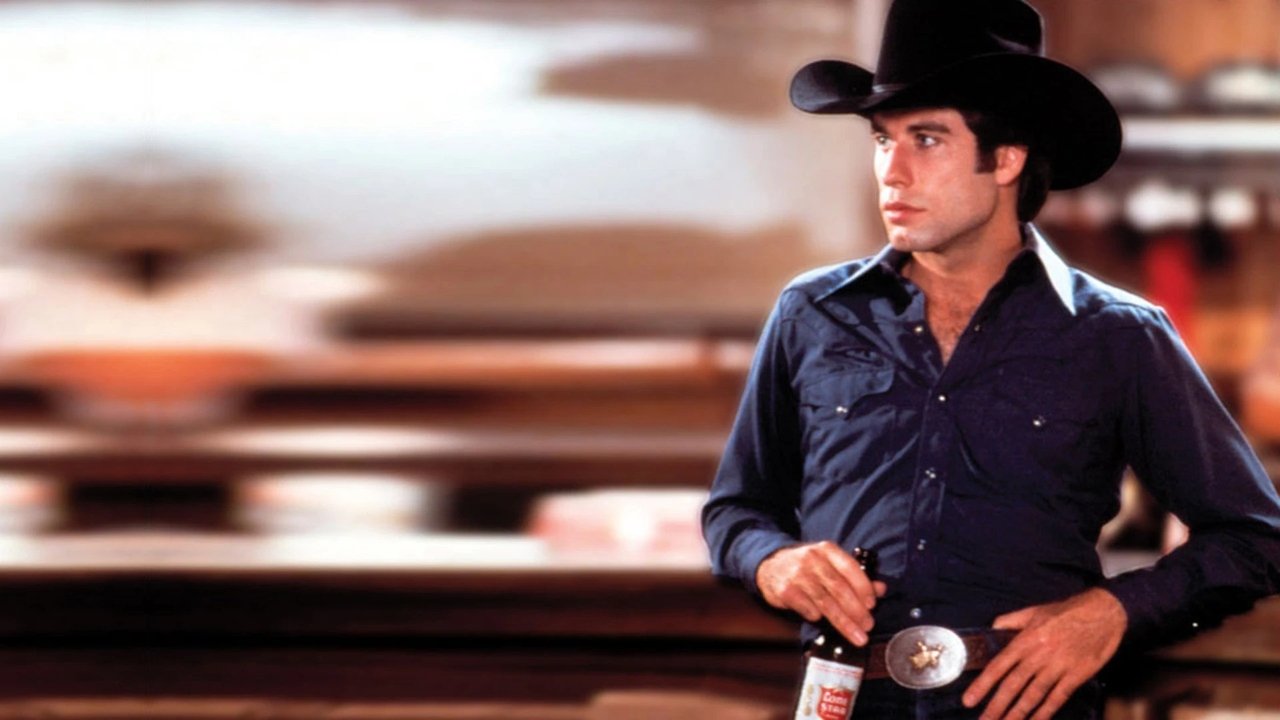
At its heart, Urban Cowboy is the tempestuous love story of Bud Davis (John Travolta) and Sissy (Debra Winger). Bud arrives in Houston from the sticks, full of unearned swagger and traditional notions of manhood, looking for work in the oil refineries. He finds more than he bargained for at Gilley's, particularly in Sissy, a woman whose fire matches his own stubborn pride. Their courtship is a whirlwind, fueled by cheap beer, fast dancing, and faster tempers. It’s a relationship built on shaky foundations, easily fractured by jealousy, misunderstandings, and Bud's rigid ideas about a woman's place.
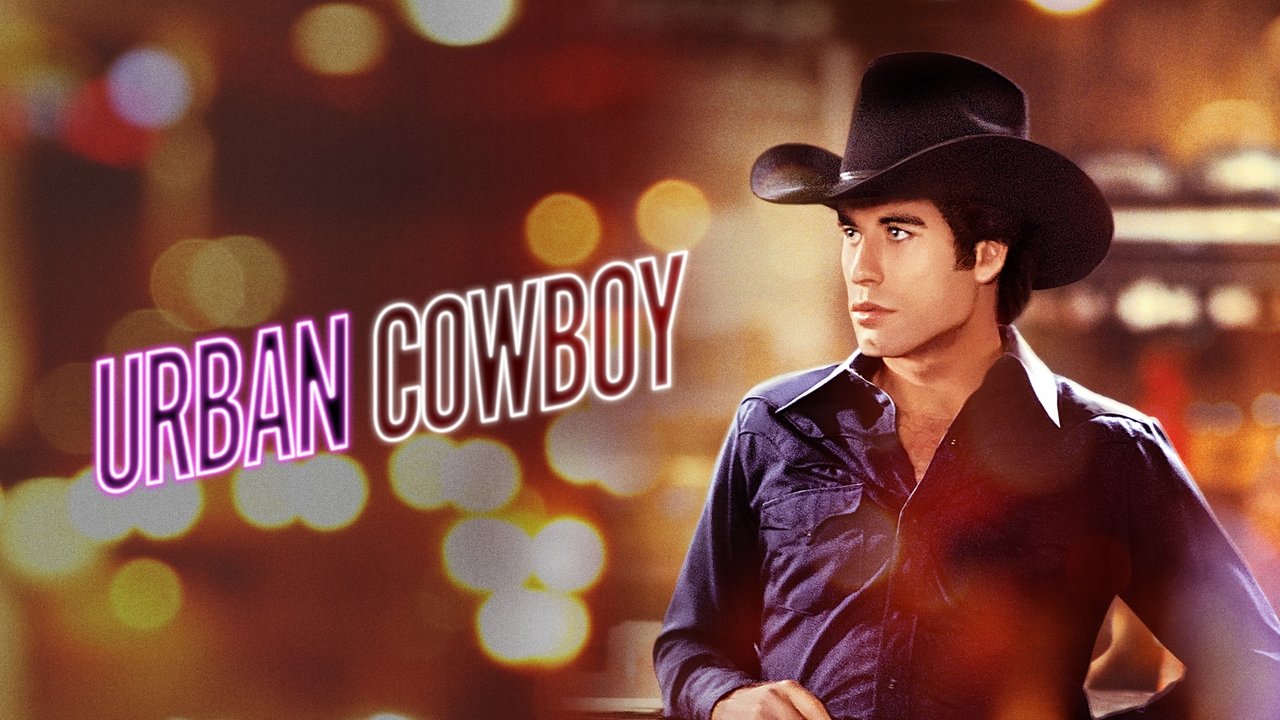
Travolta, fresh off the global phenomenon of Saturday Night Fever (1977) and Grease (1978), pivots effectively here. He sheds the disco glitter for a cowboy hat, embodying Bud's youthful insecurity masked by bravado. You see the conflict within him – the desire for love clashing with the fear of vulnerability. It's a performance that grounds the film, making Bud frustratingly relatable even when he’s acting like a fool. He reportedly threw himself into the role, learning the two-step and spending considerable time mastering the mechanical bull – doing most of his own riding, adding a layer of physical authenticity to the performance.
But it's Debra Winger, in a star-making turn, who truly ignites the screen. Sissy isn't just a passive love interest; she's fiercely independent, challenging Bud's assumptions at every turn. Winger brings a raw, almost feral energy to the role – her eyes flashing with defiance one moment, vulnerability the next. There's a truthfulness to her portrayal of a young woman chafing against expectations that feels incredibly modern. Rumour has it she beat out some significant names for the part, and watching her, you understand why. She is Sissy, complex and captivating. Their chemistry is undeniable, electric even in its volatility. You believe these two people could fall desperately in love and just as easily tear each other apart.
The Shadow of the Bull
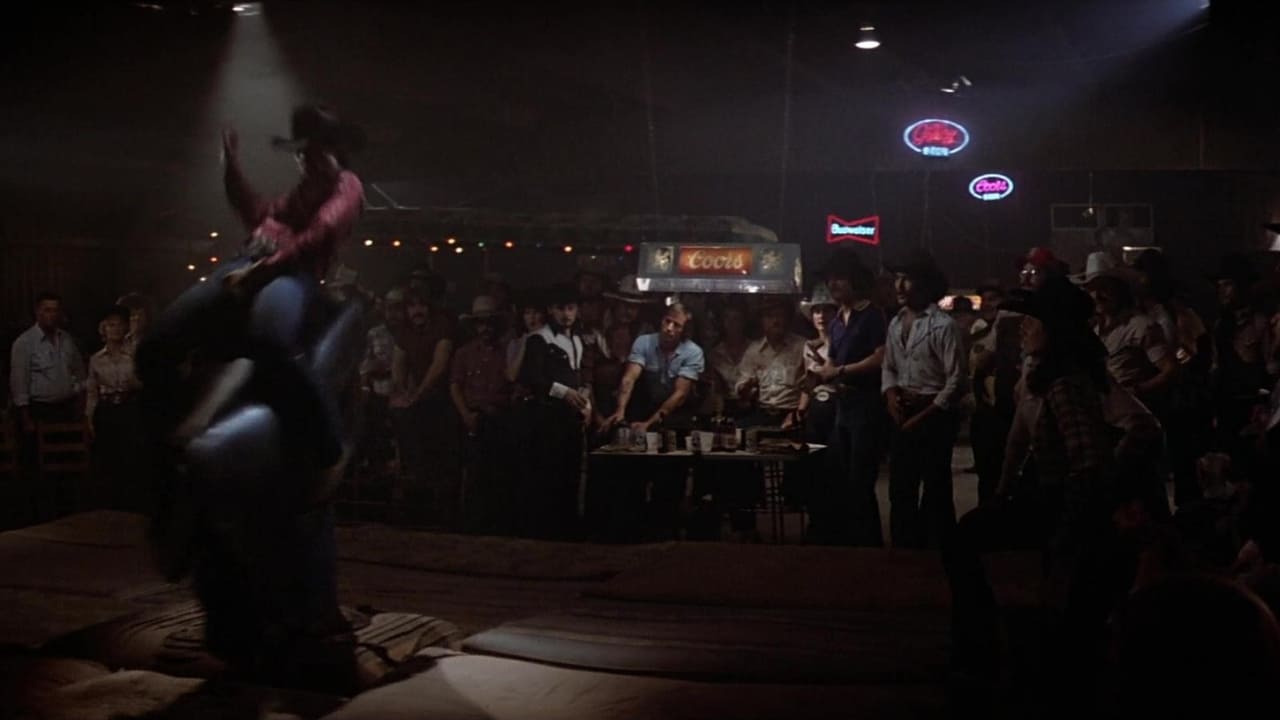
The arrival of Wes Hightower (Scott Glenn) injects a darker, more dangerous element. Wes is everything Bud pretends to be – genuinely tough, skilled on the bull, and utterly ruthless. Glenn, often a master of quiet menace (think The Silence of the Lambs a decade later), is chilling here. He’s not just a romantic rival; he represents a predatory danger, exploiting Sissy's hurt and Bud's insecurities. His presence ups the stakes considerably, transforming the romantic drama into something closer to a thriller, particularly in the film's latter half. The tension he brings is palpable, a coiled threat lurking amidst the sawdust and neon.
More Than Just a Honky Tonk
Director James Bridges (The China Syndrome (1979)) does a remarkable job capturing the milieu. The filming took place extensively at the real Gilley's, lending an invaluable authenticity. You feel the sticky floors, smell the stale beer, hear the roar of the crowd over the twang of country music. The dance sequences are dynamic, capturing the energy and specific style of the era's country dancing. And, of course, there’s the mechanical bull. El Toro became a national craze thanks to this film, a symbol of testing one's mettle (or just drunken bravado). Bridges uses it effectively, not just as a plot device, but as a metaphor for the characters' attempts to control their own wild impulses and turbulent lives.
The film wasn't a Grease-level smash, earning a respectable $47 million (around $175 million today) on a $13 million budget, but its cultural impact was significant. The soundtrack album was massive, a multi-platinum monster that helped propel the "Urban Cowboy" movement – a brief period where country music and western wear became chic nationwide. Suddenly, pearl-snap shirts and cowboy boots were everywhere. Does anyone else remember trying to master that specific kind of line dance after seeing this?
Beneath the Brim
Beneath the melodrama and the iconic imagery, Urban Cowboy explores themes that still resonate: the fragility of masculinity, the complexities of communication in relationships, and the search for identity and belonging. Bud and Sissy's struggles feel rooted in genuine human failings – pride, insecurity, the inability to articulate needs and fears. What does it truly mean to be 'a man' or 'a woman', especially when societal expectations clash with personal desires? The film doesn't offer easy answers, but it poses the questions effectively through its flawed, searching characters.
It’s not a perfect film. The plot occasionally veers into soap opera territory, and some of the gender dynamics feel distinctly of their time (though arguably, that’s part of the point). Yet, its strengths – the electric performances, the palpable atmosphere, the snapshot of a specific cultural moment, and its surprisingly enduring emotional core – make it a standout piece of early 80s cinema. It captured something real about working-class life and love, wrapped in a package that was undeniably entertaining.
Rating: 8/10
This score reflects the film's undeniable strengths: Winger's phenomenal breakout performance, Travolta's committed turn, Glenn's effective villainy, the incredible sense of place achieved by filming at the real Gilley's, and its significant cultural impact. It successfully blends character-driven drama with genre thrills and captures a unique moment in time with authenticity and energy, even if some plot elements feel a touch dated. It earns its points through sheer atmospheric power and the raw honesty of its central performances.
Urban Cowboy remains a potent shot of nostalgia, yes, but it’s also a reminder of how compelling a simple story, told with conviction and anchored by powerful acting, can be. It leaves you thinking about the dances we all do – the ones on the honky-tonk floor, and the more complicated ones we navigate in love and life.