It's a strange thing, revisiting a film like Glenn Gordon Caron's 1994 version of Love Affair. It arrived on video store shelves feeling both instantly familiar and curiously out of time. Familiar, because its story is etched into Hollywood legend – a remake of Leo McCarey's beloved An Affair to Remember (1957), which itself was a remake of McCarey's own Love Affair (1939). Out of time, perhaps, because its grand, almost operatic romanticism felt like a throwback even in the mid-90s, a decade leaning into irony and grunge. Yet, settling back to watch it again, what strikes hardest isn't the glossy production or the star power, but the quiet, undeniable poignancy of seeing a legend say goodbye.
Echoes of Hollywood Past
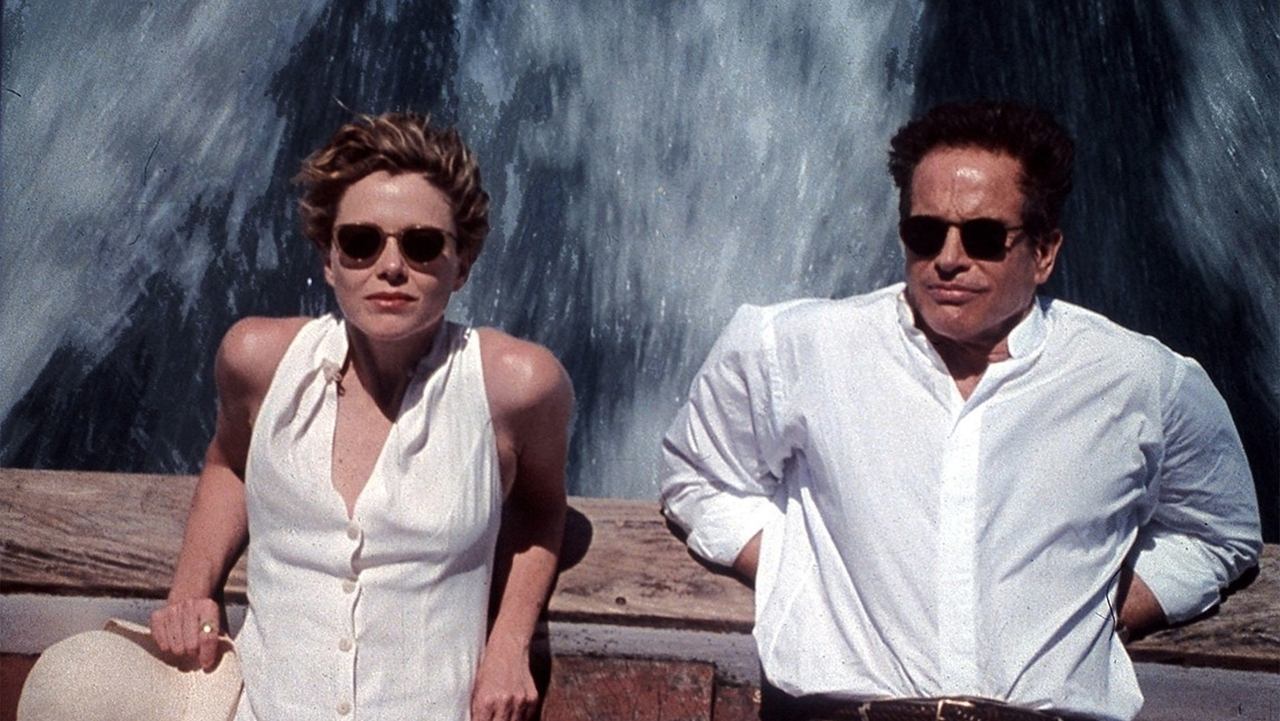
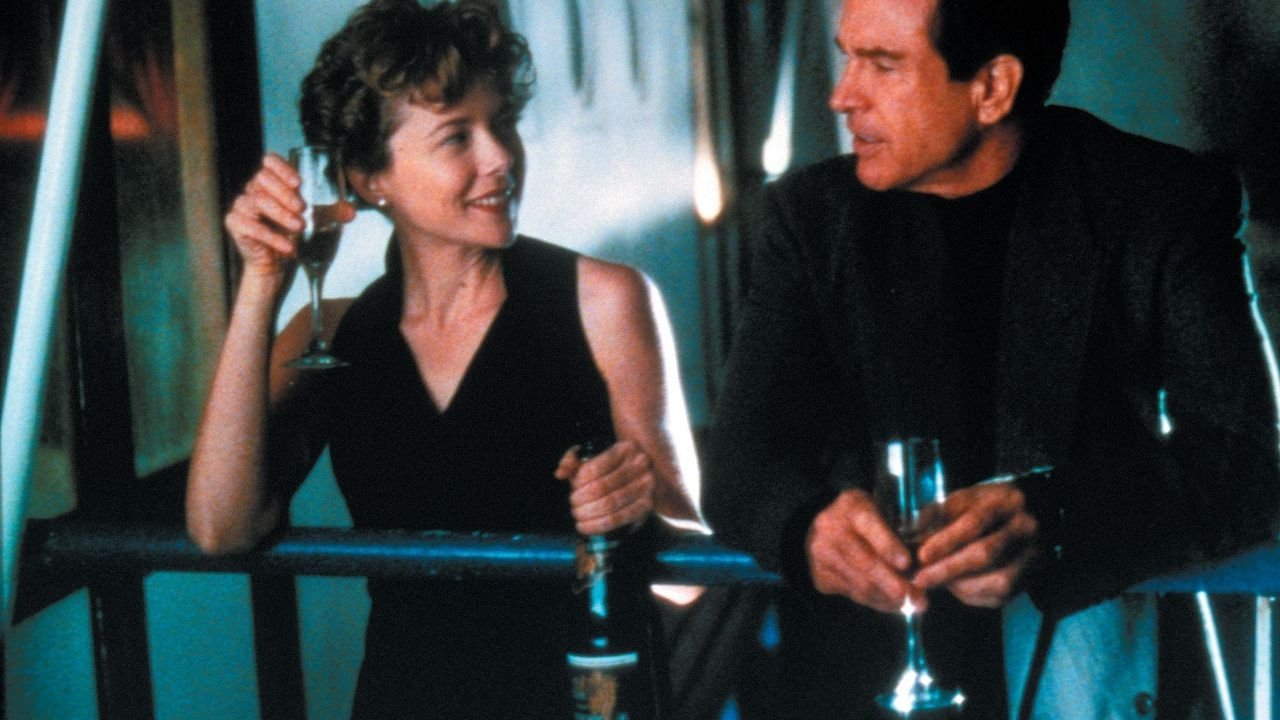
The core story remains unchanged: Mike Gambril (Warren Beatty), a former football star turned notorious playboy engaged to someone else, meets Terry McKay (Annette Bening), a charming musician also engaged, on a flight forced to make an emergency landing in the South Pacific. Sparks fly amidst picturesque locales, leading to a pact: if they still feel the same way in three months, they will meet atop the Empire State Building. Life, of course, intervenes dramatically. Knowing the story’s bones doesn’t diminish the viewing; the pleasure, or potential disappointment, lies in the execution and the chemistry of the leads. And here, Beatty and Bening, whose real-life romance was one of Hollywood's biggest stories after meeting on Bugsy (1991), bring a palpable, lived-in connection to their roles. Beatty leans into his established screen persona – the charming rogue wrestling with vulnerability – while Bening offers a grounded warmth and intelligence that anchors the film's more heightened emotions.
A Legend's Farewell
But the film's most resonant element, the one that truly lingers long after the credits roll, is the presence of Katharine Hepburn. Appearing as Mike's sharp, insightful Aunt Ginny, this was Hepburn's final performance in a theatrical film. Filmed near her Connecticut home due to her declining health, her scenes possess a fragile beauty. There's a moment where she plays the piano, her hands slightly unsteady, her gaze distant yet full of wisdom – it feels less like acting and more like a glimpse of the real woman, a titan of cinema reflecting on life and love. Her dialogue, often direct and unsentimental, cuts through the film's occasional syrupy sweetness, providing moments of genuine emotional clarity. Knowing this was her farewell lends these scenes an almost unbearable poignancy. It's a performance that transcends the film itself, a quiet grace note at the end of an unparalleled career.
Behind the Gloss
This iteration of Love Affair wasn't just a star vehicle; it had serious pedigree behind the camera too. The screenplay was co-written by Beatty and the legendary Robert Towne, the pen behind masterpieces like Chinatown (1974) and Shampoo (1975). You can sense Towne's touch in the sharper exchanges and the attempts to ground the whirlwind romance. The score, lush and evocative, comes courtesy of the maestro himself, Ennio Morricone, known for everything from spaghetti westerns (The Good, the Bad and the Ugly, 1966) to historical epics (The Mission, 1986). His music adds a layer of classic Hollywood grandeur.
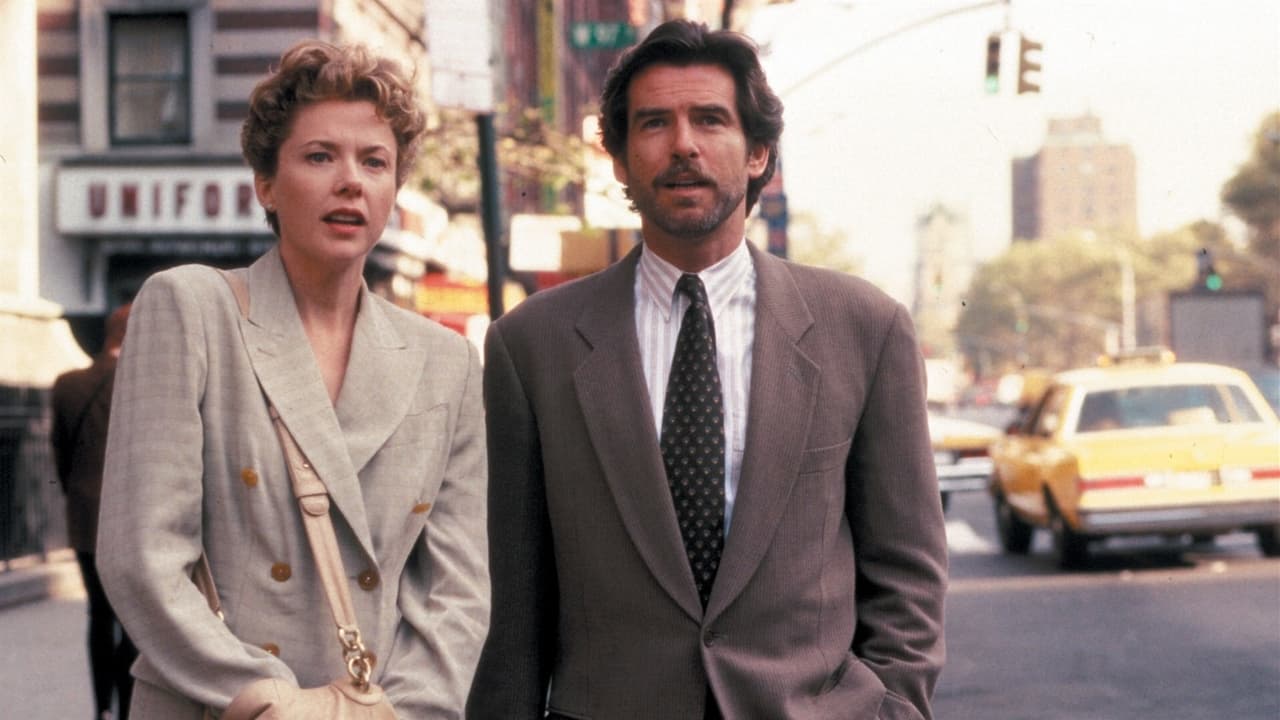
Yet, despite this talent, the film landed with a thud, both critically and commercially. Budgeted at a hefty $60 million (a significant sum in 1994, roughly equivalent to over $120 million today), it grossed only around $18 million domestically. It even garnered a Razzie nomination for Worst Remake or Sequel. Why the disconnect? Perhaps the earnest, almost achingly sincere tone felt out of step with the cynical 90s. It lacks the light, witty touch of the 1939 original or the sweeping Technicolor melodrama of the 1957 version. It aims for a more grounded realism in places, but still clings to the inherently heightened, almost fairytale-like premise, creating a slightly uneven feel. Did audiences simply feel the story had been told definitively already?
Does Absence Still Make the Heart Grow Fonder?
Watching Love Affair (1994) today, through the haze of nostalgia and the lens of VHS history, is a complex experience. It’s undeniably beautiful to look at, capturing stunning vistas and elegant interiors. The central performances from Beatty and Bening have genuine chemistry, born of their real relationship. And Hepburn’s presence is, frankly, invaluable, a gift to film lovers. Yet, the film often feels too polished, too controlled, missing some of the raw emotional spark that made its predecessors classics. It’s like a meticulously crafted replica – beautiful, well-made, but lacking the original’s soul.
I remember seeing the oversized VHS box on the rental store shelf, promising a grand, old-fashioned Hollywood romance. It delivered on the 'grand' and 'old-fashioned', but perhaps not quite the timeless magic it aspired to. Does it hold up? As a standalone film, it struggles under the weight of comparison. But as a vehicle for its stars, particularly the final bow of Katharine Hepburn, and as a time capsule of a certain kind of earnest 90s filmmaking trying to recapture classical Hollywood, it holds a certain melancholic charm.
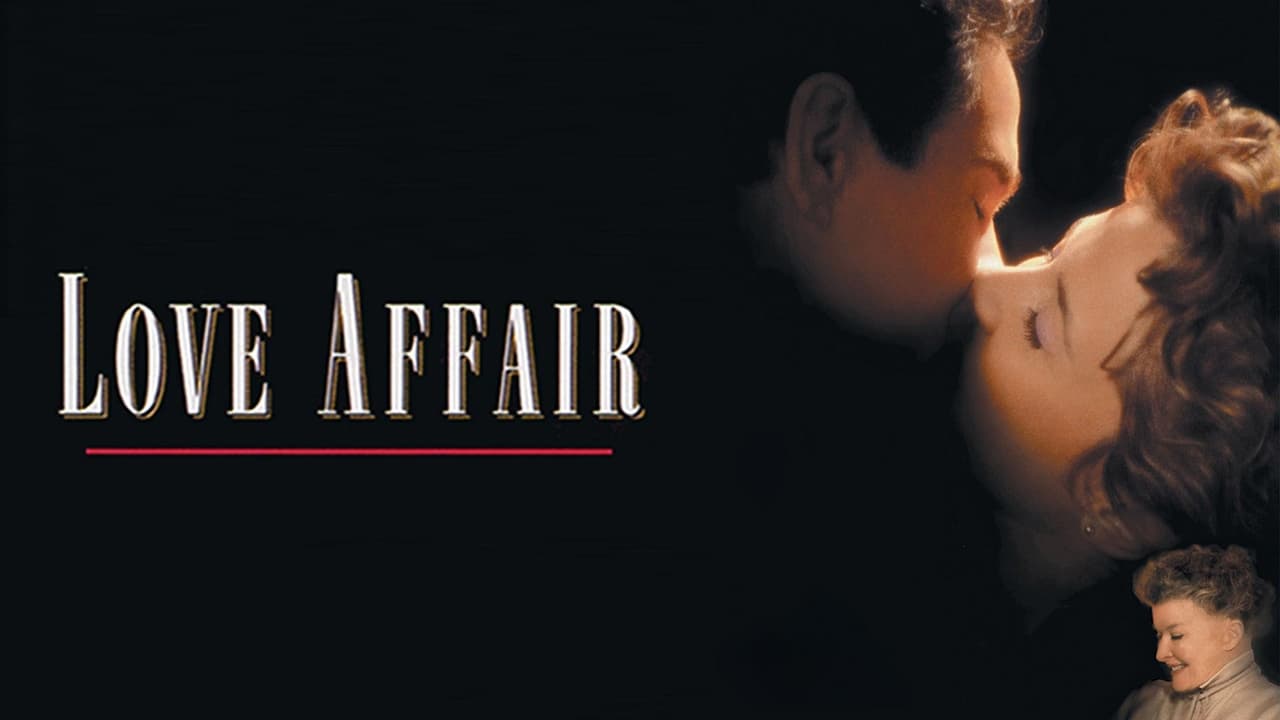
Rating: 6/10
The score reflects a film that is technically proficient, beautifully shot, and features strong performances (especially considering Hepburn's poignant contribution), but ultimately feels overshadowed by its predecessors and lacks a truly distinct emotional core. It’s a worthwhile watch for fans of the actors or those curious about this specific Hollywood moment, but it doesn't quite reach the heights it aims for.
What remains, perhaps, is the enduring power of the story itself – the bittersweet ache of missed connections and the enduring hope for love against the odds, served here with a side of late-career star wattage and one final, unforgettable screen legend.