It begins with a silence, doesn't it? Not the absence of sound, but the profound quiet that settles over a life hollowed out by grief. That's the space we enter with The Accidental Tourist, Lawrence Kasdan's 1988 adaptation of Anne Tyler's novel. In an era often remembered for its cinematic bombast – the explosions, the punchlines, the neon glow – here was a film that dared to be still, asking us to lean in and listen to the spaces between the words, the subtle shifts in posture that speak volumes. It felt different on the video store shelf, didn't it? Tucked away in 'Drama', promising something more introspective than the usual Friday night rental fare.
### A Fortress of Habit
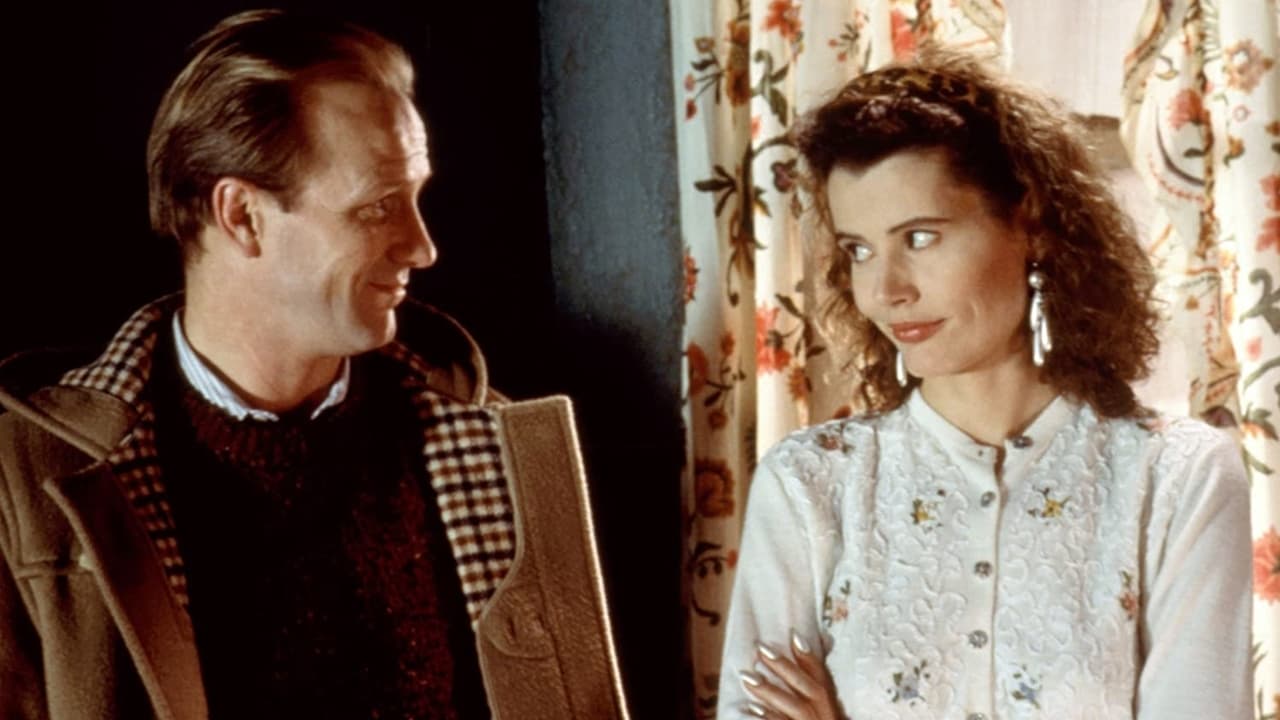
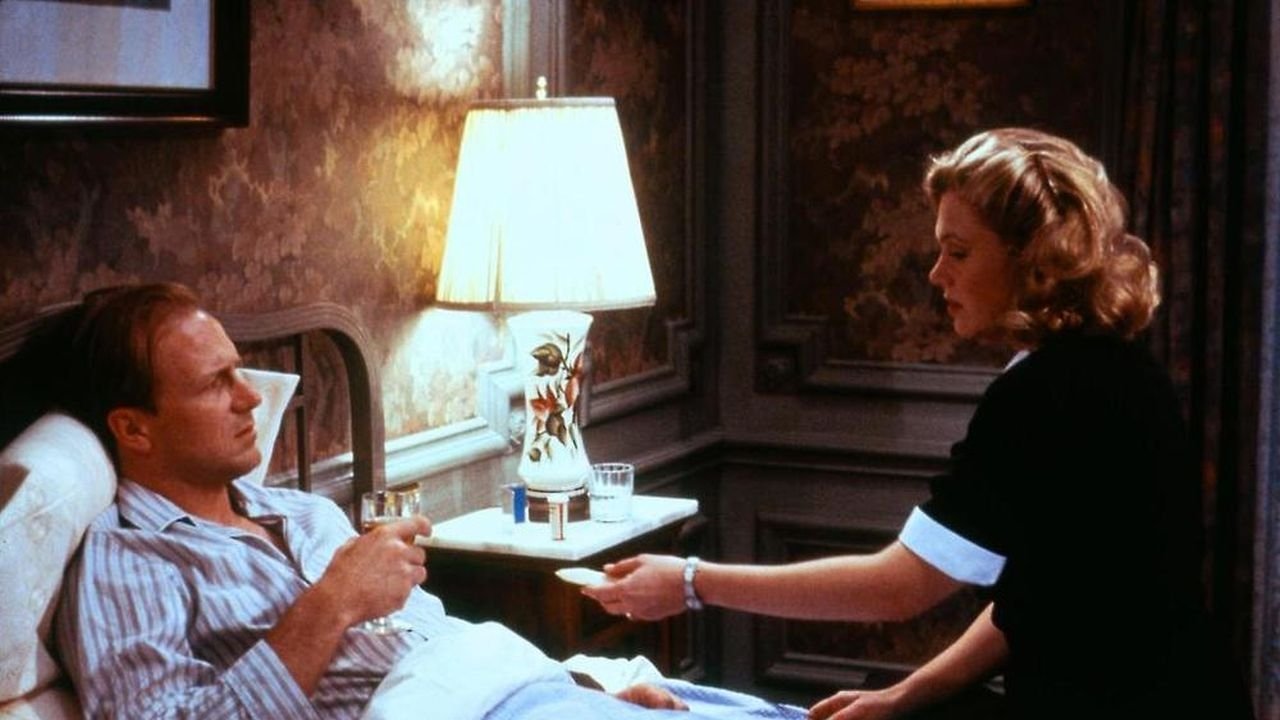
At the heart of this quietude is Macon Leary, portrayed with almost unnerving restraint by William Hurt. Macon writes travel guides for business people who actively dislike travelling, advising them on how to find American familiarity in foreign lands – a perfect metaphor for his own existence. After the senseless death of his young son, Macon has retreated so far into himself, into routines and meticulous control, that he seems barely present in his own life. Hurt embodies this emotional shutdown masterfully. It's not a showy performance; it's all internalised pain, visible only in the slump of his shoulders, the monotone delivery, the eyes that seem perpetually fixed on some distant, inaccessible point. Kasdan, reuniting with Hurt after their collaborations on the steamy Body Heat (1981) and the ensemble classic The Big Chill (1983), trusts his actor implicitly, letting the camera linger, forcing us to confront the uncomfortable reality of Macon's paralysis.
This wasn't just acting; it felt like witnessing a man trying to hermetically seal his own wounds. It’s a performance that requires patience from the viewer, mirroring the patience needed to navigate grief itself. How does one even begin to reconnect when the very act of feeling seems too dangerous?
### The Glorious Disruption
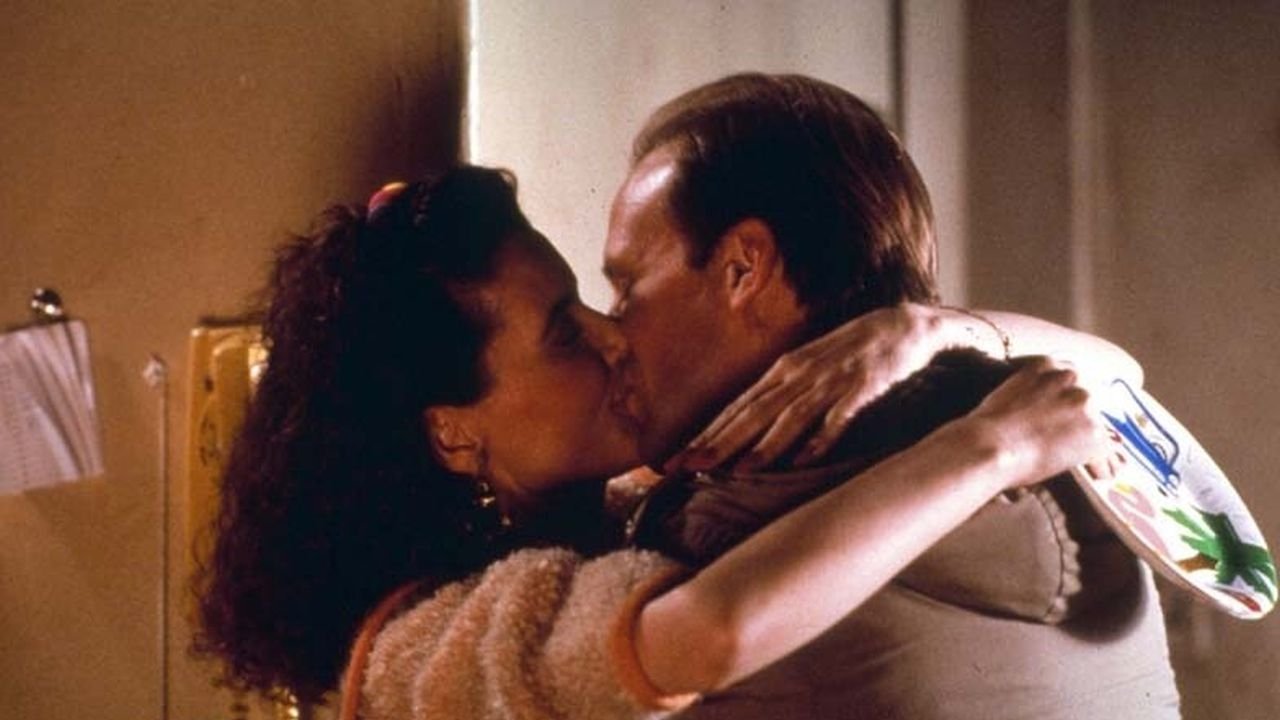
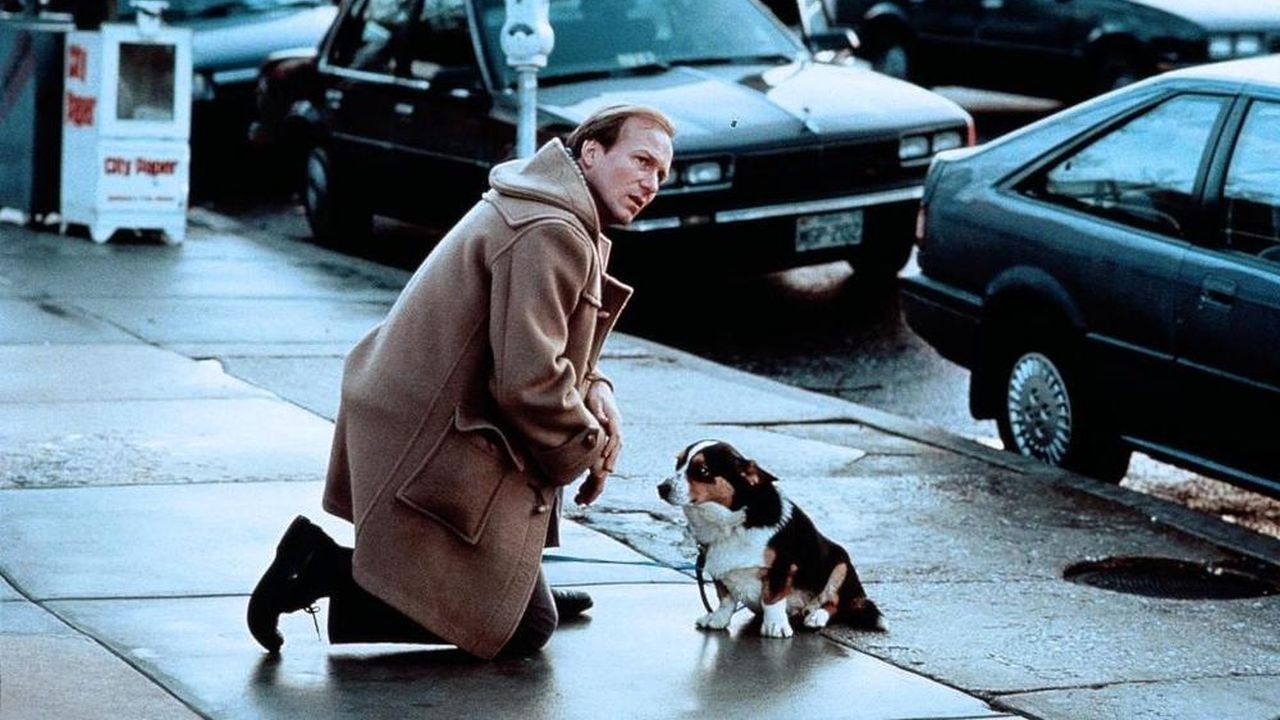
Then, into this meticulously ordered, beige-toned world bursts Muriel Pritchett, played with unforgettable, vibrant energy by Geena Davis in the role that rightly earned her an Academy Award for Best Supporting Actress. Muriel is everything Macon is not: impulsive, talkative, unpolished, gloriously alive, and utterly unconcerned with the suffocating propriety that defines Macon's world. She works at a kennel and offers to train Macon's unruly Corgi, Edward (a scene-stealer in his own right), but inevitably starts training Macon too.
Davis is simply electric. She finds the vulnerability beneath Muriel's quirky exterior, the loneliness that drives her almost aggressive friendliness. It would have been easy to play Muriel as a caricature, a 'manic pixie dream girl' before the term was coined, but Davis imbues her with such genuine warmth and oddball sincerity that she becomes the film's unexpected emotional anchor. One fascinating bit of trivia: Davis reportedly felt Muriel immediately upon reading the script, campaigning hard for the role. She understood that Muriel wasn't just quirky; she was a survivor navigating her own challenges, making her connection with the equally damaged Macon feel earned, not contrived. Her energy doesn't just disrupt Macon's life; it cracks the film itself open, letting light and air into its more somber corners.
### Choosing the Path Back
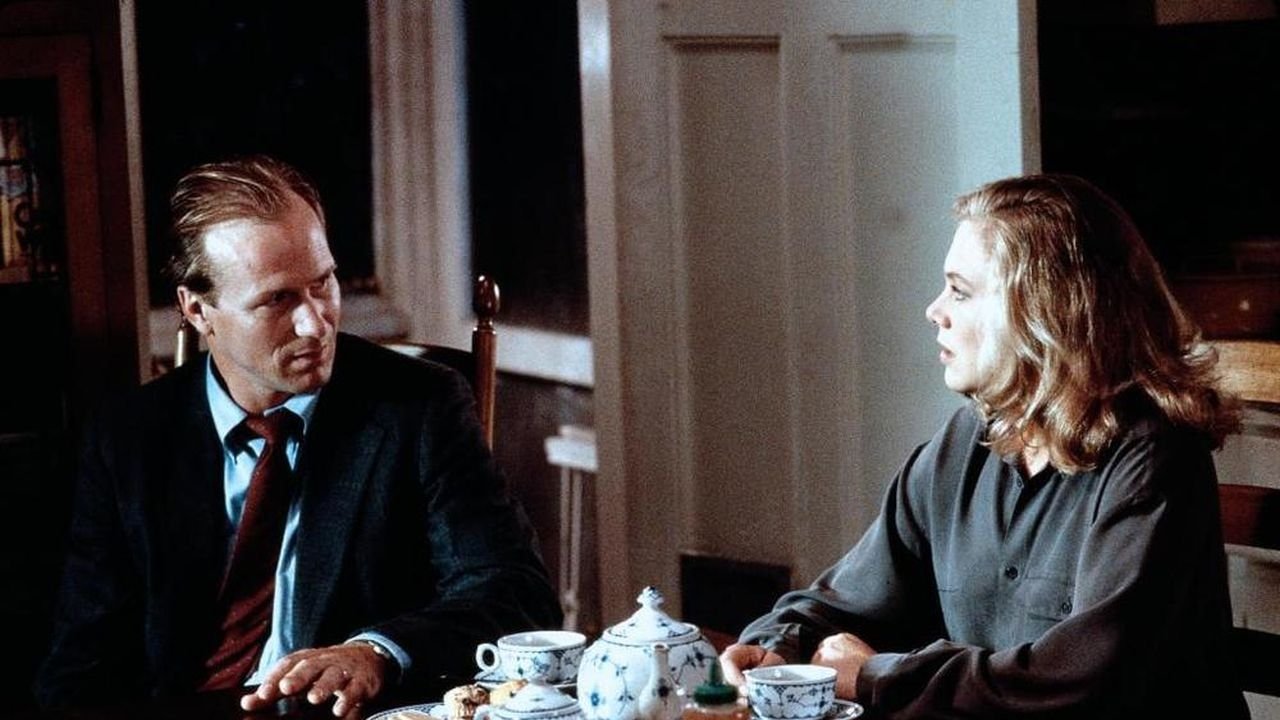
The film essentially becomes a quiet tug-of-war for Macon's soul. On one side is the chaotic, unpredictable, but ultimately life-affirming pull of Muriel. On the other is the familiar, shared grief and history with his estranged wife, Sarah, played with subtle grace by Kathleen Turner. Turner, often known for more assertive roles like in Body Heat or Romancing the Stone (1984), delivers a beautifully understated performance here, portraying a different kind of brokenness – one quieter than Muriel's but just as profound. The scenes between Hurt and Turner are heavy with unspoken history, the ghosts of laughter and loss hanging in the air.
Kasdan, who also co-wrote the screenplay with Frank Galati, navigates these complex emotional currents with a steady hand. He never rushes Macon's tentative steps towards reconnection, allowing the narrative to unfold with the same deliberate, sometimes hesitant pace as life itself. Filmed largely on location in Baltimore, the setting feels authentic, a backdrop of ordinary streets and houses against which these extraordinary emotional journeys play out. Complementing this is a score by the legendary John Williams, surprisingly gentle and melancholic, a far cry from his iconic adventure themes, perfectly capturing the film's introspective mood.
### A Quiet Gem From the Shelf
Watching The Accidental Tourist again now, decades after pulling that VHS tape from the shelf, its power hasn't diminished. If anything, its exploration of grief, isolation, and the courage it takes to open oneself up to love and potential pain feels even more resonant. It wasn't a massive blockbuster – earning a respectable $32.6 million against its estimated $12-14 million budget – but its critical acclaim, including four Oscar nominations (Picture, Adapted Screenplay, Supporting Actress, Score), cemented its place as a standout adult drama of the late 80s. It’s a film that trusts its audience, refusing easy answers or neat resolutions.
It reminds us that sometimes the biggest adventures aren't about traversing continents, but about navigating the treacherous landscapes of the human heart. What does it truly mean to heal? Can we ever fully shed the baggage of our past, or do we simply learn to carry it differently, perhaps with someone unexpected walking beside us?
Rating: 8.5/10
This score reflects the film's exceptional performances, particularly Hurt's profound stillness and Davis's luminous energy, Kasdan's sensitive direction, and its thoughtful, unflinching exploration of grief and connection. It avoids melodrama, achieving a rare emotional honesty. While its deliberate pacing might test some viewers, it's integral to the story's impact.
The Accidental Tourist remains a poignant, beautifully crafted film that stays with you, a quiet reminder that sometimes the most meaningful journeys are the ones we never planned to take.