## The Uncomfortable Truth in the Living Room

Sometimes, a film arrives with such quiet force it rearranges the furniture in your mind. Luis Mandoki's When a Man Loves a Woman (1994) was one such arrival on the home video scene. It wasn't the explosions or the high-concept laughs dominating the rental shelves back then. Instead, it offered something far more unsettling and, ultimately, more resonant: an unflinching look at the devastating impact of alcoholism not just on the individual, but on the intricate ecosystem of a family. I remember sliding that tape into the VCR, perhaps expecting a more conventional romantic drama given its stars, only to be confronted with a story raw with uncomfortable truths.
Beyond the Romantic Glow
The film introduces us to Alice and Michael Green (Meg Ryan and Andy Garcia), a San Francisco couple seemingly blessed with a loving marriage, two adorable daughters, and professional success. He's a pilot, she's a school counselor. From the outside, it’s the picture of 90s upper-middle-class comfort. But beneath the surface, Alice is drowning in alcoholism, her addiction a secret slowly poisoning their lives. The film’s power lies in its refusal to glamorize or simplify this reality. Mandoki opts for intimacy, often framing scenes within the confines of their home, making the escalating tension feel almost claustrophobic. There are no easy villains here, just people caught in the terrifying grip of a disease and the complex web of codependency that often surrounds it.

A Profile in Courage: Ryan and Garcia
This film rests heavily on the shoulders of its leads, and both deliver career-highlight performances. For Meg Ryan, America's reigning queen of romantic comedy after hits like When Harry Met Sally... (1989) and Sleepless in Seattle (1993), playing Alice was a courageous departure. She strips away the effervescent charm to reveal a terrifying vulnerability. Ryan doesn't shy away from the ugliness of addiction – the deceit, the blackouts, the explosive anger, the crushing self-loathing. There's a scene involving a shower that remains profoundly disturbing in its depiction of hitting rock bottom. It’s a performance devoid of vanity, raw and utterly convincing. You see the desperate fight within Alice, the flicker of the woman she wants to be warring with the compulsions she can't control.
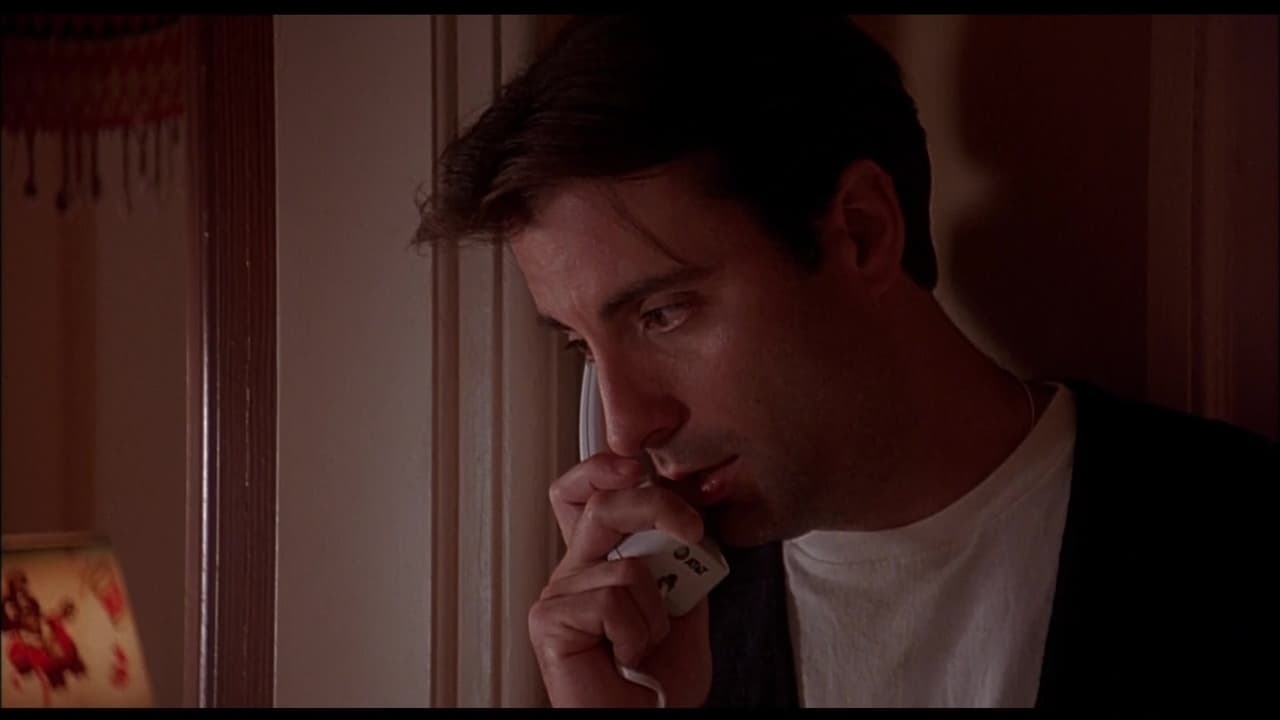
Equally compelling is Andy Garcia as Michael. His journey is, in many ways, just as central to the film's message. Michael is the devoted husband, the "good guy," but his love manifests as enabling. He cleans up Alice’s messes, makes excuses, and tries desperately to maintain the facade of normalcy. Garcia portrays Michael’s confusion, frustration, and deep, aching love with a quiet intensity. His struggle to understand that he cannot fix Alice, that his attempts to control the situation are part of the problem, is heartbreakingly real. The film wisely shows that recovery isn't just about the addict getting sober; it's about the entire family system learning new, healthier ways to function and relate. Remember Lauren Tom, so good as the observant and compassionate babysitter, Amy, offering another perspective on the unfolding chaos?


Truth in the Writing
The script, penned by Ronald Bass (who won an Oscar for Rain Man (1988), another study of complex human connection) and, perhaps surprisingly to some, Al Franken, achieves a remarkable authenticity. Franken, drawing from his own experiences with Al-Anon (support groups for families of alcoholics), infused the screenplay with nuanced observations about codependency and the recovery process. This wasn't just research; it felt lived-in. It explains why Michael’s journey, his attendance at support meetings, and his eventual, painful realization of his own part in the dynamic, feels so earned and true-to-life. The film doesn't offer neat resolutions or sudden cures. Instead, it portrays recovery as a continuous, difficult process of rebuilding trust and redefining love, moment by painful moment.
A Different Kind of 90s Drama
Released in a decade often defined by cynicism or spectacle, When a Man Loves a Woman stood out for its earnestness and emotional weight. It wasn't a massive blockbuster – earning a respectable $50 million domestically against its $30 million budget – but its impact was felt more deeply by those who connected with its challenging themes. It was the kind of film you discussed afterwards, the kind that sparked conversations about relationships and struggles often kept behind closed doors. It reminded us that sometimes the most profound dramas unfold not on battlefields or in outer space, but within the intimate confines of a marriage, within the landscape of the human heart grappling with its own fragility.
Rating: 8/10
This film earns its high marks for the exceptional, vulnerable performances by Meg Ryan and Andy Garcia, and its refreshingly honest, non-sensationalized portrayal of addiction and codependency within a family unit. While the pacing occasionally mirrors the slow, arduous nature of recovery itself, its emotional authenticity and the bravery of its leads make it a standout drama from the era.
It’s a film that stays with you, not for thrilling plot twists, but for the quiet, aching question it leaves hanging in the air: How do we truly love someone through their darkest struggles, not by trying to save them, but by finding the strength to support their own fight for survival?