Alright VHS Heads, dig this one out from the back of the shelf – maybe it’s got a slightly faded, hand-written label, or maybe you just remember the slightly scandalous-looking cover art. We're diving into a slice of 80s Argentinian cinema that, while perhaps not a household name stateside, was an absolute phenomenon down south: Carlos Galettini’s 1985 comedy (often cited as '84, but officially hitting screens in Jan '85) El Telo y la Tele, which translates roughly, and amusingly, to The Love Hotel and the Television. Forget explosions for a minute; this is a different kind of retro ride.

### Finding Gold Beyond Hollywood
Sometimes the real magic of the video store era wasn't just re-renting Die Hard for the tenth time, but stumbling onto something completely unexpected. Maybe the cover caught your eye, maybe it was the only thing left in the comedy section on a Saturday night. El Telo y la Tele is exactly that kind of find – a film brimming with a specific kind of 80s energy, albeit one filtered through a distinctly Argentinian lens. If you ever picked this up, perhaps on a whim via a dusty grey-market tape, you were in for a unique treat. This wasn't your typical slick Hollywood farce; it felt… different. More grounded, maybe a bit cheekier?
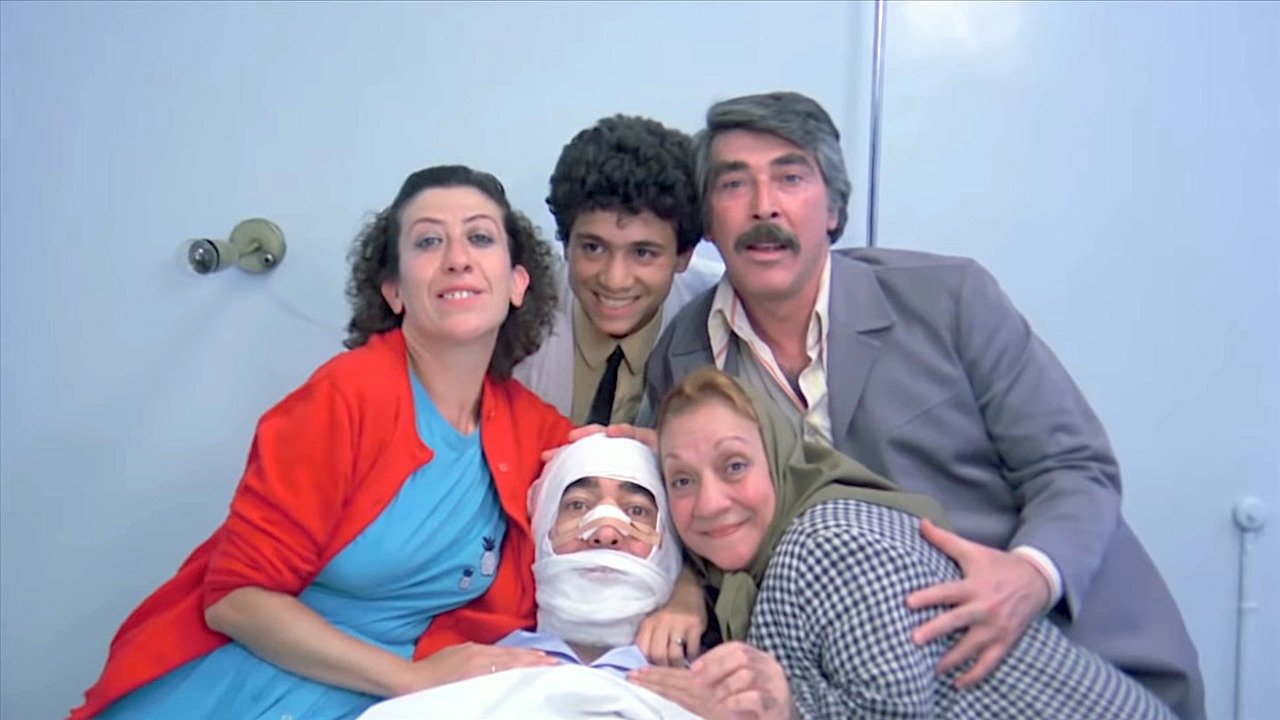
The premise itself is pure 80s sitcom-meets-bedroom-farce: a down-on-his-luck television director (played by the legendary Argentinian comedian Juan Carlos Calabró) hatches a wild scheme. He decides to install hidden cameras in a telo – one of those pay-by-the-hour motels ubiquitous in Argentina – and broadcast the unsuspecting couples' escapades live on a clandestine TV channel. What could possibly go wrong?
### Titans of Tango-Land Comedy
Now, if you’re not familiar with Argentinian entertainment, the casting here might not immediately resonate, but trust me, this was like getting Bill Murray and Goldie Hawn together for a similar concept in the US at the time. Juan Carlos Calabró was a comedic institution, beloved for his characters and timing. Paired with him is the luminous Susana Giménez, already a massive star transitioning from film to becoming arguably the most famous television host in the Spanish-speaking world. Their chemistry is palpable, grounding the increasingly absurd situations. Seeing them navigate this plot is the film's core joy.
And keep your eyes peeled for a supporting role from a much younger Guillermo Francella! Long before his Oscar-winning turn in The Secret in Their Eyes (2009) or his own legendary comedic career in Argentina, Francella pops up here, showcasing early glimpses of the charisma that would make him a superstar. Finding recognizable faces in their early, formative roles is always a highlight of digging through these VHS-era gems, isn't it? It adds another layer to the viewing experience.

### That 80s Comedic Vibe
Directed by Carlos Galettini, who helmed several popular Argentinian comedies during this period, the film leans into what's known locally as comedia picaresca – broad, sometimes risque, situational humor often involving everyday people in slightly scandalous situations. It’s not subtle, often relying on double entendres, mistaken identities, and frantic pacing as Calabró’s scheme inevitably unravels. The humor feels very specific to its time and place – think less witty banter, more door-slamming farce and exaggerated reactions.
You won't find mind-blowing practical effects here, obviously, but the production feels authentically 80s. The slightly grainy film stock, the interior decor of the telo (which looks exactly like you'd imagine), the fashions – it all screams mid-80s Buenos Aires. It's a time capsule captured on celluloid (or, more likely for us, magnetic tape!). Remember how foreign films sometimes had that slightly different look and sound quality on VHS? This has that vibe, adding to the nostalgic charm.
This movie wasn't just a minor release; it was reportedly a massive box office success in Argentina in 1985, tapping into the cultural zeitgeist and becoming one of the year's biggest domestic hits. Audiences flocked to see two of their biggest stars in a relatable, funny, and slightly naughty scenario. Critics might have been mixed, as is often the case with broad comedies, but the public absolutely ate it up.
### Still Worth Plugging In?
So, does El Telo y la Tele hold up? As a piece of action cinema, it obviously doesn't apply. But as a cultural artifact and a specific brand of 80s comedy? Absolutely. It’s funny in a broad, accessible way, even if some nuances are culture-specific. The performances from the leads are genuinely charming, and seeing Francella early in his career is a definite bonus. It captures that feeling of discovering something slightly off the beaten path, a reminder that hilarious and popular films were being made all over the world during the VHS boom.
It might feel dated in places, sure – the pacing, the style of humor, the gender dynamics are all very much of their time. But approached with the right mindset, as a warm look back at a different kind of 80s hit, it’s an enjoyable romp.
VHS Heaven Rating: 6.5/10
Justification: While not a laugh-a-minute riot for everyone today, its status as a massive Argentinian hit, the charm of its legendary leads (Calabró & Giménez), the fun of spotting Francella, and its perfect encapsulation of a specific time and place in comedy make it a worthwhile discovery for the adventurous retro film fan. It loses points for humor that might feel broad or dated to modern international audiences, but gains them back for sheer nostalgic curiosity and cultural significance.
Final Take: Forget the blockbusters for a night; El Telo y la Tele is the kind of film that reminds you why browsing those dusty video store shelves often yielded unexpected, uniquely charming treasures from halfway around the world. A warm, fuzzy, slightly voyeuristic slice of 80s Argentinian fun.