Alright, fellow tapeheads, let's rewind to a time when action movies felt genuinely dangerous, the dialogue crackled with unfiltered attitude, and comedy could land like a punch to the gut right alongside the actual punches. Pull up a beanbag chair, adjust the tracking, because tonight on VHS Heaven, we're diving headfirst into the gritty, glorious chaos of Walter Hill's 1982 game-changer: 48 Hrs.
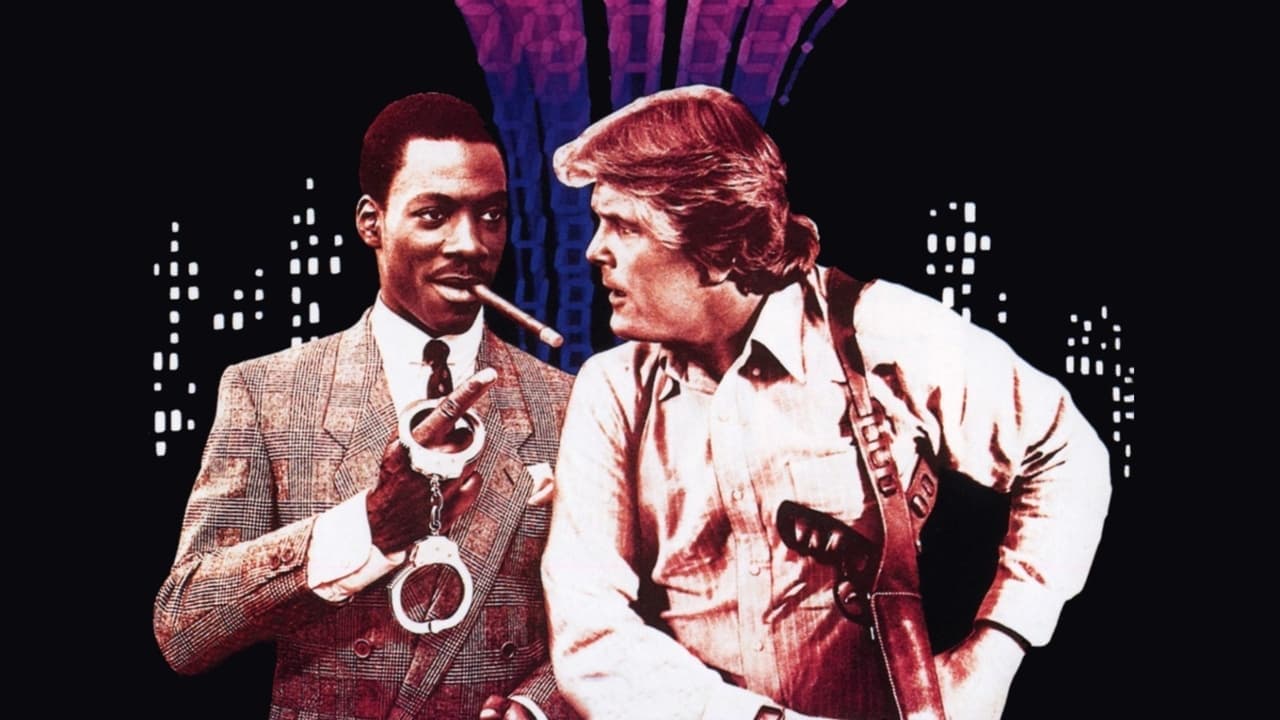
Forget the slick, polished buddy pairings that came later. This movie invented the modern template, dragged it through the mud and rain-slicked streets of San Francisco, and did it with a snarl. The premise hits you like a shot of cheap whiskey: grizzled, hungover cop Jack Cates (Nick Nolte, looking like he gargled gravel for breakfast) needs fast-talking, sharp-dressed convict Reggie Hammond (Eddie Murphy in a seismic feature film debut) out on a 48-hour pass to track down Reggie's escaped, psychotic former partner (the always menacing James Remar) and his equally unhinged associate (David Patrick Kelly – yes, Luther from Hill's own The Warriors!). What could possibly go wrong?
### Oil and Water, Dynamite and a Match
The absolute core of 48 Hrs., the reason it still electrifies decades later, is the volatile chemistry between its leads. Nolte embodies the burnt-out, seen-it-all detective trope but injects it with such raw, physical weariness you can almost smell the stale coffee and desperation. He is Jack Cates. And then there's Murphy. It's hard to overstate just how explosive his arrival was. Fresh off Saturday Night Live, he doesn't just steal scenes; he hijacks the entire movie with that million-dollar smile, lightning-fast wit, and an underlying current of intelligence and danger. Remember that iconic bar scene where Reggie impersonates a cop? Pure comedic genius erupting in a genuinely tense situation. It's fascinating to know that the studio, Paramount Pictures, was reportedly nervous about this scene and even wanted it cut! Thank goodness Hill stood his ground.
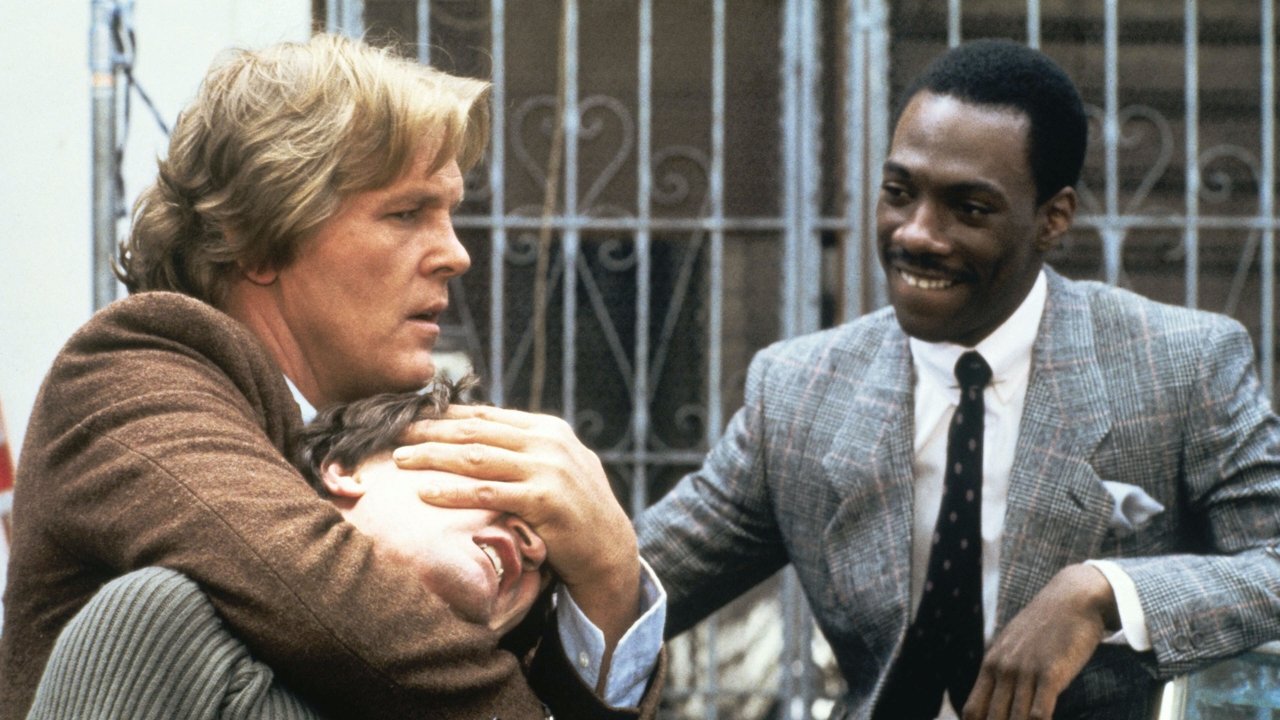
Interestingly, the friction between Cates and Hammond wasn't entirely fictional. Reports from the set often mention tension between Nolte and the young Murphy, stemming perhaps from different working styles or maybe just the inherent conflict baked into their characters. Whatever the cause, it translates into pure on-screen gold, making their eventual, begrudging respect feel earned. It wasn't always destined to be these two, either; names like Clint Eastwood, Mickey Rourke, and Richard Pryor were floated for roles at various stages. Can you even imagine?
### Gritty Streets and Real Explosions
Walter Hill, who also gave us stone-cold classics like The Driver (1978) and Southern Comfort (1981), brings his signature muscular, minimalist style. Forget fancy crane shots and elaborate slow-motion. Hill's action is blunt, brutal, and feels terrifyingly real. When bullets fly in 48 Hrs., they hit. Those squibs – the little explosive charges used to simulate bullet impacts on actors – feel visceral, messy, almost shocking compared to the cleaner digital blood splatters we often see today. Remember the shootout in the hotel near the beginning? It’s chaos – shattering glass, muzzle flashes lighting up the dark rooms, a sense of genuine panic.
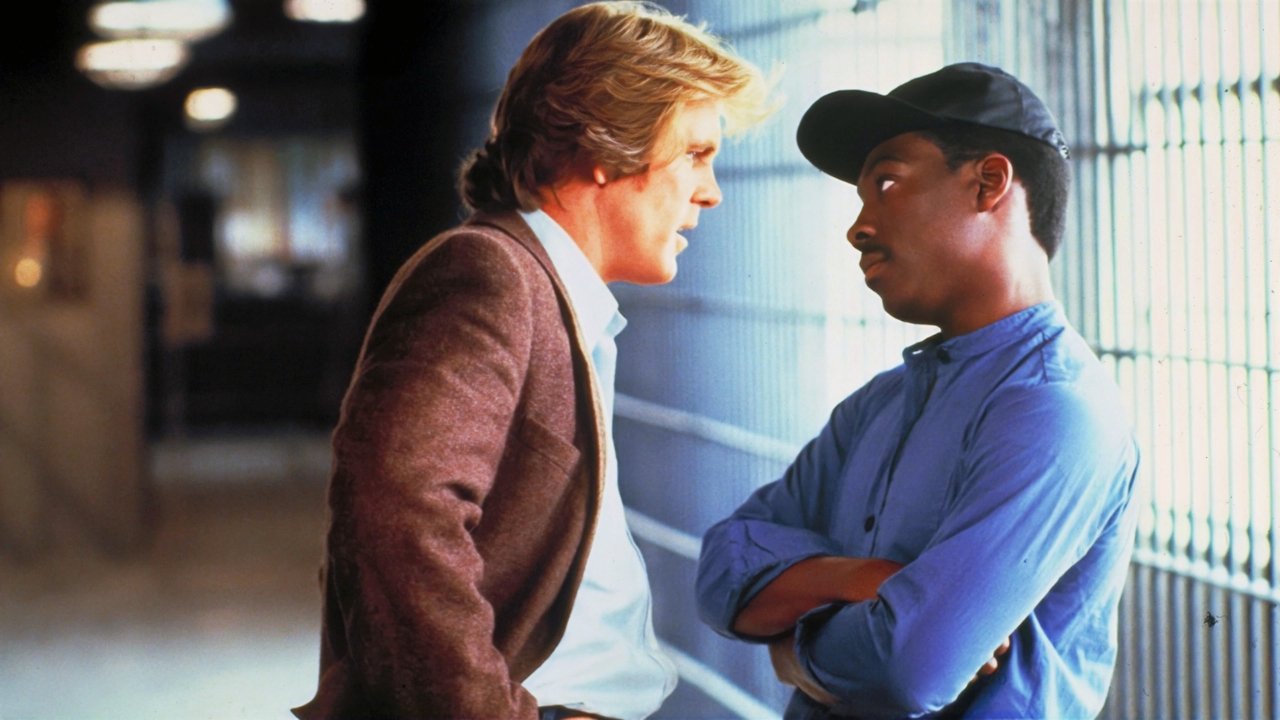

The car chases, particularly the bus sequence, have that glorious weight and destruction unique to the practical effects era. You see actual metal crunching, feel the impact as vehicles slam into each other. There's a bus plowing through cars like they're tin cans – no CGI trickery, just pure, orchestrated mayhem performed by incredible stunt teams. It feels dangerous because it was dangerous. The film, shot on location in San Francisco and Los Angeles, uses the urban landscape perfectly, making the city itself feel like a character – gritty, unforgiving, and indifferent.
### More Than Just Laughs and Gunfire
While rightfully celebrated for launching Murphy's film career and perfecting the buddy-cop formula, 48 Hrs. wasn't afraid to be dark. The villains, Ganz and Billy Bear, are genuinely nasty pieces of work with no redeeming qualities. The violence is sudden and harsh, reminding you that beneath the witty banter, the stakes are deadly serious. This blend was revolutionary for its time. The script itself went through numerous writers, including Larry Gross, Steven E. de Souza (who'd later pen Die Hard), and Hill himself, polishing it into the lean, mean machine we see on screen. It tackled racial tensions head-on, albeit through the lens of insults and confrontation, in a way few mainstream films dared to at the time.
It’s also worth noting the contribution of James Horner’s score – that steel drum motif instantly evokes the film’s unique urban vibe, a slightly off-kilter sound that perfectly complements the action and the uneasy alliance at its center. And let's not forget Annette O'Toole as Cates's exasperated but tough girlfriend, holding her own amidst the testosterone.
The film was a solid hit back in '82, pulling in over $78 million on roughly a $12 million budget (that's like making over $240 million today – not bad!), proving audiences were hungry for this kind of high-wire act balancing laughs and lethal action. It paved the way for countless imitators, but few captured that raw, unpredictable energy.
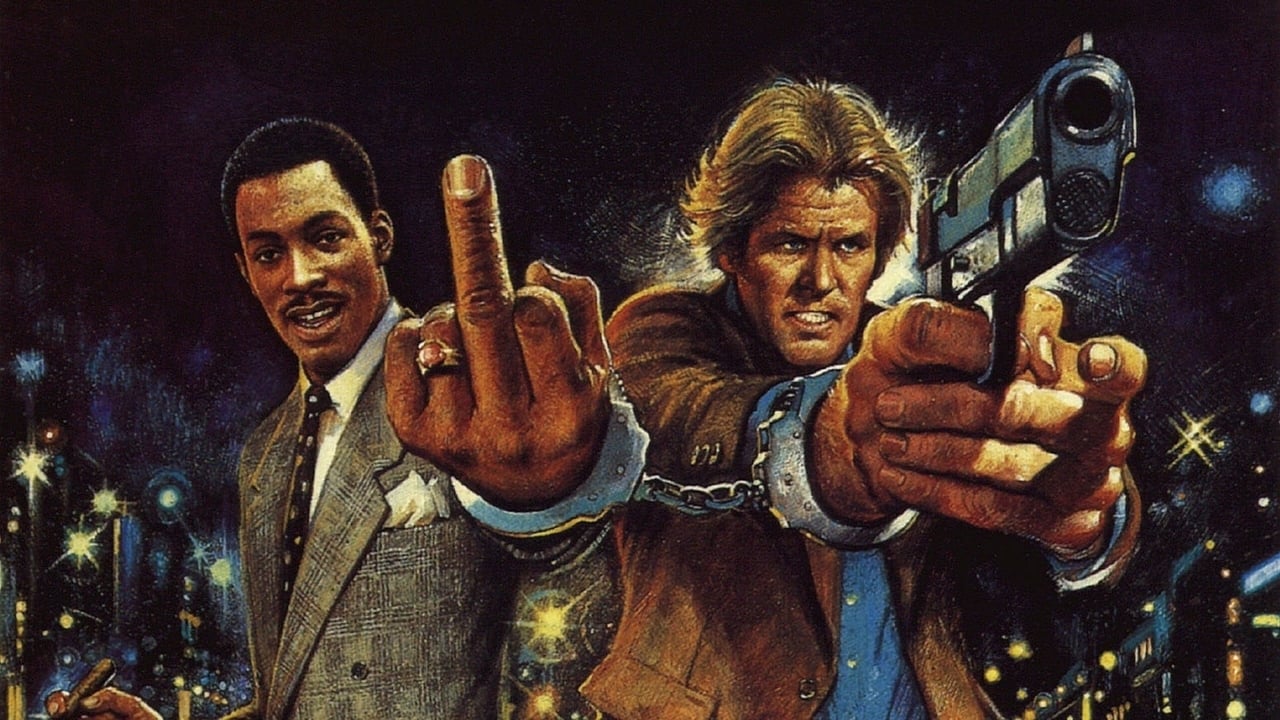
VHS Heaven Rating: 9/10
48 Hrs. earns this high score for its groundbreaking star-making turn from Eddie Murphy, Nick Nolte's career-defining grit, Walter Hill's masterful direction of raw action, and its undeniable influence on the entire action-comedy genre. It feels perfectly of its time – rough around the edges, politically incorrect by today's standards, maybe – but its core components are timeless: fantastic chemistry, thrilling practical stunts, and dialogue that snaps.
Final Rewind: This isn't just a movie; it's a time capsule containing the exact moment the buddy-cop movie got dangerous and funny. Pop that tape in (or stream it, fine) – the sparks still fly.