There's a certain kind of quiet ambition that blossoms in the spaces between adolescence and whatever comes next. It’s often tinged with naiveté, fueled by dreams that seem wildly out of sync with the surrounding reality. Watching Breaking Away again, after all these years, feels like revisiting that fragile, hopeful space. It doesn't hit you over the head; instead, it drifts in, like the sound of Rossini carried on a summer breeze across the Indiana limestone quarries.
### Of Cutters and College Kids
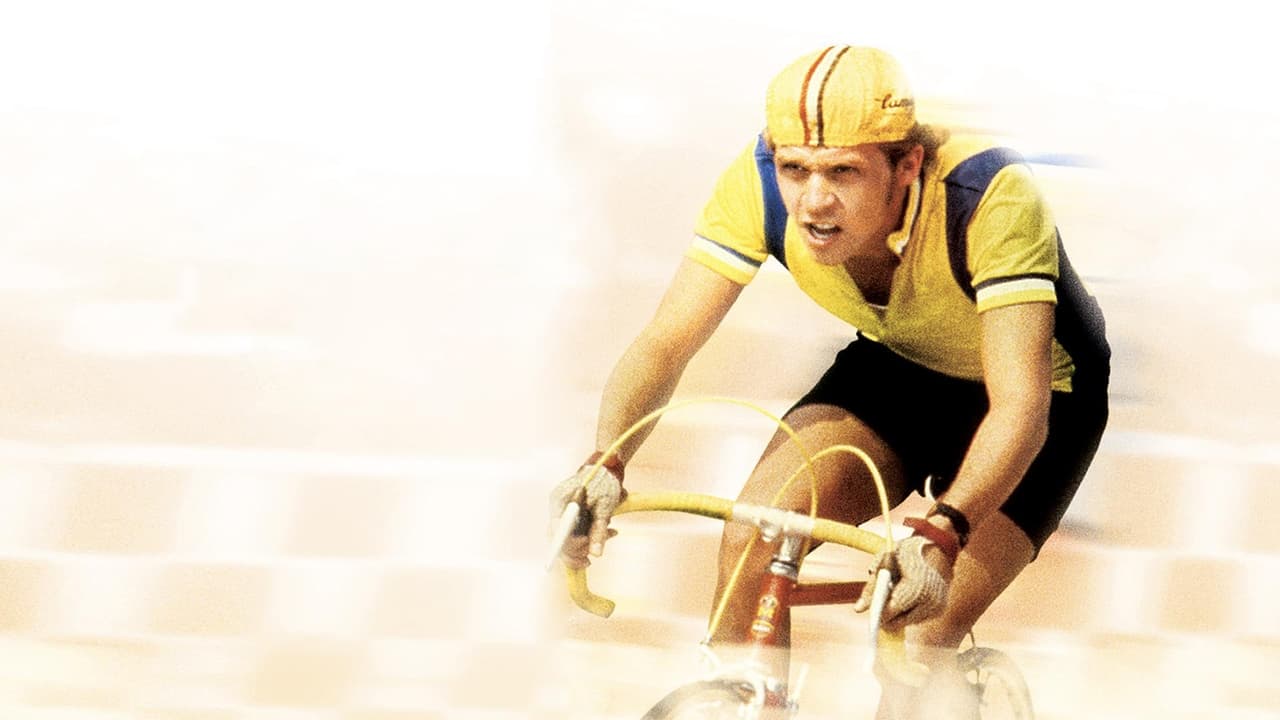
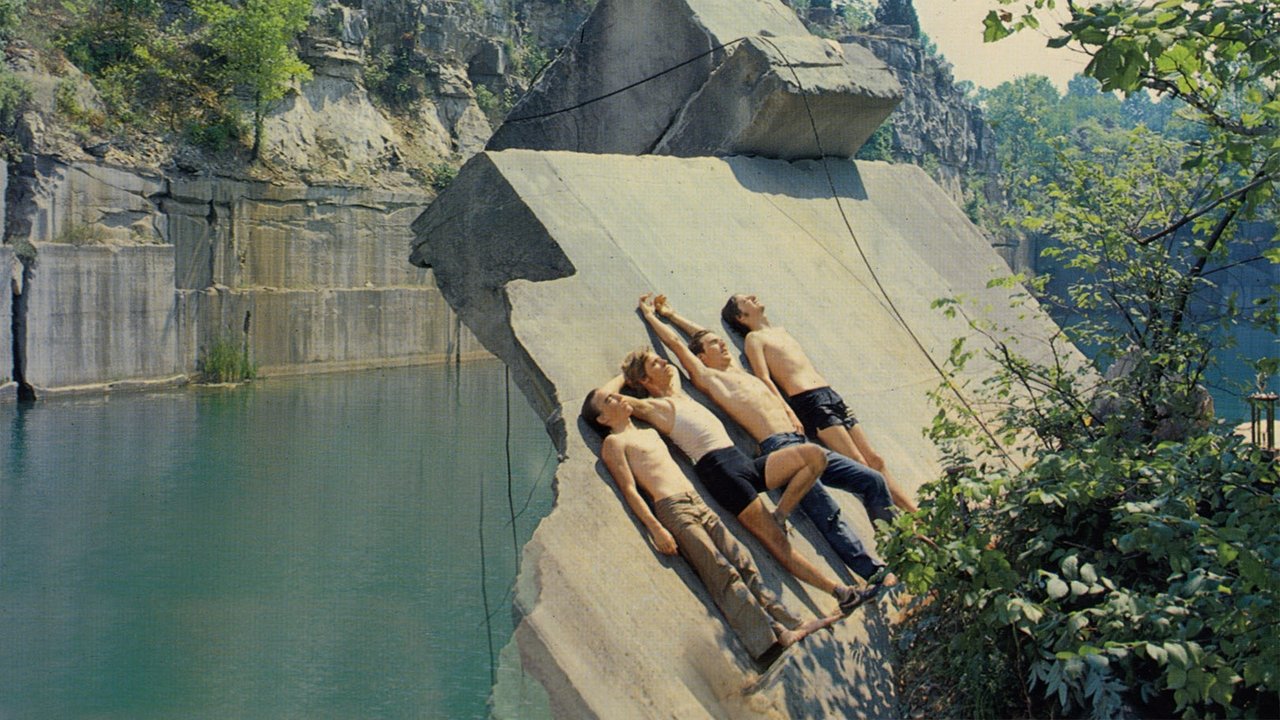
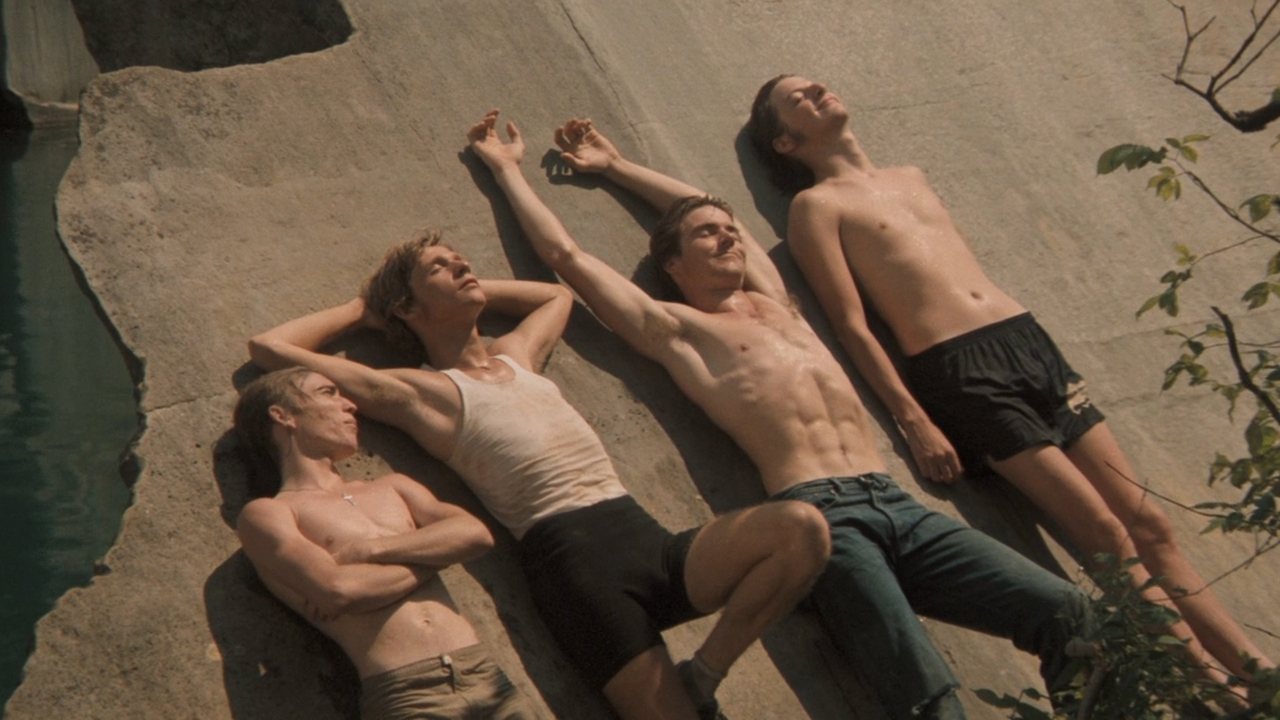
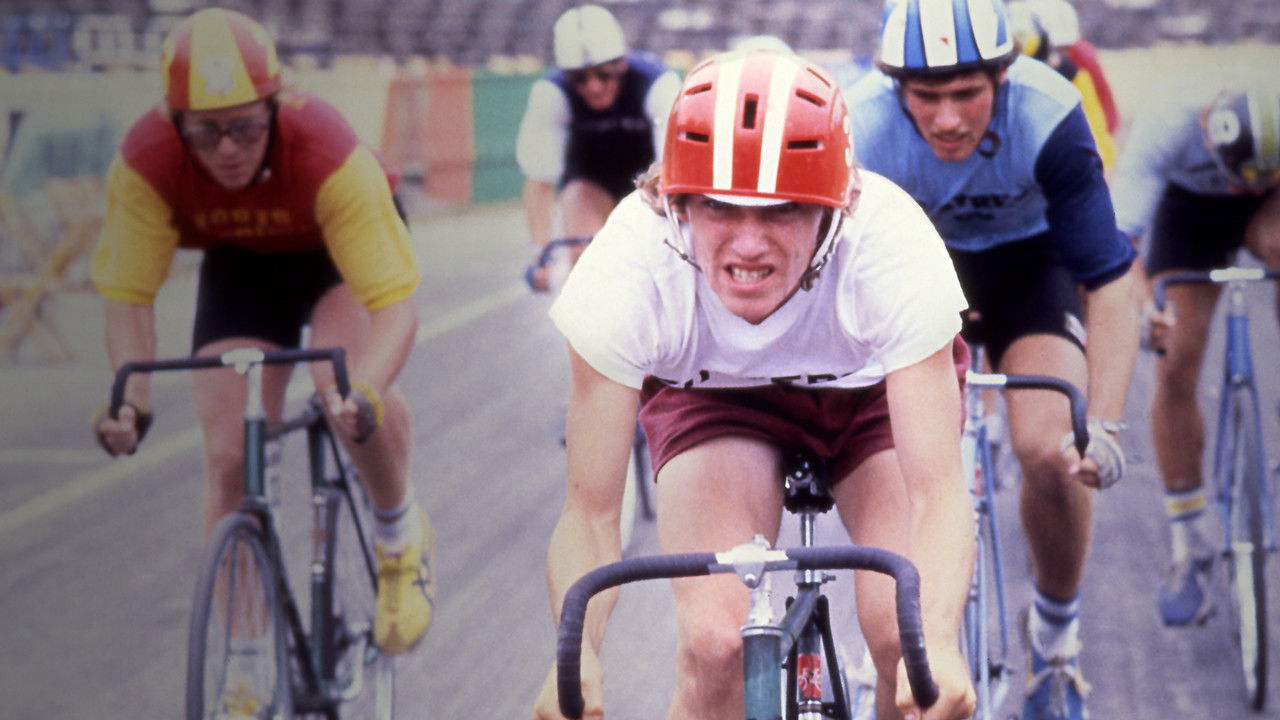
Set against the backdrop of Bloomington, Indiana – home to Indiana University – the film introduces us to four working-class friends just graduated from high school, unsure of their paths. They call themselves "Cutters," a local term for townies whose families often worked in the now-declining limestone quarries that built the opulent university they feel excluded from. Dave Stohler (Dennis Christopher) is obsessed with Italian cycling, adopting the accent, the mannerisms, the food, much to the utter bewilderment of his salt-of-the-earth father (Paul Dooley, in a performance that’s both hilarious and heartbreakingly real). His friends – the pragmatic former quarterback Mike (Dennis Quaid), the wryly self-deprecating Cyril (Daniel Stern), and the determinedly shorter Moocher (Jackie Earle Haley) – share his sense of aimlessness, hanging out at the quarry, wondering what life holds beyond Bloomington.
What makes Breaking Away resonate so deeply, even decades later, isn't just its underdog sports narrative, though the climactic Little 500 bicycle race is genuinely thrilling. It’s the film's profound understanding of class dynamics and the quiet desperation of feeling stuck. Screenwriter Steve Tesich, who actually attended Indiana University and drew inspiration from real events (including a cycling team's victory), won a richly deserved Academy Award for his screenplay. He captures the subtle, and sometimes not-so-subtle, ways the "Cutters" are looked down upon by the university students, crafting dialogue that feels utterly authentic to these characters and their frustrations.
### Finding Yourself Through Others
Dennis Christopher is captivating as Dave. His immersion in Italian culture isn't just a quirk; it's a desperate attempt to be someone, anyone, other than just another Cutter from Bloomington. It’s a shield and a dream rolled into one. His efforts to woo a university girl (Katherine, played by Robyn Douglass) by pretending to be an Italian exchange student are both funny and poignant, revealing the lengths we sometimes go to escape our perceived limitations. The supporting cast is equally strong; seeing Quaid, Stern, and Haley here, so young and already hinting at the talent they possessed, is a joy. They embody that specific brand of intense, almost suffocating, teenage friendship where loyalty is everything because the outside world feels so alienating.
And then there's the family dynamic. The scenes between Dave and his father are pure gold. Paul Dooley as Ray Stohler, a former stone cutter turned used car salesman, just cannot fathom his son's obsession. His exasperated cries of "Refund?! REFUND?!" when confronted with Dave's Italian affectations, or his attempts to connect through decidedly American means ("He's never tired. He's never miserable."), are perfectly pitched. Yet beneath the bewilderment lies a deep, protective love. Barbara Barrie as Dave’s mother, Evelyn, provides the gentle, understanding counterpoint, trying to bridge the gap between her husband's pragmatism and her son's dreams. Their interactions feel lived-in, a truthful portrayal of parental confusion and unwavering support.
### The Poetry of the Pedal
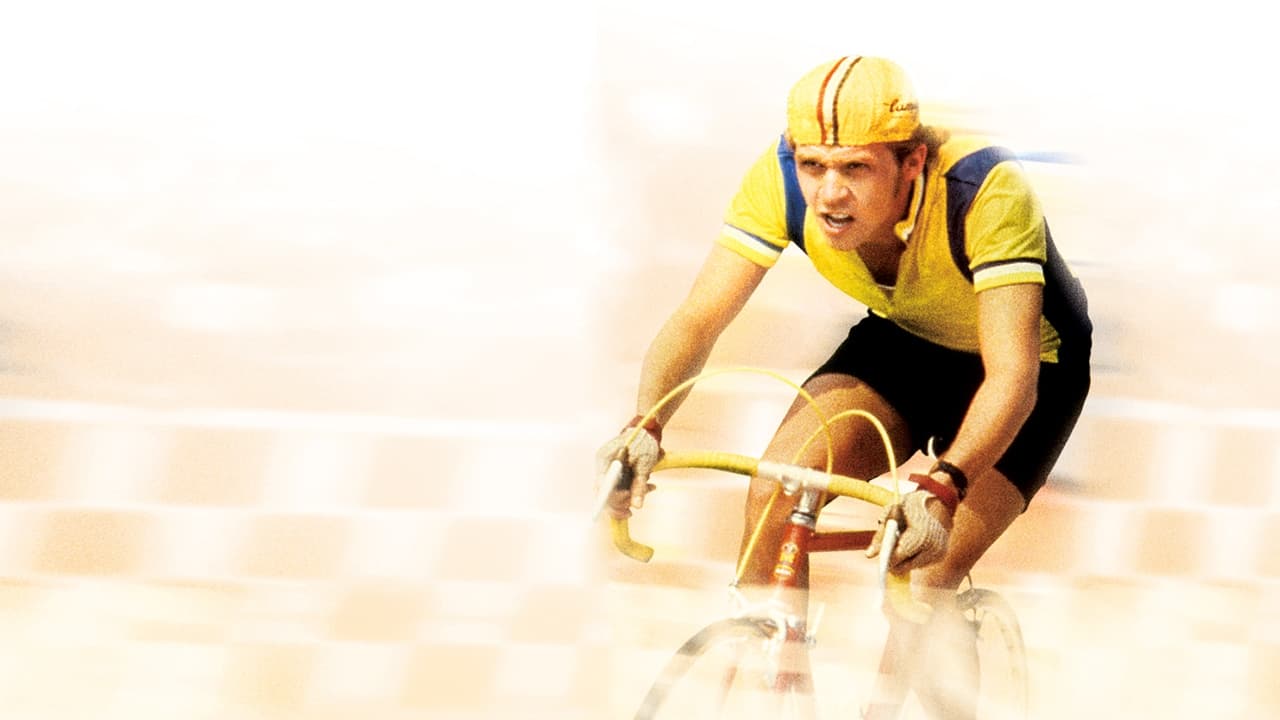
Director Peter Yates, perhaps better known for action fare like Bullitt or underwater adventures like The Deep, demonstrates a wonderfully sensitive touch here. He lets the story breathe, capturing the lazy summer days, the shimmering heat off the asphalt, and the liberating feeling of cycling through the Indiana countryside. The cycling sequences themselves are beautifully shot, emphasizing not just the physical exertion but the almost spiritual escape Dave finds on his bike. The use of classical music, particularly Mendelssohn during the Little 500, elevates the race beyond mere sport into something almost mythical – a battle for pride, identity, and a place in the world. It wasn't a massive budget film, relying instead on character, place, and Tesich's superb script – a reminder that storytelling often shines brightest without excessive bells and whistles.
### Why It Still Rides High
Breaking Away didn't explode at the box office initially, but it found its audience, becoming a beloved classic and a staple on television and, yes, on well-loved VHS tapes passed between friends. My own tape was practically worn thin from repeated viewings back in the day. It captured something true about that post-high school drift, that yearning for something more, even if you don't know what 'more' is. It speaks to the universal anxieties of finding your place, the importance of friendship when you feel like an outsider, and the often-complicated love within families.
It avoids easy answers. The ending isn't about suddenly solving all their problems, but about finding a measure of self-respect and taking a tentative step forward. Doesn't that feel more honest than a neat, tidy resolution? It's a film full of heart, humor, and quiet wisdom.
Rating: 9/10
Justification: Breaking Away earns this high score for its exceptional, Oscar-winning screenplay filled with authentic characters and dialogue, the heartfelt and nuanced performances (especially from Christopher and Dooley), Yates' sensitive direction capturing both the setting and the emotional core, and its timeless exploration of class, identity, and friendship. It’s a near-perfect blend of humor, drama, and uplift that avoids sentimentality. The pacing is deliberate, allowing characters and themes to develop organically, making the climactic race deeply resonant.
Final Thought: More than just a cycling movie or a coming-of-age story, Breaking Away is a reminder that sometimes, the most important race is the one you run against your own limitations, with your friends cheering you on from the sidelines. A true gem from the turn of the decade that still feels remarkably fresh.