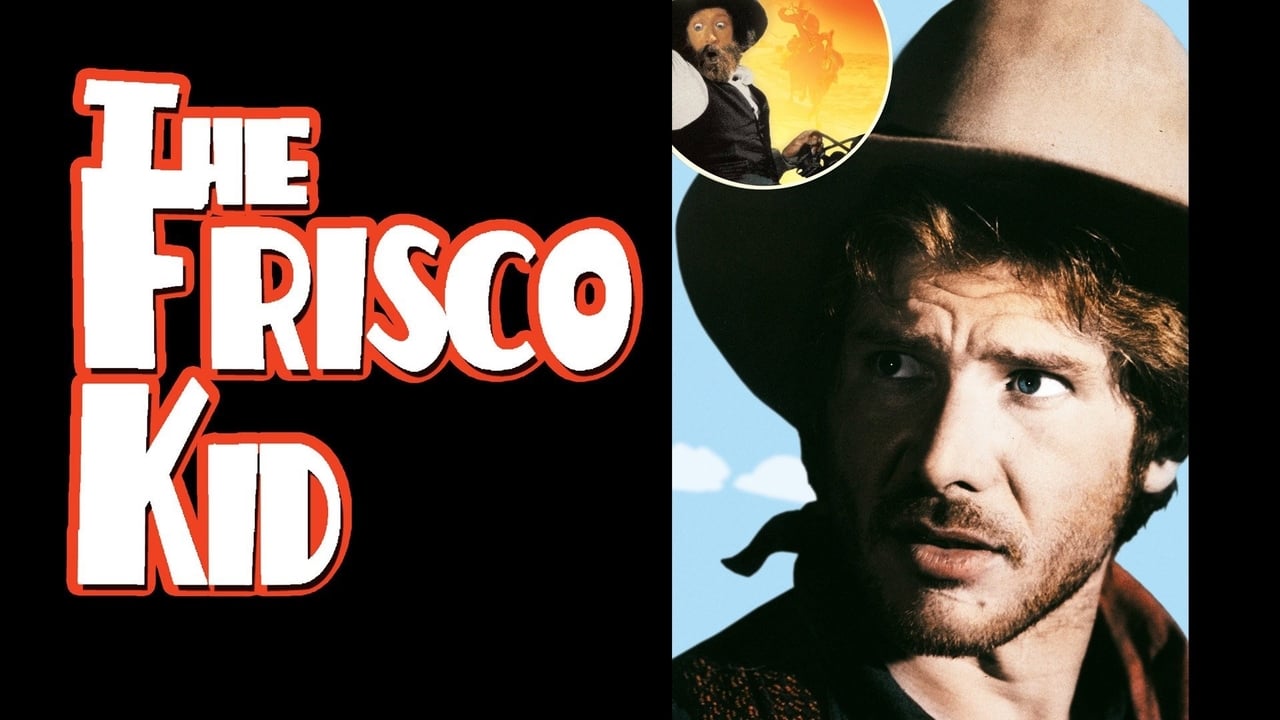
Alright, fellow travelers of the tape-tracked West, let's rewind to a time when the cinematic landscape offered pairings so delightfully unexpected they felt like a fever dream discovered on a dusty video store shelf. Picture this: the wild-eyed comedic genius of Gene Wilder alongside the rugged, just-before-megastardom cool of Harrison Ford. Now, put them in a Western. Directed by the master of hard-hitting grit, Robert Aldrich. No, you didn’t misread that. We're talking about 1979's wonderfully peculiar gem, The Frisco Kid.
### East Meets West, Innocence Meets Outlaw
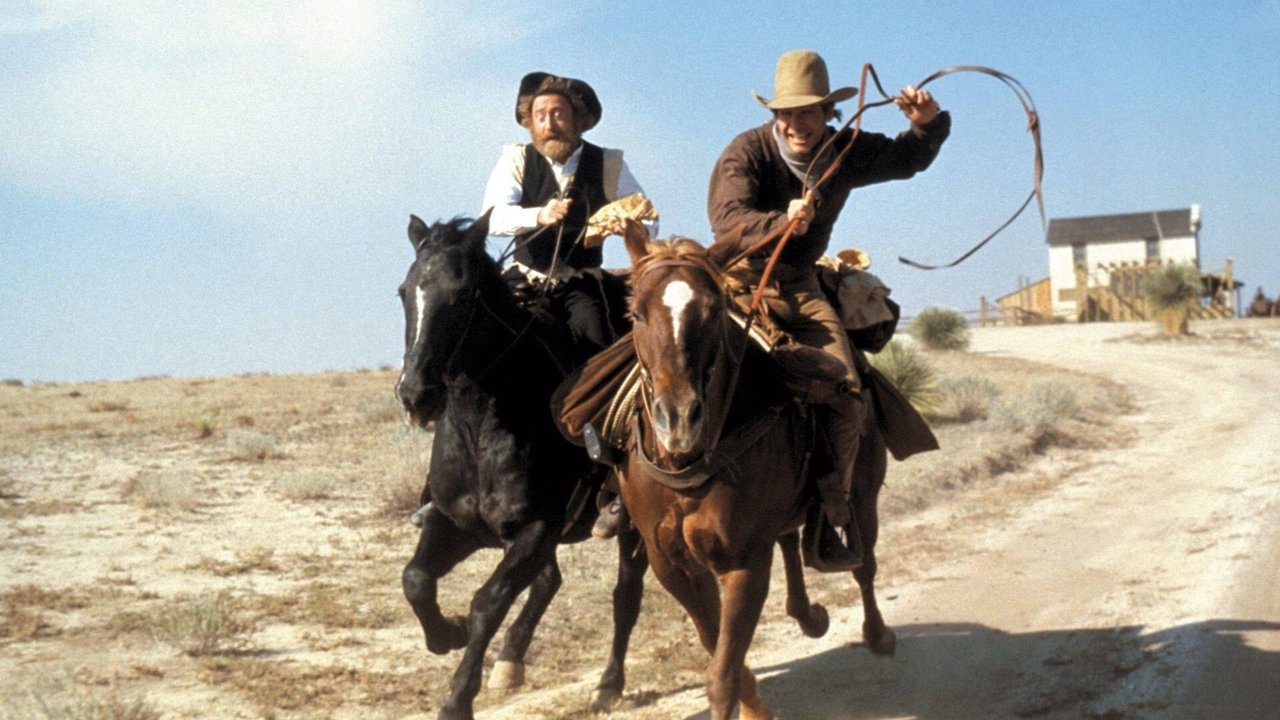
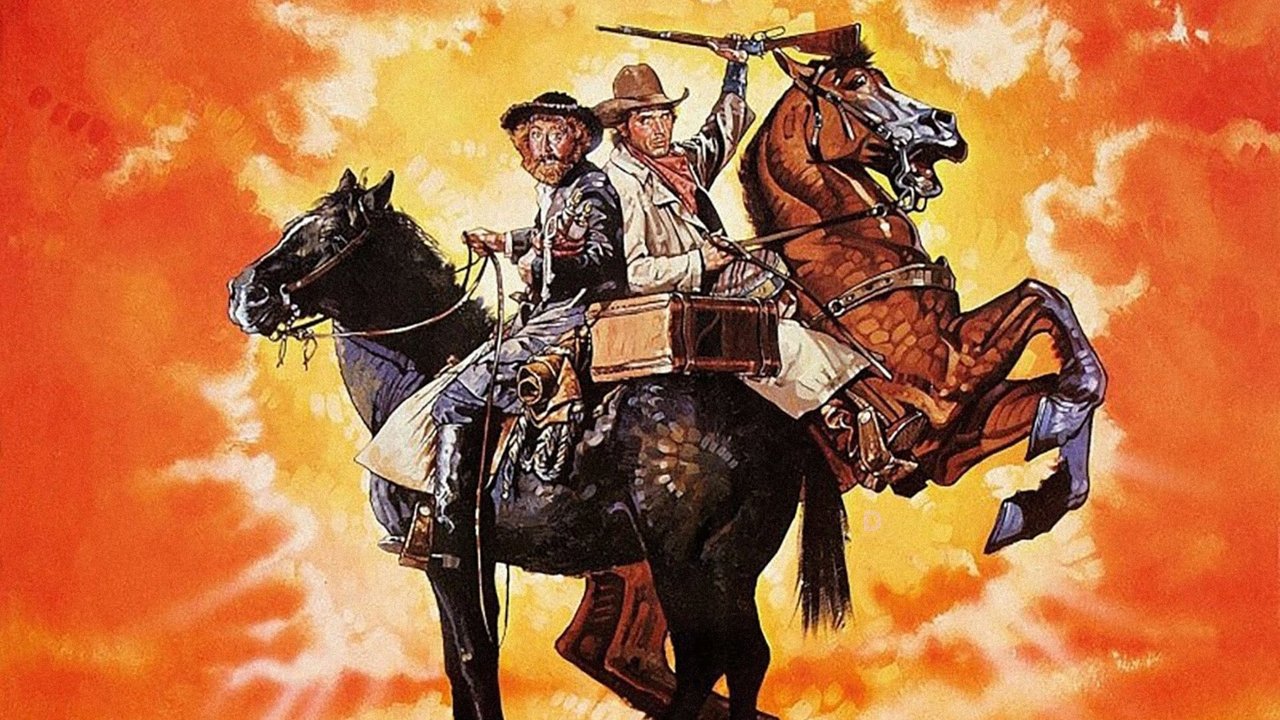
The premise alone is enough to raise an eyebrow in the best possible way. Wilder plays Avram Belinski, a newly ordained, utterly naive Polish rabbi dispatched from Philadelphia to lead a congregation in the burgeoning, wild city of San Francisco. His journey across the American frontier, however, is fraught with peril he’s hilariously unprepared for. Enter Tommy Lillard, played by Harrison Ford with a laid-back charm that hints at the iconic roles just around the corner (Raiders was only two years away!). Tommy is a bank robber – not exactly the ideal travel companion for a man of God, but perhaps the only one capable of getting Avram through the wilderness alive.
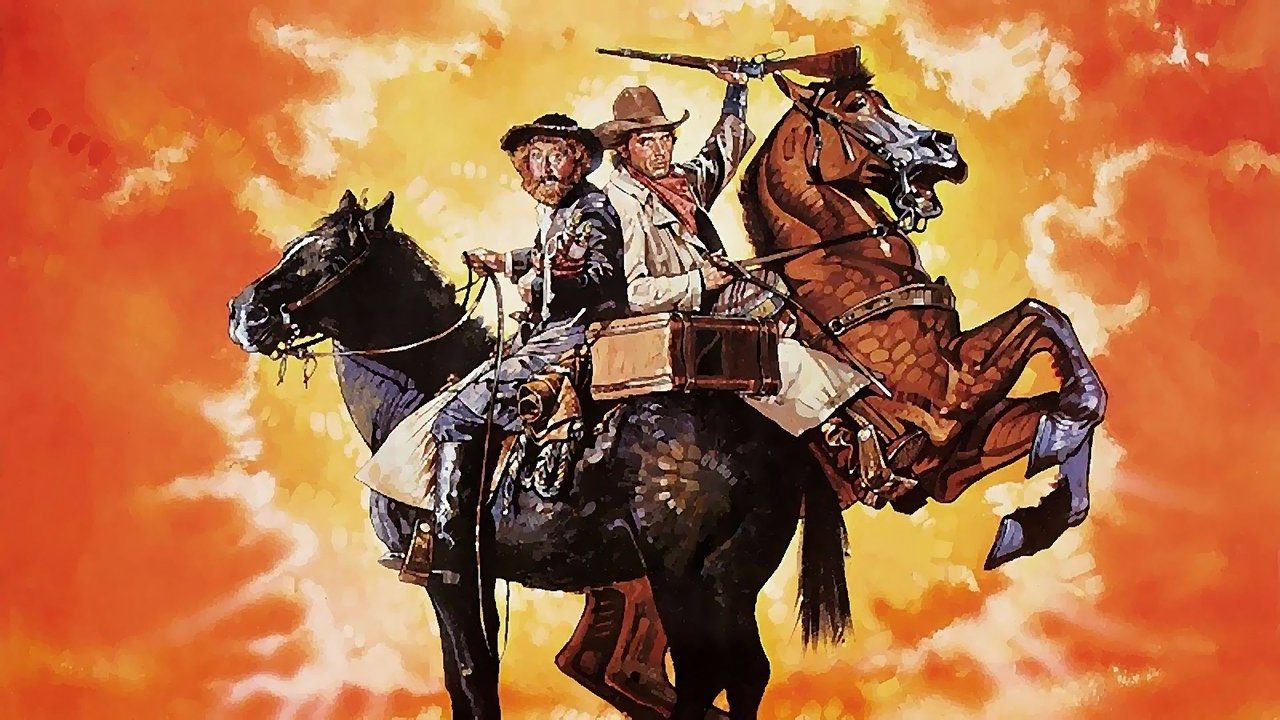
What unfolds is less a traditional Western and more a travelling buddy comedy filtered through a distinctly late-70s lens, full of heart, gentle humour, and surprisingly poignant observations about faith, prejudice, and finding common ground in the unlikeliest circumstances. It’s the kind of film that probably sat innocuously on the comedy or Western shelves at Blockbuster, easily missed but a real treasure if you took a chance on that slightly worn VHS box.
### Wilder's Charm and Ford's Dry Wit
Gene Wilder is simply perfect as Avram. He brings his signature blend of vulnerability, wide-eyed wonder, and occasional bursts of frantic energy to the role. Avram isn't just a fish out of water; he's a fish dropped onto the surface of the moon, clinging fiercely to his faith and traditions while navigating bandits, bar fights, and the sheer bewildering scale of the American West. His attempts to observe Shabbat amidst chaos or explain Talmudic principles to bemused cowboys are pure comedic gold, yet Wilder never lets Avram become a caricature. There’s a genuine sweetness and resilience there that makes you root for him every step of the way.
And then there's Ford. It’s fascinating to see him here, post-Han Solo but pre-Indiana Jones. He’s not playing the swaggering hero yet. Tommy is cynical, pragmatic, and initially baffled by Avram’s unwavering piety. Ford plays him with a delightful understatement, his gruff exterior slowly melting as he develops a grudging respect, and even affection, for the rabbi. The chemistry between the two leads is the film's heart – a study in contrasts that generates both laughs and warmth. Funnily enough, the gruff persona Ford channels here reportedly wasn't far from his real-life attitude during filming; stories suggest he was sometimes frustrated by the slower pace of comedy compared to action, adding an unintentional layer of authenticity to Tommy's impatience!
### Aldrich Goes (Relatively) Gentle
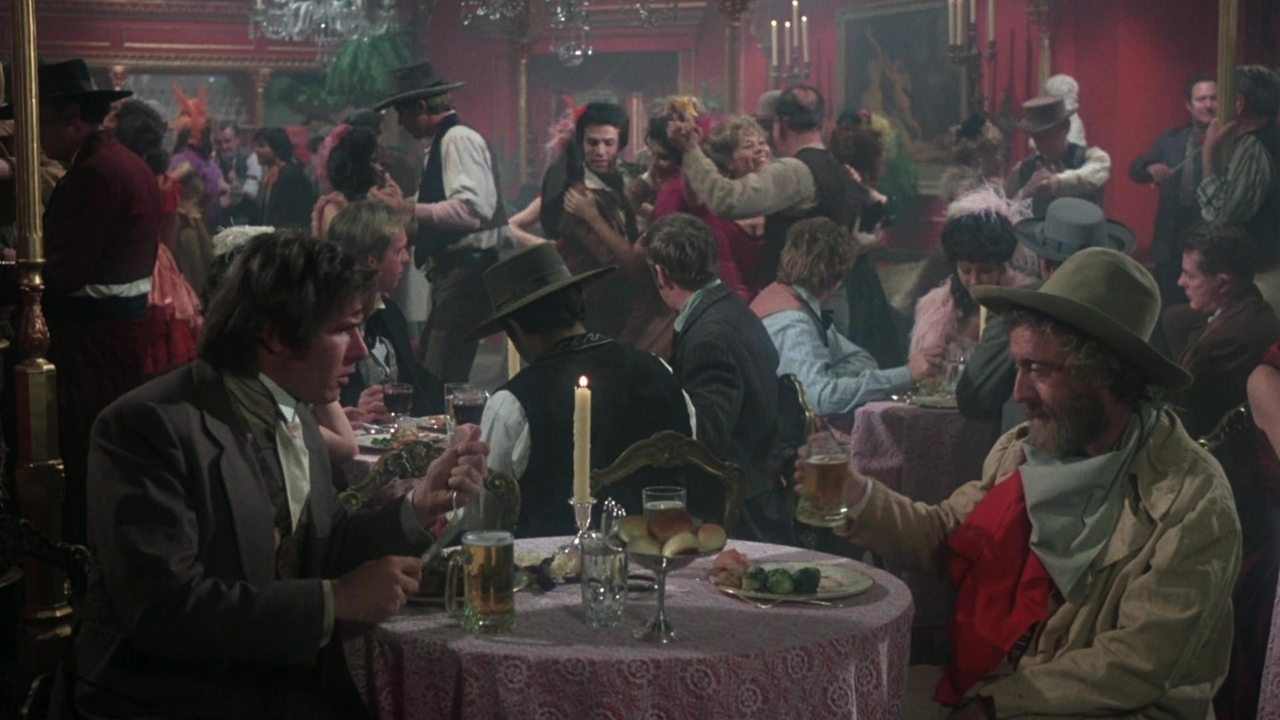
Seeing Robert Aldrich's name in the credits might make you expect something far rougher. This is the director behind hard-edged classics like The Dirty Dozen and the noir masterpiece Kiss Me Deadly, after all. Yet, The Frisco Kid showcases a surprisingly lighter touch. While the Western setting feels authentic – filmed beautifully across stunning Colorado and Arizona landscapes – and there are moments of genuine danger (handled with Aldrich's typical efficiency), the overall tone is affectionate. He lets the comedy breathe and focuses on the central relationship. It's reported that Aldrich took the project specifically because he wanted to work with Wilder, seeing it as a chance to stretch beyond his usual fare. The result is a unique entry in his filmography, proving his versatility.
The screenplay, by Michael Elias and Frank Shaw, skillfully balances the humour with the more serious themes. It doesn’t shy away from the anti-Semitism Avram encounters, nor the casual violence of the era, but frames it through Avram’s unwavering moral compass. Supporting players like Ramon Bieri as the genuinely menacing antagonist provide the necessary stakes, reminding us that this journey isn't just laughs and culture clashes.
### A Warm Rewind
Watching The Frisco Kid today feels like rediscovering a comfortable old sweater. It’s not flashy, it doesn’t rely on elaborate set pieces (though the practical feel of the locations and occasional stunts have that tangible quality we love from the era), but it has an undeniable charm. Its pacing might feel a little relaxed compared to modern comedies, and some cultural depictions are certainly of their time, but the core story of friendship and understanding holds up beautifully. It wasn't a runaway smash hit upon release, earning a respectable but not earth-shattering $19 million against its $9.6 million budget, but it definitely found its audience on home video, becoming one of those word-of-mouth rentals that people remember fondly. Did you ever stumble across this one late at night on cable, or pick it up based solely on the odd-couple stars on the cover?
Rating: 7.5/10
Justification: The Frisco Kid earns its score through the sheer delightful chemistry of Wilder and Ford, Wilder's perfectly pitched performance, and its unique blend of comedy, Western, and heartfelt drama. It’s elevated by Aldrich’s steady hand and a script that dares to be thoughtful amidst the laughs. While the pacing occasionally ambles and it lacks the explosive action some might expect from the genre or director, its warmth and gentle humour make it a truly endearing watch.
Final Thought: Forget shootouts at high noon; sometimes the most memorable Western journeys involve a rabbi teaching a bank robber about kosher dietary laws. The Frisco Kid is a charmingly offbeat buddy film that reminds us how versatile its stars – and the Western genre itself – could be, a real sweet spot from the tail end of the 70s that feels right at home in any VHS lover's collection.