It bursts onto the screen like pure, unfiltered optimism, a splash of vibrant red hair against the dreary backdrop of Depression-era New York. For many of us whose childhoods intersected with the dawn of home video, the 1982 film adaptation of Annie wasn't just a movie; it was an event. Tucked inside that oversized clamshell case was a promise of soaring songs, cartoonish villains, and the kind of rags-to-riches fantasy that felt impossibly grand on our flickering CRT screens. It might seem strange now, but plopping that tape into the VCR often felt like preparing for a trip to Broadway itself.

A Sunbeam in Hard Times
Based on the wildly successful stage musical (itself inspired by Harold Gray's long-running comic strip Little Orphan Annie), the film tells the familiar tale of a plucky orphan determined to find her parents, charming her way into the heart of the gruff billionaire Oliver "Daddy" Warbucks (Albert Finney) along the way. Set against the stark realities of the Great Depression – bread lines, Hoovervilles, widespread despair – Annie’s unwavering belief that the "sun'll come out tomorrow" provides the narrative's driving force. This contrast between the grim setting and the effervescent hope of its protagonist is central to the film's unique, sometimes slightly odd, charm. It’s a storybook world painted with surprisingly dark edges, a place where kidnappers lurk but tap-dancing servants always seem ready for a production number.
The Unlikeliest Captain
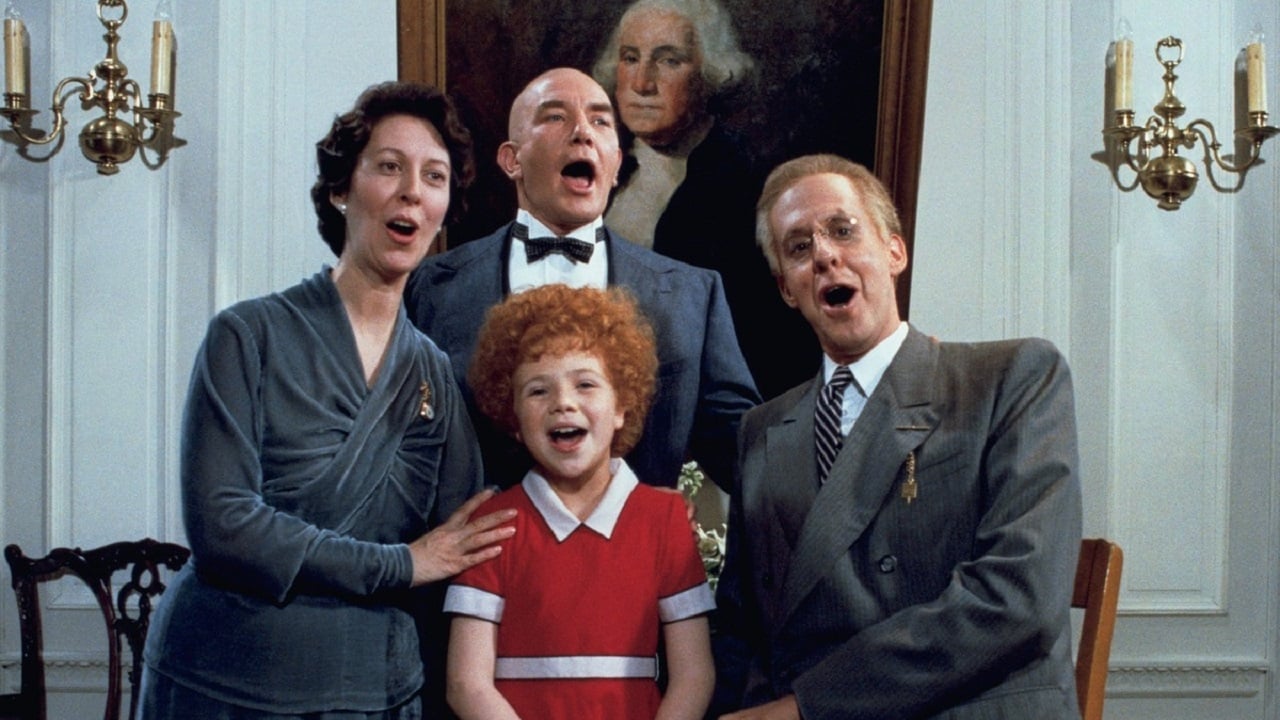
Perhaps the most fascinating behind-the-scenes story of Annie involves the man in the director's chair: the legendary John Huston. Yes, that John Huston, the master craftsman behind gritty, cynical masterpieces like The Maltese Falcon (1941) and The Treasure of the Sierra Madre (1948). Entrusting a $35-50 million (a staggering sum back then, roughly $110-158 million today!) Broadway musical adaptation to Huston seemed, on paper, like asking a heavyweight boxer to choreograph a ballet. Apparently, his daughter, actress Anjelica Huston, encouraged him to take the gig, seeing it as a chance to do something completely different. While some critics at the time felt his direction lacked the expected musical sparkle, there's an undeniable grandeur and visual richness to the film. Huston, ever the storyteller, focuses on character and scale, giving the movie a weight and cinematic feel that transcends a simple stage transfer. He might not have been Bob Fosse, but he certainly knew how to fill a frame.
Finding the Perfect Annie (and Hannigan)
Casting the titular role was a monumental task, involving a nationwide search that saw over 8,000 young hopefuls audition. Nine-year-old Aileen Quinn, with her powerful voice and undeniable stage presence (honed from understudying the role on Broadway), ultimately won the part. She carries the film with remarkable confidence, belting out iconic numbers like "Tomorrow" and "Maybe" with infectious sincerity. Opposite her, Albert Finney brings a surprising warmth to the initially cold Daddy Warbucks. Fun fact: Finney gamely shaved his head for the role, a commitment that reportedly delighted young Quinn on set. Though initially reluctant, he truly embodies the transformation from isolated tycoon to loving father figure.
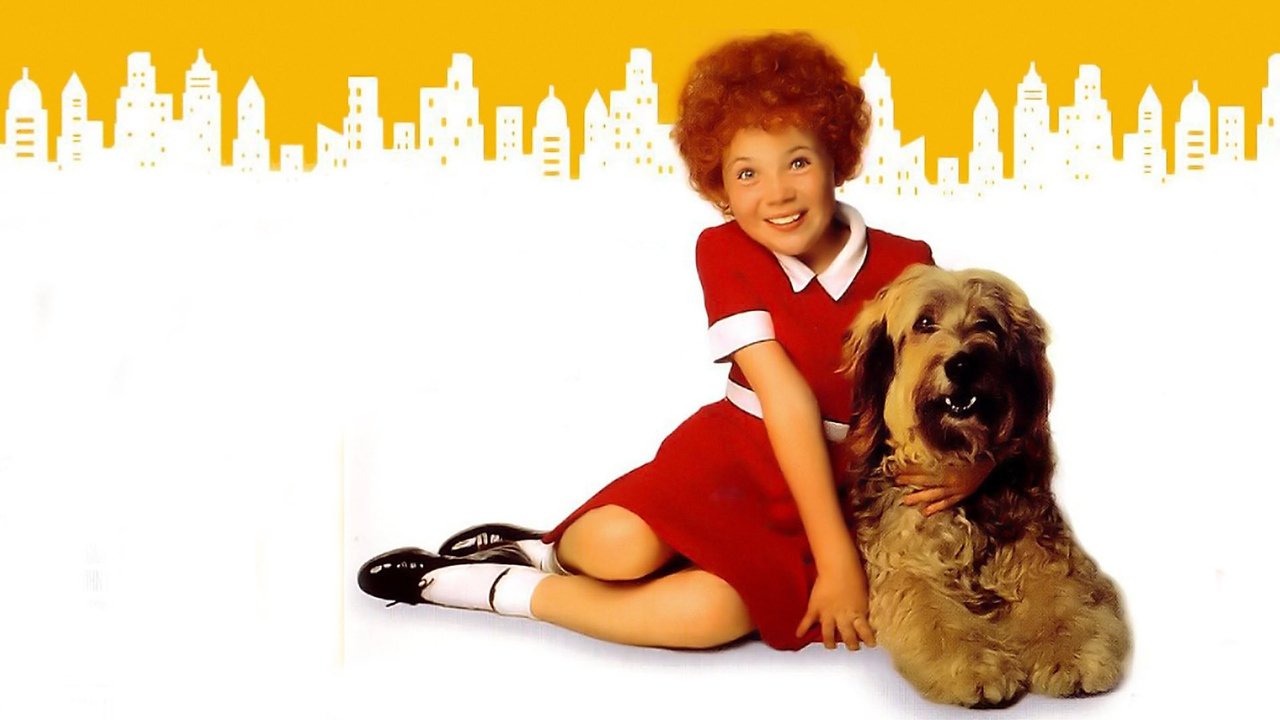
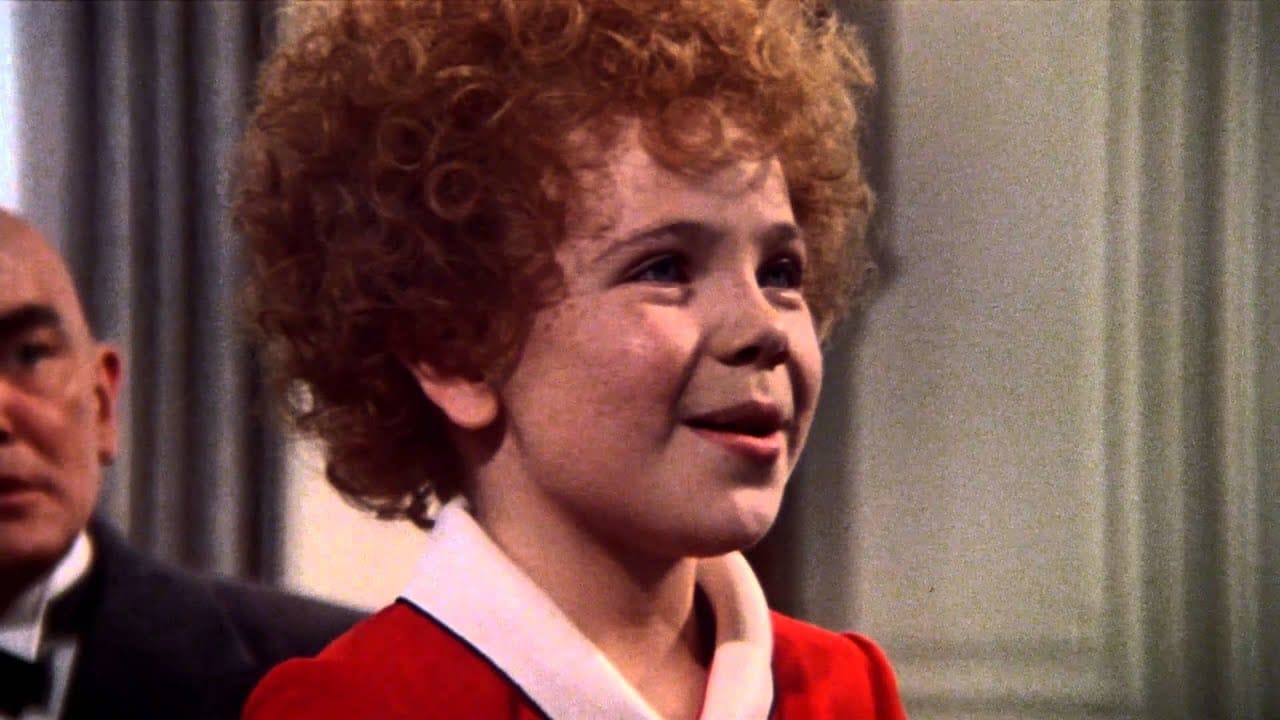
But let's be honest, for many, the film belongs to Carol Burnett as the perpetually soused and scheming orphanage matron, Miss Hannigan. Fresh off her legendary run on The Carol Burnett Show, she devours the scenery with comedic genius, turning Hannigan's bitterness and longing for luxury into pure entertainment. Every eye-roll, every exasperated sigh, every slurred note of "Little Girls" is comic gold. It's hard to imagine anyone else nailing that blend of menace and pathetic absurdity quite so perfectly, though Bette Midler famously turned down the role first! Alongside her are the equally memorable Tim Curry (oozing sleaze as Rooster Hannigan) and Bernadette Peters (as the ditzy Lily St. Regis), forming a trio of villains almost too fun to truly hate.
Spectacle and Song
Producer Ray Stark spared no expense, and it shows. The sets are enormous, particularly Warbucks' opulent mansion (exteriors filmed at Monmouth University in New Jersey), which looks like something out of a Gilded Age dream. The choreography, especially in numbers like "It's the Hard-Knock Life" and the show-stopping "Let's Go To The Movies," fills the screen with energy. The beloved songs by composer Charles Strouse and lyricist Martin Charnin remain undeniable earworms, instantly transporting you back. The film even added a few new tunes, including the delightfully cynical "Sign" for Warbucks and Hannigan, and the energetic "We Got Annie."
Of course, it wasn't all smooth sailing. The film cost a fortune and its initial box office take of $57 million domestically didn't quite make it a runaway smash hit in theaters. Critics were divided, some finding it overblown or tonally inconsistent, particularly with the slightly darker, protracted kidnapping climax involving a rather perilous bridge sequence. (It holds a respectable, if not stellar, 6.6 on IMDb and a mixed 59% from critics on Rotten Tomatoes today).
A VHS Treasure
But here’s where the VHS Heaven magic comes in: Annie found its true, enduring audience on home video. It became a rental store staple, a tape passed lovingly between friends and families, its songs memorized, its characters cherished. For a generation, this was the version of Annie. Its slightly unwieldy length (127 minutes!) mattered less when you could pause for a snack break. Its occasional tonal shifts felt less jarring viewed through the warm glow of nostalgia. It may not be a perfect film, but its heart is enormous, its spirit infectious, and its place in the pantheon of 80s family movie nights is undeniable. Later adaptations, including TV movies and a 2014 update, have come along, but none quite capture the specific, grand, slightly eccentric charm of this 1982 version.
***

Rating: 7/10
While its colossal budget didn't translate into immediate box office gold, and some might find Huston's direction a curious fit, Annie (1982) overcomes these quibbles with sheer force of personality. Stellar performances (especially Burnett's iconic Hannigan), unforgettable songs, lavish production values, and an enduring message of hope make it a standout 80s musical. Its slight unevenness and lengthy runtime are balanced by its warmth and spectacle, earning it a solid score bolstered significantly by its undeniable nostalgic pull and status as a beloved VHS-era classic.
It’s a film that reminds you, sometimes when you least expect it, that even in the hardest times, the sun really will come out tomorrow. Just try getting that song out of your head now.