That title alone sent shockwaves through the fandom. Star Trek III: The Search for Spock. After the gut-wrenching finale of The Wrath of Khan just two years prior, a film explicitly promising a search felt less like a sequel and more like a lifeline thrown to grieving Trekkies everywhere. Released in 1984, this wasn't just another sci-fi flick lining the shelves at Video Galaxy; picking up that chunky VHS tape felt like accepting a mission, a chance to maybe, just maybe, undo the unthinkable. The weight of Spock's sacrifice hung heavy, and the question wasn't if you'd watch, but how soon you could get your hands on it.

### The Needs of the One
Picking up almost immediately where Khan left off, The Search for Spock dives headfirst into the emotional fallout. The crew of the Enterprise is battered, mourning, and heading home. But something’s not right. Dr. McCoy (DeForest Kelley, embodying weary loyalty like no one else) is acting erratically, muttering Spock's phrases. And Spock’s father, Sarek (Mark Lenard), arrives with a revelation: Vulcans can, before death, place their katra – their living spirit – into another. Suddenly, McCoy isn't just grieving; he's carrying Spock's essence. Simultaneously, Saavik (Robin Curtis, stepping in for Kirstie Alley) and David Marcus (Merritt Butrick) discover that the Genesis planet, born from the device that defeated Khan, is dangerously unstable... and Spock's body, laid to rest there, might not be entirely dormant. What follows is pure, distilled Star Trek: Admiral Kirk (William Shatner, perfectly balancing command presence with raw, personal desperation) must defy Starfleet orders, steal his own decommissioned ship, and risk everything for his friend. It's a testament to the power of that central relationship – the needs of the one outweighing the needs of the many, this time.
### Behind the Camera, A Familiar Face
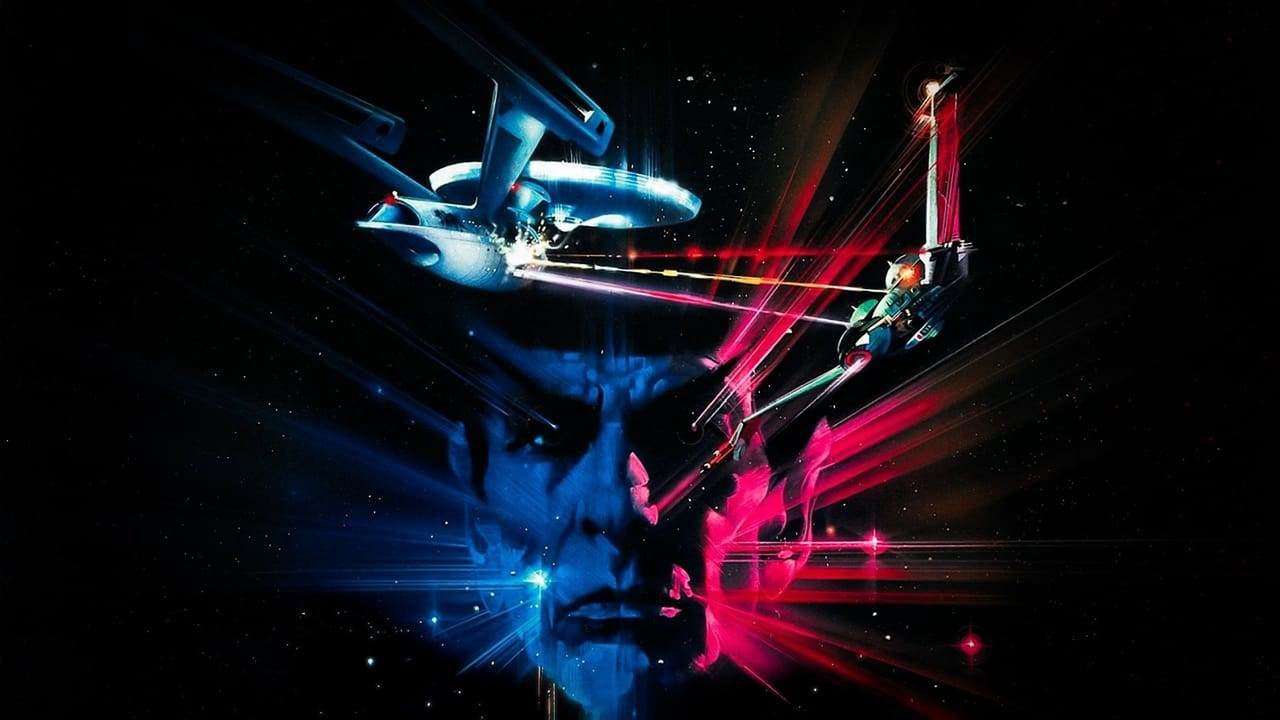
Perhaps the most fascinating "Retro Fun Fact" about The Search for Spock is who sat in the director's chair: none other than Leonard Nimoy himself. Taking the helm for his feature directorial debut, Nimoy faced the unique challenge of guiding a story centered around the resurrection of the very character he embodied. Talk about pressure! Working again with producer/writer Harve Bennett, who had so successfully revitalized the franchise with Wrath of Khan, Nimoy brought an intimate understanding of the characters and their dynamics. You can feel his focus on the crew's camaraderie and the emotional core of Kirk's desperate gamble. While perhaps not as visually dynamic as some later entries, Nimoy's direction is steady, character-focused, and deeply invested in the narrative's stakes. He reportedly found directing the Vulcan scenes, steeped in the lore he knew so well, particularly rewarding.
### Kruge, Klingons, and a Shocking Sacrifice
While the quest for Spock drives the plot, the film introduces a formidable new adversary: the Klingon Commander Kruge, played with sneering menace by Christopher Lloyd. Fresh off his beloved run on Taxi and just before he’d iconically hit 88mph in Back to the Future (1985), Lloyd is almost unrecognizable here – ruthless, cunning, and genuinely threatening. His pursuit of the Genesis device provides the film’s primary external conflict, leading to tense standoffs and brutal confrontations. His guttural Klingon commands ("Fire!") became instantly quotable for a certain type of fan.
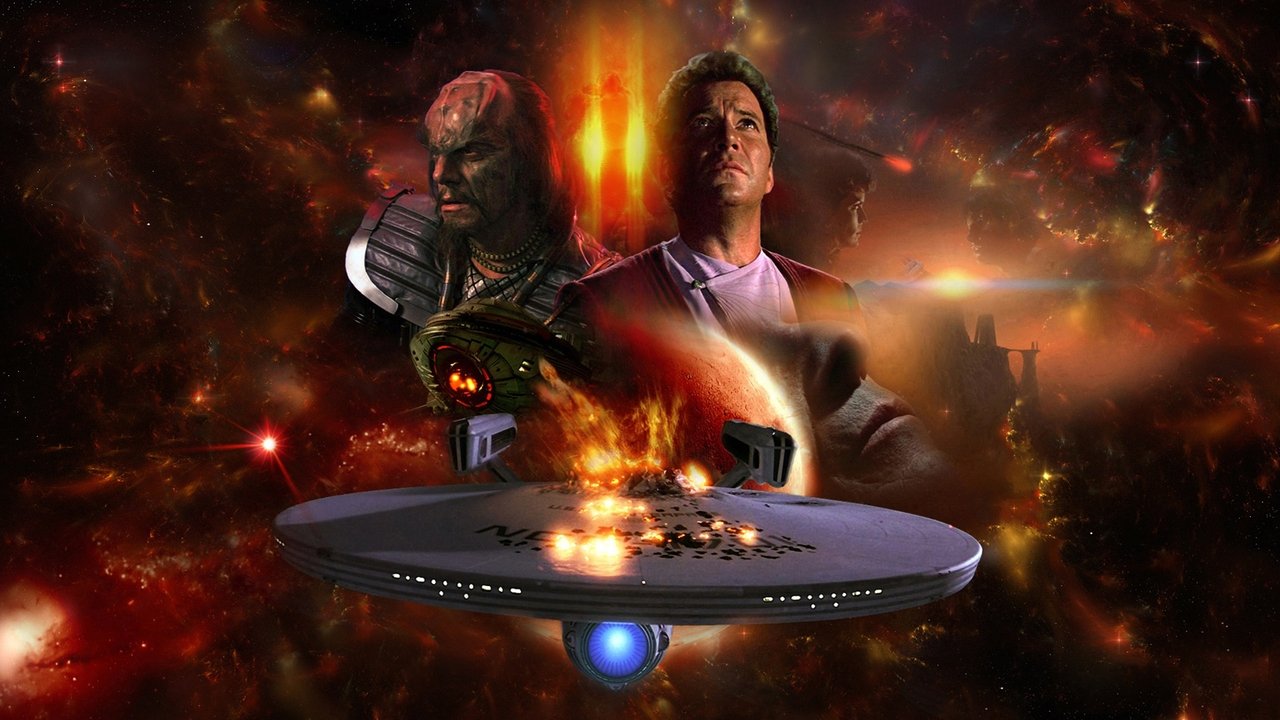
But the film's most audacious moment, the one that likely caused popcorn to be dropped in theaters and living rooms nationwide, was the destruction of the USS Enterprise. Seeing Kirk make the agonizing decision to self-destruct his beloved ship to trap Kruge felt almost as impactful as Spock's death in the previous film. It wasn't just a ship; it was home, a symbol of everything they stood for. The sequence, meticulously crafted by Industrial Light & Magic (ILM), is a masterclass in practical effects model work, selling the fiery, tragic end of an icon. It was a bold narrative stroke, proving this movie series wasn't afraid to take massive risks. Rumor has it Paramount executives wanted something spectacular and irreversible for the third outing, and boy, did they get it.
### The Search Concludes, The Journey Continues
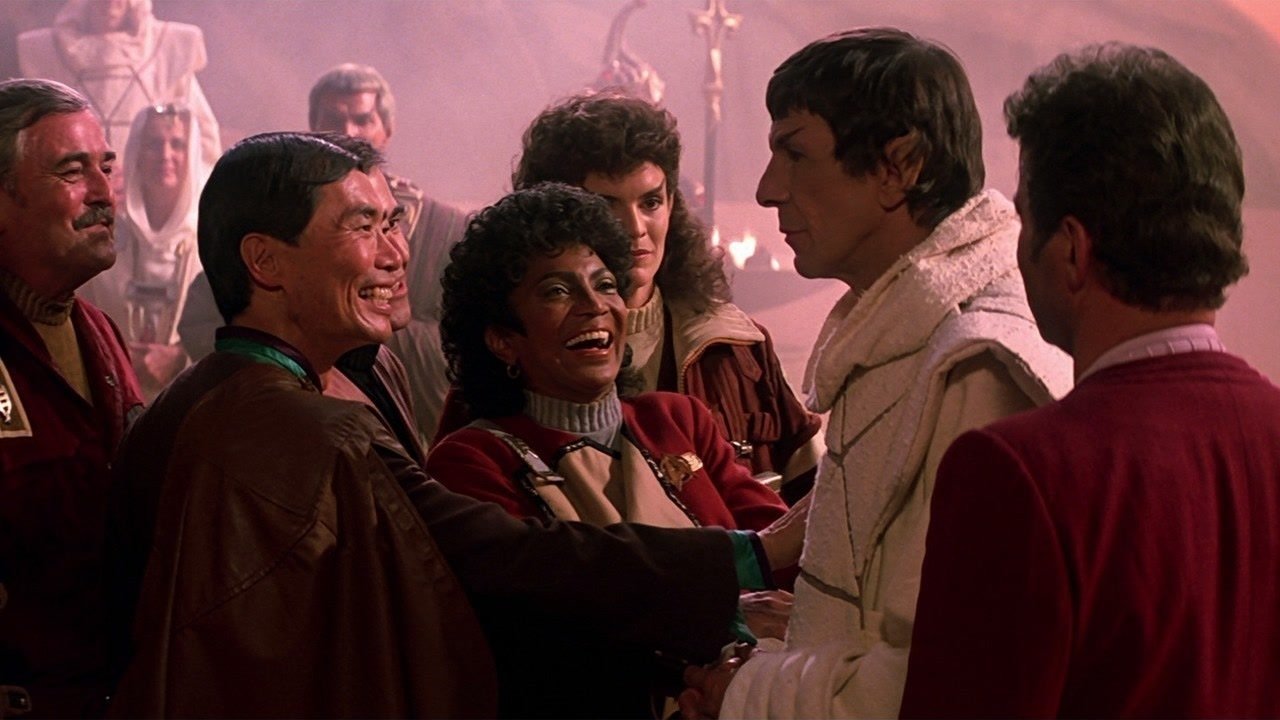
Does The Search for Spock reach the lofty heights of Wrath of Khan? Perhaps not quite. The pacing occasionally dips, particularly during the scenes depicting Spock's rapid aging on the volatile Genesis planet, and the Vulcan mysticism, while central to the plot, can feel a bit exposition-heavy. Some dialogue might clank a little by modern standards. Yet, these are minor quibbles in a film brimming with heart. James Horner's score swells effectively, reprising and building upon his beloved themes from Khan. The film successfully navigates the tricky plot mechanics needed to bring Spock back, culminating in the solemn Fal-tor-pan ceremony on Vulcan. It might have wrestled with the infamous "odd/even" Trek movie theory (where odd-numbered films were supposedly weaker), but it delivered exactly what fans craved: hope, reunion, and the enduring power of friendship. With a budget around $17 million, its $87 million worldwide gross proved the franchise still had plenty of warp speed left in the tank.
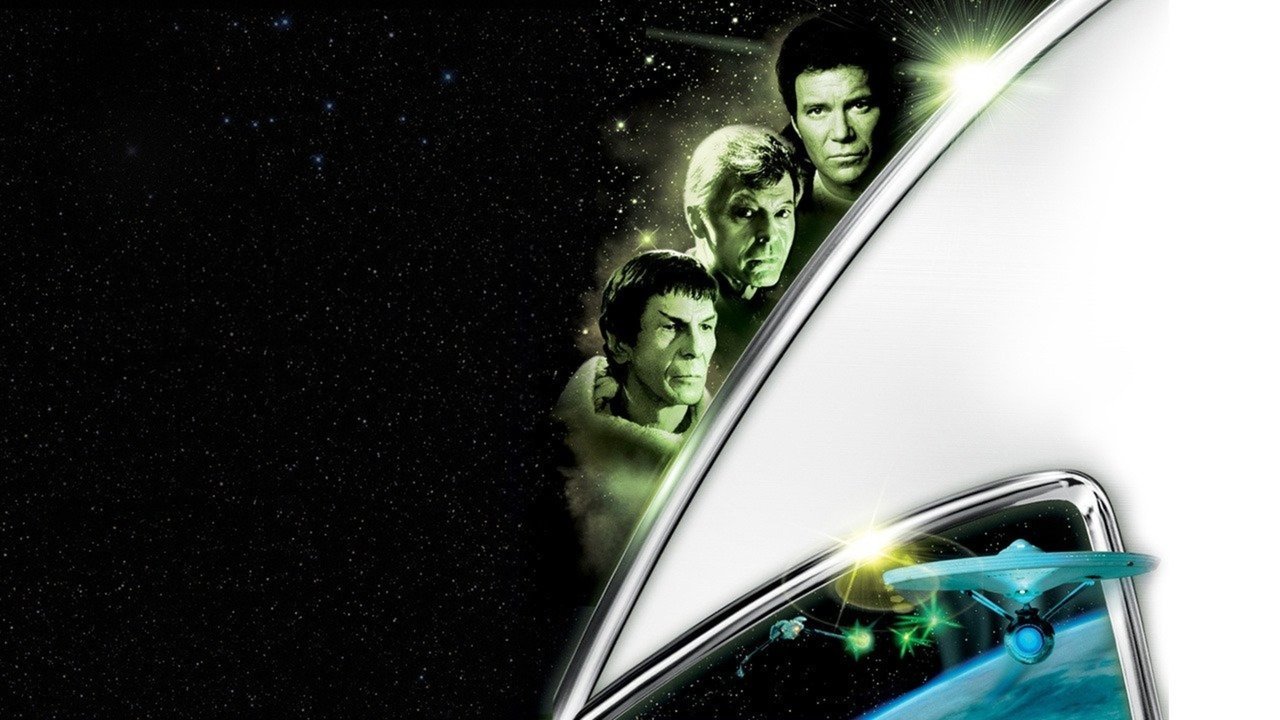
VHS Heaven Rating: 7/10
Justification: While lacking the tight pacing and iconic villain of its predecessor, Star Trek III delivers crucial emotional payoff, features a memorable Klingon antagonist in Kruge, and makes the incredibly bold move of destroying the Enterprise. Nimoy’s direction is heartfelt, focusing on the core relationships that define Trek. It's a necessary and often moving bridge film, essential viewing for the saga, even if some plot elements feel a bit convenient. It successfully resurrected Spock both literally and for the franchise's future.
This was the tape you rewound immediately after watching, just to see the Enterprise die again, or to catch McCoy channeling Spock one more time. It wasn't just a movie; it was proof that in the Star Trek universe, even death might not be the final frontier, especially when friends refuse to leave you behind.