The heat presses in first. Not just the sweltering, inescapable humidity of the Val Verde jungle, but the heat of paranoia, the prickly feeling of unseen eyes boring into your back. Before the clicking mandibles, before the shimmering distortion in the canopy, there’s just that oppressive sense of being watched, hunted. Predator (1987) wasn't just another '80s action vehicle for Arnold Schwarzenegger; it was a descent into primal fear, cloaked in the guise of elite military muscle. It lures you in with camaraderie and firepower, then strips it all away, leaving raw survival against an enemy beyond comprehension.
Welcome to the Jungle
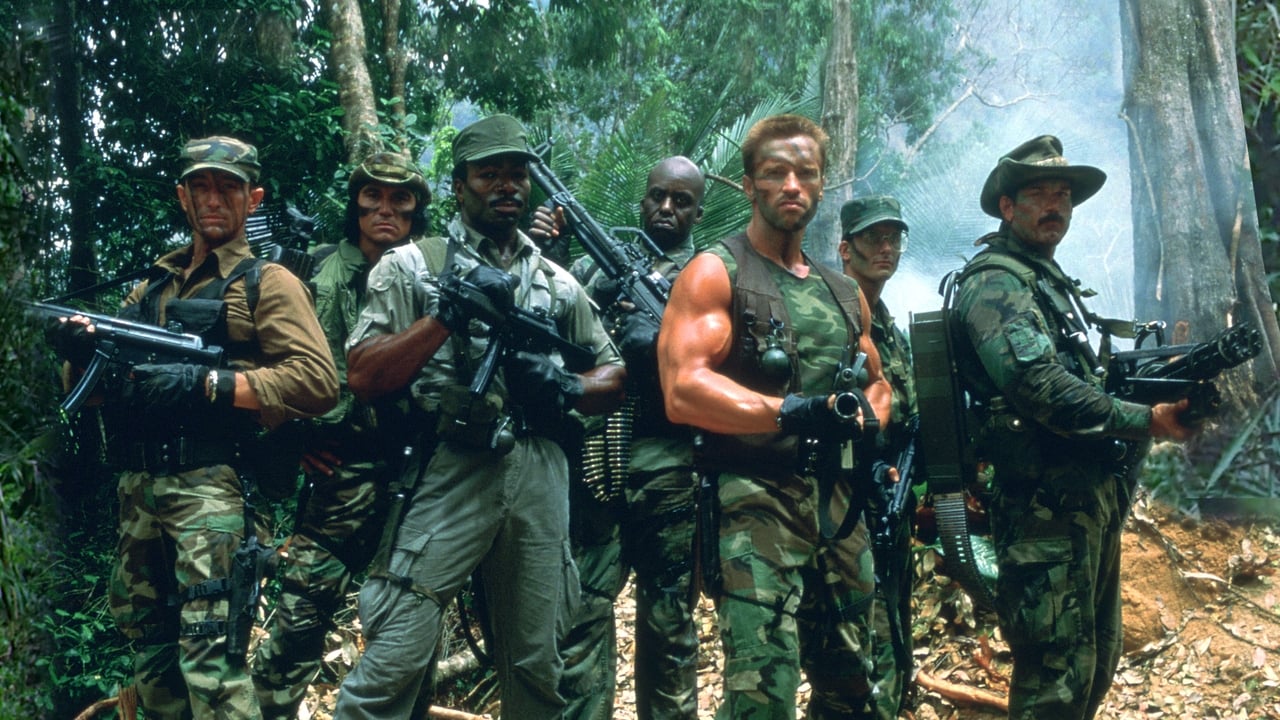
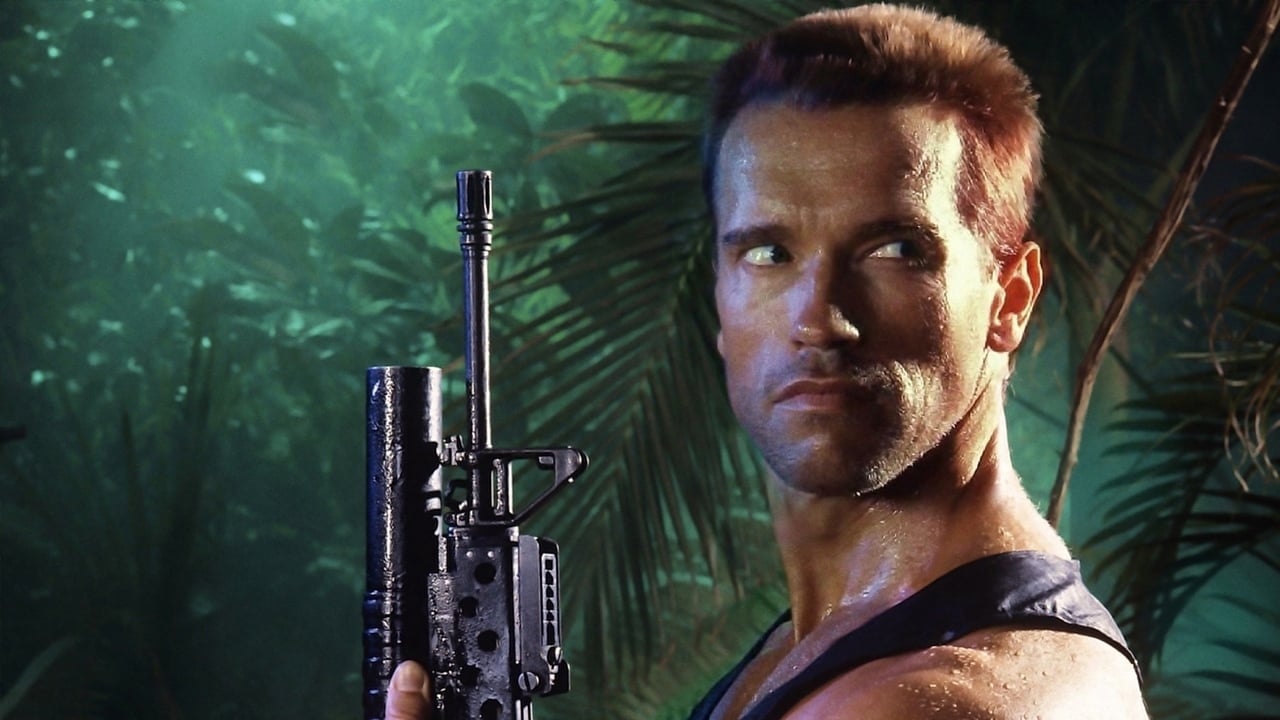
Director John McTiernan, who would later redefine the action genre again with Die Hard (1988), understood atmosphere. From the opening insertion, as Major Alan "Dutch" Schaefer's team rappels into hostile territory, there's an undeniable cool factor. This isn't just any rescue squad; they're sculpted titans, walking arsenals exchanging banter sharper than their knives. Arnold Schwarzenegger anchors the film as Dutch, radiating peak '80s confidence, alongside Carl Weathers as the shifty CIA operative Dillon, Bill Duke as the stoic Mac, Jesse Ventura as the tobacco-chewing Blain, and the rest of the doomed commandos. Their initial mission – ostensibly rescuing hostages from guerillas – quickly unravels. The skinned bodies hanging from the trees aren't the work of insurgents. This is something else. Something wrong. The shift from tactical engagement to bewildered terror is palpable, a masterful bait-and-switch that wrong-foots both the characters and the audience.
The Hunter Emerges
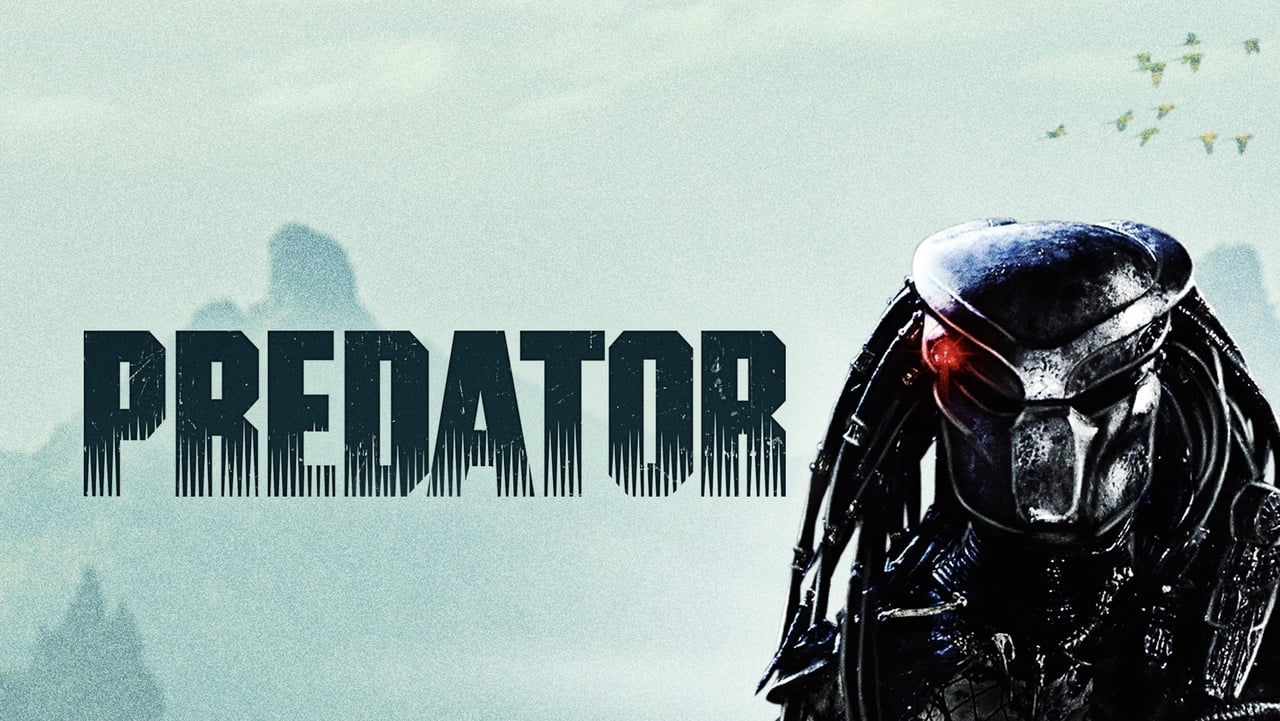
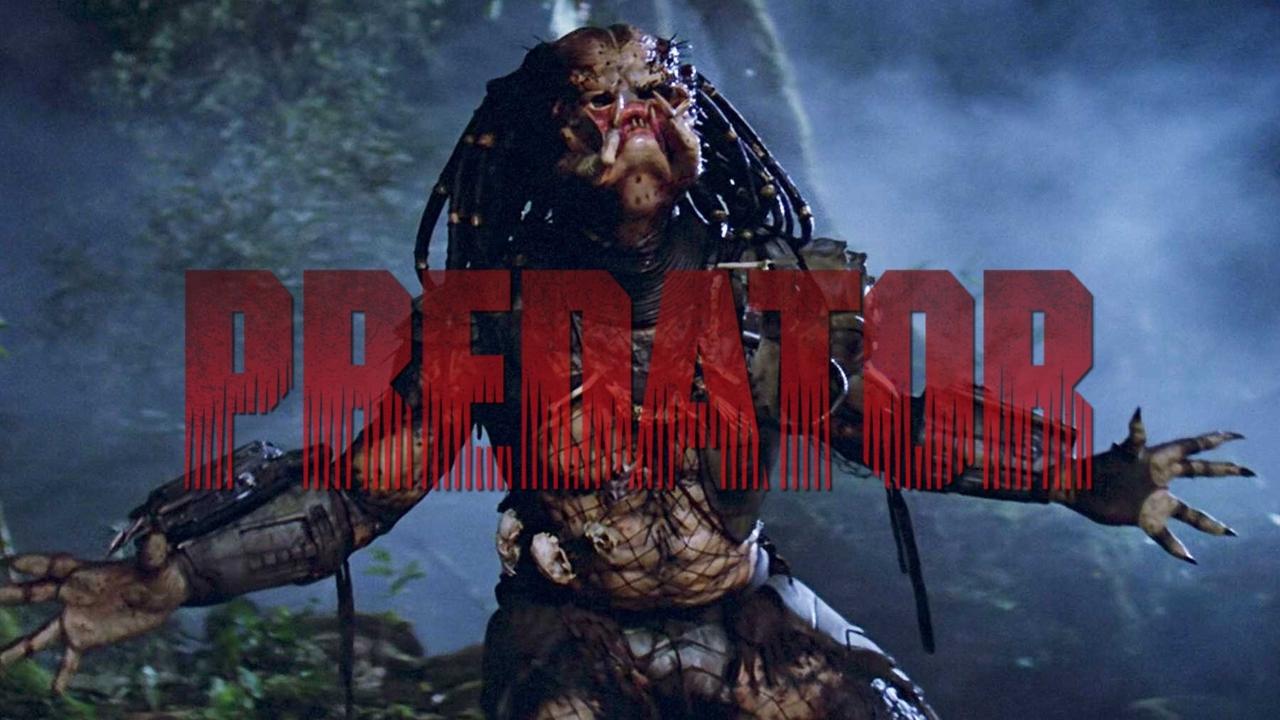
What truly elevates Predator beyond a standard jungle warfare flick is, of course, the titular creature. The design by the legendary Stan Winston remains an iconic piece of movie monster craftsmanship. That bio-mask, the dreadlocks, the deadly wrist blades, and the terrifying reveal of its unmasked face – it’s alien, yet disturbingly resonant with our own predatory instincts. But it almost wasn't so. Remember the original creature design? A far less intimidating, almost insectoid suit famously (and briefly) worn by Jean-Claude Van Damme, who apparently wasn't thrilled about being an uncredited special effect. Thankfully, Winston was brought in late to salvage the concept, delivering the unforgettable Yautja warrior we know and fear. The practical effects, particularly the Predator's active camouflage – that watery, heat-haze shimmer – were groundbreaking for their time and still possess a uniquely unsettling quality that CGI often struggles to replicate. It felt real, tangible, a genuine threat lurking just outside the visible spectrum. Doesn't that ripple effect still send a shiver down your spine?
Sweat, Blood, and Mud
The production itself was notoriously grueling, mirroring the characters' ordeal. Filming in the dense jungles near Palenque, Mexico, the cast and crew battled extreme heat, treacherous terrain, and rampant illness. McTiernan harnessed this environmental pressure, translating it into on-screen tension. You can almost feel the oppressive humidity, see the exhaustion etched onto the actors' faces. This wasn't a comfortable Hollywood set; it was a crucible, adding an unintended layer of authenticity to the struggle for survival. Even small details, like the intimidating roar of Blain's minigun, "Old Painless," required creative solutions – the firing rate had to be drastically slowed down because the sheer volume of blanks ejected made it impossible to film otherwise. Interestingly, Shane Black (Hawkins), who'd later write and direct Iron Man 3 (2013) and The Nice Guys (2016), was initially cast partly so the producers could have a writer on standby for potential script tweaks during the isolated shoot.
From Action Hero to Primal Man
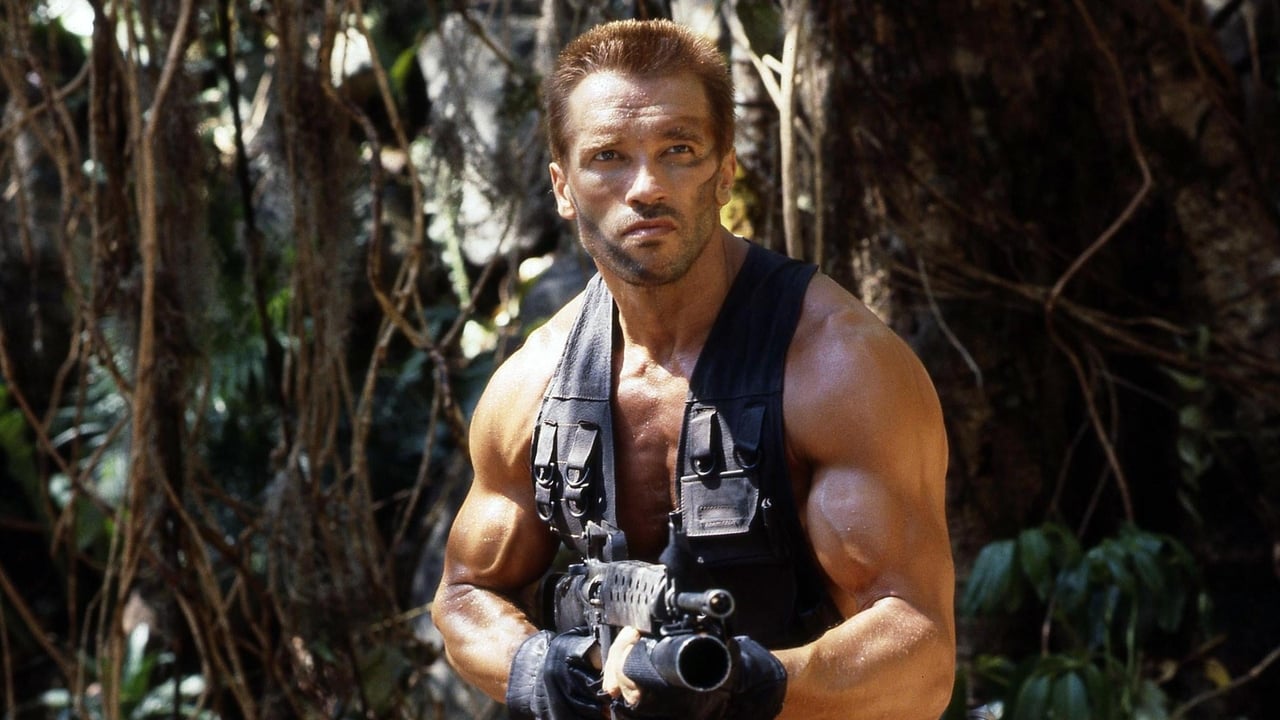
As the technologically superior Hunter picks off Dutch's team one by one, using tactics both alien and chillingly familiar (mimicking voices, setting traps), the film morphs again. The bravado evaporates. It becomes a desperate fight for survival, culminating in Dutch shedding his modern weaponry and embracing primal tactics. Schwarzenegger sells this transition beautifully. Stripped bare, covered in mud to mask his heat signature, he becomes the hunted turning hunter. That final confrontation – man versus monster, wits and environment against advanced technology – is pure cinematic gold, punctuated by some of Arnold's most quotable lines ("Get to the choppa!", "You're one ugly mother..."). It cleverly subverts the invincible action hero trope that Schwarzenegger himself helped define, forcing him back to basics.
Enduring Legacy
Born from a Hollywood joke (reportedly riffing on the idea that Rocky Balboa would eventually need to fight an alien after running out of Earthly opponents), Predator punched far above its weight. Written by brothers Jim Thomas and John Thomas, it defied its initial, somewhat mixed critical reception to become a beloved classic. Made for around $15 million, its nearly $100 million worldwide gross cemented its success and spawned a franchise that continues to this day, exploring the Yautja mythos across sequels, spin-offs (including the Alien vs. Predator crossovers), and prequels like Prey (2022). Yet, the original's magic lies in its simplicity, its focused intensity, and its perfect blend of genres. It’s a high-octane action film, a tense sci-fi thriller, and a creature feature horror rolled into one sweat-drenched package.
---
VHS Heaven Rating: 9/10
Predator earns this high score for its masterful build-up of tension, iconic creature design, groundbreaking practical effects, McTiernan's atmospheric direction, and Schwarzenegger's compelling performance that cleverly deconstructs his own action hero persona. The grueling production adds to its gritty realism, and the seamless blend of action, sci-fi, and horror remains incredibly effective. It loses a point perhaps only for some '80s action tropes that feel slightly dated now, but even those contribute to its specific charm.
This film wasn't just rented; it was worn out in VCRs across the globe. It’s a visceral, pulse-pounding experience that perfectly captures the bigger-is-better ethos of the 80s while delivering genuine chills and a timeless tale of hunter versus hunted. It remains a benchmark, a sweaty, bloody testament to the power of practical effects and primal fear.