It began not with a phaser blast, but with a sense of hushed reverence. After a decade off the airwaves, the Starship Enterprise didn't just return; it arrived, gliding into view with a majesty that felt almost overwhelming on the big screen, let alone on the flickering glow of a rented VHS tape years later. Star Trek: The Motion Picture (1979) wasn't the rollicking space adventure many perhaps expected after the colorful, often briskly paced original series. Instead, we got something grander, slower, more contemplative – a film that felt less like an episode writ large and more like an encounter with the truly unknown.
An Odyssey, Not Just an Adventure
The sheer ambition is palpable from the opening frames. This was Paramount banking heavily on bringing Kirk and crew back, pouring a then-staggering $44 million (that's around $180 million today!) into a project that had morphed from a planned TV sequel series, Star Trek: Phase II, into a full-blown cinematic event. Bringing in veteran director Robert Wise – a man who knew scale, having helmed epics like The Sound of Music (1965) and sci-fi classics like The Day the Earth Stood Still (1951) – signaled the studio's intent. They weren't just making a Star Trek movie; they were crafting a space opera spectacle to rival Star Wars (1977) and 2001: A Space Odyssey (1968). That Kubrickian comparison isn't accidental; the film often prioritizes visual awe and philosophical pondering over rapid-fire action.
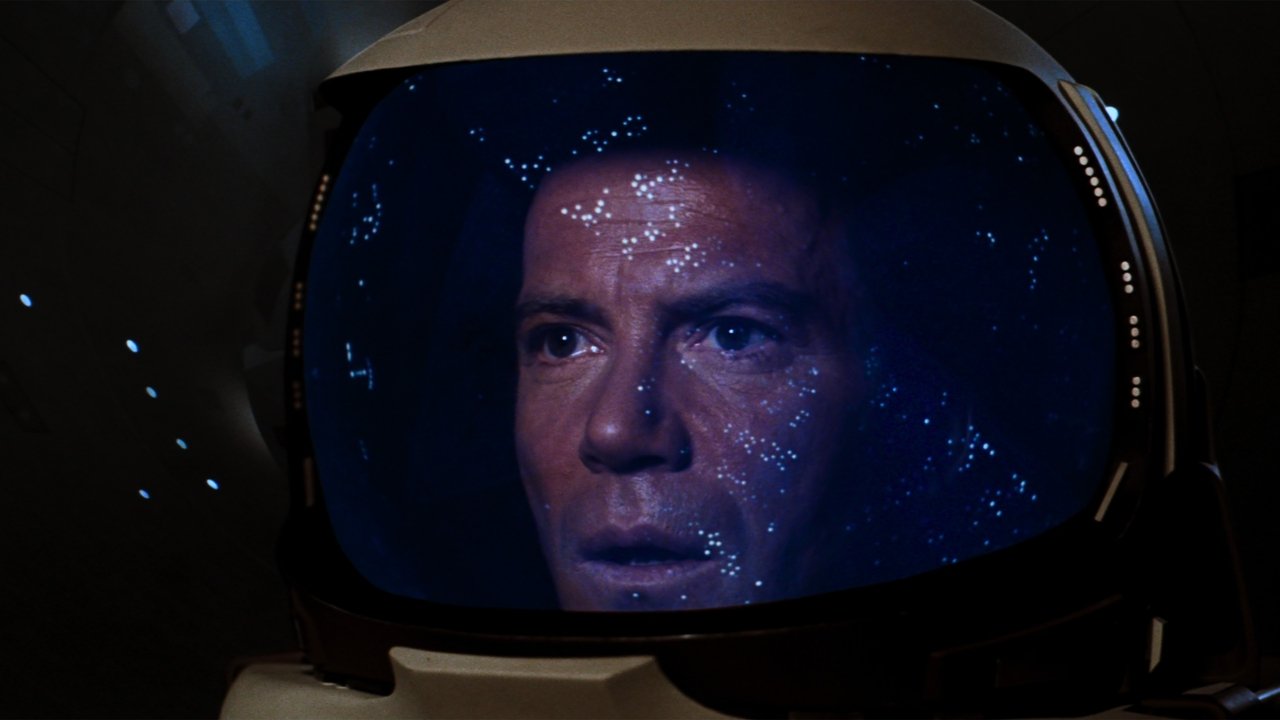
Remember that first extended sequence, the impossibly long shuttle approach and docking with the refit Enterprise? Critics (and some fans) notoriously dubbed this "The Motionless Picture" partly because of sequences like this. Watching it now, though, there's a different appreciation. It’s a love letter to the ship itself, showcasing Matt Jefferies' iconic design, beautifully updated by Andrew Probert and Richard Taylor, with loving detail. It felt real, substantial. This wasn't just a set; it was a vessel preparing for an extraordinary journey. That dedication to visual grandeur, spearheaded by effects legends Douglas Trumbull (2001, Blade Runner) and John Dykstra (Star Wars), who were brought in relatively late after initial struggles, defined the film's identity. The V'Ger cloud, the intricate energy patterns, the sheer scale of the alien vessel – these were visuals designed to inspire wonder, demanding patience from the viewer.
Old Friends, New Uniforms
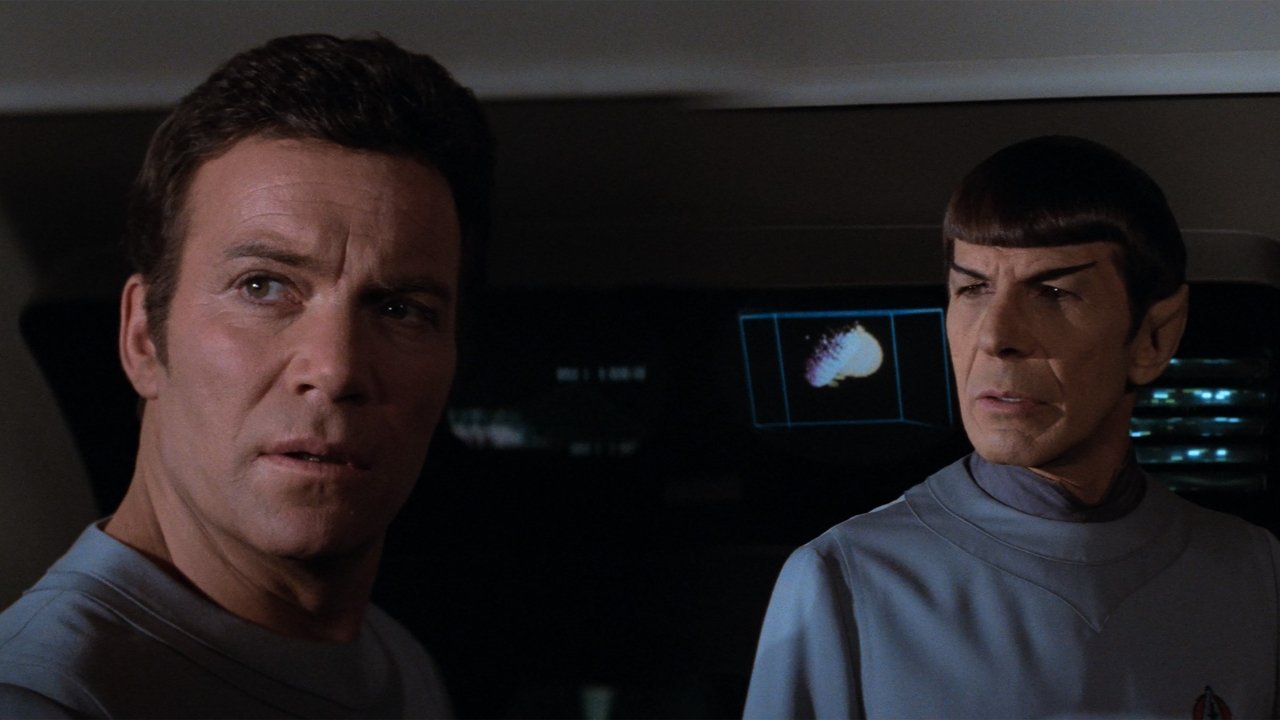
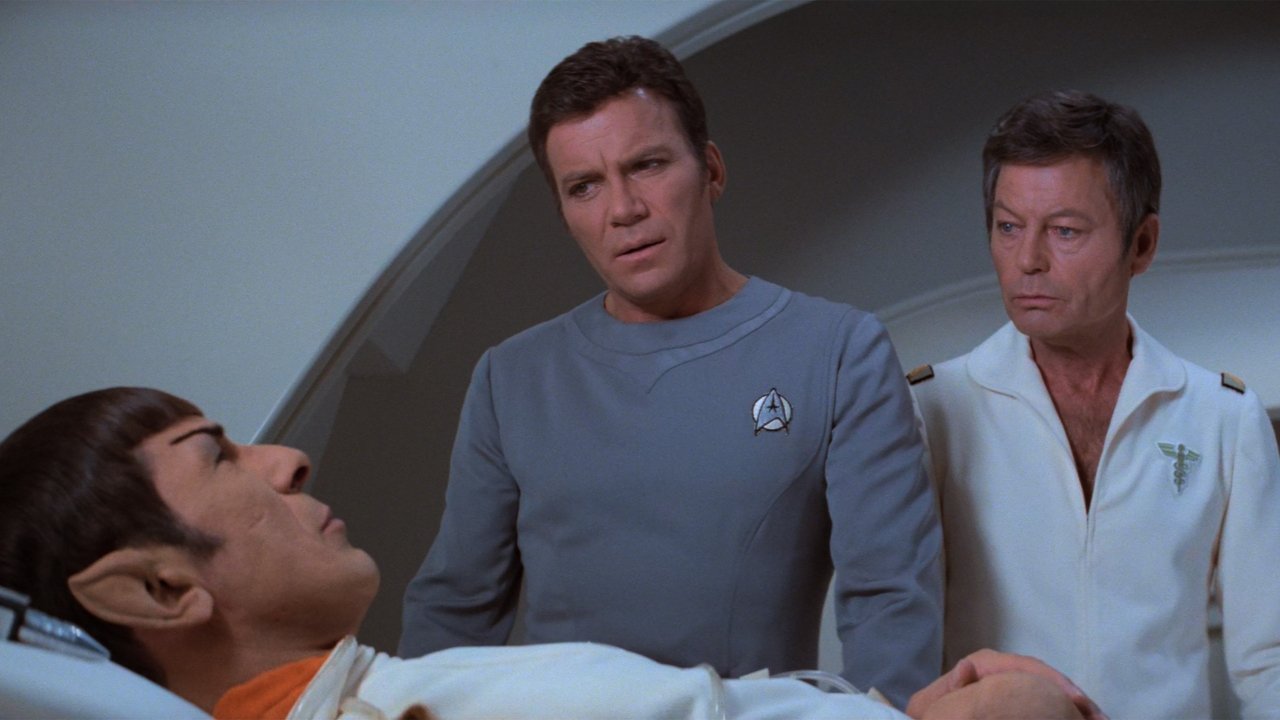
Amidst the spectacle, the familiar faces return, though perhaps subtly changed by time and circumstance. William Shatner’s Admiral Kirk feels different – burdened by his desk job, almost desperately eager to reclaim the center seat, perhaps pushing Captain Decker (the capable Stephen Collins) aside a bit too readily. There’s a vulnerability beneath the command presence. And then there's Leonard Nimoy as Spock. His entrance, after attempting the Vulcan Kolinahr discipline to purge all emotion, is pivotal. Spock's journey throughout the film, sensing the consciousness within V'Ger and finding his own sense of belonging neither purely Vulcan nor purely human, but somewhere unique, becomes the film's emotional core. Nimoy, initially hesitant to return to the role that had typecast him, brings a profound searching quality to Spock here. And DeForest Kelley as McCoy? Grumpy, humane, deeply skeptical of the transporter ("I'm not climbing into that thing!"), he's the vital anchor, the voice of concerned humanity amidst the cold equations and cosmic wonders. Their reunion, the quiet moments of understanding (or exasperation) between them, provides the necessary warmth.
One fascinating tidbit often forgotten is how close we came to not getting this specific reunion. The Phase II series was planned with mostly new characters, with Kirk in a more advisory role and Spock initially absent (though Nimoy was eventually persuaded). The shift to a feature film brought the original trio fully back into the spotlight, a decision crucial to its success.
The Sound of the Cosmos
It's impossible to discuss TMP without lavishing praise on Jerry Goldsmith's score. It’s simply one of the all-time great film scores, period. The main theme, majestic and heroic, became so iconic it was rightfully adopted for Star Trek: The Next Generation. But beyond that unforgettable march, the score is rich with wonder, mystery, and a touch of melancholy. The delicate cues for Ilia (the tragically beautiful Persis Khambatta) and the vast, imposing themes for V'Ger contribute immeasurably to the film's atmosphere. It elevates the visuals, fills the deliberate pauses, and provides the emotional resonance that the sometimes-sparse dialogue doesn't always achieve. Close your eyes and just listen – it feels like exploring the vastness of space.
More Than Just a Motion Picture?
Yes, the pacing can test modern attention spans. The plot, concerning a massive energy cloud of immense power heading towards Earth, destroying everything in its path, unfolds deliberately. The central mystery of V'Ger – what it is, what it wants ("to join with the Creator") – is more philosophical than action-packed. Gene Roddenberry's optimistic vision of humanity reaching out to understand the unknown, even when it's potentially hostile, is front and center. It asks big questions about life, consciousness, and the limitations of pure logic versus the need for human connection and imperfection. Is it sometimes dramatically inert? Perhaps. Does it occasionally get lost in its own visual splendor? Arguably.
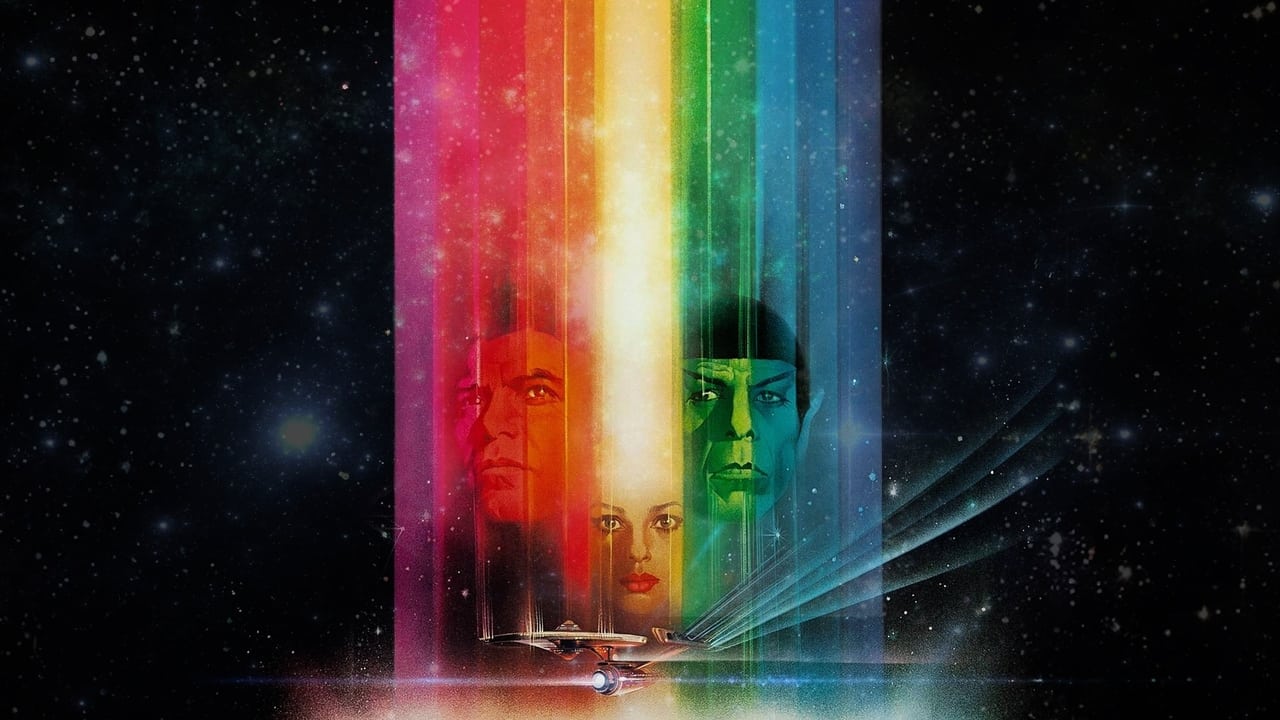
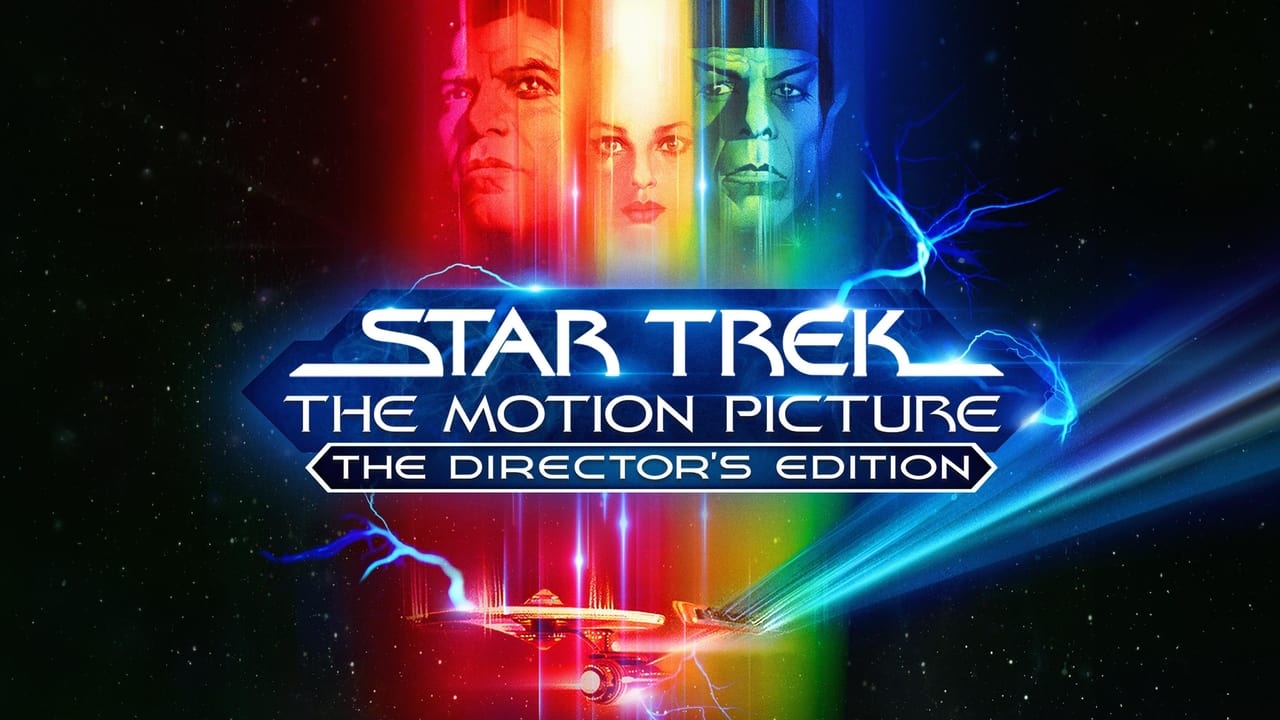
But there's a unique quality to TMP. It stands apart from the rest of the Trek film series. It’s a film that feels like the 1970s trying to grapple with the future – ambitious, sometimes awkward, deeply sincere, and reaching for something profound. It successfully resurrected a beloved franchise, proving Trek could work on a cinematic scale, even if its immediate sequel, The Wrath of Khan (1982), course-corrected towards more direct thrills. I distinctly remember renting this hefty cassette, the cover art promising something epic, and feeling like I was watching something important, even if I couldn't fully articulate why back then.
Rating: 7/10
Star Trek: The Motion Picture earns a solid 7. Its ambition, stunning (if sometimes overlong) visuals, the power of Goldsmith's score, and the welcome return of the core cast exploring genuinely thought-provoking themes anchor its place in sci-fi history. The points are deducted primarily for the sometimes glacial pacing and a script that occasionally feels secondary to the spectacle. However, the film's unique, contemplative tone and its crucial role in relaunching the franchise cannot be understated.
It remains a fascinating piece of Trek history – less an action movie, more a majestic, sometimes meditative voyage into the unknown, demanding patience but rewarding it with a genuine sense of cosmic wonder that few blockbusters even attempt today. What lingers most isn't a specific plot point, but the feeling of vastness, the echo of that incredible score, and the quiet dignity of seeing these familiar characters face something truly beyond their comprehension.