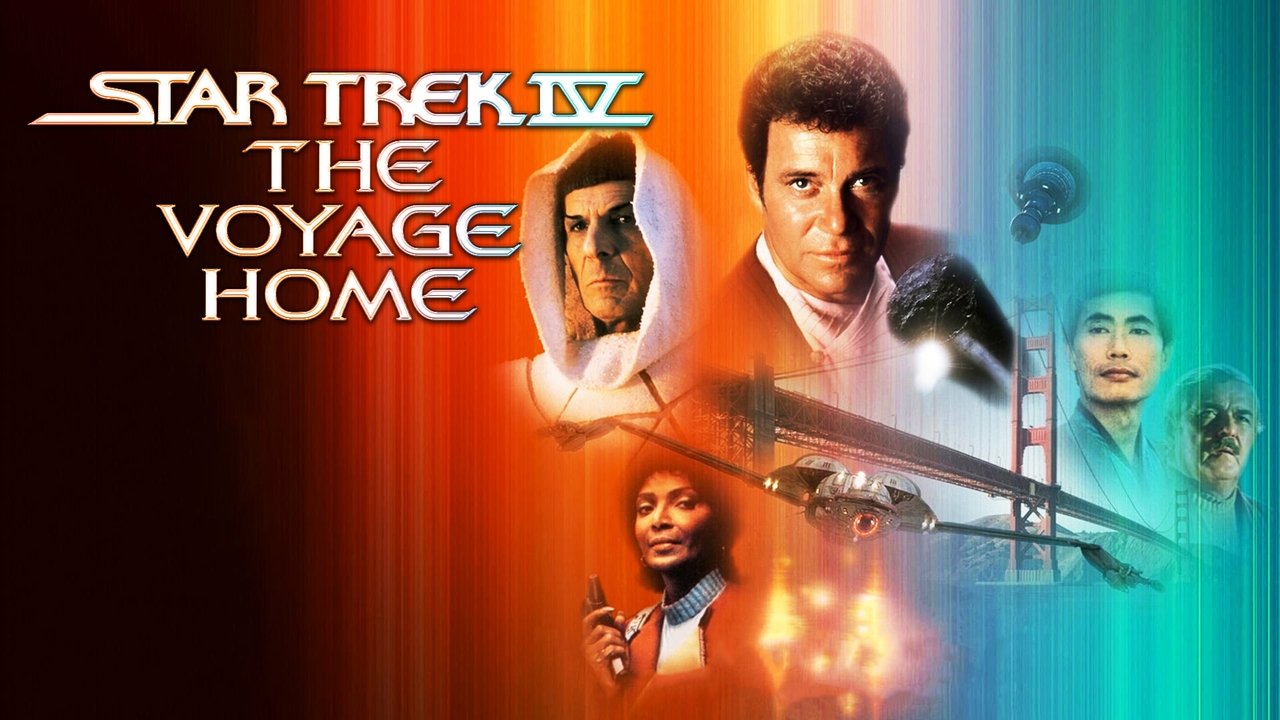
Alright, fellow travelers of the rewind button, let's set the VCR tracking just right and revisit a Star Trek adventure that felt decidedly... different. Forget the grim battles and existential crises for a moment. In 1986, the Enterprise crew warped straight into our hearts, not with phasers set to kill, but with bewildered expressions, punk rock on buses, and a desperate search for humpback whales in downtown San Francisco. I'm talking, of course, about the surprising, delightful, and eternally charming Star Trek IV: The Voyage Home.
### Not Your Usual Space Opera
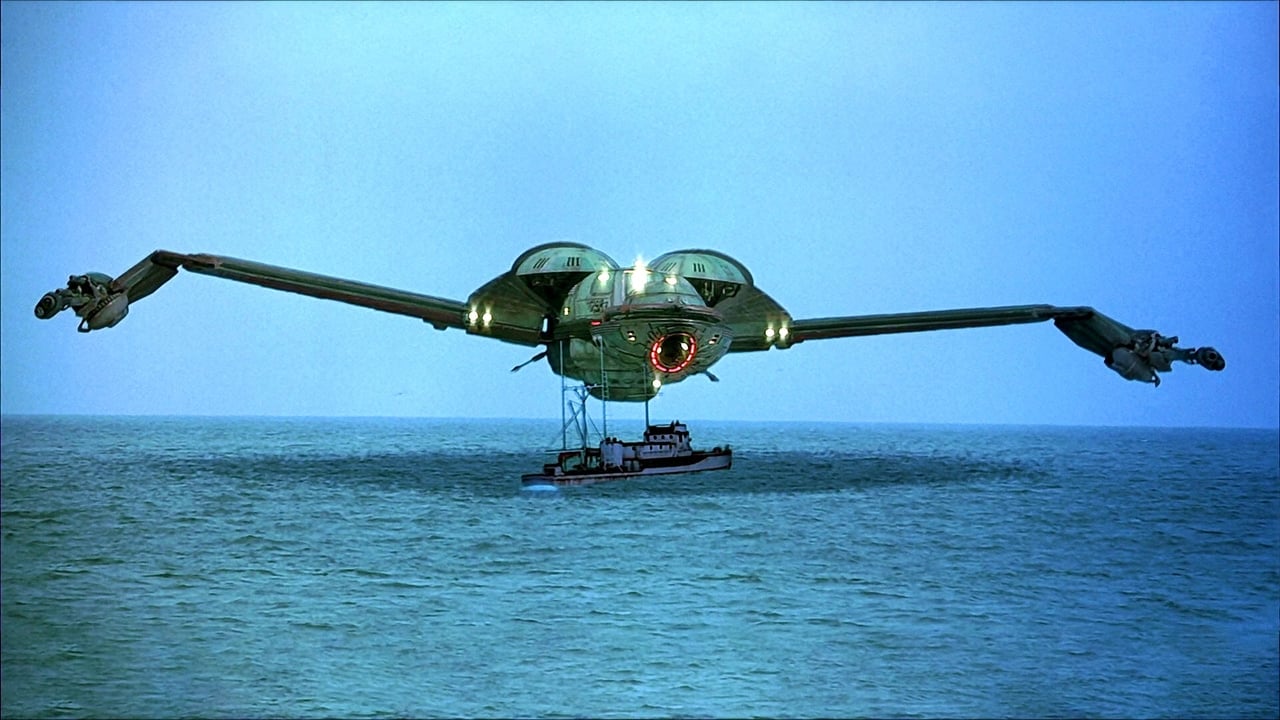
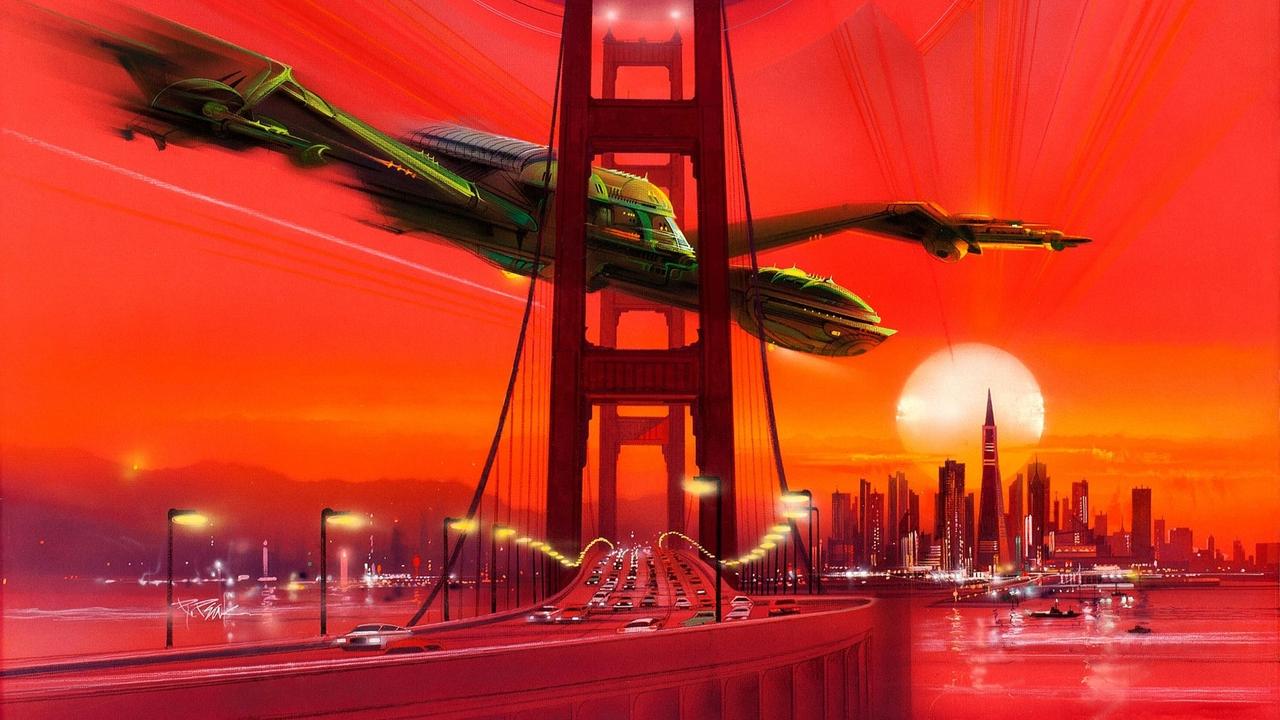
Coming off the emotional rollercoaster of Spock's death in Wrath of Khan and his resurrection in The Search for Spock, nobody quite knew what to expect next. What we got, directed with a wonderfully light touch by none other than Leonard Nimoy himself (pulling double duty after stepping behind the camera for Search for Spock), was less grand space opera and more of a brilliant fish-out-of-water comedy wrapped around a genuinely urgent environmental message. Remember that ominous alien probe silencing Earth, its signal only answerable by creatures long extinct? It was a heck of a setup, sending Kirk and his loyal crew – crammed into a commandeered Klingon Bird-of-Prey, no less – on a slingshot trip around the sun back to the totally tubular 1980s.
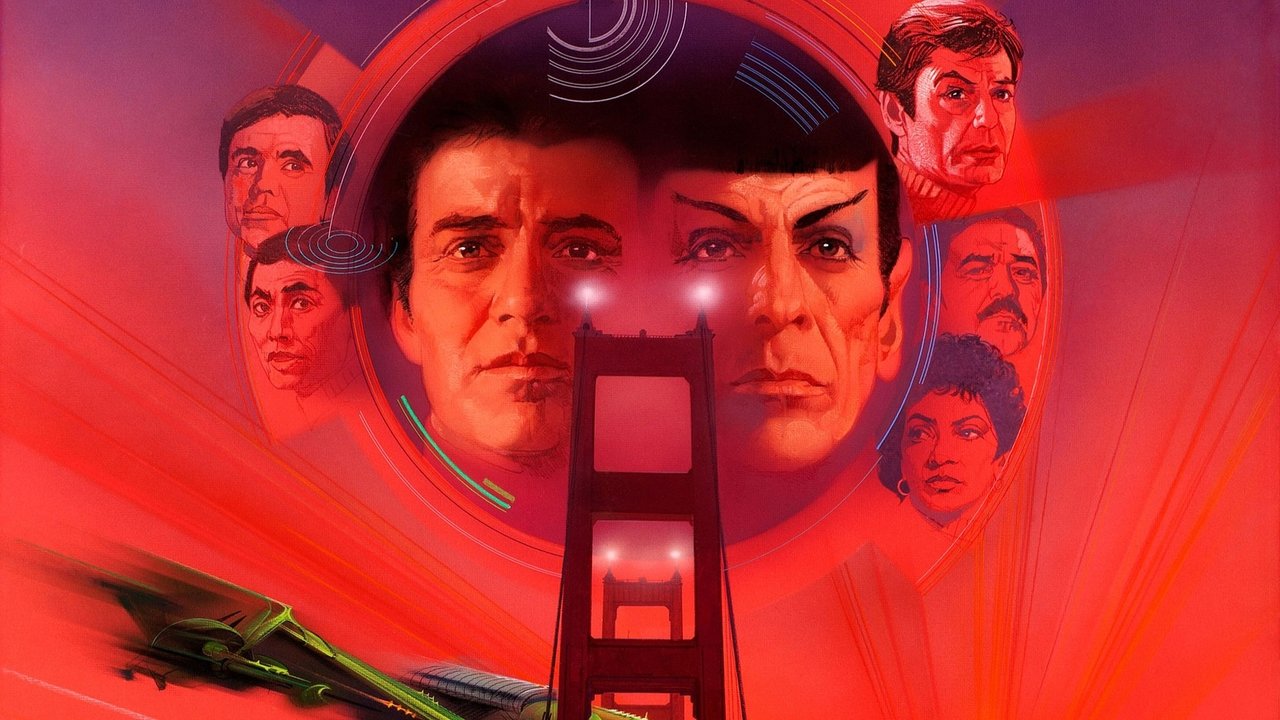
The sheer culture shock is where The Voyage Home finds its comedic gold. Watching these familiar, highly capable officers stumble through 20th-century San Francisco is pure joy. William Shatner’s Kirk, usually commanding the bridge, is hilariously out of his depth trying to navigate buses ("Well, double dumb-ass on you!"). DeForest Kelley’s McCoy mutters about barbaric medicine ("My God, man! Drilling holes in his head is not the answer!"). And Leonard Nimoy delivers a masterclass in understated comedy as Spock, attempting logic on illogical humans, memorably dealing with a boombox-blasting punk via Vulcan nerve pinch. Who could forget Chekov (Walter Koenig) asking passersby for directions to the "nuclear wessels" in Alameda, his Cold War-era accent causing immediate suspicion? These moments aren't just funny; they feel earned, built on characters we already knew and loved, making their awkwardness incredibly endearing.
### Whales, Wonders, and Warmth
Beneath the laughs, the film carries a simple but powerful plea for conservation. The mission to find humpback whales, George and Gracie, to communicate with the probe gives the adventure its heart. The scenes featuring marine biologist Dr. Gillian Taylor, played with infectious energy by Catherine Hicks, add a wonderful human counterpoint to the Starfleet crew. Her fascination with the whales mirrors the audience's own, and her eventual decision to join the crew in the future always felt like such a satisfying payoff – who wouldn't want to see the 23rd century after meeting these guys?
The film looks fantastic too, blending the familiar Trek aesthetic (even on a Klingon ship) with vibrant location shooting in San Francisco and the Monterey Bay Aquarium. Industrial Light & Magic (ILM) delivered some groundbreaking work, particularly with the animatronic whales. While maybe not quite photorealistic by today's standards, back on a fuzzy CRT screen via VHS, those gentle giants gliding through the water felt utterly majestic and real, driving home the tragedy of their potential extinction.
### Retro Fun Facts: More Than Meets the Eye
The Voyage Home wasn't just a creative success; it was a box office phenomenon. Made for a relatively modest $21 million (though still a decent chunk of change in '86!), it beamed up a massive $133 million worldwide, becoming one of the most financially successful Star Trek films ever and proving the franchise had mainstream appeal beyond its dedicated fanbase. Paramount executives were reportedly keen on a lighter story after the heavier themes of the previous two films, and Nimoy, along with producer Harve Bennett and writers like Nicholas Meyer (who directed the legendary Wrath of Khan), delivered spectacularly.
Interestingly, the initial concept was wildly different. There was a version pitched involving comedian Eddie Murphy, a huge Trekkie at the time, playing some sort of UFO-obsessed astrophysicist. Can you imagine? While that collaboration didn't pan out (Murphy went on to make The Golden Child instead), elements of the fish-out-of-water humor certainly echo in the final script. The decision to focus squarely on the established crew navigating the past proved to be a masterstroke, solidifying The Voyage Home as "the one even non-Trekkies like." It even snagged four Academy Award nominations, including Best Cinematography and Best Original Score (by the great Leonard Rosenman).
### The Heart of the Crew
What truly makes this film endure is the undeniable chemistry of the original crew. Shatner, Nimoy, and Kelley are the irreplaceable core, their banter feeling as comfortable and familiar as slipping on an old pair of jeans. Even supporting players like James Doohan (Scotty trying to talk to a computer mouse), George Takei (Sulu piloting a Huey helicopter), and Nichelle Nichols (Uhura handling 20th-century tech) get their moments to shine. Nimoy's direction clearly understood that the people were the heart of Star Trek, even amidst whale songs and time paradoxes. I always felt a particular warmth watching this one; maybe it was the relief after Spock's ordeal, or just the sheer fun of seeing our heroes save the day with charm and ingenuity instead of torpedoes. It felt like visiting old friends on a particularly entertaining adventure.
### Final Voyage Verdict
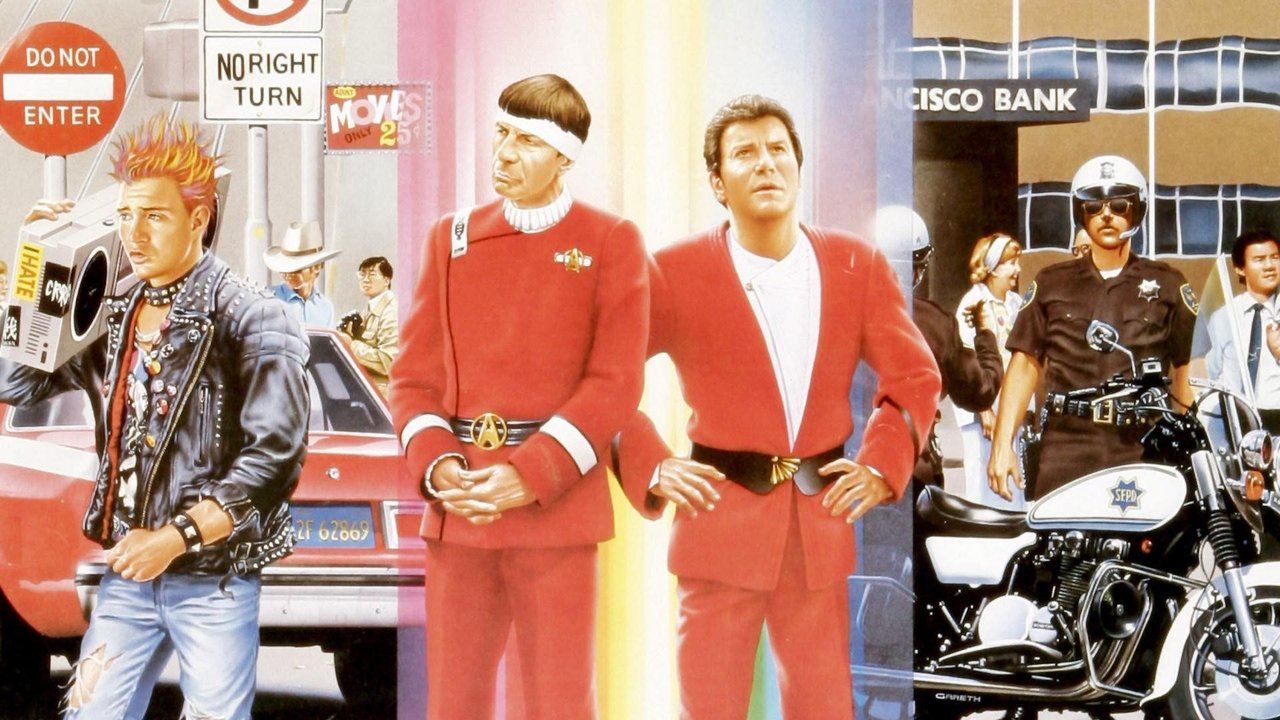
Star Trek IV: The Voyage Home is that rare beast: a sci-fi sequel that broadens its appeal without sacrificing the spirit of the original. It’s funny, optimistic, exciting, and carries a message that remains relevant. It perfectly captured a moment in the 80s while also feeling timelessly Trek. Watching it again is like finding a beloved mixtape – full of familiar beats that instantly bring a smile to your face. It’s proof that sometimes, the most engaging voyages are the ones closest to home, even if you have to travel 300 years to get there.
Rating: 9/10 - A near-perfect blend of sci-fi adventure, character-driven comedy, and heartfelt message. It’s accessible, endlessly rewatchable, and represents the Star Trek franchise at its most purely enjoyable and optimistic. Minor quibbles about 80s fashion aside, it’s a triumphant entry that still beams brightly.
So, pop that tape in (or fire up the streaming equivalent), ignore the bewildered looks from younger generations, and remember a time when saving the future meant saving the whales – and maybe grabbing some pizza in Sausalito.