Ah, 1999. The dial-up modem sang its screechy song, the future felt tantalizingly close, and for gamers who’d spent countless hours defending the Terran Confederation on their PCs, the arrival of a Wing Commander movie felt like a validation. Directed by the game series' own creator, Chris Roberts, this wasn't just another sci-fi flick; it was meant to be the definitive translation of pixelated space battles to the silver screen grandeur we dreamed of. The anticipation was palpable – would it capture the thrill of launching Vipers… sorry, Rapiers… from the flight deck of the TCS Tiger Claw?
All Systems… Not Quite Go
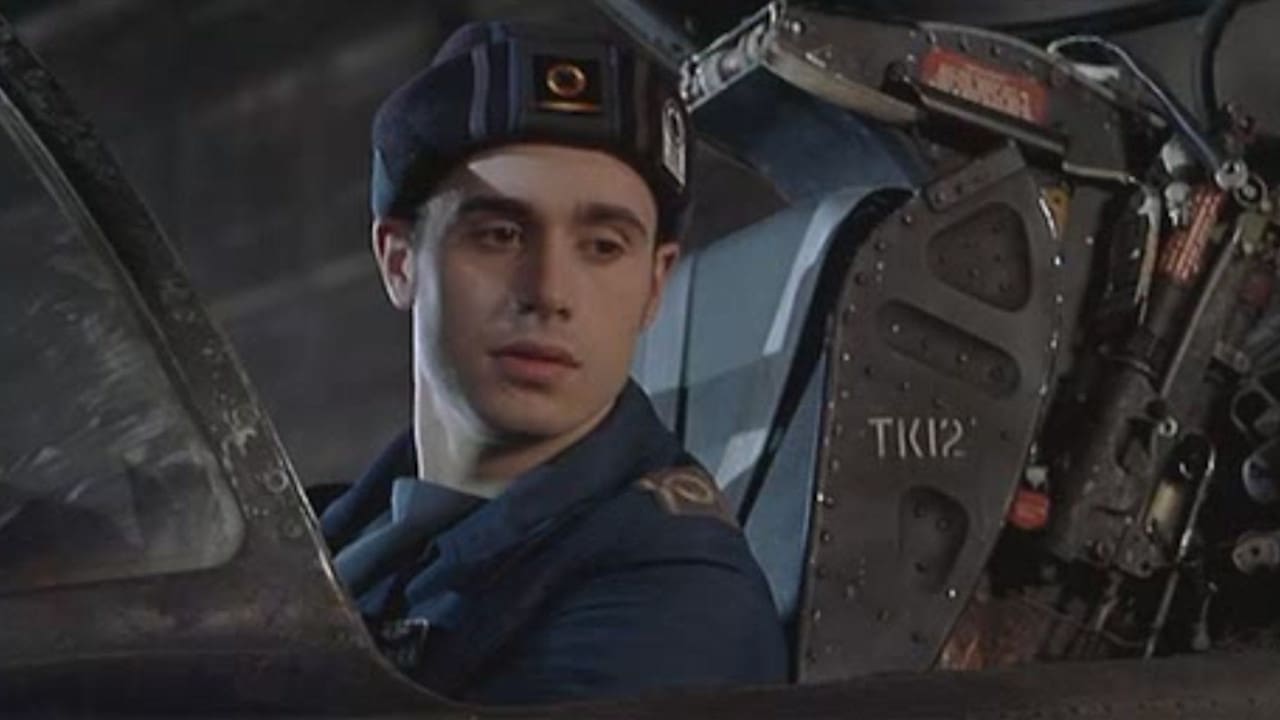
Stepping into the cockpit alongside Freddie Prinze Jr. as the hotshot rookie Christopher Blair and Matthew Lillard as his charismatic wingman Maniac Marshall, you could almost feel the potential energy. These guys were peaking in late-90s popularity, fresh off hits like She's All That and Scream. The film throws us straight into the familiar conflict: humanity versus the predatory, feline Kilrathi. Our heroes, aboard the carrier TCS Tiger Claw under the command of Captain Sansky (played with weary gravitas by David Warner) and aided by the stern but capable Deveraux (Saffron Burrows), must deliver vital coordinates to prevent a devastating Kilrathi attack on Earth. The setup has all the classic space opera ingredients – ticking clocks, daring pilots, and galaxy-threatening stakes.
Unfortunately, where the games excelled in immersive storytelling and white-knuckle action, the film often feels like it’s navigating through an asteroid field of its own making. Roberts, pulling double duty as director and producer on his first major feature, clearly had a vision, but translating the dynamic feel of the games proved challenging. The plot, penned by Kevin Droney and Roberts, streamlines much of the game's rich lore, introducing a controversial "Pilgrim" backstory for Blair that felt like a significant departure for many hardcore fans. It aimed for mythic resonance but sometimes landed closer to confusing exposition dumps.
Visual Flights and Fumbles
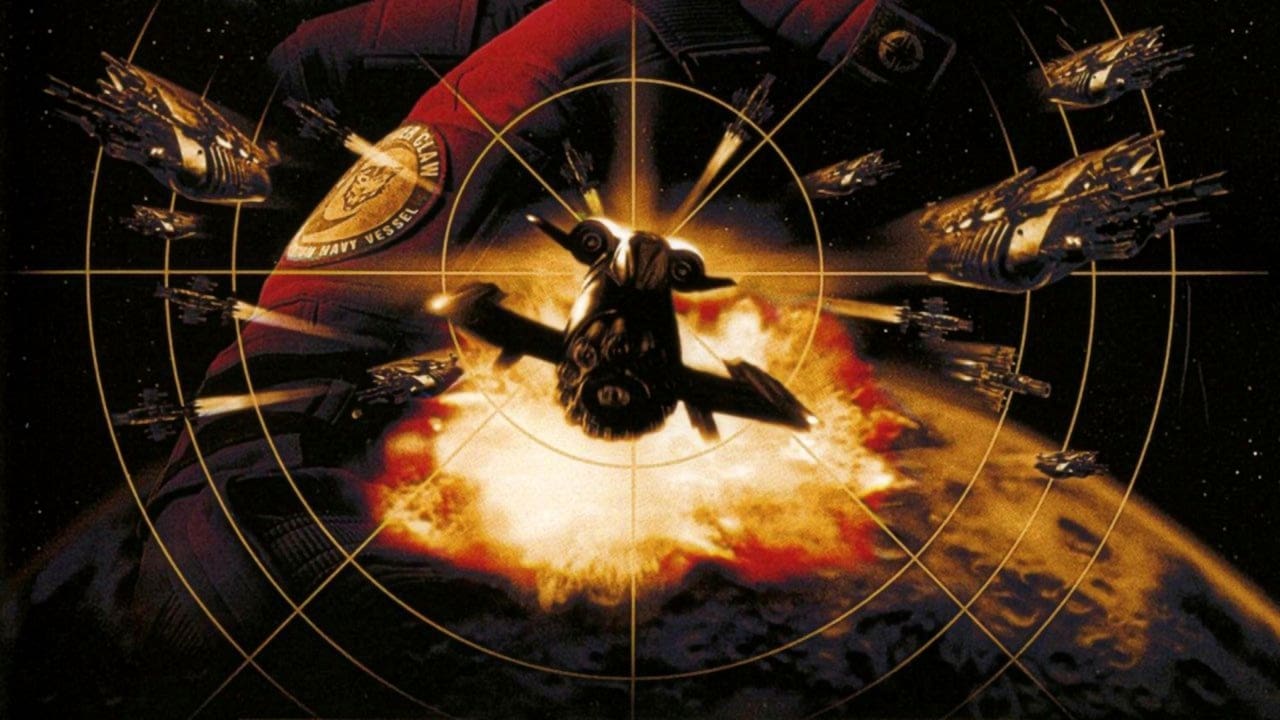
Visually, Wing Commander is a fascinating time capsule of late-90s CGI ambitions meeting budgetary reality. With a reported $30 million budget – not insignificant, but facing off against giants like The Phantom Menace and The Matrix released the same year – the space combat sequences have a distinct look. They lack the weight and kinetic punch of the very games they adapt, often feeling a bit like, well, a cutscene from the era. Yet, there's a certain charm to the effort. The Kilrathi, redesigned from their classic game appearance into something more reptilian and realised through animatronics and puppetry, were a bold choice, though one that didn't entirely win over the fanbase.
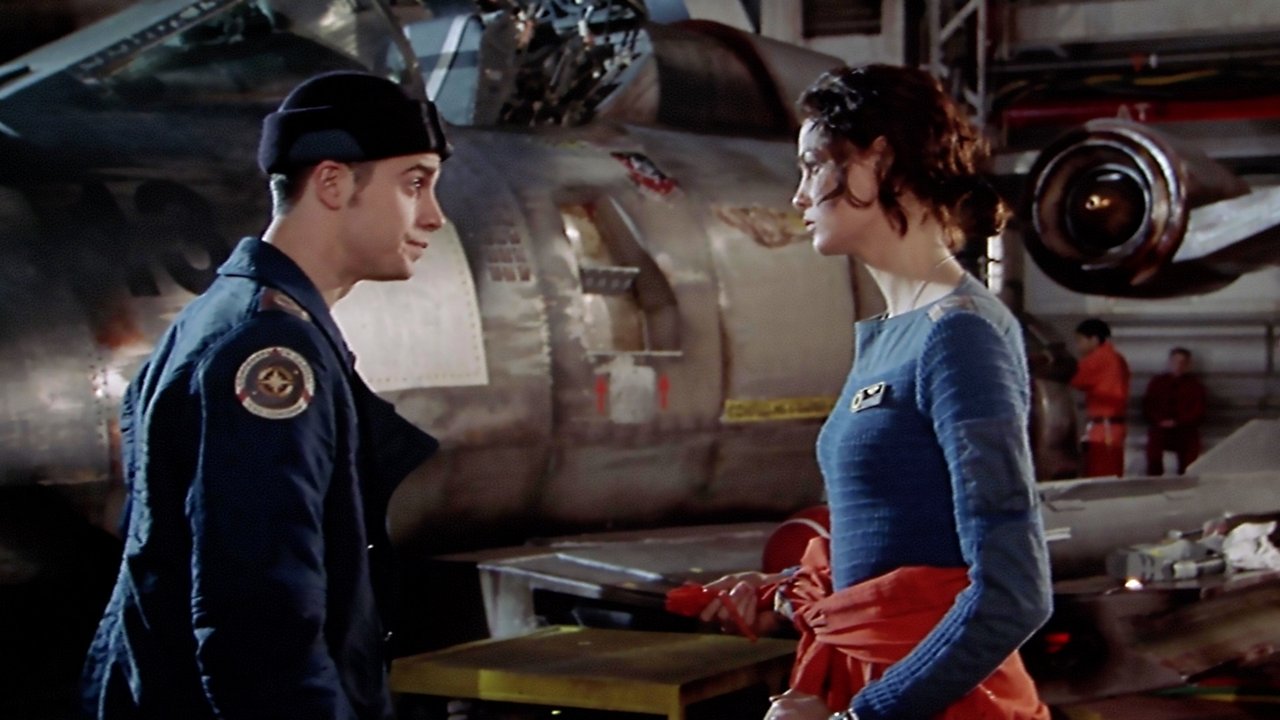
Interestingly, the practical sets, particularly the dimly lit, submarine-esque interiors of the Tiger Claw, hold up reasonably well. They evoke a sense of claustrophobia and grit, grounding the space opera elements. You can almost smell the recycled air and engine oil. This practical element feels very much of its time, a reminder of when sci-fi still relied heavily on physical builds alongside burgeoning digital effects. One fun piece of trivia: the film was shot largely at Luxembourg's national audiovisual production centre – perhaps not the first place you'd associate with interstellar warfare!
Navigating the Nebula of Expectations
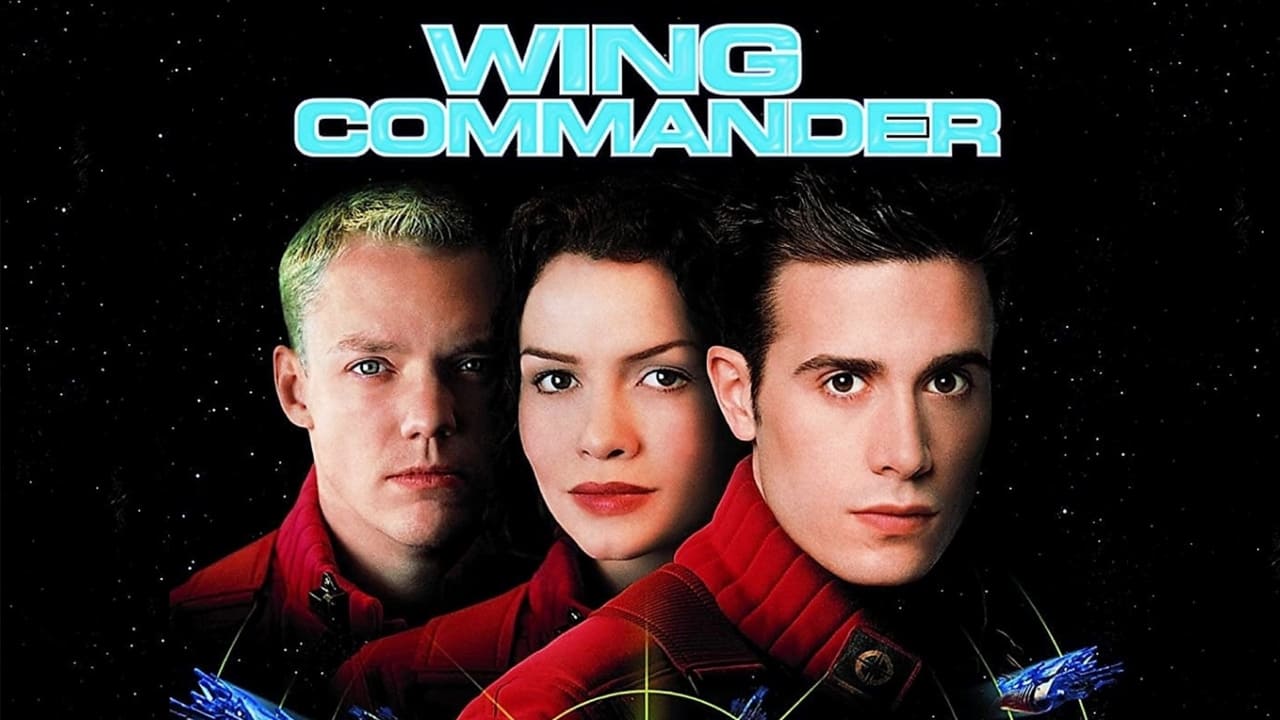
The casting, while featuring popular faces, felt slightly misaligned with the established game characters for some viewers. Prinze Jr. brings his earnest charm, but his Blair feels less like the player-controlled everyman and more like a standard Hollywood rookie. Lillard, freed from the constraints of playing Shaggy (well, almost), injects much-needed energy as Maniac, though even his trademark goofiness feels slightly muted. Saffron Burrows (Deep Blue Sea, Troy) as Angel Deveraux provides a capable presence, hinting at a deeper character than the script always allows.
The film struggled commercially, grossing only around $11.6 million worldwide against its budget. Critics were generally unkind, and even many fans of the games felt let down by the changes to lore and the somewhat lackluster execution. It’s a classic case of a passion project perhaps needing a more experienced directorial hand to navigate the complexities of a major studio production and translate the magic of an interactive medium. There were whispers of studio interference and a rushed post-production schedule, common ailments for ambitious projects that don't quite land.
Final Approach
So, why revisit Wing Commander now? It’s a fascinating artifact. It represents that specific late-90s moment when video games were making serious, sometimes clumsy, bids for cinematic legitimacy. It’s flawed, certainly – the pacing drags in places, the dialogue can be clunky, and the effects haven't aged like fine wine. But there’s an undeniable sincerity to it. You can feel Chris Roberts' love for his creation, even if the translation got lost somewhere in hyperspace. For those of us who eagerly slid that tape into the VCR, hoping for the ultimate Wing Commander experience, it’s a potent hit of nostalgia, tied up with the memory of what could have been.
VHS Heaven Rating: 4/10
The score reflects the film's significant shortcomings: a muddled script that alienated fans, dated special effects, and performances that don't quite capture the spirit of the source material. However, it avoids a lower score due to its earnest ambition, some effective practical set design, and its undeniable status as a noteworthy (if flawed) piece of late-90s sci-fi and video game adaptation history.
It wasn't the triumphant victory lap fans hoped for, but Wing Commander remains a curious nebula in the vast galaxy of 90s sci-fi – worth exploring, perhaps, if only to remember when game creators dreamed of conquering Hollywood, one starfighter at a time.