Okay, fellow travellers on the rewind river, let’s cue up a tape that promised something truly monumental: the cinematic passing of the torch, the meeting of legends. I remember the buzz surrounding 1994’s Star Trek: Generations. After years ruling the small screen, the crew of the Enterprise-D was finally warping onto the big one, and they were bringing Captain Kirk along for the ride! The potential felt infinite, like staring into the star-dusted heart of the Nexus itself. Pulling that chunky cassette from its cardboard sleeve felt like unlocking a piece of Federation history.
A Tale of Two Captains (and an Energy Ribbon)
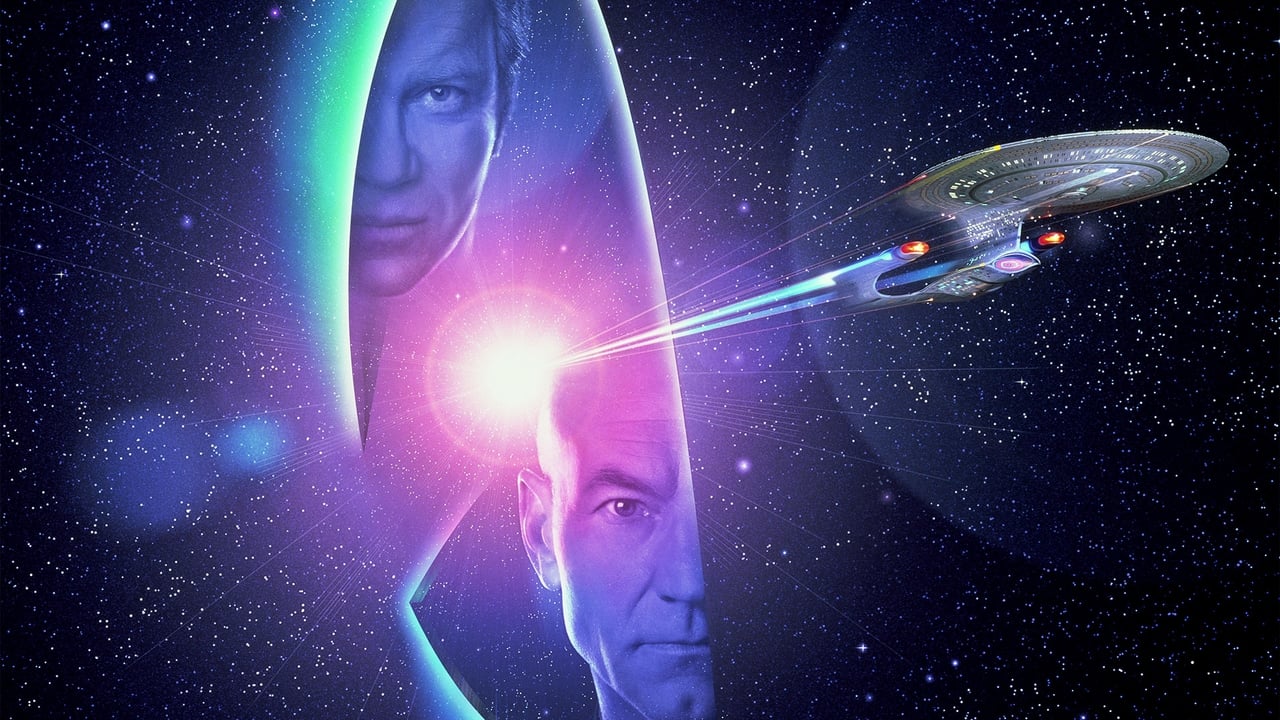
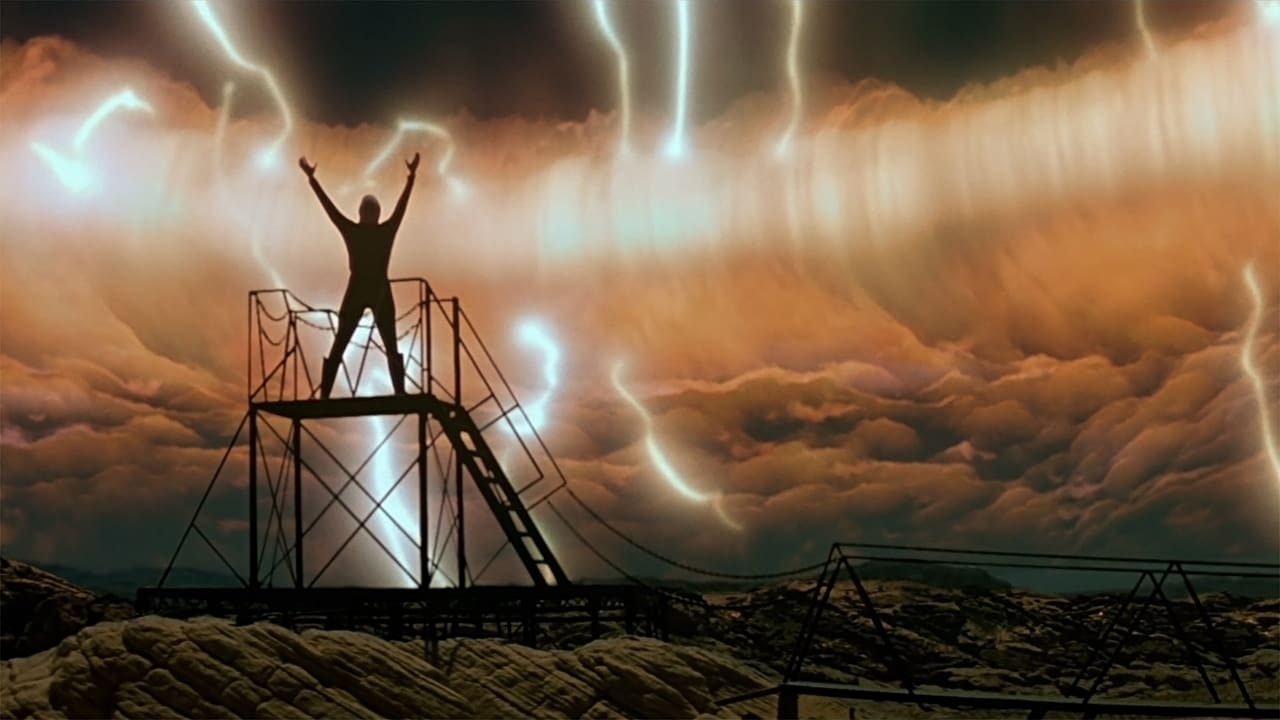
The premise alone was enough to get any Trek fan’s heart pounding like a warp core breach was imminent. An encounter with a mysterious energy ribbon, the Nexus, seemingly claims the life of the legendary Captain James T. Kirk (William Shatner) during the maiden voyage of the Enterprise-B in 2293. Fast forward 78 years, and Captain Jean-Luc Picard (Patrick Stewart) and his accomplished Next Generation crew face their own challenges: personal loss for Picard, Data (Brent Spiner) grappling with newfound emotions via an experimental chip, and a rogue El-Aurian scientist named Dr. Tolian Soran (Malcolm McDowell). Soran, obsessed with returning to the idyllic, timeless reality within the Nexus, is willing to destroy entire star systems to alter its path and re-enter it. This sets the stage for a unique convergence, a plot device designed explicitly to bring these two iconic Starfleet captains face-to-face.
Directed by David Carson, who had honed his skills directing several acclaimed episodes of Star Trek: The Next Generation and Deep Space Nine, Generations had the daunting task of satisfying two generations of fans while launching a new film franchise. You can feel the weight of that responsibility throughout the picture. The script, hammered out by Trek veterans Ronald D. Moore and Brannon Braga (from a story conceived with Rick Berman), tries to juggle Picard’s very personal, melancholic arc about family and mortality with explosive sci-fi action and, of course, the main event: Kirk meets Picard.
Bridging the Eras, Visually and Tonally
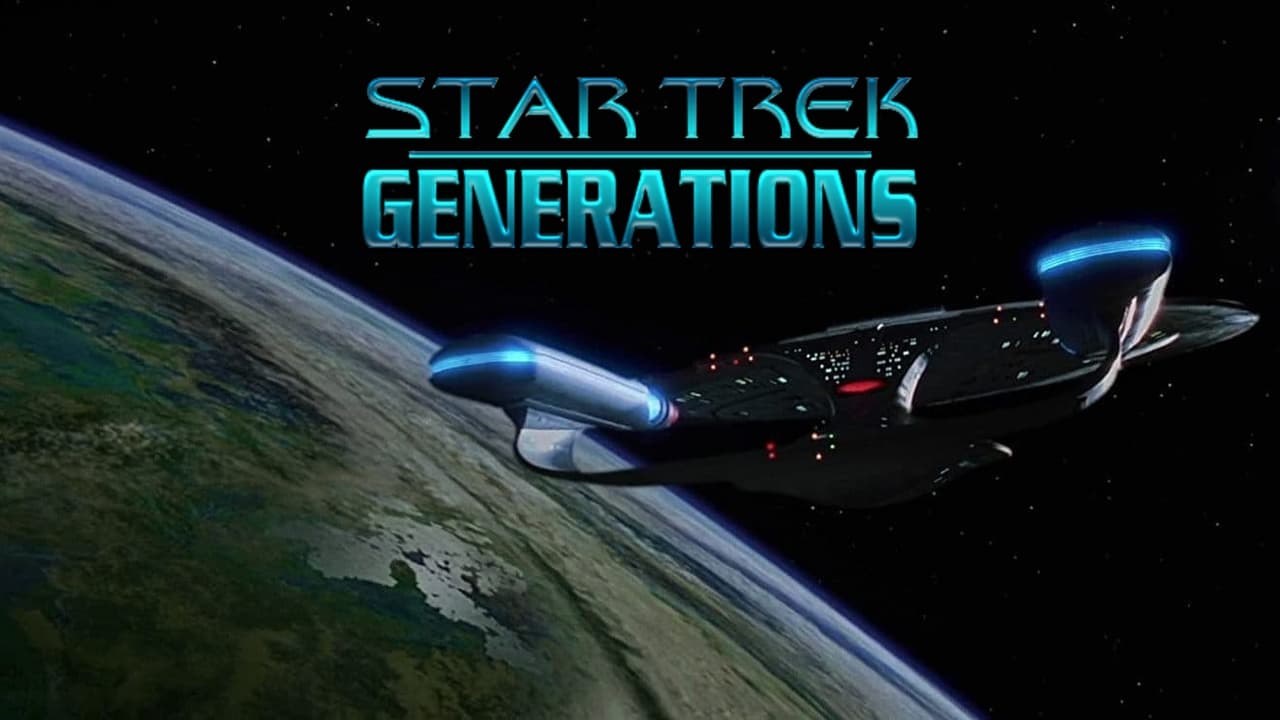
Visually, Generations certainly felt like a step up from the television series, shot with a budget of around $35 million. The sequence involving the Duras sisters' Bird-of-Prey attacking the Enterprise-D is a standout, culminating in the spectacular, and genuinely heart-wrenching for fans, crash-landing of the saucer section. Seeing that beloved ship, our home for seven seasons, torn apart and ploughing through the forests of Veridian III (filmed largely in Nevada's Valley of Fire State Park) was a real gut punch – a sign that things were changing, permanently. The practical model work combined with emerging CGI holds up surprisingly well, giving the destruction a tangible weight. Dennis McCarthy's score effectively blends familiar TNG motifs with more cinematic grandeur, though perhaps lacks a truly iconic new theme.
Patrick Stewart anchors the film brilliantly, bringing his Shakespearean gravitas to Picard's quiet grief and philosophical musings. His scenes dealing with the imagined family life inside the Nexus are genuinely moving. Malcolm McDowell, no stranger to playing charismatic villains (think A Clockwork Orange), brings a chilling single-mindedness to Soran. He's not just mustache-twirling; his obsession stems from profound loss, making him a more compelling, if utterly ruthless, antagonist. Meanwhile, Brent Spiner gets some comic relief moments with Data's emotion chip, though this subplot occasionally feels a little disconnected from the main thrust of the narrative.
Retro Fun Facts: Behind the Nexus
The journey to screen wasn't simple. The pressure was immense, and the filmmakers knew the Kirk-Picard meeting was the money shot. Interestingly, the original scripted death for Kirk was less heroic – shot in the back by Soran. Test audiences reacted poorly, leading to expensive reshoots that gave us the more action-oriented demise on the bridge structure. This change highlights the tightrope walk the production faced: honoring a legend versus serving the new story. The film performed respectably, pulling in about $120 million worldwide, proving the TNG crew had theatrical pull, but critical reception was decidedly mixed (currently sitting at a lukewarm 48% on Rotten Tomatoes and a 6.4 on IMDb). Some found the Nexus plot convoluted, and the much-anticipated team-up between Kirk and Picard, while pleasant, perhaps lacked the epic spark many hoped for. And spare a thought for Malcolm McDowell – he reportedly received death threats from distraught fans for being the man who killed Captain Kirk!
(Minor Spoiler Alert Ahead!)
The Nexus Conundrum and Kirk's Farewell
And that brings us to the core of the film, both its biggest selling point and its most debated aspect: the meeting in the Nexus and Kirk's ultimate fate. The Nexus itself is beautifully realized, a swirling temporal paradise where desires manifest. Seeing Picard find Kirk chopping wood, living a rustic fantasy, is certainly a moment. Their interactions are… fine. Shatner slips back into Kirk mode easily, but the dialogue doesn't quite crackle with the energy one might expect from such a legendary meeting. It feels more like a polite handover than a dynamic team-up.
Then there's Kirk's death. While the reshot version allows him a final heroic act, saving the day alongside Picard, it still felt abrupt and somewhat underwhelming for many longtime fans. Did it serve the story? Yes. Did it feel like a truly fitting end for one of science fiction's most enduring heroes? That remains a point of contention in Trek fandom to this day. It feels functional rather than profoundly moving.
Final Transmission
Star Trek: Generations is a fascinating, if flawed, piece of Trek history. It successfully transitioned the TNG crew to the big screen, setting the stage for the far superior Star Trek: First Contact (1996), and gave us the novelty of seeing Kirk and Picard share the screen. It boasts strong performances, particularly from Stewart and McDowell, and delivers some impressive visual spectacle, especially the Enterprise-D's demise. However, the plot mechanics feel a bit forced at times, the emotional core gets occasionally sidelined by subplots, and the legendary team-up doesn't quite reach the stars. It’s a film caught between eras, trying to serve two masters and not entirely succeeding with either, yet its ambition and key moments make it essential viewing for understanding the evolution of the franchise.
Rating: 6/10
The score reflects a film that achieves its primary goal – bridging the gap – but does so with some narrative stumbles and a central pairing that feels slightly less than the sum of its legendary parts. The spectacle is there, and Picard's personal story resonates, but the execution of Kirk's farewell and the overall Nexus plot leave it feeling somewhat compromised.
Still, popping this tape in always feels like opening a significant chapter in the Starfleet logs – a bittersweet, slightly awkward, but undeniably important handover ceremony under the strange glow of the Nexus ribbon.