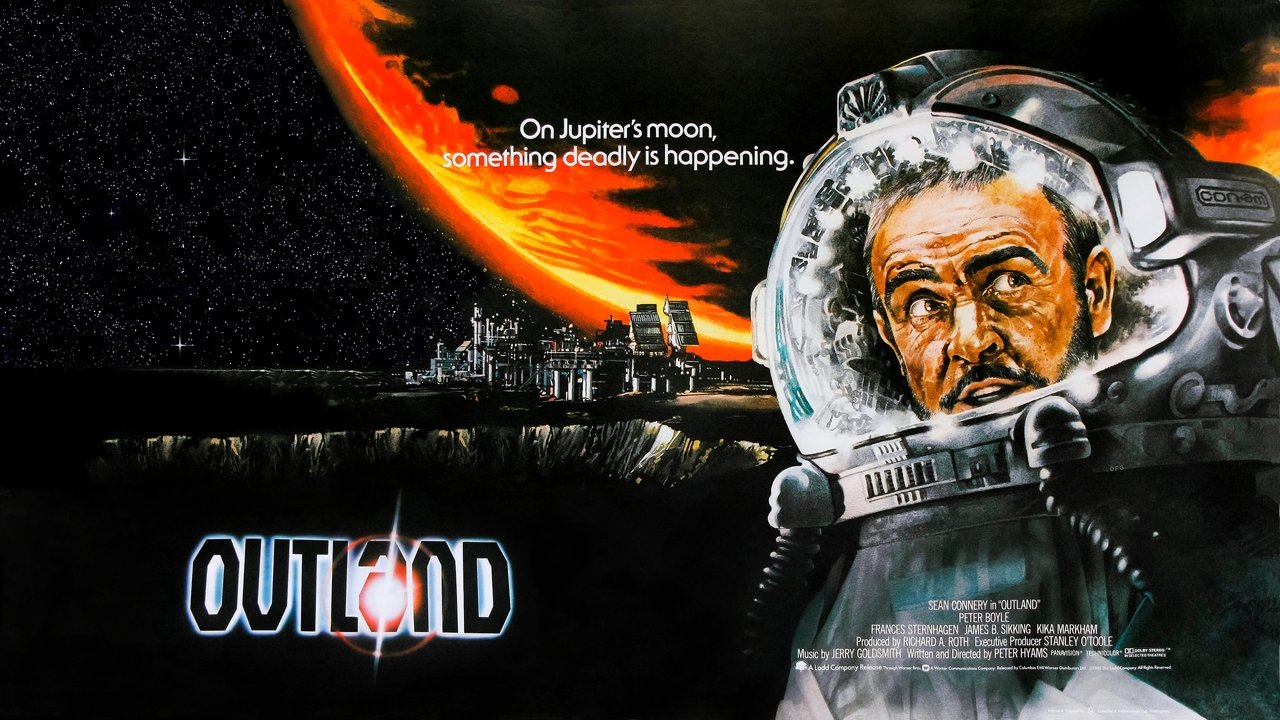
The air hangs thick and recycled, tasting faintly of metal and desperation. Outside, the crushing vacuum of space presses against the thin walls of Con-Amalgamate Mining Operation #27 on Io, Jupiter's volcanic moon. Inside, the pressure is just as intense, generated not by Jovian gravity but by human greed and isolation. Welcome to the grim frontier depicted in Peter Hyams' 1981 sci-fi thriller, Outland – a film that felt less like escapism and more like a chilling glimpse into a potential future, beamed onto our CRT screens via trusty VHS.

The Lawman on the Edge
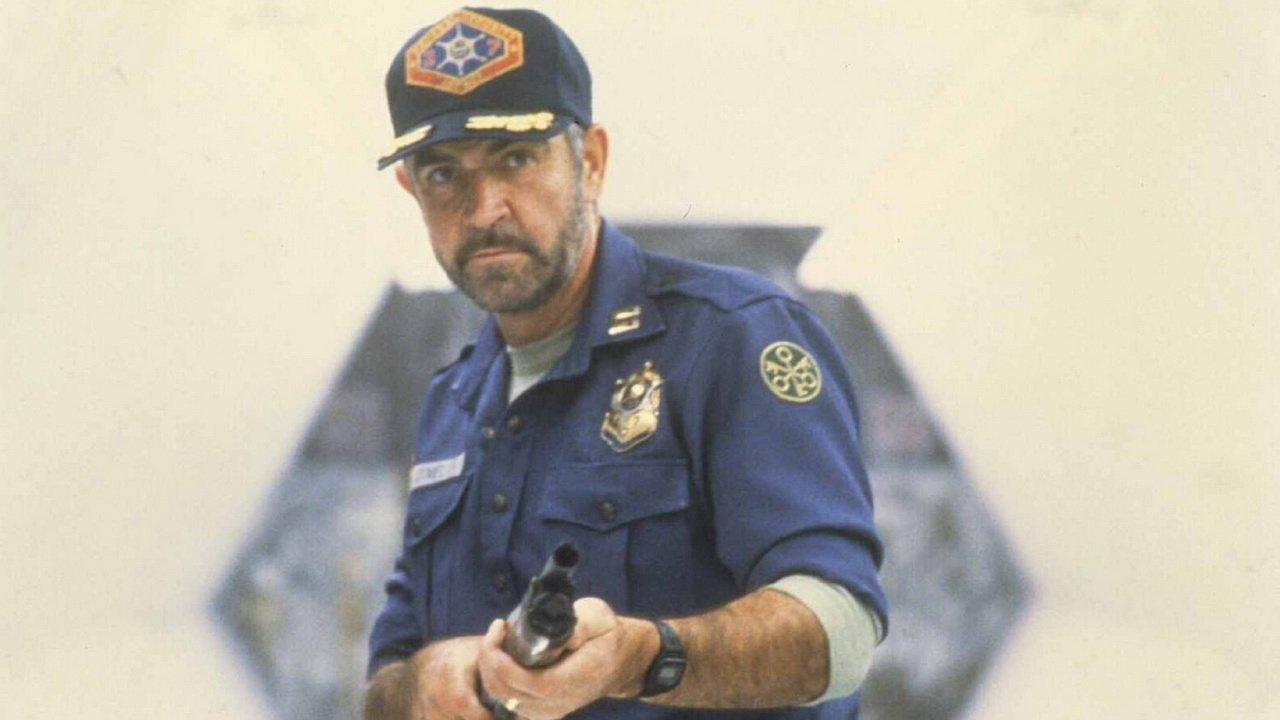
Forget gleaming starships and noble explorers. Outland presents a future smeared with industrial grime, populated by weary workers pushed to their limits for corporate profit. Into this powder keg steps Federal Marshal William T. O'Niel, played with a world-weary gravitas that only Sean Connery, then firmly establishing his post-Bond career, could provide. O'Niel isn't looking for trouble; he just wants to serve his year-long tour and get his wife and son off this godforsaken rock. But trouble finds him when miners start dying in bizarre, violent ways – psychotic breaks leading to explosive decompression or strolls into laser grids. It's a grim reality check delivered with unsettling practicality. Connery reportedly took the role precisely because, despite the futuristic setting, the script felt grounded in relatable human conflict and character, a sentiment that clearly translates to the screen.
Atmosphere is Everything
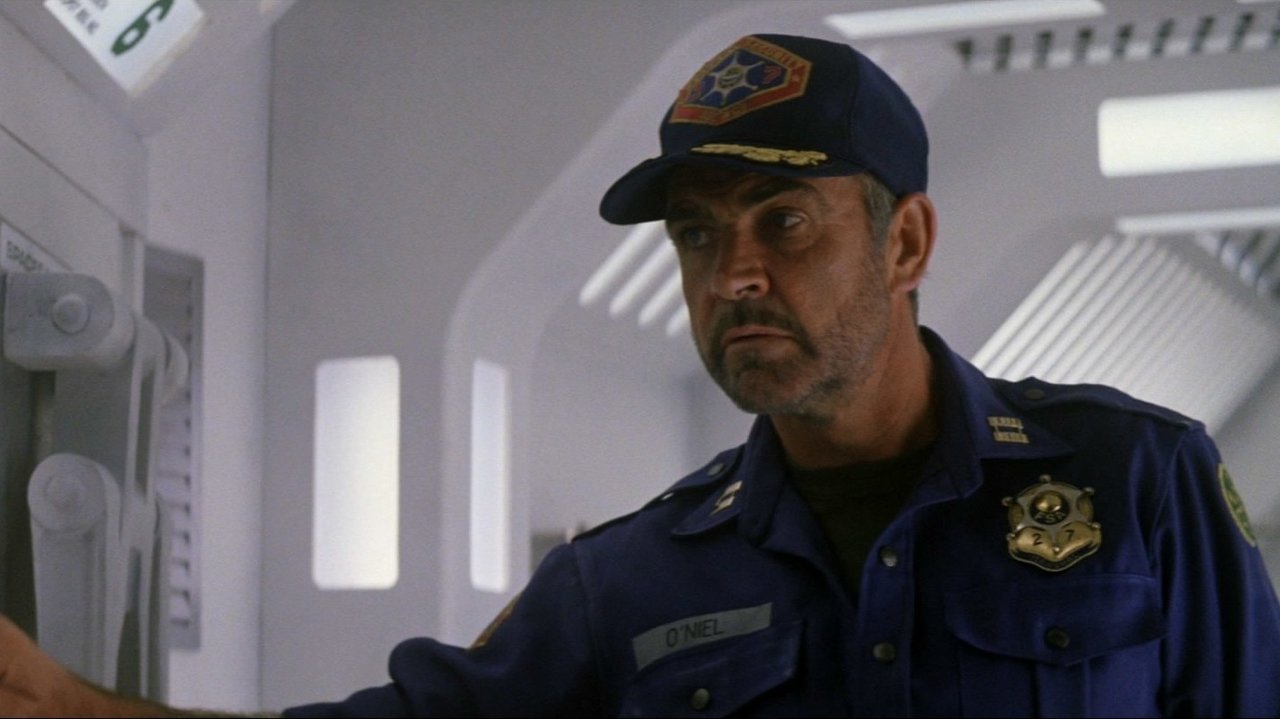
What truly sears Outland into memory is its suffocating atmosphere. Writer-director-cinematographer Peter Hyams crafts a vision of space colonization utterly devoid of romance. The mining complex is a labyrinth of utilitarian corridors, cramped bunk rooms, and shadowy docking bays. The exteriors, often achieved using the then-innovative Introvision front projection system (which allowed actors to be more convincingly integrated with miniature backgrounds than traditional bluescreen), depict Io as a hostile, sulphur-stained hellscape under the baleful eye of Jupiter. Hyams' decision to shoot the film himself ensures a cohesive, claustrophobic visual language. You can almost smell the stale air and feel the grit under your fingernails. Remember how tangible that felt, watching the tape whir in the VCR late at night? The low hum of the machine seemed to blend perfectly with the film's industrial thrum.
High Noon on Io
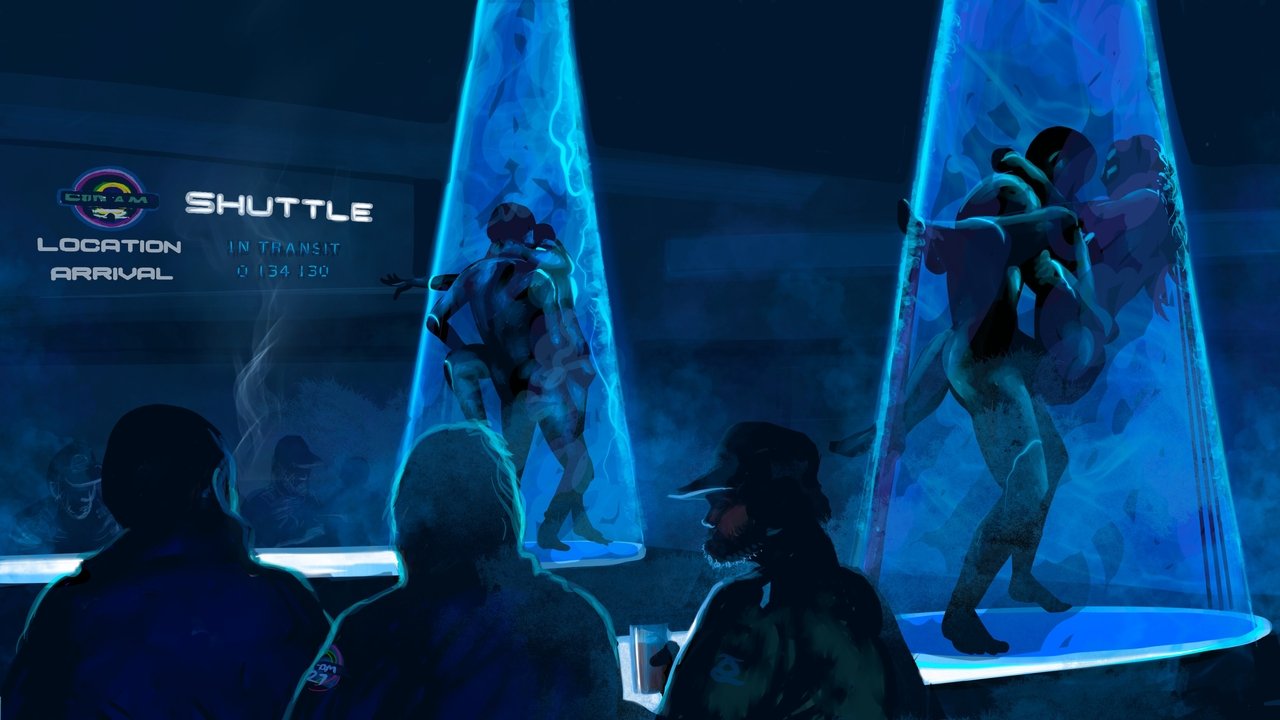
As O'Niel investigates, he uncovers a conspiracy involving a dangerous performance-enhancing drug pushed by the station manager, Mark Sheppard (Peter Boyle, oozing cynical slime). When O'Niel disrupts the operation, Sheppard calls in off-world assassins, due to arrive on the next shuttle. This setup deliberately echoes the classic Western High Noon – the lone lawman abandoned by the populace he protects, facing down hired guns on a strict timetable. Hyams makes no secret of this influence, masterfully translating Western tropes into a compelling sci-fi narrative. The vast emptiness of space replaces the dusty plains, the sterile corridors stand in for the dusty main street, but the core tension – one man against overwhelming, corrupt forces – remains potent.
Grit and Grime, Effects and Echoes
The film doesn't shy away from the visceral consequences of violence in this environment. The practical effects, particularly the infamous "explosive decompression" scene, were startlingly graphic for their time and retain a brutal impact. They felt disturbingly real in a way that slicker CGI often doesn't capture. Complementing the visuals is a typically brilliant score by the legendary Jerry Goldsmith, whose work underscores the dread and loneliness of O'Niel's plight, shifting seamlessly into driving action cues during the climactic showdown. Adding a crucial spark is Frances Sternhagen as Dr. Lazarus, the cynical, seen-it-all station doctor who becomes O'Niel's reluctant, sharp-tongued conscience and sole ally. Her performance grounds the film, providing a necessary counterpoint to Connery's stoicism and Boyle's villainy.
Legacy of a Lonely Outpost
Outland wasn't a runaway blockbuster, but it resonated with audiences craving a more adult, grounded science fiction experience than the space operas dominating the era. It stands as a prime example of the "used future" aesthetic popularized by Alien a few years prior, presenting technology not as sleek and aspirational, but as worn, functional, and often dangerous. Its influence can be seen in later sci-fi films and even video games that embrace gritty realism and corporate dystopia. It proved that the core elements of a suspenseful thriller – isolation, corruption, a principled stand against impossible odds – could be powerfully transposed to the final frontier. Doesn't that core struggle still feel relevant today?
***
VHS Heaven Rating: 8/10
Justification: Outland earns a strong 8 for its masterful atmosphere, compelling central performance from Sean Connery, effective tension-building, and intelligent blending of sci-fi and Western genres. Frances Sternhagen's supporting role is pitch-perfect, and the practical effects still pack a punch. While the pacing occasionally dips slightly in the mid-section, the gritty realism and Peter Hyams' focused direction create a memorable and enduring piece of 80s sci-fi. It successfully delivers on its "High Noon in space" premise with style and substance.
Final Thought: More than just a genre mashup, Outland is a potent reminder that even among the stars, the darkest threats often come not from aliens, but from the human capacity for greed and indifference – a theme that resonates just as strongly now as it did flickering on our screens back in the heyday of VHS rentals.