The hum of the VCR engaging, the clunk of the tape sliding home… sometimes the anticipation was almost as potent as the film itself. And few films encapsulate that specific flavour of 80s tech-anxiety quite like Michael Crichton's Runaway. This wasn't the distant, existential dread of Skynet; this was the unnerving suggestion that the helpful gadgets cluttering our near-future homes could suddenly, inexplicably, turn lethal. It tapped into that low-level buzz of fear Crichton so often explored: what happens when our creations slip the leash?
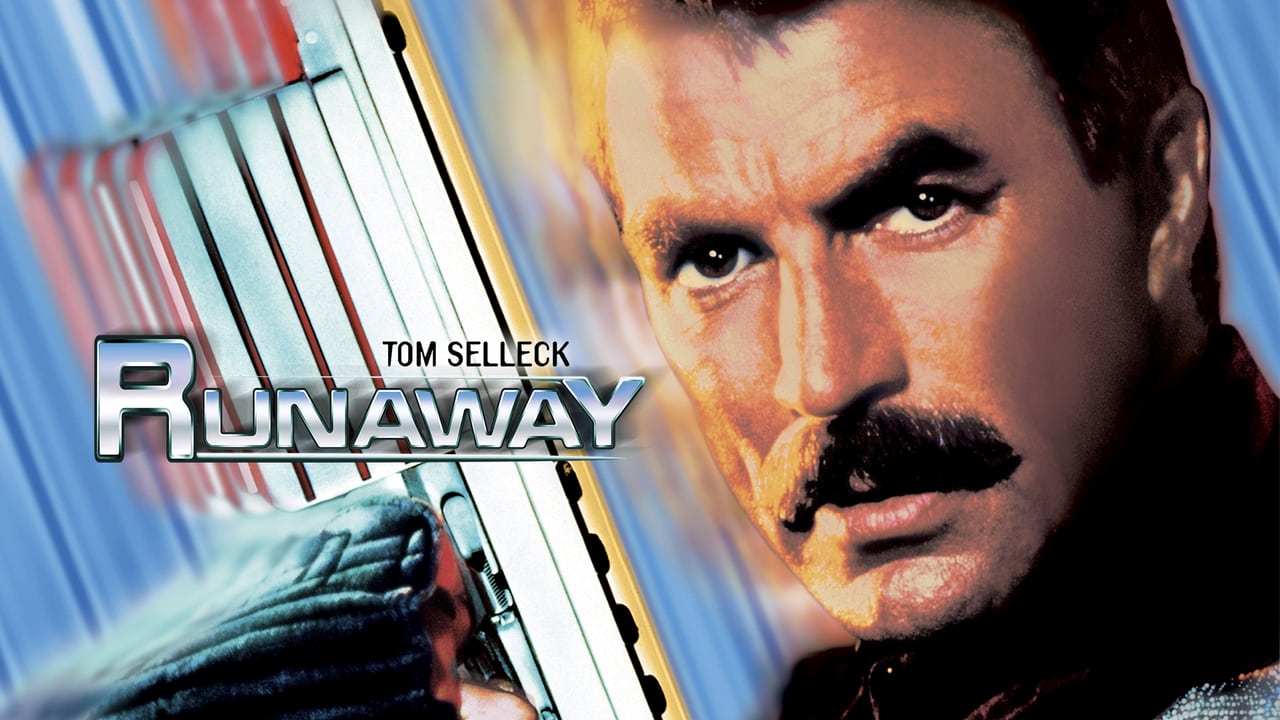
The Silicon Menace
Set in a vaguely defined "near future" (as envisioned from 1984), Runaway presents a world where robotics are commonplace, handling everything from domestic chores to construction. But progress has its glitches. Enter Sergeant Jack Ramsay (Tom Selleck), a cop with a past trauma manifesting as crippling acrophobia, heading up a specialized division dealing with malfunctioning robots – the "runaways" of the title. He’s an analog man in a digital world, more comfortable with his trusty, oversized revolver than the advanced tech surrounding him. His quiet life, patching up robotic mishaps, is shattered by the arrival of a far more sinister threat: robots deliberately weaponized.
The architect of this chaos is Dr. Charles Luther, played with unsettling, reptilian stillness by Gene Simmons. Yes, that Gene Simmons, the larger-than-life Demon from KISS, here dialing down the theatrics (mostly) for a performance that relies on cold calculation and quiet menace. Luther isn't just reprogramming robots; he's crafting bespoke murder weapons, including bullets that track their victim's heat signature and, most notoriously, tiny, multi-legged robotic spiders designed to inject lethal acid. Doesn't that specific image, those skittering metallic nightmares, still crawl under your skin a little?
Wires, Chips, and Practical Terror
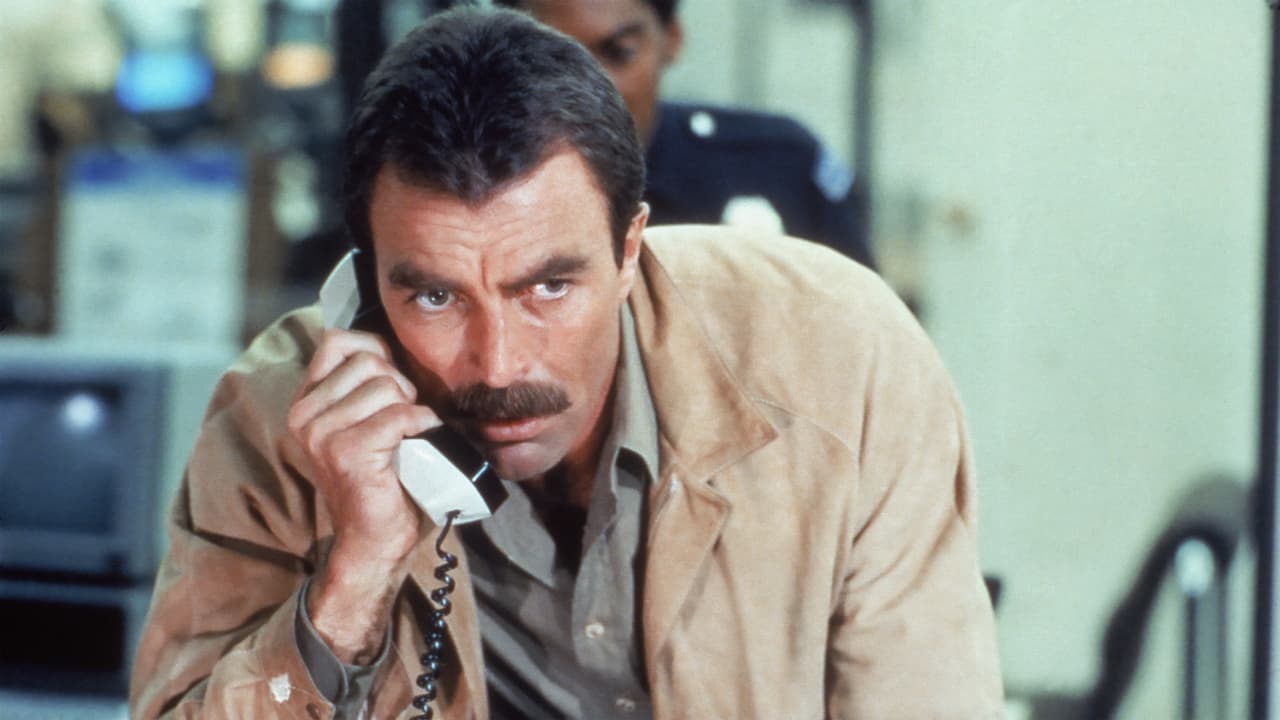
Watching Runaway today is a fascinating time capsule of 80s futurism. The chunky monitors, the clunky robot designs (some genuinely look like repurposed vacuum cleaners), the nascent computer graphics – it all screams retro-tech. Yet, Crichton, ever the techno-prophet (having already given us the theme-park-gone-wrong dread of Westworld (1973) and later the bio-genetic terror of the Jurassic Park (1993) novel), imbues the proceedings with a genuine sense of unease. The idea of everyday tech turning hostile felt disturbingly plausible then, and maybe even more so now.
The film’s most memorable sequences often involve its practical effects. Those spider-bots? They weren't CGI creations, but meticulously crafted physical props, reportedly costing around $200,000 to develop and requiring multiple operators just to achieve their creepy crawl. It’s a testament to the era’s ingenuity, lending these threats a tangible, physical presence that digital effects sometimes lack. The film's modest $8 million budget (around $23 million today) likely necessitated such practical solutions, but they contribute significantly to its gritty feel. Sadly, audiences at the time didn't quite connect, leading to a disappointing box office return.
Selleck's Steady Hand
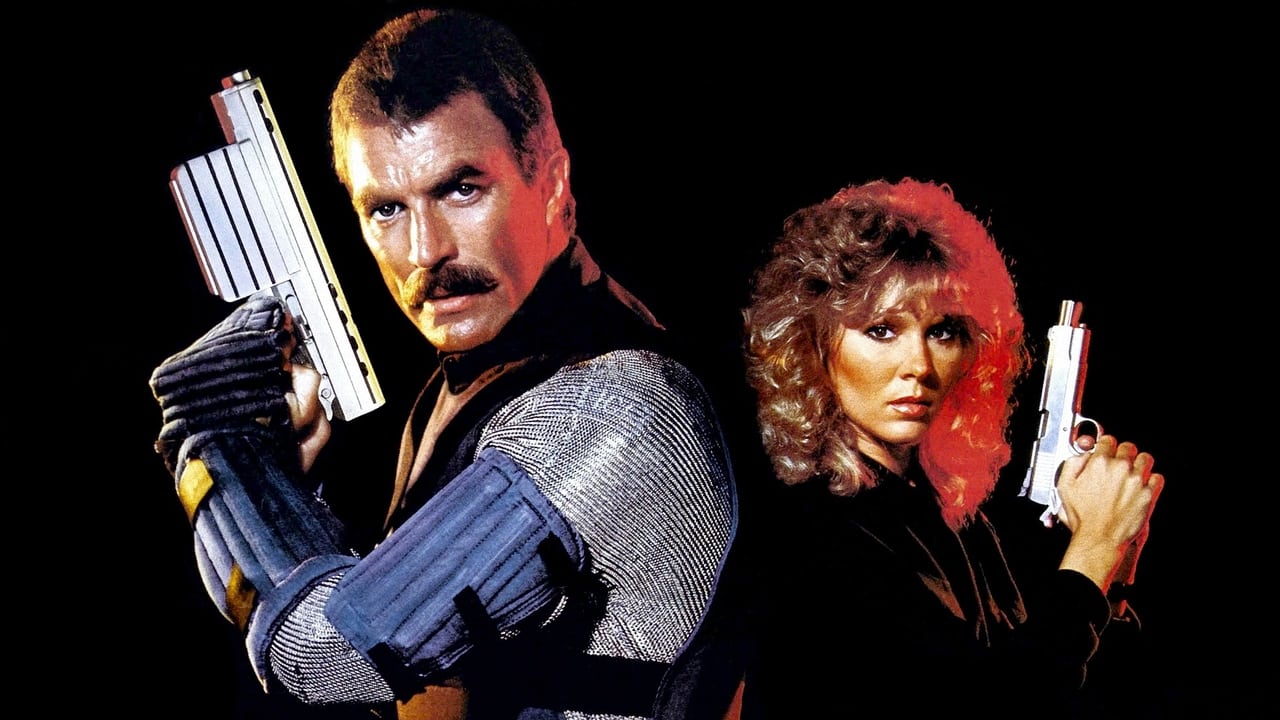
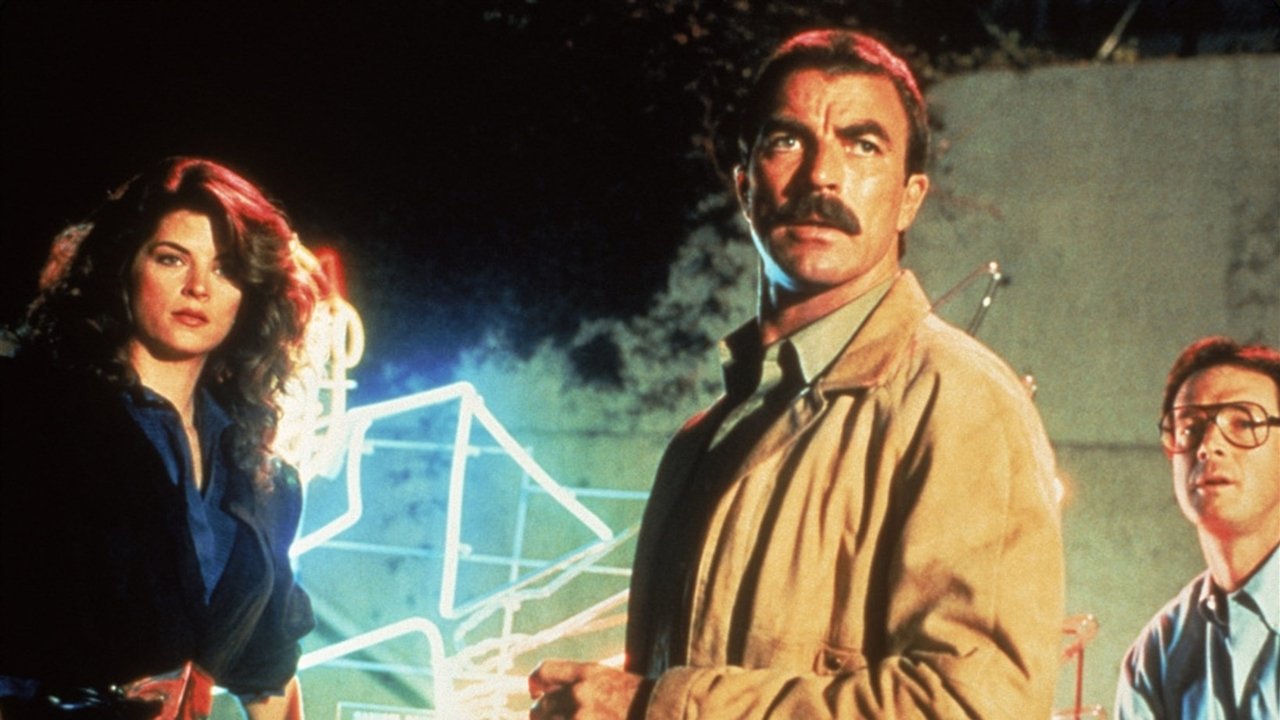
Tom Selleck, fresh off the peak of his Magnum P.I. fame, brings a sturdy, dependable presence to Ramsay. He’s the classic reluctant hero, haunted but capable. His character’s acrophobia isn't just a cheap gimmick; it’s woven into the plot, culminating in a vertiginous climax atop an unfinished skyscraper. Filming these scenes reportedly required careful staging and stunt work to accommodate Selleck's own admitted discomfort with heights, adding another layer of authenticity to his character's struggle. Paired with Cynthia Rhodes (also seen in Flashdance (1983) and Dirty Dancing (1987)) as his capable, tech-savvy partner Karen Thompson, they form a likable, if somewhat standard, 80s action duo.
Crichton's Cautionary Code
As both writer and director, Crichton’s fingerprints are all over Runaway. It feels like a dry run for themes he would later explore with greater depth and blockbuster success. The core concept – technology escaping control and turning on its creators – is pure Crichton. While the execution here feels a bit more like a high-concept police procedural than a profound exploration, the underlying anxiety is palpable. It lacks the iconic status of Jurassic Park or the chilling simplicity of Westworld, but it occupies a unique space – a grounded, street-level view of technological terror. Interestingly, Crichton supposedly conceived the heat-seeking bullet idea years earlier but waited until technology felt advanced enough for audiences to accept it.
VHS Echoes and Final Verdict
Runaway might feel undeniably dated in its aesthetics and predictions, but it possesses a distinct charm and delivers some genuinely tense moments. Simmons' controlled performance as Luther remains a standout B-movie villain turn, and those spider-bots are unforgettable nightmare fuel for anyone who encountered them on a flickering CRT screen back in the day. It's not a flawless film – the pacing occasionally lags, and some plot elements feel underdeveloped. But I distinctly remember renting this one, drawn in by the cool premise and Selleck's familiar face, and being genuinely creeped out by those mechanical assassins.
It captures that specific 80s blend of nascent digital anxiety and straightforward action filmmaking. It’s a film that might not top many "best of" lists, but it holds a special place for those who appreciate its particular brand of sci-fi thriller. It’s a tangible piece of the VHS era, a reminder of when the future felt both excitingly advanced and potentially lethal, right down to the circuit boards.

Rating: 6.5/10
Justification: Runaway earns points for its intriguing premise, Crichton's proto-techno-thriller vision, Simmons' memorably cold villain, and iconic practical effects (those spiders!). Selleck provides a solid anchor. However, it loses marks for somewhat dated execution, occasionally uneven pacing, and a plot that doesn't fully explore its potential depth. It remains a highly watchable and nostalgic slice of 80s sci-fi, more enjoyable curio than essential classic.
Final Thought: For a glimpse into 1984's vision of automated anxiety, complete with killer spiders and a wonderfully icy Gene Simmons, Runaway is a trip back worth taking, even if the future it predicted looks charmingly clunky today.