The New Adventures of Pippi Longstocking
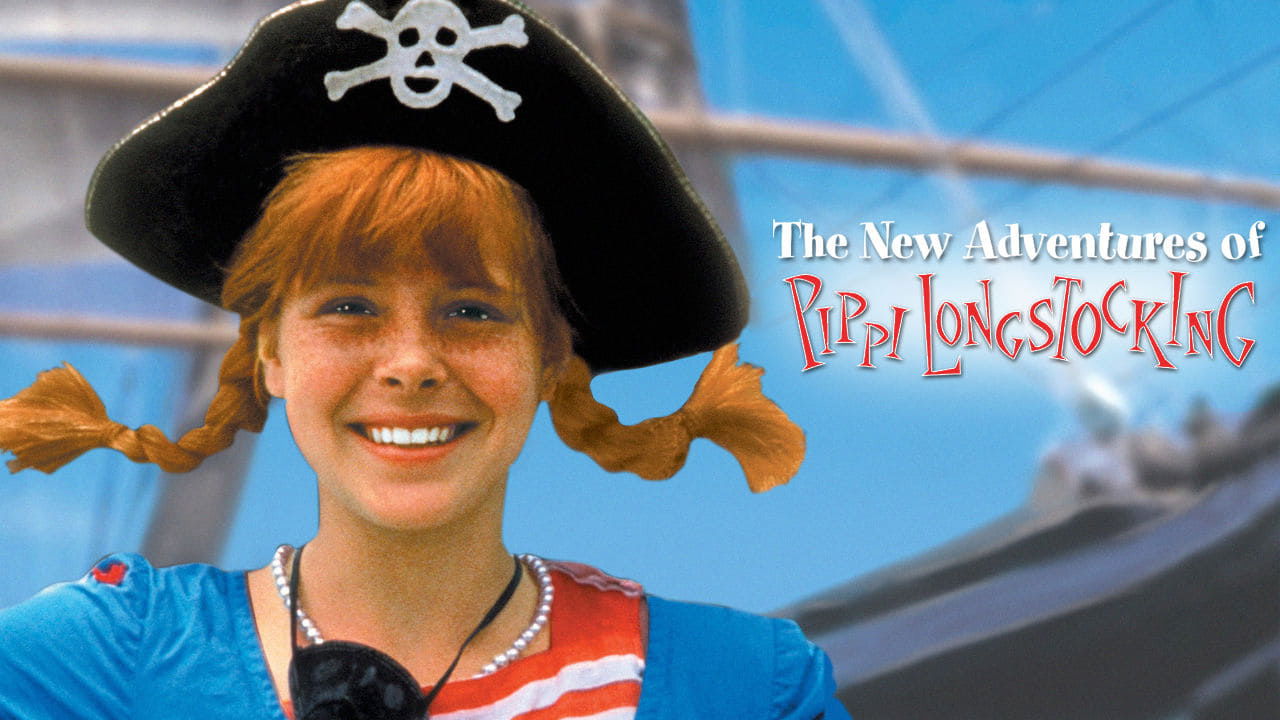
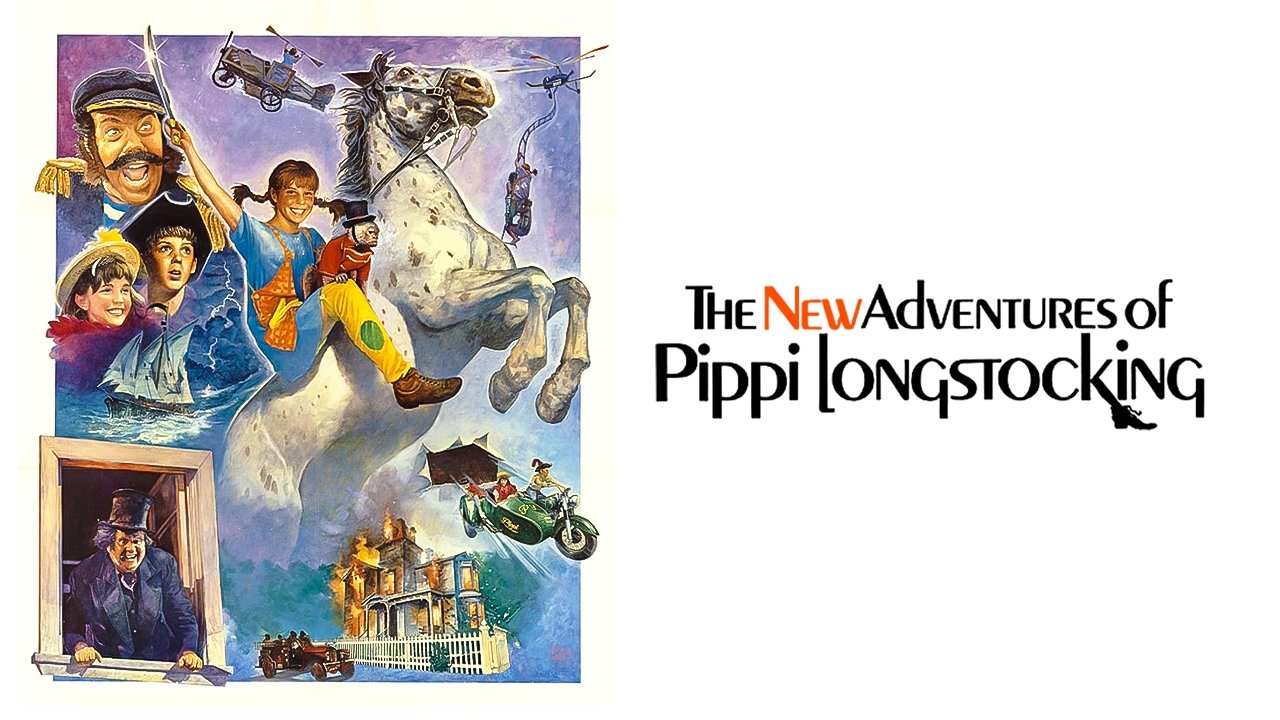
Ah, Villa Villekulla. Just the name conjures images of a brightly painted, slightly lopsided house, a monkey in tiny clothes, and a horse lounging on the porch. And at the center of it all, a freckled girl with impossible orange braids sticking straight out, embodying a spirit of joyous rebellion that felt utterly magnetic on the small screen. For many kids browsing the "Family" aisle of the video store in the late 80s and early 90s, the vibrant cover of The New Adventures of Pippi Longstocking (1988) was an irresistible promise of pure, unadulterated fun.
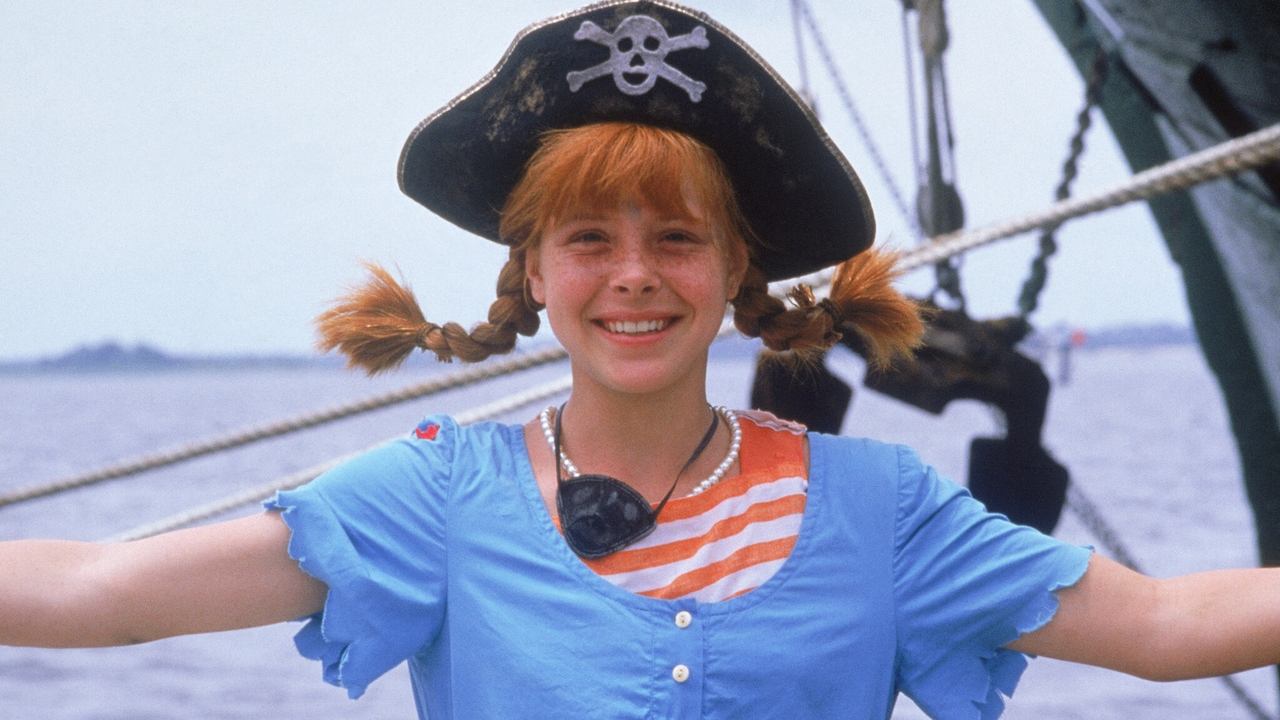
This American take on Astrid Lindgren's iconic Swedish character aimed to bring Pippi's chaotic charm to a wider audience, helmed by a rather surprising name: Ken Annakin. Annakin was a veteran director, known for grand, old-school adventures like Disney's Swiss Family Robinson (1960) and the sprawling aerial comedy Those Magnificent Men in Their Flying Machines (1965). Seeing his name attached to Pippi felt a bit like asking a seasoned admiral to command a playful tugboat – intriguing, but perhaps slightly unexpected. Annakin, who also co-wrote the script, crafted an original story pulling elements from Lindgren's books, setting Pippi's arrival against the backdrop of helping her father, Captain Efraim Longstocking, believed lost at sea.
### Welcome to Villa Villekulla, American Style
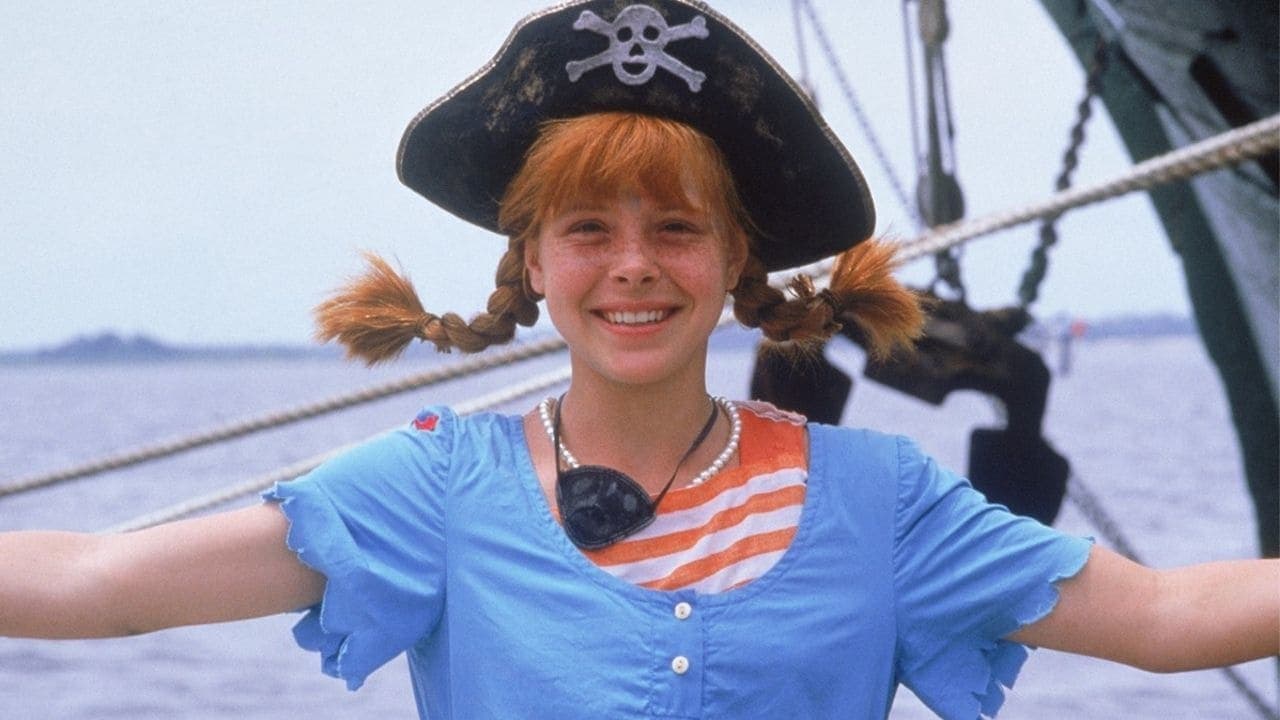
Stepping into Pippi's oversized shoes was young Tami Erin, reportedly chosen from over 8,000 hopefuls. And honestly? She looks the part. With boundless energy, infectious enthusiasm, and those gravity-defying braids, Erin captures the physical essence of Pippi. She throws bullies around like ragdolls, scrubs the floor with brushes strapped to her feet, and talks to her animal companions, Mr. Nilsson (the monkey) and Alfonso (the horse), with complete sincerity. Opposite her are David Seaman as the sensible Tommy and Cory Crow as the slightly more apprehensive Annika, the Settigren siblings who quickly fall under Pippi's spell. Their dynamic forms the heart of the film – the conventional kids drawn into the whirlwind of Pippi's unconventional world.
Filmed primarily in the picturesque town of Fernandina Beach, Florida, the movie boasts a sunny, colourful look that feels appropriately cheerful, even if it doesn't quite capture the specific Scandinavian charm of the source material. Villa Villekulla itself is a wonderful creation, exactly the kind of ramshackle, personality-filled house a kid would dream of inhabiting. Inside, it’s a place where logic takes a holiday – pancakes are flipped onto the ceiling, and bedtime involves fantastical stories, often culminating in adventures beyond the house itself.
### Adventure, Songs, and Slightly Wobbly Effects
The "New Adventures" promised by the title unfold in a rather episodic fashion. Pippi disrupts stuffy charity galas, rescues children from a burning orphanage (in a sequence that genuinely feels quite perilous for a kids' film), and even takes to the skies in a homemade flying machine that looks charmingly cobbled together. These set pieces offer moments of genuine fun and capture Pippi's core tenets: kindness, bravery, and a complete disregard for arbitrary rules. There are musical numbers too, catchy in that distinctly late-80s way, though perhaps not quite hitting the heights of classic Disney fare. "Pippi Longstocking is Coming Into Your Town!" is an earworm that might just resurface from the depths of your memory banks upon rewatch.
Of course, watching it now, the seams do show a little. The budget, estimated around $5-7 million (a modest sum even then), means some of the effects feel... well, of their time. The flying sequences and moments of superhuman strength rely on practical tricks and wirework that are more endearing than convincing. Yet, isn't that part of the VHS charm? We weren't scrutinizing pixel counts back then; we were caught up in the idea of a girl who could lift a horse. It’s a reminder of an era before CGI smoothed over every rough edge, where imagination filled in the gaps.
### A Nostalgic Footnote
Critically, The New Adventures of Pippi Longstocking didn't fare well upon release in 1988, and its box office return of around $3.6 million in the US marked it as a commercial disappointment. Even Astrid Lindgren herself reportedly wasn't overly fond of this American interpretation, preferring the earlier Swedish films and beloved 1969 TV series. Yet, despite the lukewarm reception, something interesting happened. The film found a second life on home video and television, becoming a staple for a generation of kids who may not have even known about the Swedish originals at the time. For many, Tami Erin was Pippi, and this sun-drenched, slightly goofy adventure was their definitive version.
It’s easy to see why it struck a chord. Pippi represents ultimate wish fulfillment for any kid who ever felt constrained by rules or adults. She has superhuman strength, a chest full of gold coins, no parents telling her what to do (most of the time), and loyal animal friends. This film, for all its flaws – the sometimes wandering plot, the occasional tonal inconsistency – captures that core appeal with sincerity and warmth. It doesn't talk down to its audience, embracing the absurdity with a wide-eyed innocence that’s hard to dislike entirely.
***
VHS Heaven Rating: 6/10
Justification: While The New Adventures of Pippi Longstocking is undeniably flawed – critically panned, a box office miss, and perhaps not the most faithful adaptation – it possesses a sincere charm and captures the anarchic spirit of its heroine thanks to an enthusiastic lead performance (Tami Erin) and Ken Annakin's experienced hand with family adventure. Its visual brightness, memorable Villa Villekulla, and sheer earnestness earned it a nostalgic fondness through countless VHS rentals and TV airings, outweighing its narrative bumps and dated effects for many who grew up with it. It's not a classic, but it's a warm slice of late-80s kid-movie energy.
Final Thought: It might not have the staying power of the Swedish originals, but this Pippi flick is like finding a cherished, slightly worn-out toy in the attic – imperfect, maybe a little goofy, but guaranteed to bring a smile of recognition and a wave of warm, fuzzy VHS memories.