Here we go, pulling another tape from the shelf, the spine perhaps a little faded, the weight familiar in the hand. This time, it’s John Cassavetes' Love Streams from 1984. And let me tell you, this isn't the kind of film you casually throw on for background noise. Watching a Cassavetes film, especially this late-career masterpiece, feels more like an intimate, sometimes uncomfortable, but ultimately profound encounter. It doesn’t wash over you; it pulls you under.

### Two Souls Adrift
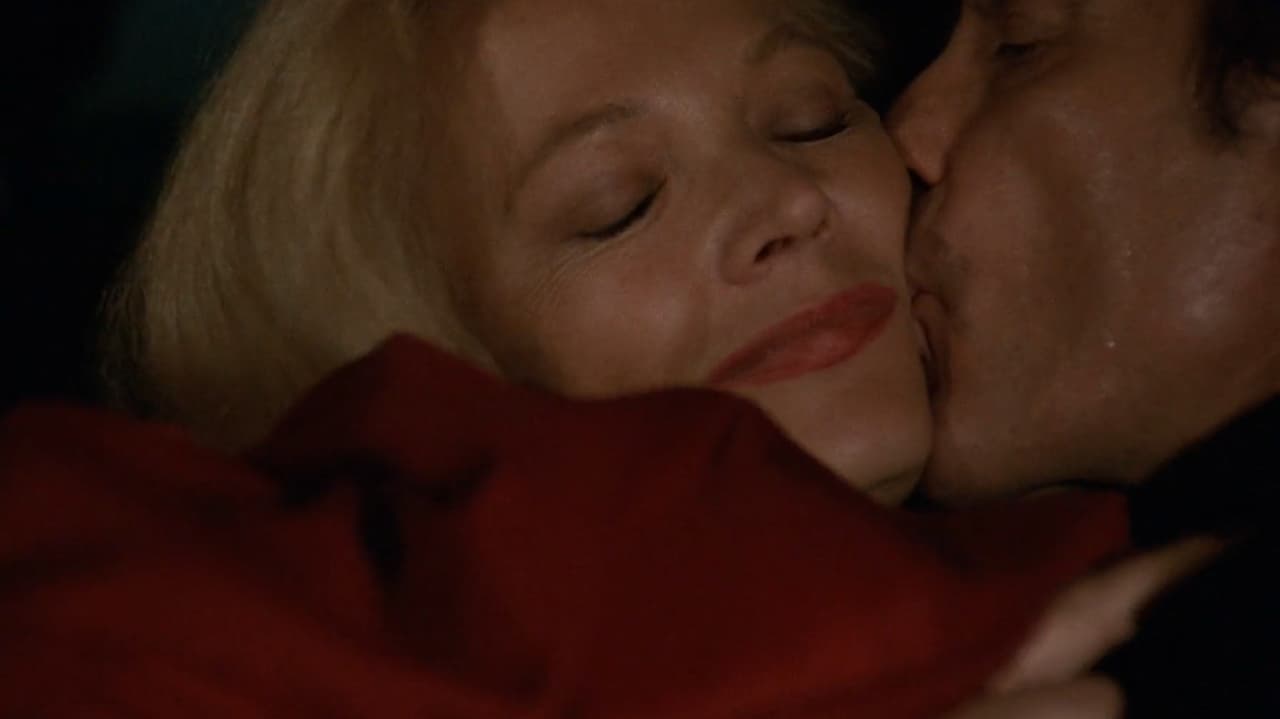
What stays with you long after the static hum of the VCR fades? For me, it's the faces. The raw, almost unbearably vulnerable face of Gena Rowlands as Sarah Lawson, a woman teetering on the edge, seeking connection with a desperate, almost childlike intensity. And the contrasting, yet equally damaged, face of Cassavetes himself as Robert Harmon, Sarah’s brother, a successful writer barricaded behind booze, women, and a carefully constructed wall of cynical charm. The film orbits these two siblings, recently reunited under strained circumstances, each drowning in their own particular brand of loneliness within Robert's cavernous, strangely empty house.
This wasn't just any set, by the way. Much of Love Streams was filmed in the actual Beverly Hills home Cassavetes shared with Rowlands. Knowing this lends an almost voyeuristic intimacy to the proceedings. We're not just watching characters in a fictional space; we're watching these actors bare their souls in their own environment, blurring the lines between performance and reality in that way only Cassavetes seemed capable of orchestrating. It adds a layer of truth, however uncomfortable, that’s hard to shake.
### The Unfolding Heart
The plot, such as it is, drifts rather than drives. Sarah arrives at Robert's doorstep, reeling from a messy divorce and the potential loss of custody of her daughter, bringing with her an absurd collection of animals – a veritable emotional support menagerie. Robert, meanwhile, navigates a parade of one-night stands and grapples with the sudden appearance of a young son he barely knows (played movingly by Jakob Shaw). It's less about external events and more about the internal landscapes of these characters – their fears, their desperate attempts to love and be loved, their spectacular failures to connect authentically.
Rowlands is simply astonishing. Her Sarah is a whirlwind of conflicting emotions – manic energy, profound sadness, fierce loyalty, and unsettling delusion. There's a scene where she tries to entertain Robert, putting on a frantic, makeshift comedy routine that is simultaneously hilarious and heartbreaking. It’s a performance stripped bare of vanity, showcasing a vulnerability that feels almost dangerous to witness. She embodies the 'love stream' Sarah desperately wants to provide – overwhelming, unconditional, perhaps ultimately unsustainable.
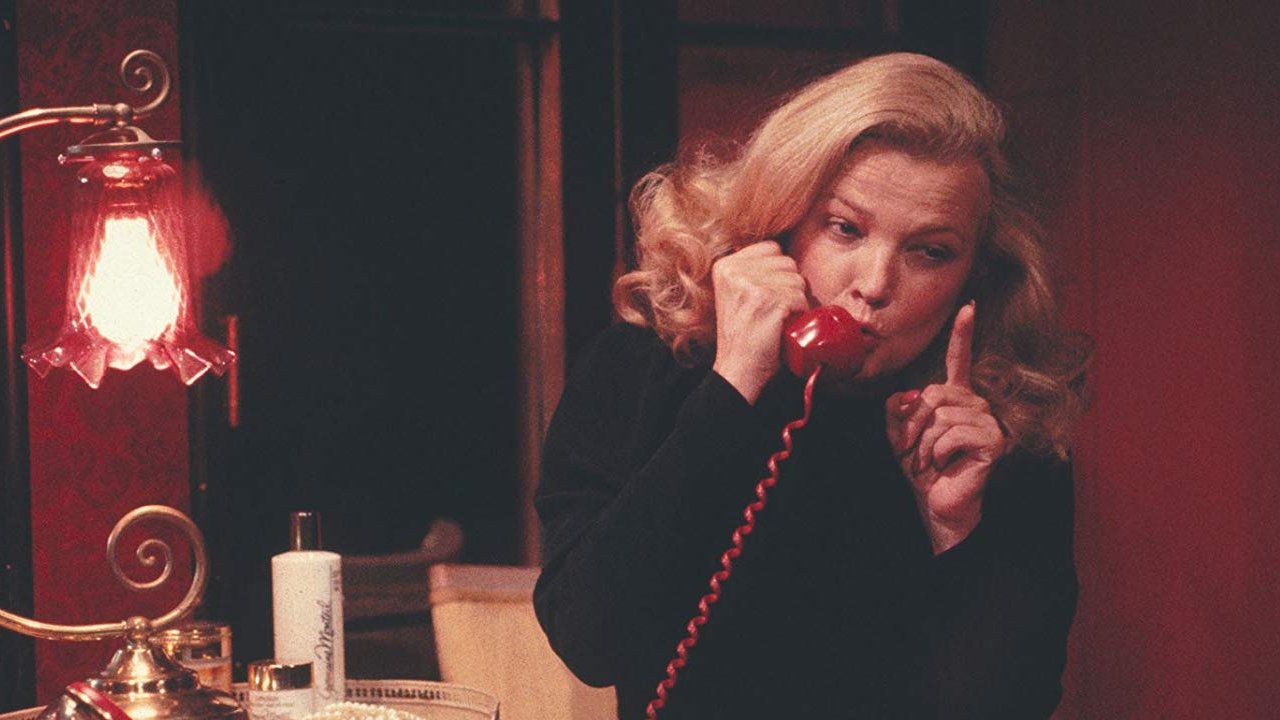
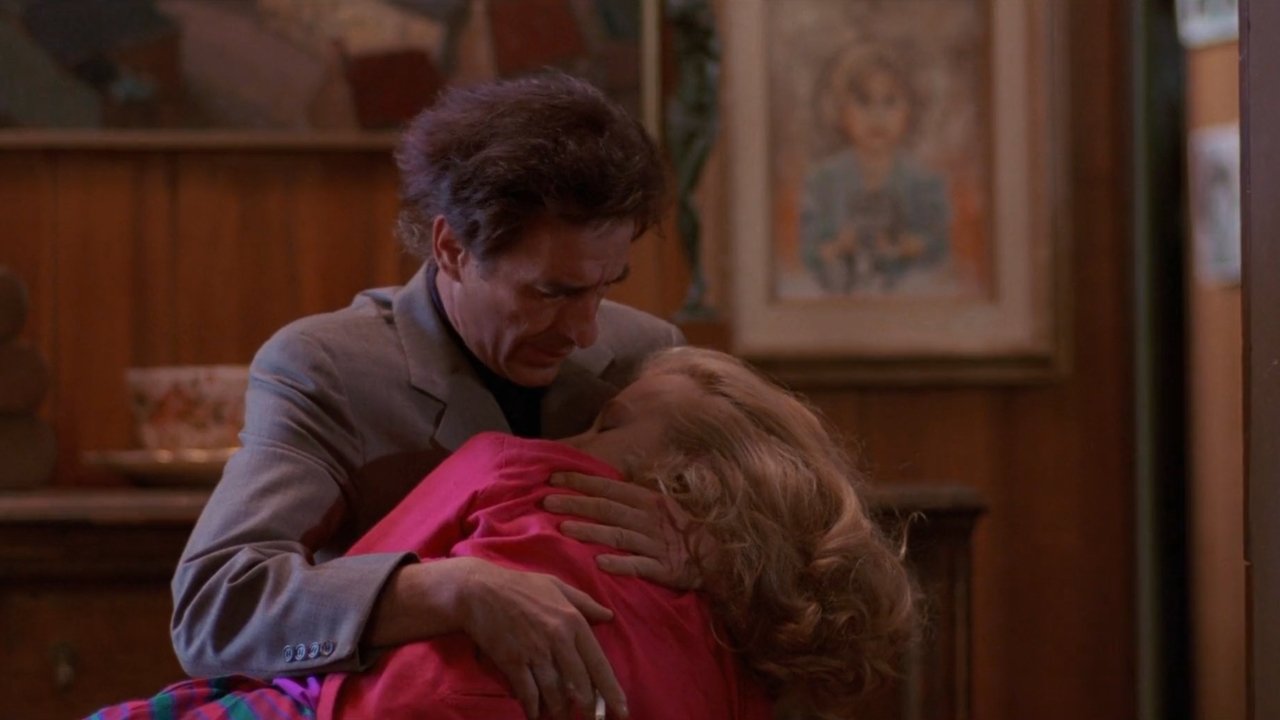
Cassavetes, playing Robert, offers a mirror image of sorts. Where Sarah overflows, Robert deflects. He performs charm, performs interest, but his eyes often betray a deep weariness, a hollow ache. His interactions, particularly with the women he interviews for a book on nightlife (including a memorable appearance by Diahnne Abbott, known to many from Taxi Driver (1976)), reveal a man terrified of genuine intimacy, preferring transactional relationships over the messy business of real feeling. His journey is quieter than Sarah’s, perhaps, but no less devastating.
### Cassavetes' Touch
This film feels like pure, uncut Cassavetes. The camera, often handheld, stays close, intimate, refusing to look away from awkward silences or painful outbursts. Dialogue overlaps, conversations meander, moments stretch out – it mirrors the unpredictability of life itself. It’s a style that demands patience but rewards it with moments of stunning emotional clarity. It wasn't always an easy shoot, apparently. Based on a play by Ted Allan, who initially started directing, Cassavetes eventually took over the reins, shaping the material with his distinctive, improvisational-feeling approach. Despite its challenging nature, the film struck a chord with critics, famously winning the Golden Bear at the Berlin International Film Festival.
Watching it again now, on a format far removed from the festival circuit – perhaps a slightly worn VHS tape rented from a corner store back in the day – the film's power hasn't diminished. If anything, the grainy intimacy of tape feels strangely appropriate for the raw, unpolished emotions on display. It wasn't a box office smash ($1.6 million gross on a $3.9 million budget), but its influence on independent filmmaking, on actors willing to lay themselves bare, is undeniable. It's a testament to a filmmaker who refused compromise, even in the face of the declining health that would sadly claim him just a few years later.
### Lasting Echoes
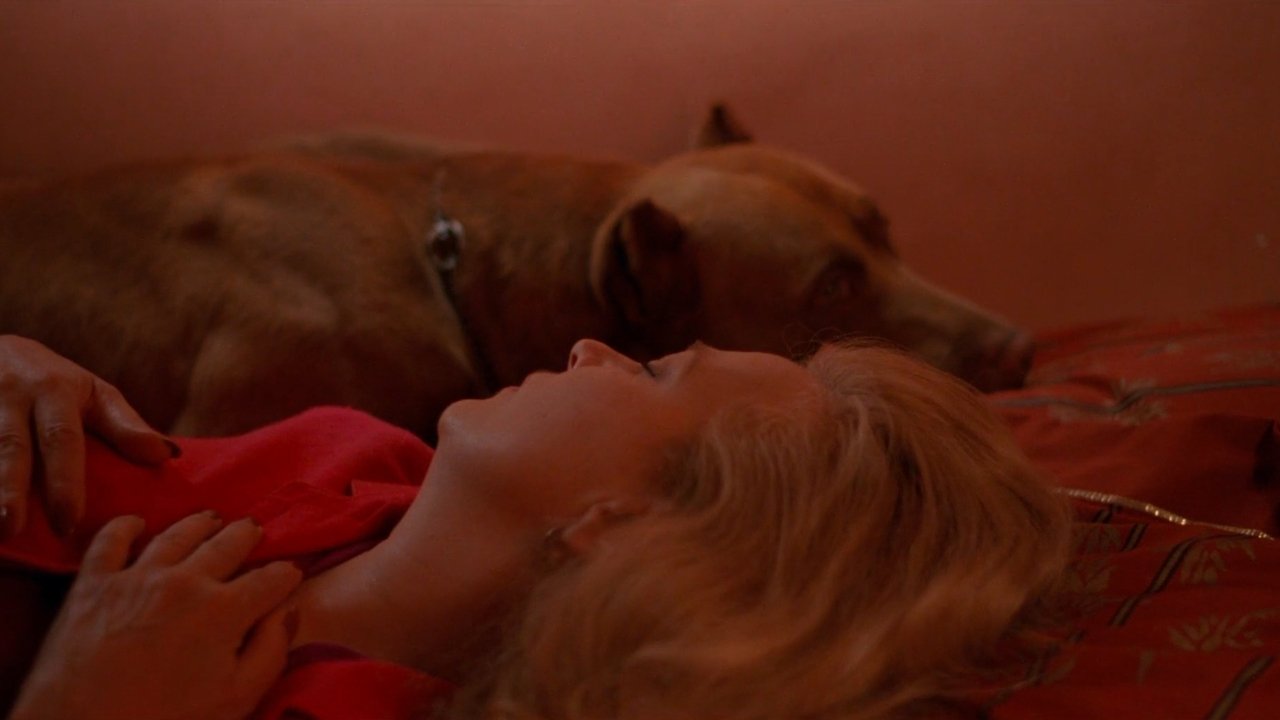
Love Streams isn’t an ‘easy’ watch. It doesn't offer neat resolutions or comforting platitudes about love conquering all. It asks difficult questions: What does it mean to love someone? How do we bridge the gaps between our own loneliness and the loneliness of others? Can love, even in its most overwhelming forms, truly save us? The film doesn't provide answers, but it immerses you in the search, leaving you contemplating the messy, beautiful, often painful ways we try to connect. It’s a film that lingers, like the memory of a vivid dream or a difficult but necessary conversation.
Rating: 9/10
This rating reflects the film's sheer artistic bravery, the powerhouse performances from Rowlands and Cassavetes, and its unflinching exploration of complex human emotions. It's demanding, yes, and perhaps not for everyone, but its emotional honesty and Cassavetes' unique directorial signature make it a vital piece of 80s independent cinema. It might break your heart a little, but it’s the kind of heartbreak that ultimately feels true. What resonates more deeply than that?