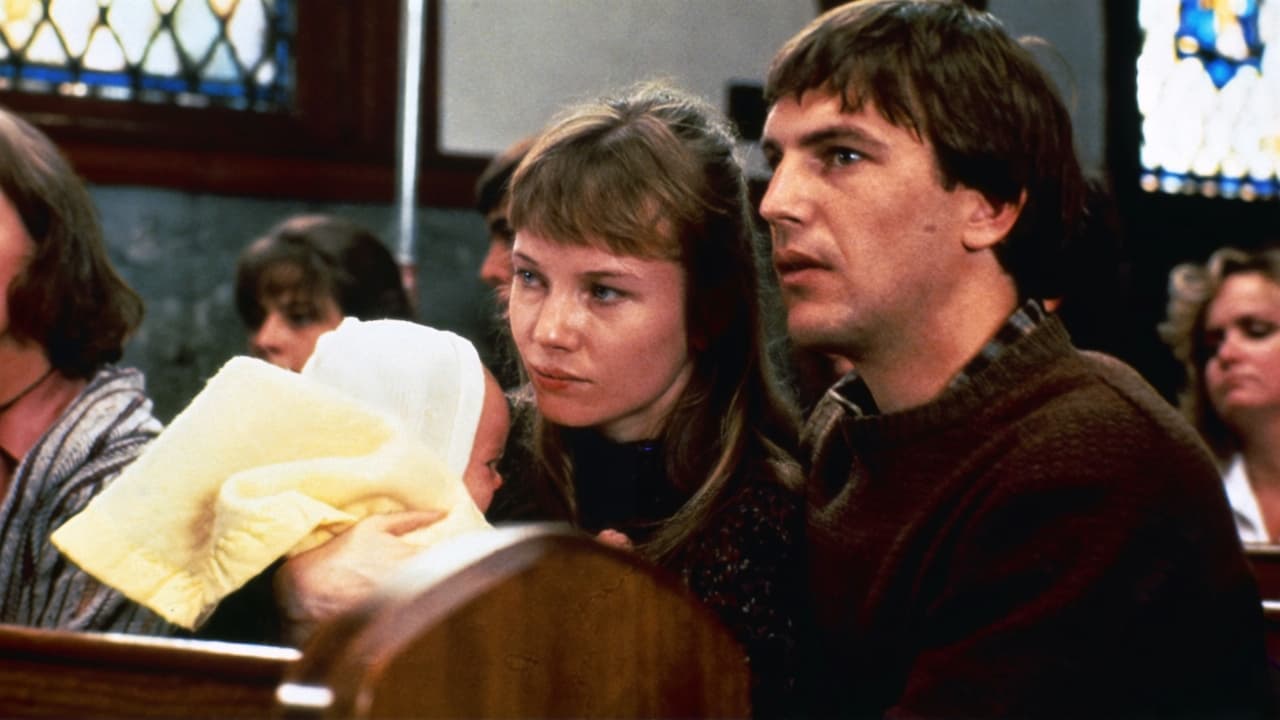
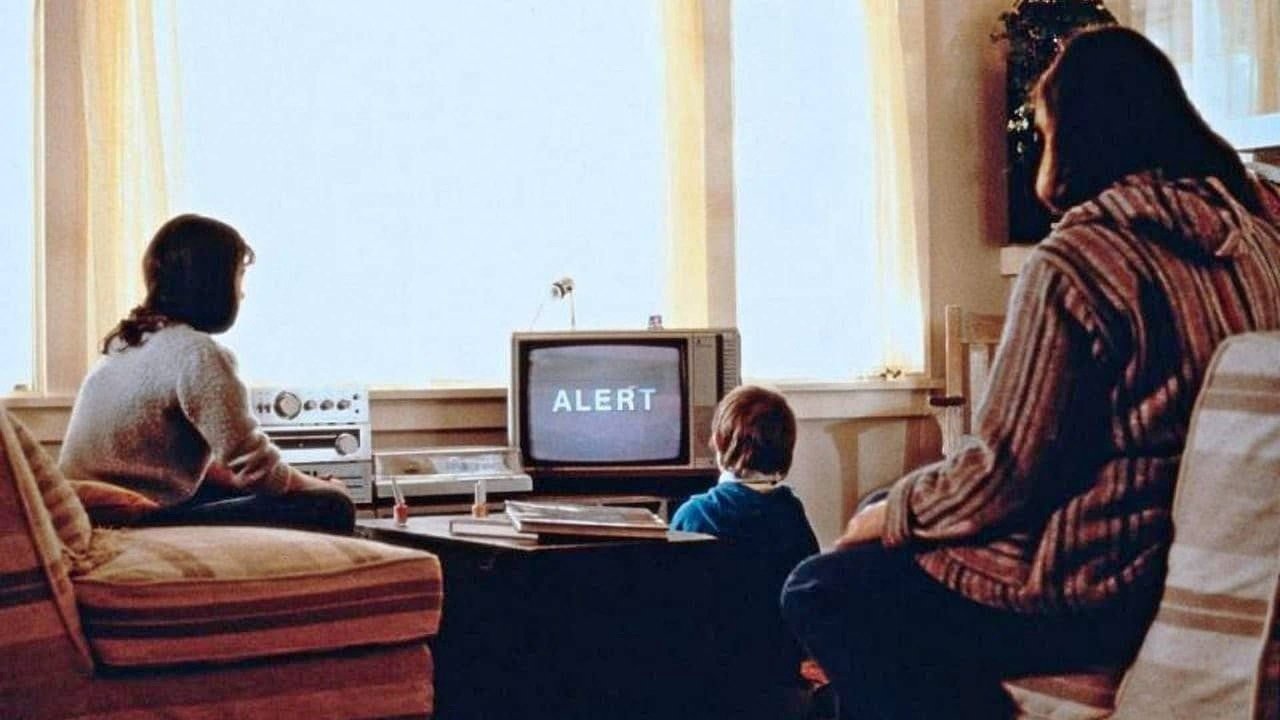
It doesn't begin with a bang. There's no blinding flash filling the screen, no mushroom cloud dominating the horizon like in so many other Cold War nightmares committed to celluloid. Instead, Testament (1983) starts with the mundane, the familiar rhythms of suburban life in the fictional Northern California town of Hamelin. Children squabble, parents navigate daily routines, homework gets done. And then, almost imperceptibly at first, everything changes. A distant flash seen on television during an emergency broadcast is the only overt sign, yet it's enough to sever the lifeline to the outside world and begin a slow, inexorable slide into the unthinkable. This quiet apocalypse is precisely what makes Testament burrow under your skin and stay there, long after the tape has been rewound and returned.
The Silence After
Directed with remarkable restraint by Lynne Littman, Testament eschews the spectacle often associated with nuclear war narratives. There are no scenes of widespread panic or immediate, graphic destruction. Instead, the horror unfolds in the creeping silence, the dwindling supplies, the gradual breakdown of community, and the heartbreakingly slow physical deterioration caused by fallout. It’s a film less about the moment of impact and more about the days and weeks after, focusing intensely on one family, the Wetherlys, as they grapple with a reality no one was prepared for. Remember The Day After, which aired the same year and depicted the immediate devastation? Testament feels like its deeply personal, almost whispered, counterpart.
An Anchor in the Storm
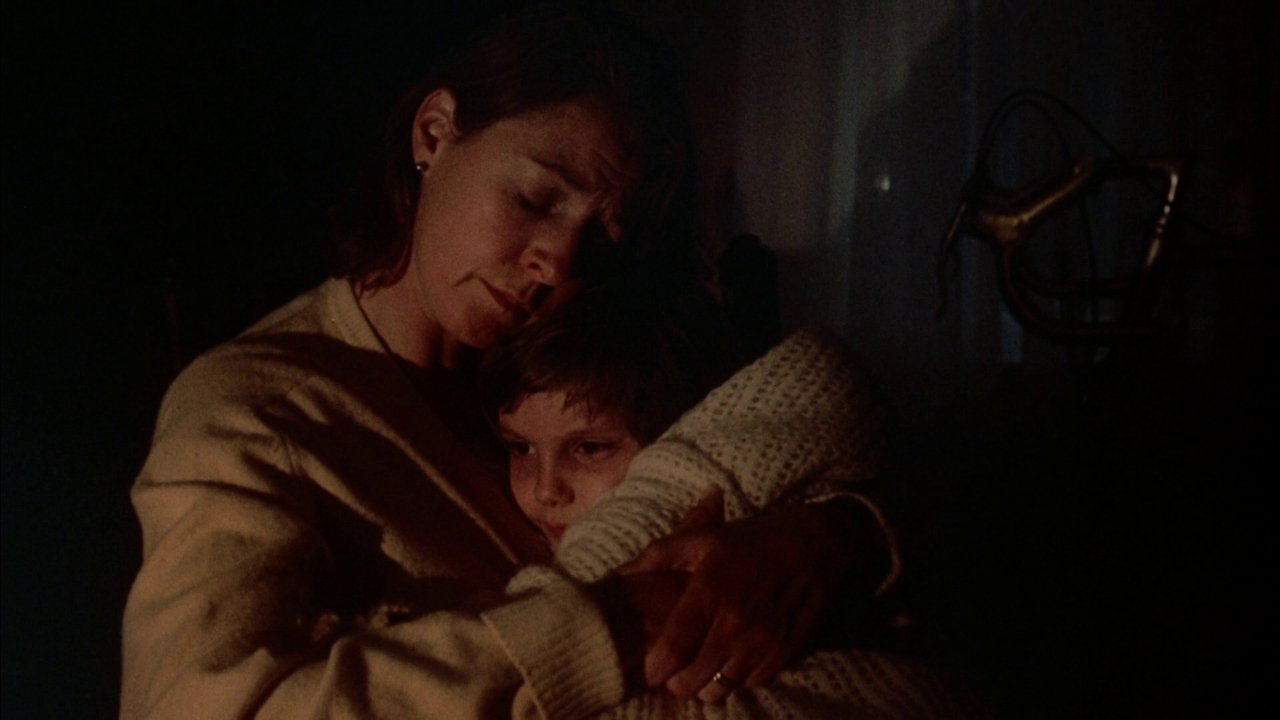
At the heart of this harrowing narrative is Jane Alexander as Carol Wetherly. Her performance is nothing short of extraordinary, a masterclass in understated power and resilience. With her husband Tom (William Devane, seen briefly before being lost on a business trip) away, Carol becomes the anchor for her three children – teenager Brad (Ross Harris), daughter Mary Liz (Roxana Zal), and young Scottie (Lukas Haas in one of his earliest roles). Alexander portrays Carol's journey through shock, grief, and a fierce maternal determination with a truthfulness that is almost unbearable to watch. She doesn't resort to histrionics; her strength lies in the quiet moments – the forced smiles, the rationing of food, the attempts to maintain normalcy through rituals like birthday celebrations even as hope dwindles. It’s a performance grounded in believable exhaustion and unwavering love, earning Alexander a well-deserved Academy Award nomination. Watching her, you don't just see a character; you feel the weight of an entire world resting on her shoulders.
From Small Screen Gem to Cinematic Gut Punch
It's fascinating to remember that Testament wasn't initially conceived as a major theatrical release. It was produced for PBS's American Playhouse series on a shoestring budget, reportedly under $1 million. Its power, however, was undeniable. Based on Carol Amen's short story "The Last Testament," the script by John Sacret Young (later known for China Beach) focuses entirely on the human cost. Paramount Pictures saw its potential and gave it a theatrical run, a surprising move that brought this intimate, devastating story to a wider audience. Filmed primarily in the small town of Sierra Madre, California, the production used its limited resources to create an atmosphere of chilling authenticity. Littman's direction feels almost documentary-like at times, emphasizing the ordinary settings – homes, schools, local theatres – now imbued with an unbearable poignancy. The decision not to show the bombs or explain the specifics of the conflict was deliberate, forcing the viewer to confront the consequences without the "distraction" of spectacle.

The Weight of Survival
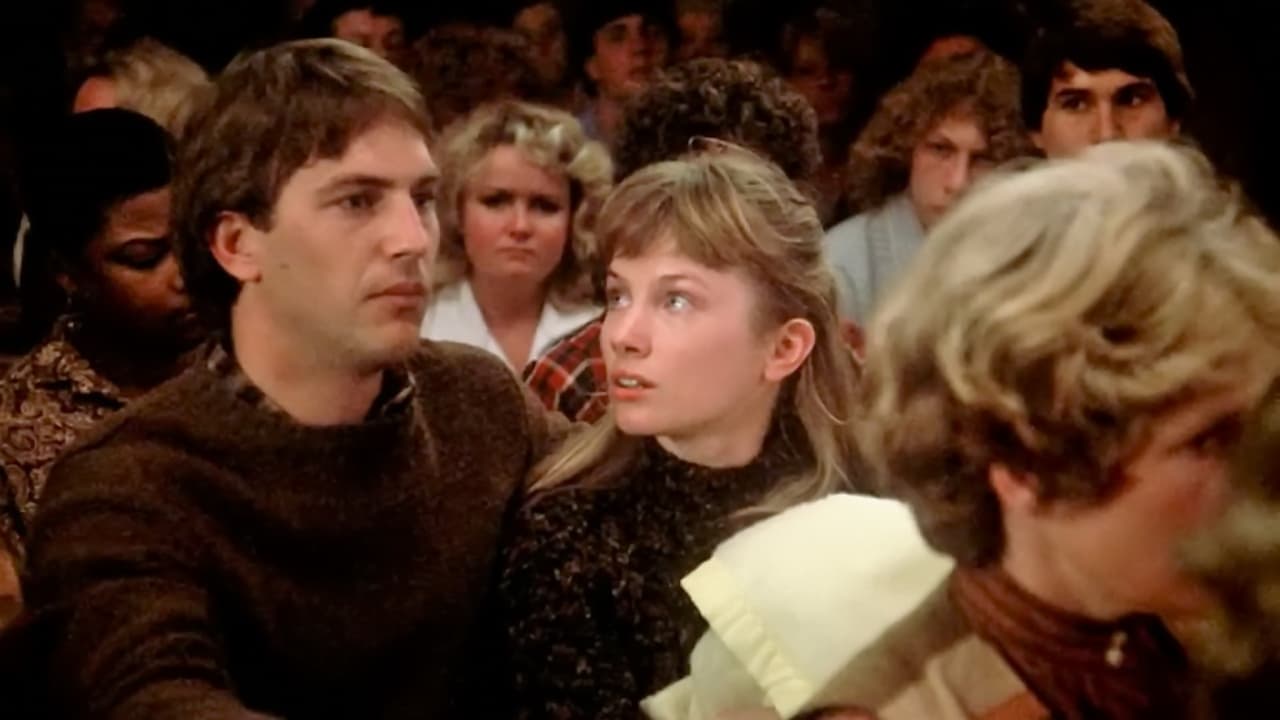
What truly distinguishes Testament is its unflinching gaze at the slow poisoning of life. We see neighbours helping each other initially, sharing resources, clinging to hope. But as radiation sickness begins its insidious work, claiming lives quietly, inevitably, the fabric of the community unravels. Difficult choices must be made, hope becomes a fragile commodity, and the simple act of burying the dead becomes an overwhelming task. The film doesn't offer easy answers or heroic escapes. It asks profound questions: What does it mean to survive when everything that makes life worth living is gone? How do you maintain humanity in the face of utter despair? The scenes involving the children, particularly Brad stepping into a premature adulthood, are heartbreakingly effective, capturing the loss of innocence on a devastating scale.
Why It Lingers
Testament isn't an easy watch. It's a somber, emotionally draining experience that sits heavy in the chest. I recall renting this on VHS, perhaps expecting something more conventionally thrilling, and being utterly unprepared for its quiet power. It lacks the action beats or visual effects extravaganzas of its contemporaries, yet its impact is arguably deeper and more lasting. Its power lies in its intimacy, its focus on the small, personal tragedies that constitute an unimaginable catastrophe. It reminds us, without preaching, that the true horror of nuclear war isn't just the destruction, but the slow, agonizing erasure of life, love, and community.
Rating: 9/10
This score reflects the film's profound emotional impact, Jane Alexander's towering performance, and Lynne Littman's courageous, restrained direction. It achieves a level of emotional truth rarely seen in films dealing with such subject matter, focusing on the human cost with devastating clarity. While its deliberate pacing and bleakness might not be for everyone, its power is undeniable.
Testament remains a vital, harrowing piece of filmmaking – a quiet scream in the midst of the Cold War's loudest fears, forcing us to confront the unimaginable consequences not through spectacle, but through the quiet dignity and immense sorrow etched on one woman's face. What endures when everything else falls away? This film offers no comforting answers, only the haunting resonance of that question.