There's a certain quiet authenticity that settles over you when watching Tex. It lacks the high-gloss drama or explosive confrontations of many 80s teen films. Instead, it offers something rarer: a patient, observational look at the frayed edges of adolescence in rural Oklahoma, anchored by a performance from Matt Dillon that felt startlingly real even then, hinting at the powerhouse he would become. It doesn't grab you by the collar; it invites you to sit on the porch swing and just watch these lives unfold, understanding the weight pressing down on young shoulders.
Brothers in Arms, Worlds Apart
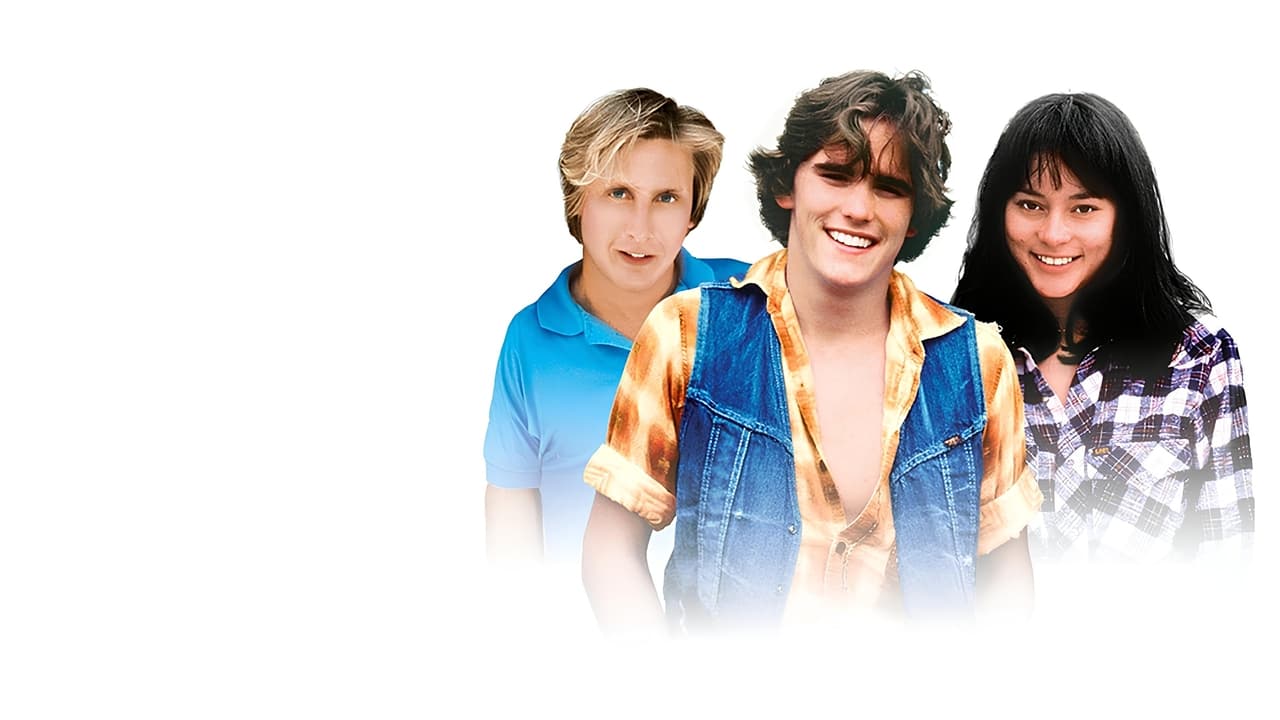
Based on the novel by the legendary S.E. Hinton – whose words practically defined cinematic teenage angst in the 80s (The Outsiders, Rumble Fish) – Tex tells the story of Tex McCormick (Matt Dillon) and his older brother Mason (Jim Metzler). Their father is away for months working the rodeo circuit, leaving 18-year-old Mason struggling to keep things afloat, both financially and emotionally, while 15-year-old Tex drifts, charming and reckless, more concerned with his horse, Rowdy, than his grades or future.
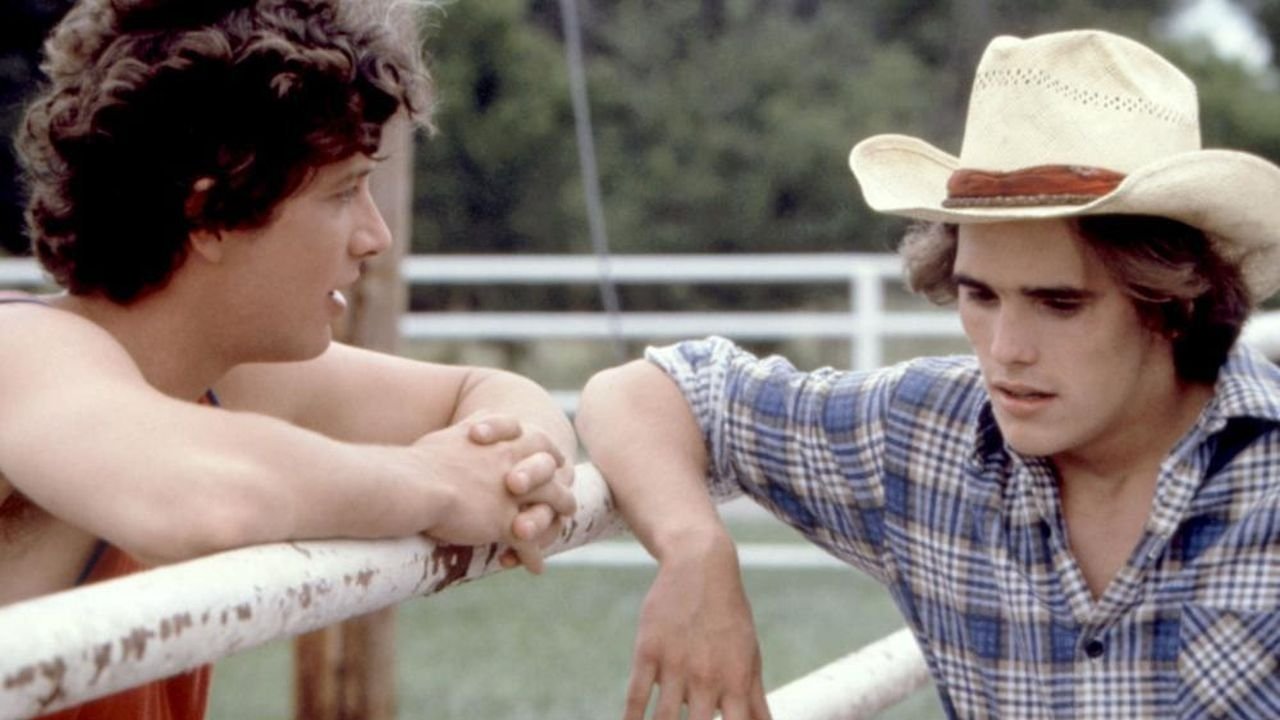
The heart of the film beats within this fraternal relationship. Dillon, in his first S.E. Hinton adaptation (predating his iconic roles in the Coppola-helmed films that would follow just a year later), perfectly embodies Tex's volatile mix of youthful energy, simmering resentment, and deep-seated vulnerability. He’s magnetic, frustrating, and utterly believable as a kid simultaneously pushing boundaries and craving stability. Opposite him, Jim Metzler delivers a beautifully understated performance as Mason, shouldering the burden of adulthood far too soon. You see the exhaustion in his eyes, the constant calculation, the love warring with frustration for his impulsive younger brother. Their dynamic feels worn-in, genuine – the shorthand, the arguments, the unspoken affection that defines so many sibling bonds.
Disney Takes a Detour
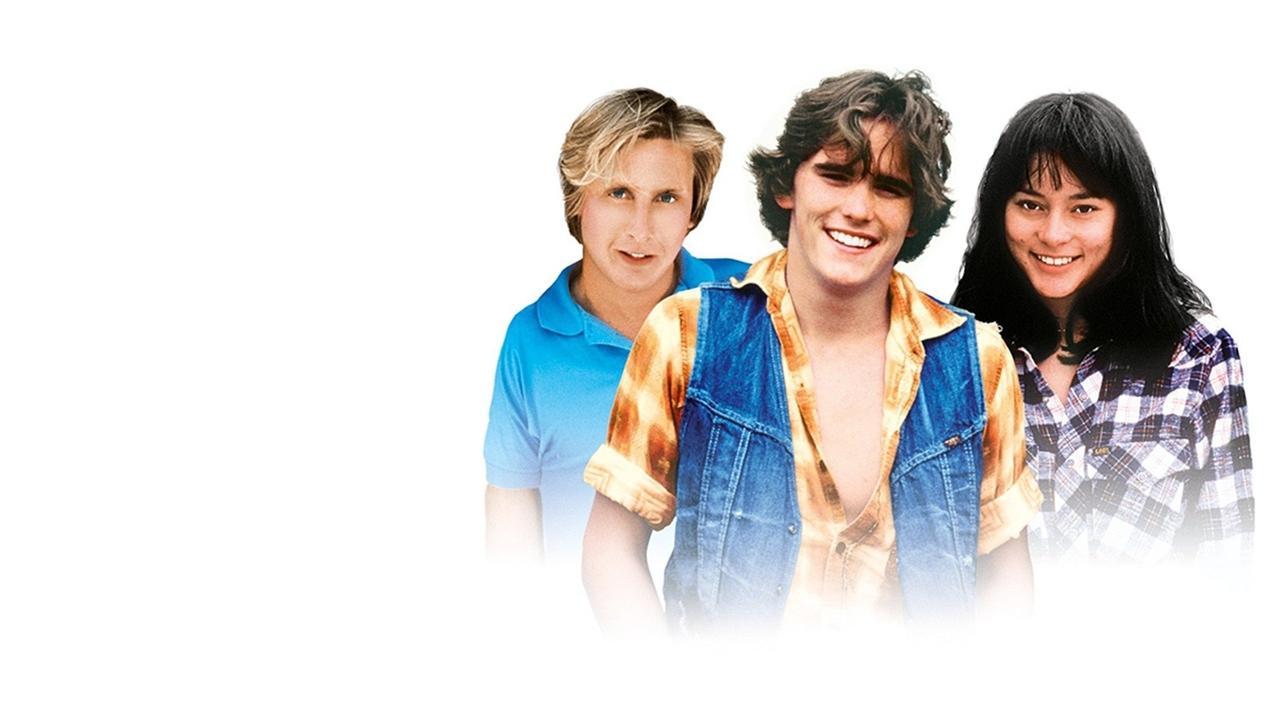
It’s fascinating to remember that Tex was released under the main Walt Disney Pictures banner. In 1982, this was a significant move. Facing declining audiences for their traditional G-rated fare, Disney cautiously dipped its toes into more mature waters. Tex became one of the studio's very first PG-rated films, tackling themes of poverty, neglect, accidental drug use, and gun violence – topics far removed from the animated classics and Herbie movies the studio was known for. It was a gamble, a signal of changing times before the arrival of Touchstone Pictures would fully open the door for Disney's adult-oriented content. Watching it now, you can sense that tentative step, the desire to tell a more grounded story without completely abandoning a sense of hope. The film was made on a modest budget (around $5 million) and performed respectably, proving there was an audience for these kinds of stories, even with the Disney name attached.
Capturing a Time and Place
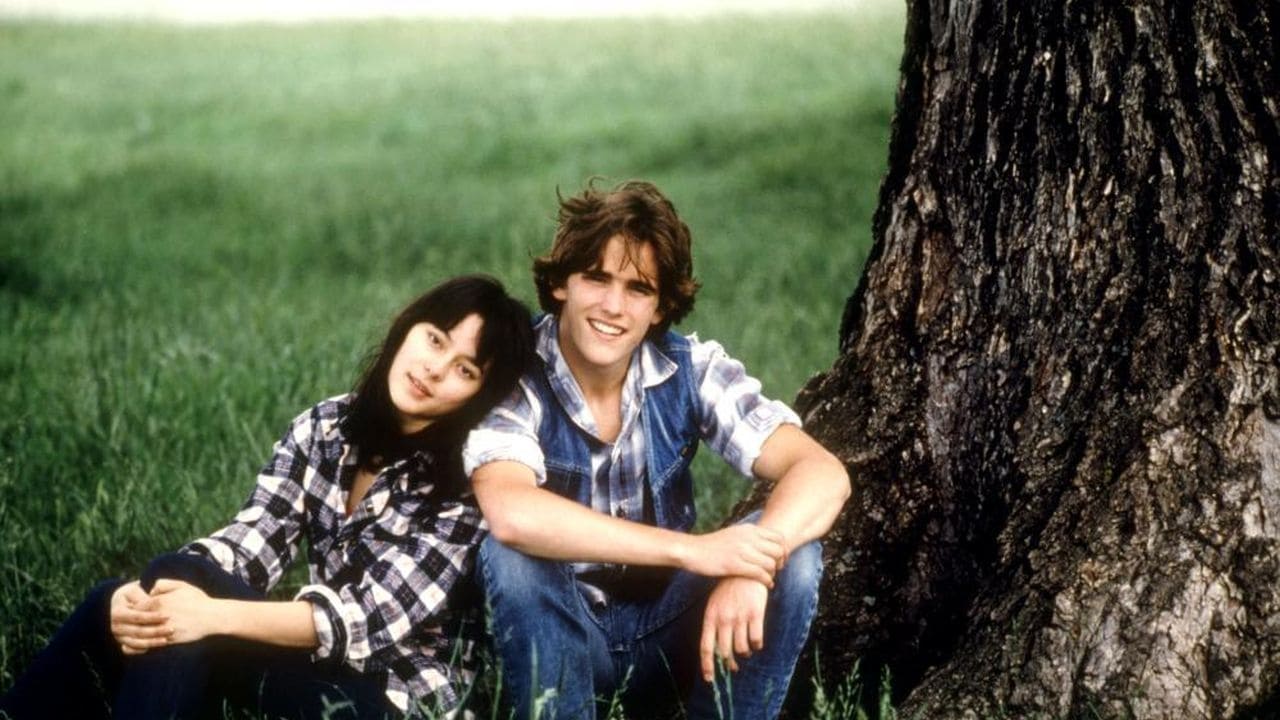
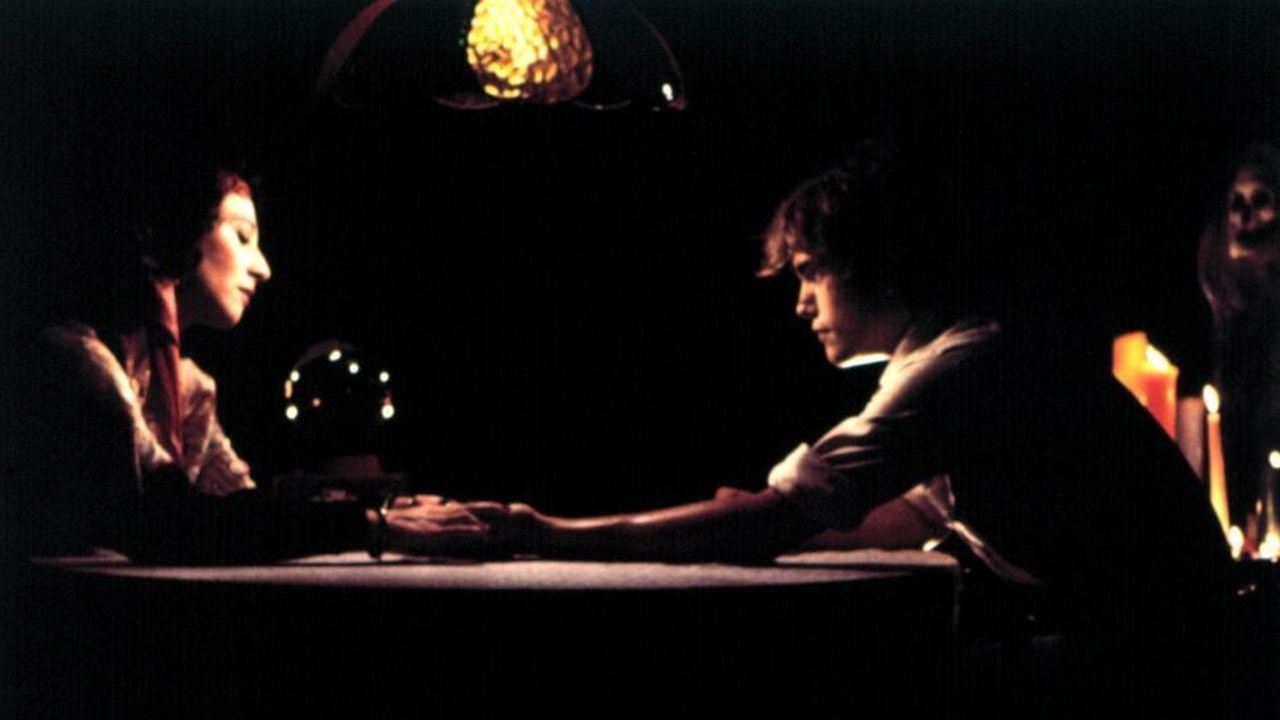
Director Tim Hunter (who would later give us the chilling River's Edge) directs with a restrained hand, letting the characters and the Oklahoma setting breathe. There's no flashy camerawork or intrusive score; instead, the focus is on capturing the dusty roads, the cramped farmhouse, the small-town rhythms. The cinematography often lingers on faces, allowing the actors' expressions to convey the complex emotions bubbling beneath the surface. The supporting cast, including early appearances by Meg Tilly as the potential love interest Jamie and Emilio Estevez as a fellow student, adds texture to Tex's world. Even the production design feels right – nothing looks too new or too perfect; it feels lived-in, reflecting the characters' economic realities.
One fascinating piece of trivia often shared is that S.E. Hinton herself has a cameo as a typing teacher. Apparently, she was quite involved and supportive during production, which likely contributed to the film's faithfulness to the spirit of her novel. Filming on location in Oklahoma also adds immeasurably to the film's sense of place. You can almost feel the heat rising off the pavement, hear the cicadas buzzing in the background.
The Weight of Choices
What truly lingers after watching Tex isn't necessarily a specific plot point, but the cumulative weight of the characters' choices and circumstances. How does responsibility change a person, as it does Mason? What happens when youthful impulsiveness, like Tex selling his beloved horse Rowdy in a moment of desperation, leads to unforeseen and dangerous consequences? The film doesn't offer easy answers, but it poignantly illustrates the fragility of adolescence, especially when compounded by poverty and lack of guidance. Doesn't that struggle – the tension between youthful freedom and looming responsibility – still resonate today?
It’s not a film packed with iconic, quotable lines or explosive set pieces. Its power lies in its quiet observation, its refusal to romanticize hardship, and its profound empathy for its characters. Watching it again recently, I was struck by how patient it is, how willing it is to let moments of silence speak volumes. It took me back not just to renting tapes, but to a certain kind of character-driven drama that felt more common then – films more interested in exploring internal landscapes than external spectacle.
Rating: 8/10
Tex earns its high marks for its deeply authentic performances, particularly from Matt Dillon and Jim Metzler, its sensitive handling of complex themes, and its understated, realistic portrayal of teenage life stripped of glamour. It’s a significant early S.E. Hinton adaptation and a noteworthy marker in Disney's evolution. While its pacing might feel slow to some modern viewers, its emotional honesty remains potent.
It’s a film that reminds us that sometimes the most profound stories are the quietest ones, capturing the difficult, often painful, transition from the dreams of youth to the realities of adulthood. A true gem from the shelves of VHS Heaven.