There’s a particular kind of quiet that settles in after certain films end, isn't there? Not the silence of boredom, but the hush of contemplation. Watching Paul Newman's 1984 drama Harry & Son again recently, that feeling returned. It’s a film that doesn't shout its intentions, yet it carries the undeniable weight of deeply personal exploration, particularly for its legendary star and director. It prompts questions about fathers and sons, about the dreams we inherit versus the ones we forge ourselves, questions that linger long after the VCR clicks off.
A Father's Shadow, A Son's Light
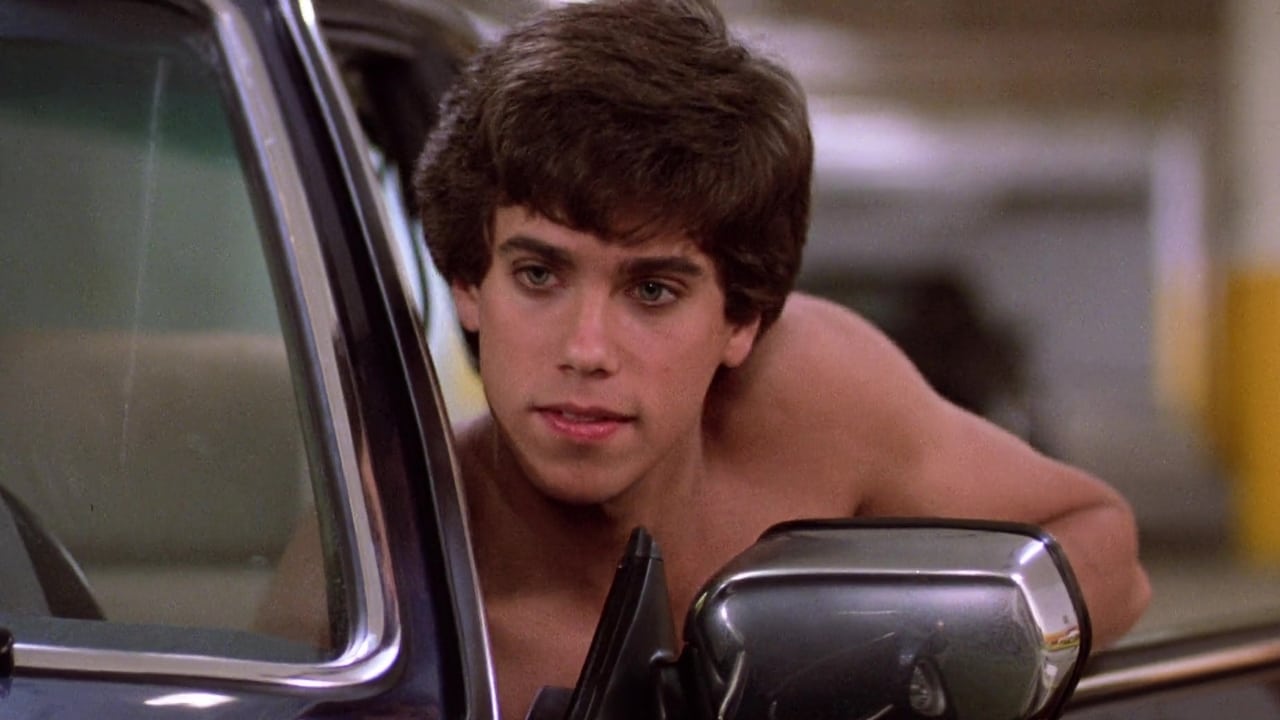
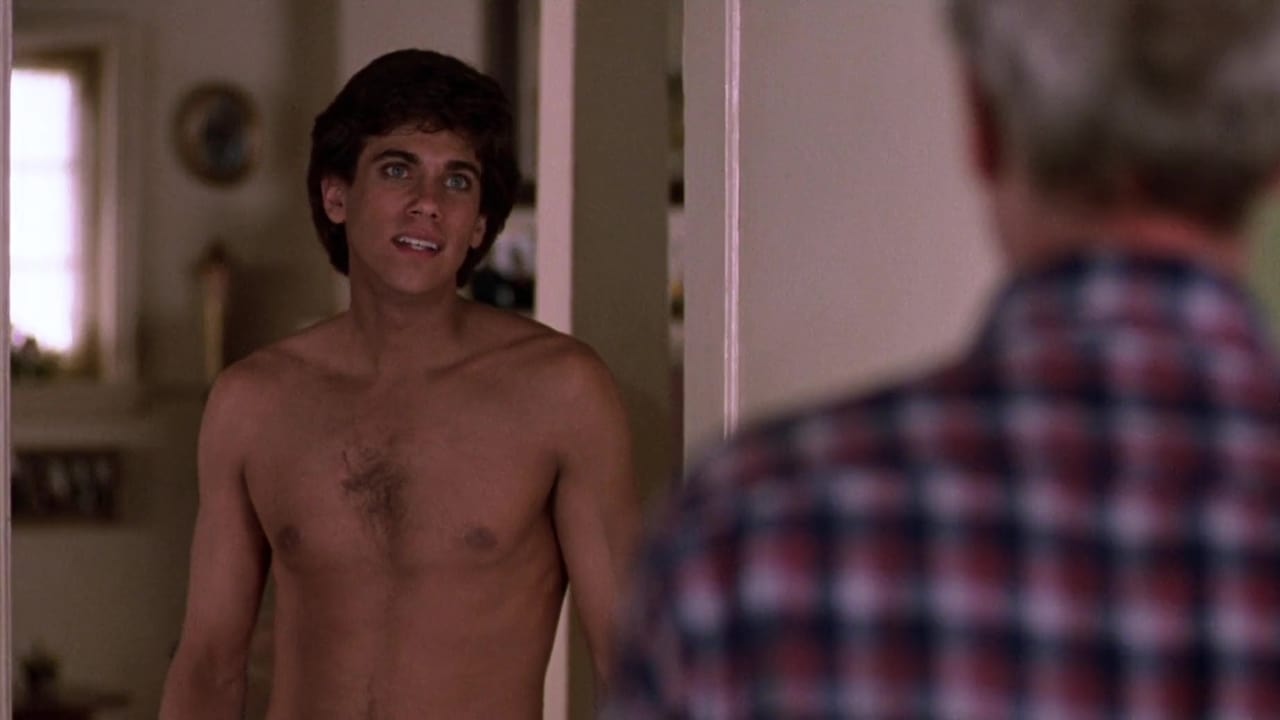
At its core, Harry & Son is a study in contrasts and strained connections. Newman plays Harry Keach, a widowed construction worker whose life revolves around heavy machinery and the tangible world he helps build and demolish. He’s a man carved from granite, his grief over his wife’s death buried deep beneath layers of blue-collar stoicism and simmering frustration. His son, Howard, played by Robby Benson, couldn’t be more different. Howard is sensitive, adrift, dreaming of becoming a writer – a pursuit Harry views with baffled disdain. Their small Florida home becomes a battleground of unspoken resentments and mismatched expectations. Harry wants Howard to get a 'real' job; Howard just wants his father to see him. It’s a classic generational conflict, rendered with a specific, sun-baked weariness.
Newman Behind and Before the Lens
You can't talk about Harry & Son without acknowledging the immense personal significance it held for Paul Newman. He not only directed and starred but also co-wrote the screenplay (with Ronald L. Buck, adapting from Raymond DeCapite's novel A Lost King). This project arrived six years after the tragic death of his own son, Scott Newman, in 1978. Knowing this casts a powerful, poignant light over the entire film. Harry's rough-edged grief, his difficulty expressing love or approval, his sheer physicality – it all feels profoundly authentic, channeled through Newman’s lived experience. His performance isn't flashy; it’s lived-in, bruised, and achingly real. There are moments watching him – the way his eyes, those famously blue eyes, betray a pain his words won't allow – that feel almost uncomfortably intimate. As a director (his fifth feature film, following works like the excellent Sometimes a Great Notion), Newman keeps the focus squarely on the characters, employing a straightforward, unfussy style that lets the emotional undercurrents do the heavy lifting.
The Clash of Worlds
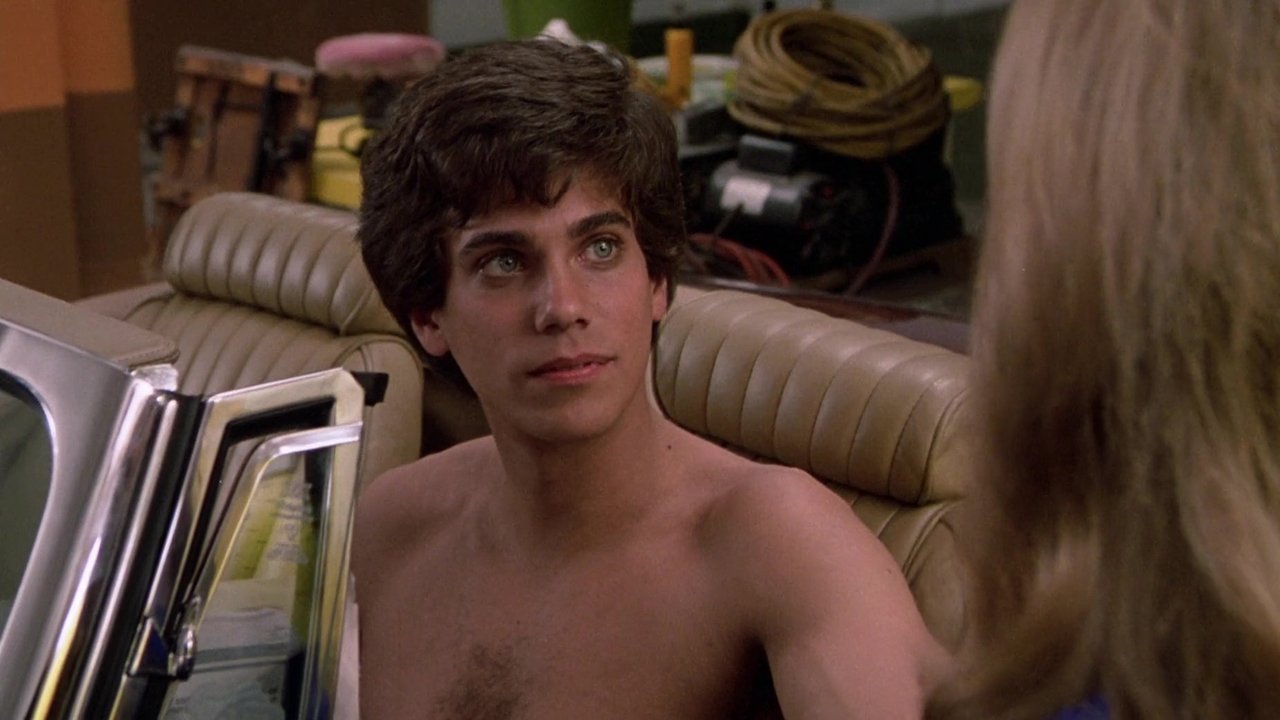
Robby Benson, then known for more heartthrob roles like Ice Castles (1978), steps into a challenging part as Howard. He has the unenviable task of playing opposite a screen titan grappling with personal demons on camera. Benson captures Howard's yearning and frustration well, embodying the struggle of a young man trying to find his own path under the weight of a powerful, often critical, father figure. Does the chemistry always perfectly spark? Perhaps not always seamlessly, but the tension between them feels genuine. Their arguments aren't just about jobs or writing; they're about fundamental differences in how they see the world and their place within it. Adding another layer is Ellen Barkin as Katie, Howard's girlfriend, bringing her trademark intelligence and slightly off-kilter energy to a role that offers Howard (and the audience) a necessary dose of perspective and warmth. And keep an eye out for Newman’s real-life partner, the incredible Joanne Woodward, in a small but beautifully etched role as Lilly, a widow who shares a tentative connection with Harry. Her scenes provide some welcome grace notes.
Florida Blues and Retro Realities
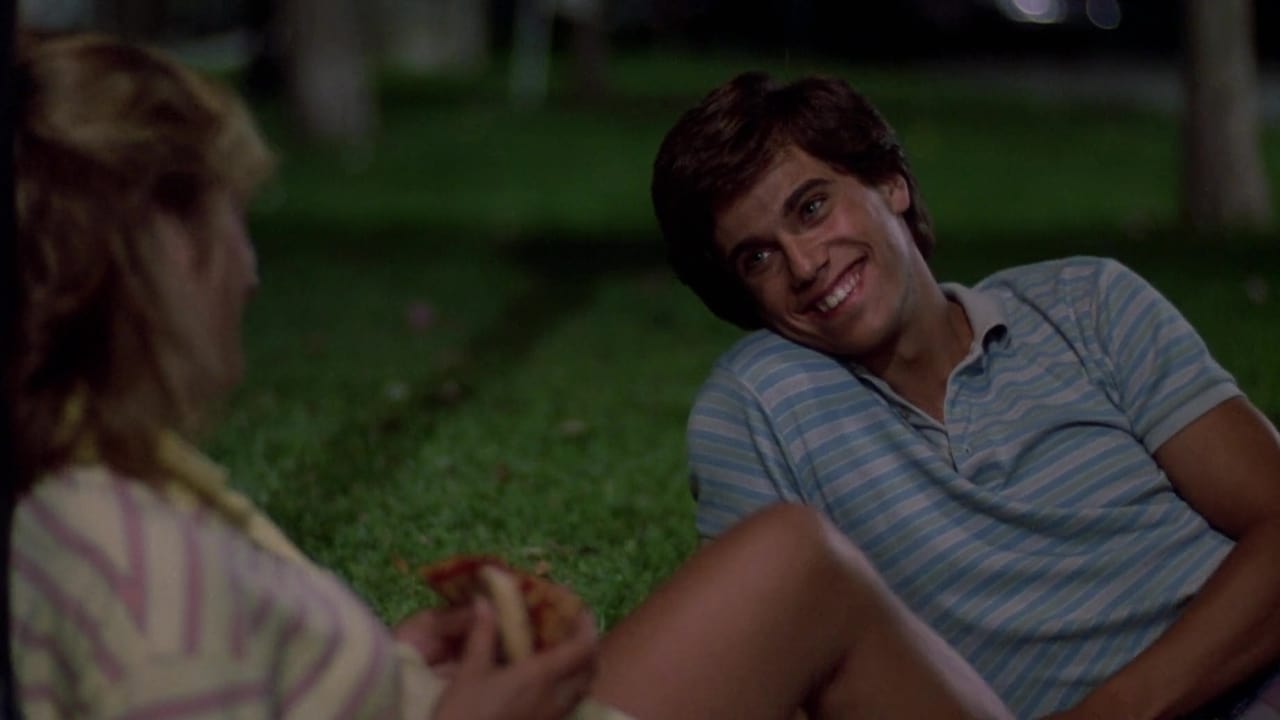
The film’s setting in southern Florida, filmed on location in places like Fort Lauderdale and Lake Worth, is more than just backdrop. It grounds the story in a specific working-class reality – the sweat, the construction sites, the modest homes under the relentless sun. You can practically feel the humidity. This sense of place adds to the film's unvarnished feel. Interestingly, despite Newman’s star power and the intensely personal nature of the project, Harry & Son wasn't a major hit upon release in 1984. It garnered mixed reviews, with some finding it perhaps a touch too earnest or uneven, and it struggled at the box office, making just under $5 million domestically. It seems the raw, downbeat portrayal of familial strife didn't quite align with the generally more optimistic or action-packed mood of the mid-80s box office. Watching it now, removed from that context, allows for a different appreciation – it feels like a film Newman needed to make, regardless of commercial prospects. The score by the legendary Henry Mancini subtly underscores the melancholy without overwhelming it.
Legacy of Unspoken Things
What stays with you after Harry & Son? For me, it’s the honesty, however uncomfortable. It doesn't offer easy answers or tidy resolutions to the chasm between Harry and Howard. It suggests that connection is hard work, that grief shapes us in ways we don't always understand, and that sometimes, love gets lost in translation between generations. Is it a perfect film? No, it occasionally dips into sentimentality, and the pacing sometimes feels deliberate to the point of slow. But its emotional core, powered by Newman's palpable vulnerability, remains resonant. It makes you think about the things left unsaid between parents and children, and the quiet struggles that unfold behind closed doors. Doesn't that kind of quiet honesty often hit harder than grand dramatic gestures?
Rating: 7/10
Harry & Son earns a solid 7. While sometimes uneven and perhaps too heavy for some tastes, its power lies in Paul Newman's deeply felt performance and direction, clearly fueled by personal tragedy. It's an authentic, unvarnished look at a fractured father-son relationship, grounded in a specific time and place but exploring universal themes of grief, communication, and the search for understanding. It bypasses easy sentiment for something more raw and true, even if it means leaving the viewer with a lingering sense of melancholy.
Final Thought: A tough, tender, and deeply personal film that feels less like a Hollywood product and more like a crumpled page torn from someone's diary – specifically, Paul Newman's. Worth seeking out for his searingly honest work, both on and off screen.