It sometimes feels like the most profound cinematic moments aren't announced with explosions or dramatic scores, but arrive quietly, bathed in the soft light of a fading afternoon. Bertrand Tavernier's A Sunday in the Country (Un dimanche à la campagne, 1984) is precisely that kind of film – a gentle, painterly exploration of family, art, regret, and the relentless passage of time, all unfolding over the course of a single late-summer Sunday in 1912. Watching it again recently, perhaps on a less-than-pristine transfer that echoes my long-ago VHS rental, felt less like revisiting a movie and more like stepping into a half-remembered dream, tinged with a sweet, melancholic understanding.
This wasn't the typical tape grabbed for a Friday night back in the day, nestled between action blockbusters and creature features. It was more likely found in that slightly intimidating "Foreign Films" section, maybe picked up on a whim or a recommendation. And what a discovery it offered: a film that moves with the languid pace of its titular day, demanding patience but rewarding it tenfold with emotional depth and visual beauty.
An Impressionist's Canvas
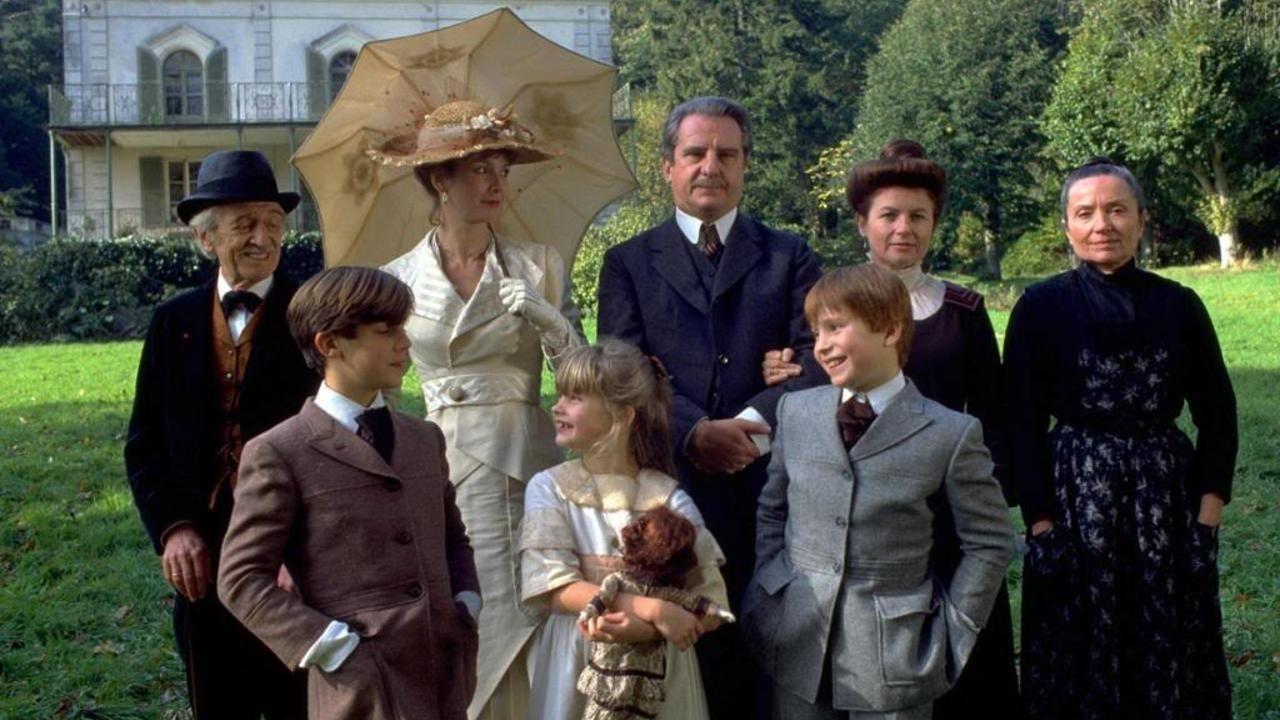
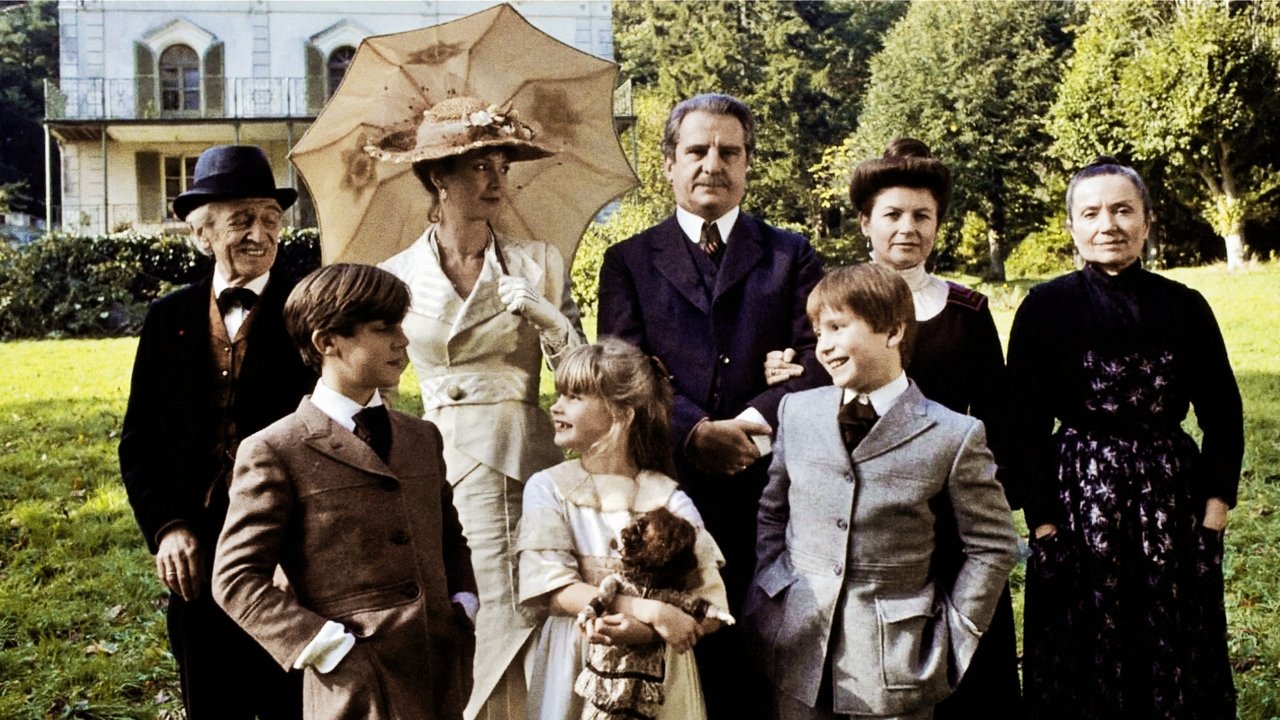
The story itself is deceptively simple. Monsieur Ladmiral (Louis Ducreux), an elderly, widowed painter living in the French countryside, receives his customary Sunday visit from his son Gonzague (Michel Aumont), daughter-in-law Marie-Thérèse, and their three children. Gonzague is dutiful, conventional, perhaps a little dull – a stark contrast to his father's artistic temperament, even if Ladmiral himself feels he never quite reached the heights of his Impressionist contemporaries. The day unfolds with polite conversation, simmering familial tensions, and the quiet rhythms of provincial life.
The film truly sparks to life, however, with the unexpected arrival of Irène (Sabine Azéma), Ladmiral's vibrant, independent daughter. She bursts into the placid scene like a whirlwind, driving her own automobile (a daring novelty!), full of modern ideas, affectionate energy, and a subtle undercurrent of sadness. Her presence disrupts the staid atmosphere, forcing confrontations – both spoken and unspoken – about life choices, artistic ambition, and the different ways love and duty manifest within a family.
Portraits of Quiet Longing
What resonates so deeply in A Sunday in the Country are the performances, particularly that of Louis Ducreux. His Monsieur Ladmiral is a figure of immense pathos. He’s not bitter, exactly, but carries the weight of perceived artistic mediocrity and the loneliness of aging. Ducreux conveys oceans of feeling through a glance, a hesitant gesture, the slight tremble in his voice. We see his pride in his work, his quiet disappointment in his conformist son, and his fierce, complicated love for his spirited daughter. It’s a performance built on nuance, a masterclass in understated emotion.
Sabine Azéma, who won the César Award for Best Actress for her role (the film also snagged Best Director for Tavernier at Cannes), is equally captivating as Irène. She embodies a burgeoning modernity clashing with the old world, her vivacity masking a vulnerability related to her own uncertain life choices and romantic entanglements. The scenes between father and daughter, especially their quiet conversations away from the others, are the heart of the film, revealing layers of shared understanding and unspoken regrets. Michel Aumont, often a grounding presence in French cinema, perfectly captures Gonzague’s well-meaning stolidity, a man perhaps trapped by his own sense of responsibility and inability to connect with his father on an artistic level.
Capturing Light and Time
Bertrand Tavernier, known for his versatile filmography which includes the haunting sci-fi Death Watch (1980) and the jazz ode 'Round Midnight (1986), directs here with a remarkable sensitivity. Working with cinematographer Bruno de Keyzer, he crafts images that explicitly evoke the Impressionist paintings Ladmiral himself might have created. The play of light through trees, the dappled sunshine on the luncheon table, the textures of the countryside – it all feels painterly, deliberate, and incredibly atmospheric. Tavernier adapted the screenplay with his then-wife Colo Tavernier O'Hagan from the novel Monsieur Ladmiral Is Going to Die by Pierre Bost, and there's a distinct literary quality to the dialogue and pacing.
Interestingly, Tavernier sought authenticity down to the smallest detail. The house used for filming reportedly belonged to the family of Impressionist painter Pierre Bonnard’s model and later wife, Marthe de Méligny, adding another layer of connection to the artistic milieu the film explores. It wasn't a large budget production, relying instead on the richness of its characters and the beauty of its setting, much like the paintings Ladmiral creates. This focus on character over spectacle allows the film's themes to breathe and resonate long after the credits roll. We're left contemplating the nature of legacy – what do we leave behind? Is a life devoted to art, even if not crowned with fame, worthwhile? How do familial expectations shape us, and can we ever truly break free?
A Quiet Masterpiece
A Sunday in the Country is a film that lingers. It doesn’t shout its intentions; it whispers them. It’s about the moments between the big events, the quiet observations, the subtle shifts in mood and understanding that define our relationships and our lives. It explores the bittersweet ache of looking back, the acceptance of limitations, and the enduring power of connection, even amidst unspoken tensions. For those of us who remember discovering gems like this tucked away on video store shelves, it serves as a reminder that cinema doesn't always need to be loud to be impactful. Sometimes, the quietest afternoons hold the most profound truths.
Rating: 9/10
Justification: This rating reflects the film's masterful performances (especially Ducreux and Azéma), Tavernier's sensitive direction, the stunning cinematography that perfectly captures the Impressionist aesthetic, and its deeply resonant exploration of complex themes. It's a near-perfect execution of a specific, quiet, character-driven vision. While its deliberate pace might not appeal to everyone, its emotional depth and artistic integrity are undeniable.
Final Thought: A beautifully crafted film that feels less like watching a story and more like inhabiting a memory, leaving you with a profound sense of time's gentle, inexorable flow and the quiet beauty found within ordinary moments.