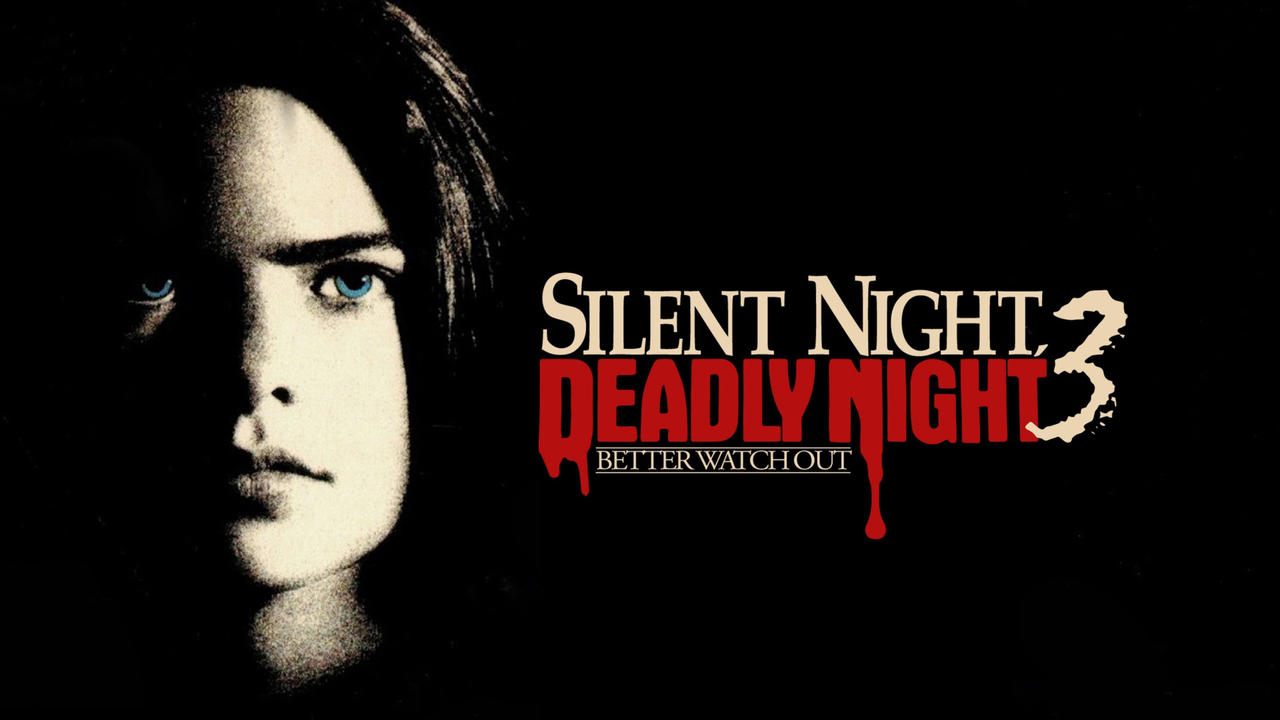
Silent Night, Deadly Night 3: Better Watch Out!
There's a certain kind of chill that doesn't come from the snowy landscapes often associated with Christmas horror, but from the sheer, unsettling wrongness of something familiar twisted into nightmare fuel. Forget the controversies of the first film or the meme-worthy rampage of the second. Silent Night, Deadly Night 3: Better Watch Out! (1989) slides into your VCR not with a bang, but with a bizarre, low-frequency hum of psychological disturbance, leaving you wondering just what exactly you’ve stumbled upon in the flickering cathode ray glow. It’s less a slasher sequel and more a strange, somnambulant fever dream.
### The Road Movie Maestro Takes a Detour
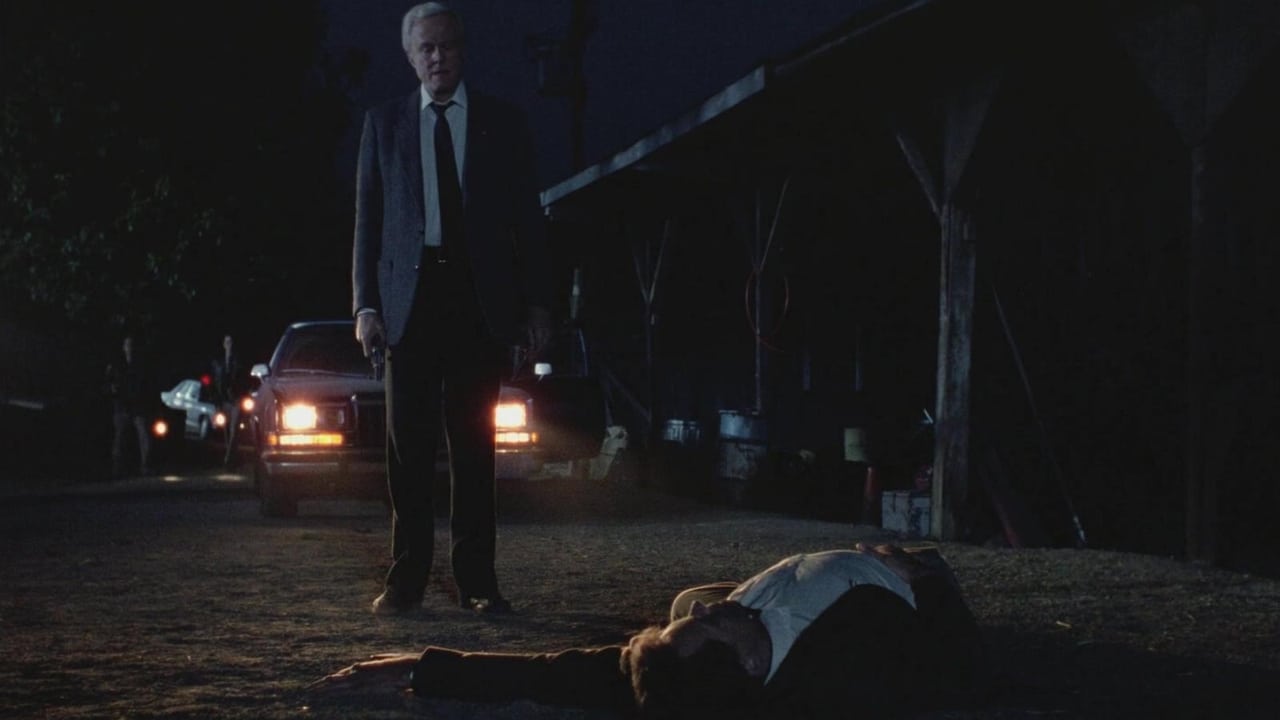
Perhaps the most jarring and fascinating aspect of this third entry is the name behind the camera: Monte Hellman. Yes, that Monte Hellman, the existential auteur celebrated for gritty, minimalist masterpieces like Two-Lane Blacktop (1971) and Cockfighter (1974). His presence directing a direct-to-video slasher sequel feels almost like a glitch in the system, a strange convergence of high-art sensibility and grindhouse expectation. Reportedly brought in late after the original director was fired just days before shooting, Hellman worked under intense pressure with a script he co-wrote (under pseudonyms alongside Carlos Laszlo and Arthur Gorson) and a meager budget (rumored around $1.5 million). You can almost feel his distinct style trying to claw its way through the B-movie framework – a focus on mood over mayhem, a deliberate pace that feels alien to the genre, and an air of detached observation that somehow makes the proceedings even creepier. It’s a cinematic square peg jammed into a round hole, and the resulting friction is weirdly compelling.
### Psychic Links and Plastic Brains
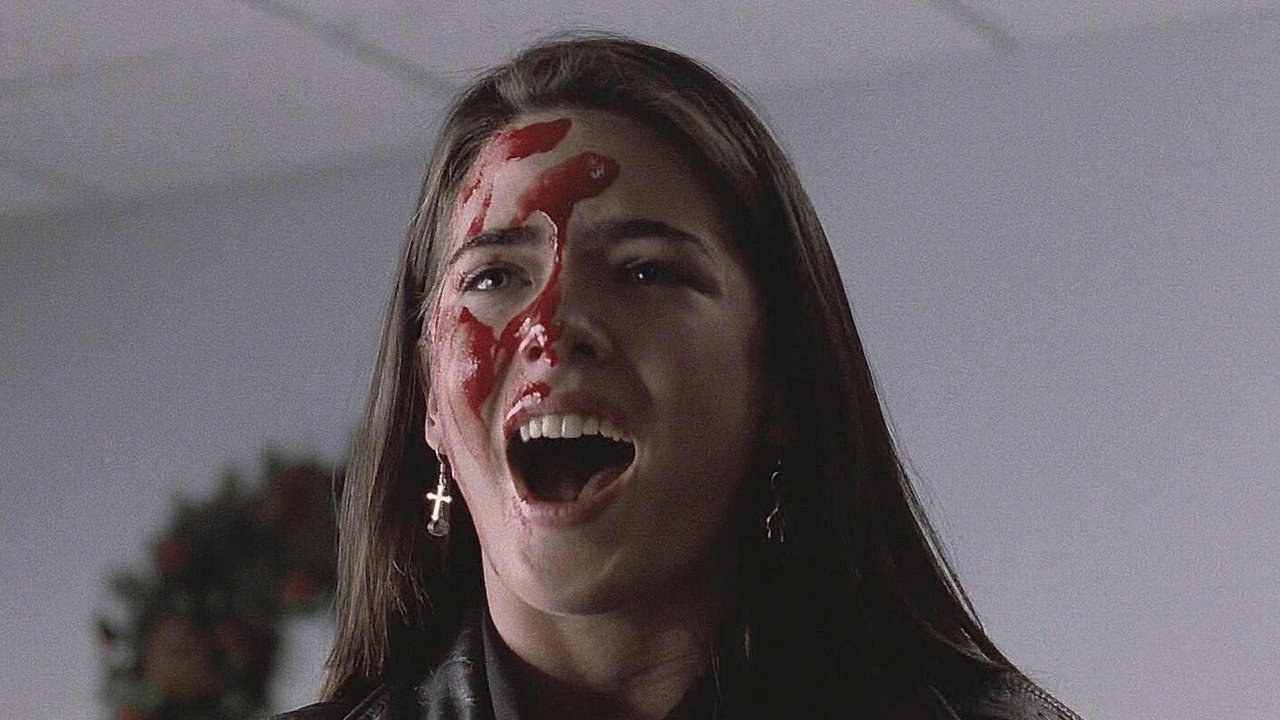
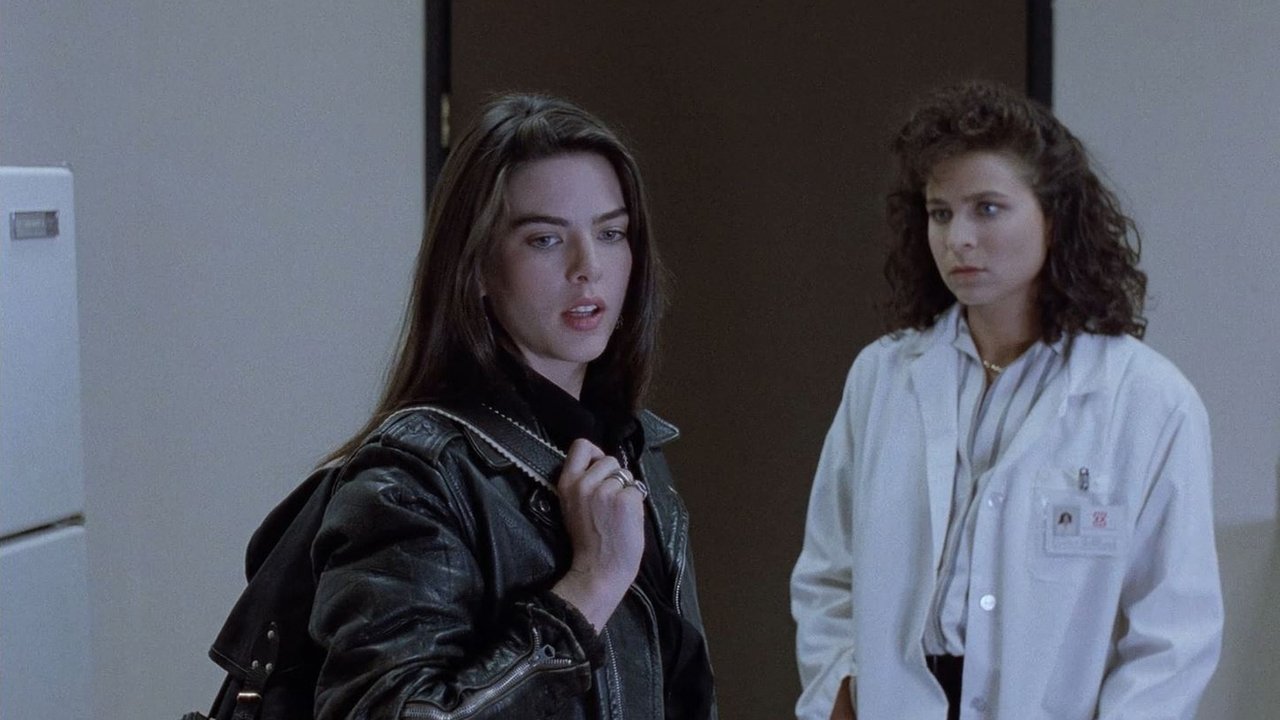
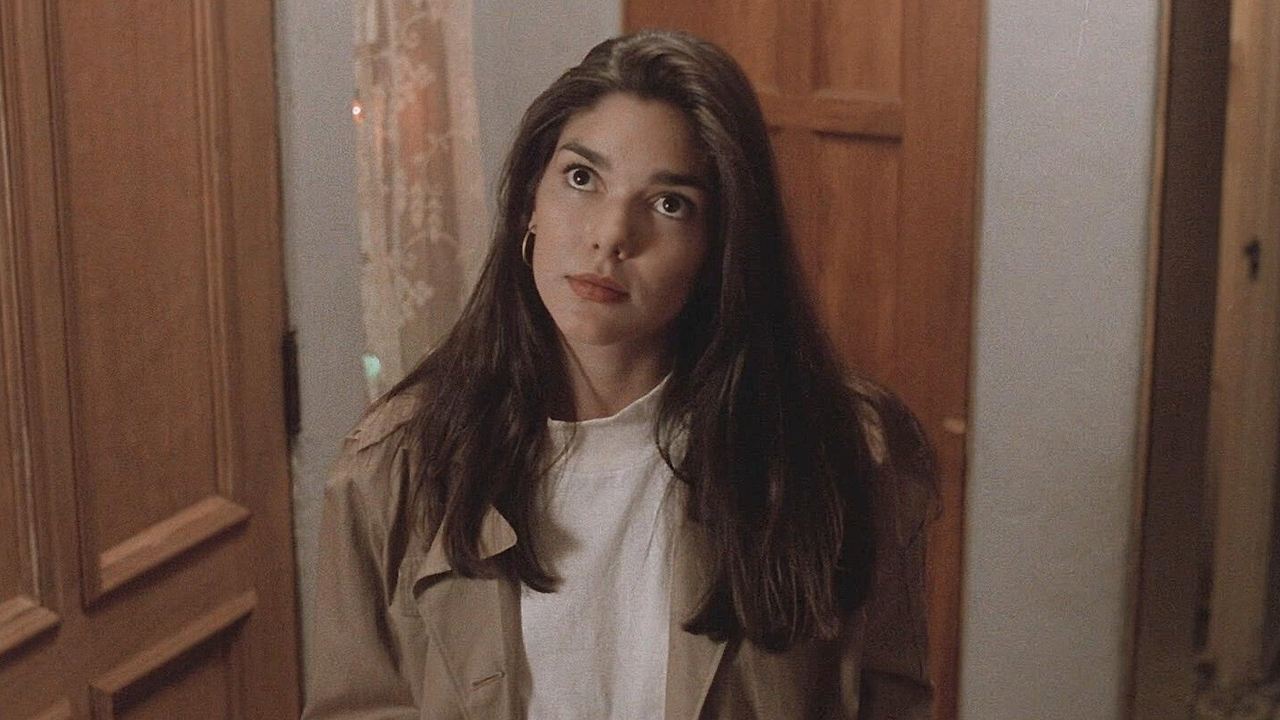
The premise itself signals a hard left turn. Ricky Caldwell (Bill Moseley, stepping into the role after his unforgettable turn as Chop Top in The Texas Chainsaw Massacre 2), the killer Santa of Part 2, isn't dead, merely comatose. He lies in a hospital bed, his shattered skull capped with a ridiculous-yet-unforgettable plexiglass dome revealing his pulsating, damaged brain – a practical effect so utterly strange it becomes iconic by sheer audacity. He forms a psychic link with Laura (Samantha Scully), a young blind woman participating in dream experiments conducted by the morally ambiguous Dr. Newbury (Richard Beymer, forever Tony from West Side Story, but bringing a certain Lynchian vibe perhaps honed later in Twin Peaks). When Ricky inevitably awakens (triggered, naturally, by Christmas Eve stimuli), he uses this psychic connection to stalk Laura, the dome becoming a bizarre visual signature for this new, lumbering phase of his murderous career.
The shift towards psychic phenomena and away from traditional stalking grounds the film in a different kind of dread. Laura's blindness is used effectively, creating vulnerability and relying on sound design and atmosphere to build tension. The film often feels less like a slasher and more like a low-budget psychological thriller experimenting with dream logic and sensory deprivation. Does that psychic connection genuinely shock you, or just raise an eyebrow at its sheer convenience? Either way, it sets Part 3 miles apart from its predecessors.
### A Different Kind of Killer
Bill Moseley brings a palpable sense of brokenness and menace to Ricky. Gone is the frantic energy of the previous film; this Ricky is a slow, hulking presence, driven by fragmented memories and a psychic imperative. Moseley, a genre veteran even then, commits fully to the role, finding pathos beneath the absurdity of the brain-dome. His muttered repetitions of "Naughty..." carry a different weight here – less a catchphrase, more the sound of a damaged mind stuck on repeat. The choice to keep him largely out of the Santa suit (though it makes brief appearances) further distances this entry, focusing instead on the man (or what’s left of him) beneath the myth. Trivia buffs might note that Moseley apparently found the brain-dome contraption quite uncomfortable to wear during the chilly shoot, adding a layer of real-world suffering to the on-screen menace.
The supporting cast does what they can. Samantha Scully carries the film admirably as Laura, projecting vulnerability without helplessness. Richard Beymer adds a layer of unease as the doctor whose motivations seem questionable. His presence feels like another strange piece of the puzzle, connecting this oddball horror flick to both classic Hollywood and avant-garde television.
### An Uneasy Legacy
Silent Night, Deadly Night 3 wasn't exactly embraced upon its direct-to-video release. Fans expecting more Santa-suited carnage were likely baffled by its slow pace, psychic plot, and arthouse aspirations peeking through the cracks. It lacks the visceral thrills of the original and the gleeful absurdity of the second. Yet, viewed through the lens of VHS archaeology, it’s a fascinating specimen. It’s a film clearly wrestling with its B-movie origins while being steered by a director with a completely different cinematic language. This internal conflict makes it feel unique, even if not entirely successful. The practical effects, particularly Ricky’s exposed brain, remain memorable for their sheer audacity, a testament to the kind of strange risks low-budget 80s horror was sometimes willing to take. Remember how something so obviously fake could still feel so unsettlingly weird back then?
It’s a film that doesn't quite deliver on traditional slasher promises but offers something else: a pervasive sense of unease, a handful of genuinely bizarre moments, and the undeniable curiosity factor of Monte Hellman slumming it (or perhaps trying to elevate it) in the world of killer Santas.
Rating: 4/10
Justification: The score reflects the film's identity as a deeply flawed but fascinating curio. It earns points for Monte Hellman's stylistic fingerprints (however faint), Bill Moseley's committed performance, its uniquely bizarre premise, and that unforgettable brain-dome effect. However, it loses significant points for its often sluggish pacing, underdeveloped psychic plot mechanics, lack of conventional scares, and ultimately failing to fully satisfy as either a slasher or a psychological thriller. It exists in a strange, unsatisfying middle ground.
Final Thought: Silent Night, Deadly Night 3 is the weird cousin of the slasher family, the one nobody quite knows what to make of. It’s less a guilty pleasure and more a genuine oddity, worth seeking out for connoisseurs of cinematic strangeness and anyone curious to see what happens when an art-house director gets tangled up in Santa’s deadly sack. Just don't expect comfort and joy.