It’s the stillness that gets you first. Not emptiness, but a charged stillness, like the air before a desert storm. That’s the feeling Stephen Frears conjures in The Hit, a 1984 British crime film that unfolds not in rain-slicked London alleys, but under the unforgiving glare of the Spanish sun. Watching it again now, decades after first encountering its minimalist intensity on a well-worn VHS tape, the film feels less like a conventional thriller and more like an existential road trip towards an inevitable, yet strangely ambiguous, horizon. It quietly subverted the gangster genre long before it became fashionable to do so.
An Unlikely Journey
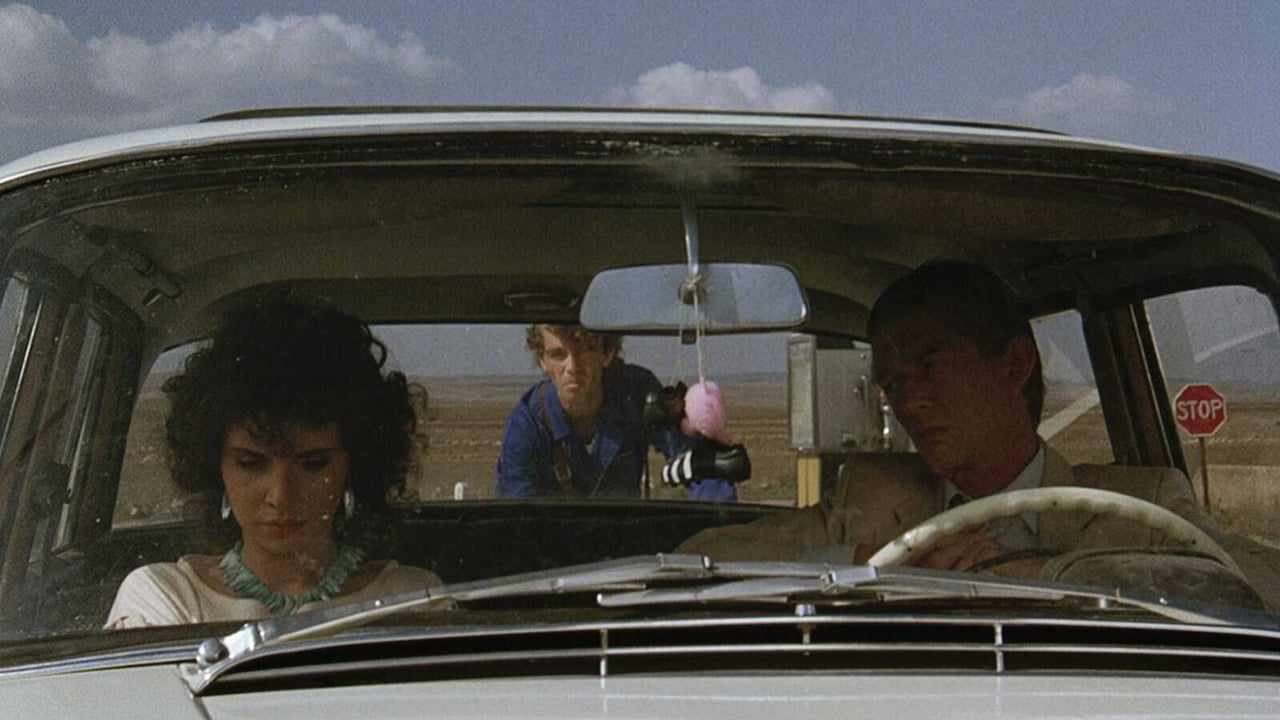
The setup is deceptively simple. Willie Parker (Terence Stamp), a former gangster who turned Queen's Evidence a decade prior, has been living a quiet, philosophical life in Spanish exile. His past, however, has a long memory. The associates he betrayed dispatch two hitmen to retrieve him: the world-weary veteran Braddock (John Hurt) and his volatile, eager-to-impress apprentice, Myron (Tim Roth in his electrifying film debut). Their mission: drive Parker across Spain to Paris, where judgment awaits. But Parker, serene and oddly accepting of his fate, throws their grim task into disarray, turning a straightforward job into a contemplative, sun-drenched odyssey that questions everything the hitmen thought they knew about life, death, and courage. Add a captured witness, Maggie (Laura del Sol), into the mix, and the simmering tensions reach boiling point.
Atmosphere as Antagonist
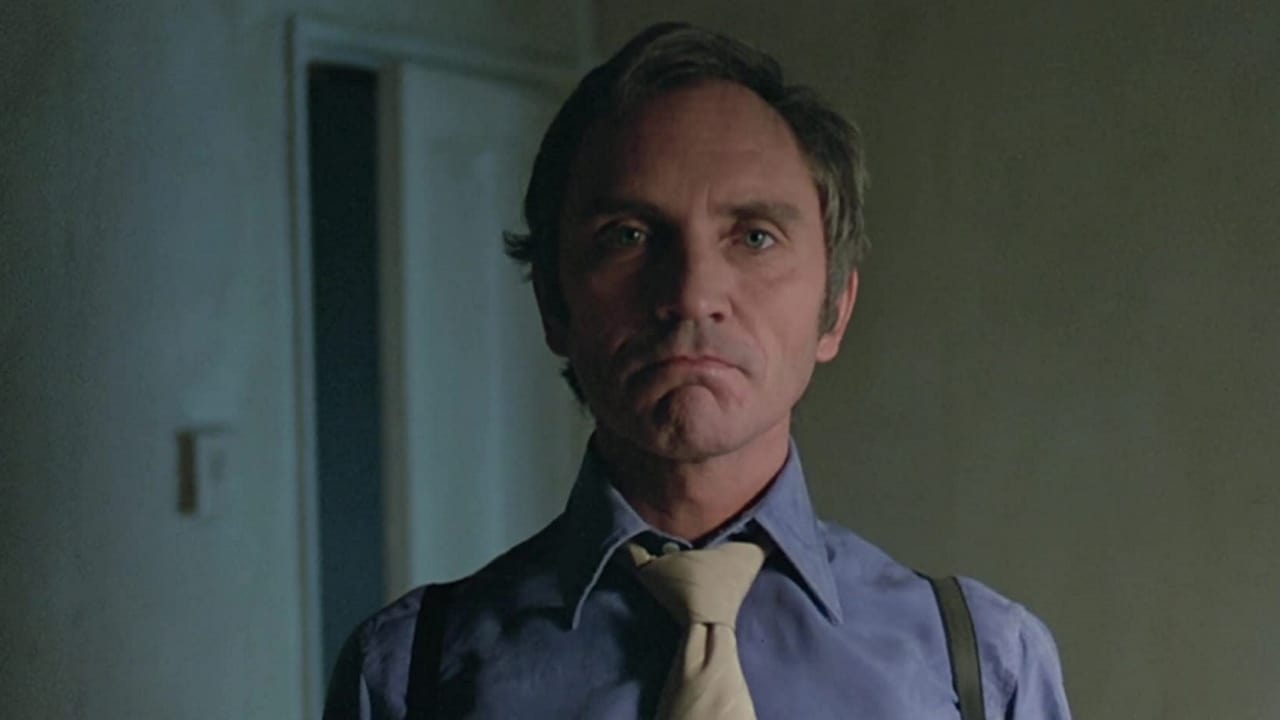
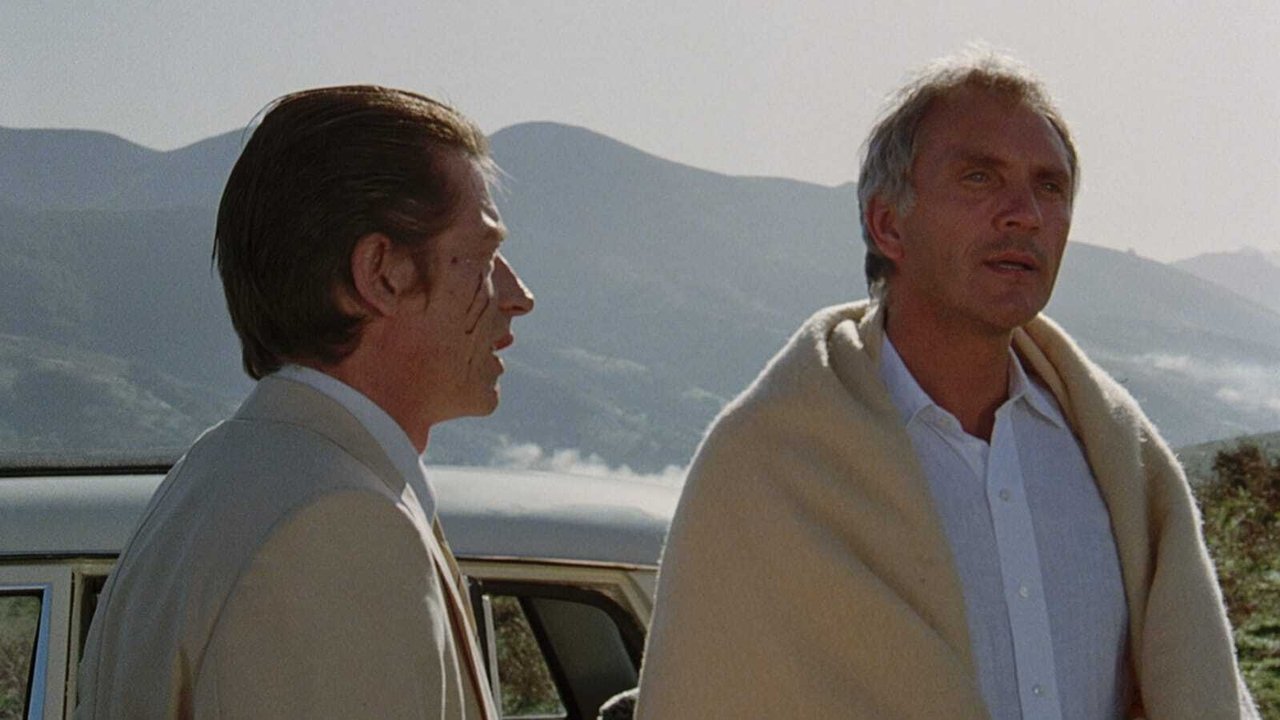
Frears, who would later give us sharply observed films like My Beautiful Laundrette (1985) and Dangerous Liaisons (1988), uses the Spanish landscape brilliantly here. The wide-open spaces, the dusty roads, the stark beauty – it all serves to isolate the characters, amplifying their internal struggles. This isn't the glamorous Spain of tourist brochures; it's a parched, indifferent backdrop against which human dramas play out with quiet intensity. The pacing is deliberate, almost languid, allowing the dread to build organically. You feel the heat, the boredom of the road, the sudden punctuations of violence feeling all the more shocking for their sparseness. It’s a masterclass in using setting not just as scenery, but as an active force shaping the narrative and mood. The distinctive, often melancholic score, primarily by flamenco guitar legend Paco de Lucía (with a notable theme contributed by Eric Clapton, though sometimes uncredited on releases), deepens this unique atmosphere perfectly.
Portraits in Pressure
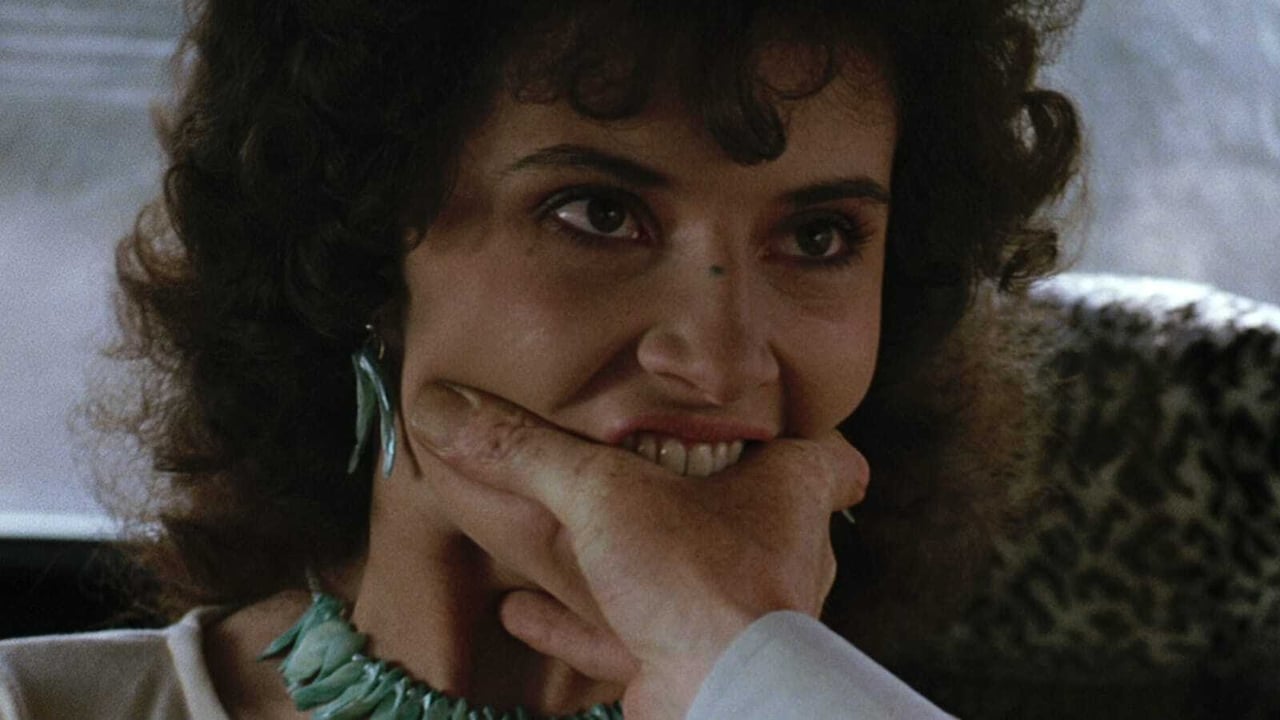
What truly elevates The Hit beyond its premise are the phenomenal performances. Terence Stamp, making a significant comeback after some years away from major roles, is utterly captivating as Willie Parker. He embodies a man who has seemingly made peace with death, viewing his impending execution with an unnerving calm and intellectual curiosity. Is it enlightenment, cowardice, or a final, subtle act of defiance? Stamp keeps you guessing, his minimalist portrayal radiating a quiet power that dominates every scene he's in. You can almost believe the rumour that Parker was based, in part, on the more philosophical Krays associate, David Litvinoff.
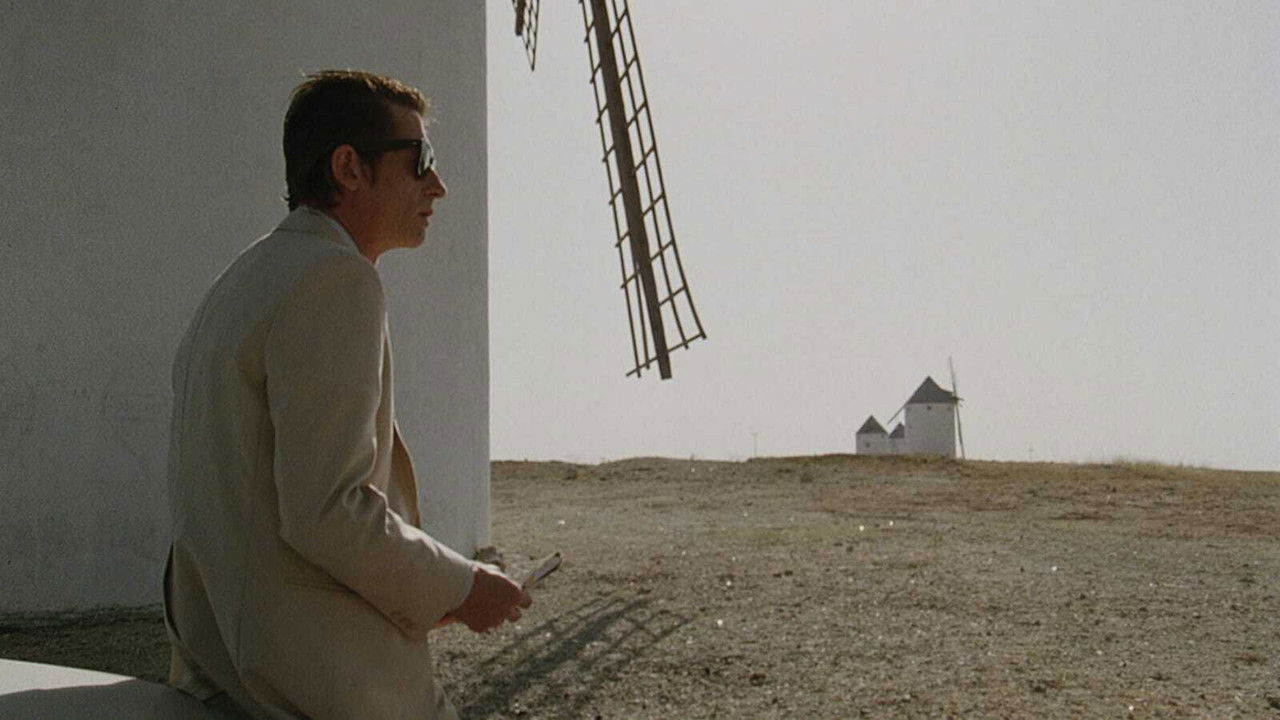
Opposite him, John Hurt delivers a masterclass in weary professionalism as Braddock. His face is a roadmap of past jobs and regrets. Braddock is the seasoned pro, trying to maintain control, yet visibly unsettled by Parker's strange serenity and Myron’s impulsive nature. Hurt conveys layers of internal conflict with just a glance or a sigh – the hitman grappling with the dawning pointlessness of his own existence. He's the anchor of grim reality in this increasingly surreal journey.
And then there's Tim Roth. Reportedly landing the role after impressing Frears with raw energy in his audition, Roth explodes onto the screen as Myron. He’s all nervous energy, posturing aggression masking deep insecurity. Myron is desperate to prove himself, to emulate Braddock, but lacks the experience or the temperament. His interactions with Parker are fascinating – a clash of youthful volatility and aged acceptance. It remains one of the most striking debut performances of the era. Laura del Sol, fresh from her international success in Carlos Saura's Carmen (1983), provides a vital counterpoint as Maggie, her fear and resilience highlighting the varying human responses to captivity and the threat of violence.
Echoes in the Dust
The Hit wasn't a massive box office smash upon release, despite earning critical acclaim and a Palme d'Or nomination at Cannes. Its modest £1.5 million budget perhaps reflected its more arthouse sensibilities compared to mainstream 80s fare. Yet, its influence feels significant, prefiguring the quirky character studies and existential themes that would surface in later crime films. It asks uncomfortable questions: What constitutes bravery? How do we face the inevitable? Does understanding erase the crime? Parker’s philosophical musings, initially seeming like stalling tactics, gradually infect the perspectives of his captors and, indeed, the viewer.
I recall finding this on VHS, probably nestled between flashier action titles. It felt like discovering a secret – a film that valued mood and character over pyrotechnics. The stark, almost documentary-style cinematography by Mike Molloy and Frears' patient direction felt bracingly different. It wasn’t about the bang, but the long, tense silence before it, and the unsettling quiet after.
Rating: 9/10
This score reflects the film's exceptional performances, particularly from Stamp, Hurt, and Roth, its masterful control of atmosphere, and its intelligent, unconventional approach to the crime genre. It’s a film that uses its deliberate pace not as a flaw, but as a tool to build suspense and allow its profound themes to resonate. The direction is assured, the writing is sharp, and the Spanish setting is used to stunning effect. It remains a unique and haunting piece of 80s cinema.
The Hit lingers not because of its violence, but because of its questions, its sun-baked melancholy, and the unforgettable image of a man facing his end with unnerving, enigmatic grace. It’s a quiet hum of a film that resonates long after the VCR has clicked off.