How do you follow up a phenomenon? That’s the question that hangs in the air when the opening credits roll for La Boum 2 (or The Party 2, depending on which slightly faded VHS cover you remember). The original 1980 film wasn't just a movie; it was a cultural moment, particularly in Europe, launching a teenage Sophie Marceau into superstardom and etching Vladimir Cosma's "Reality" onto the collective consciousness. Sequels often carry the heavy burden of expectation, tasked with recapturing lightning in a bottle. Does this 1982 follow-up manage it? Well, perhaps the better question is, does it need to?
Growing Pains, Continued
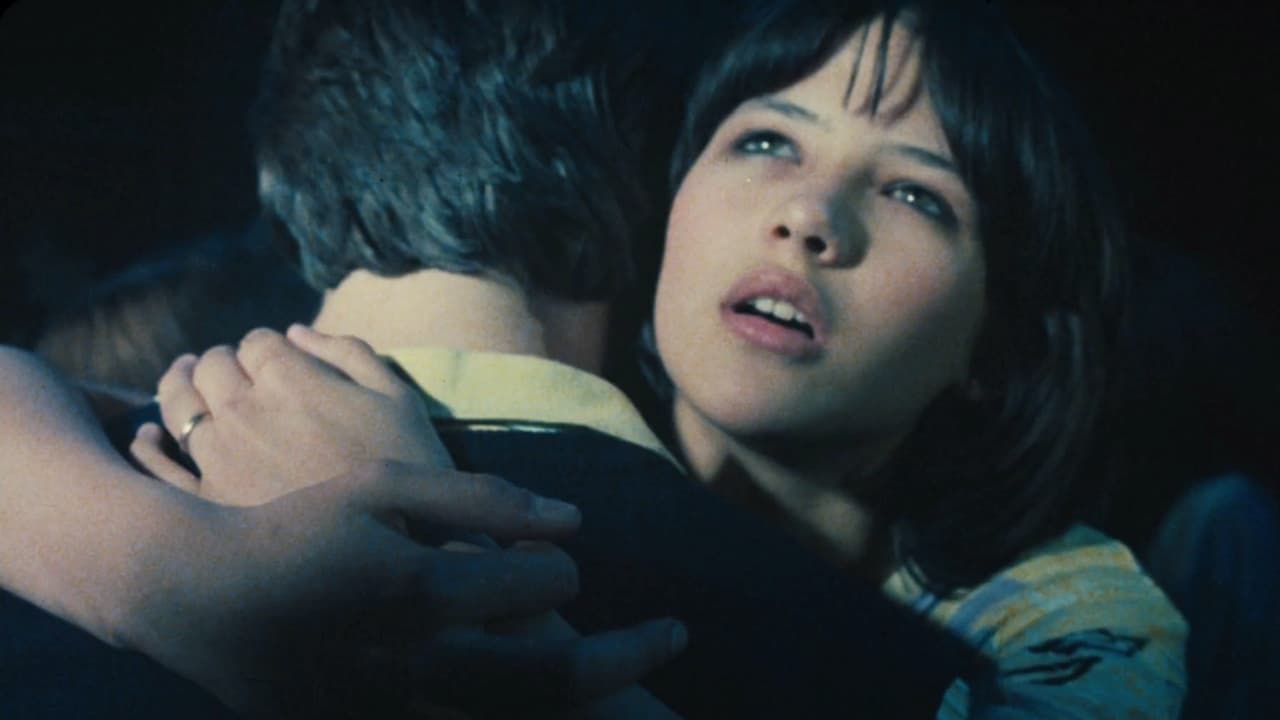
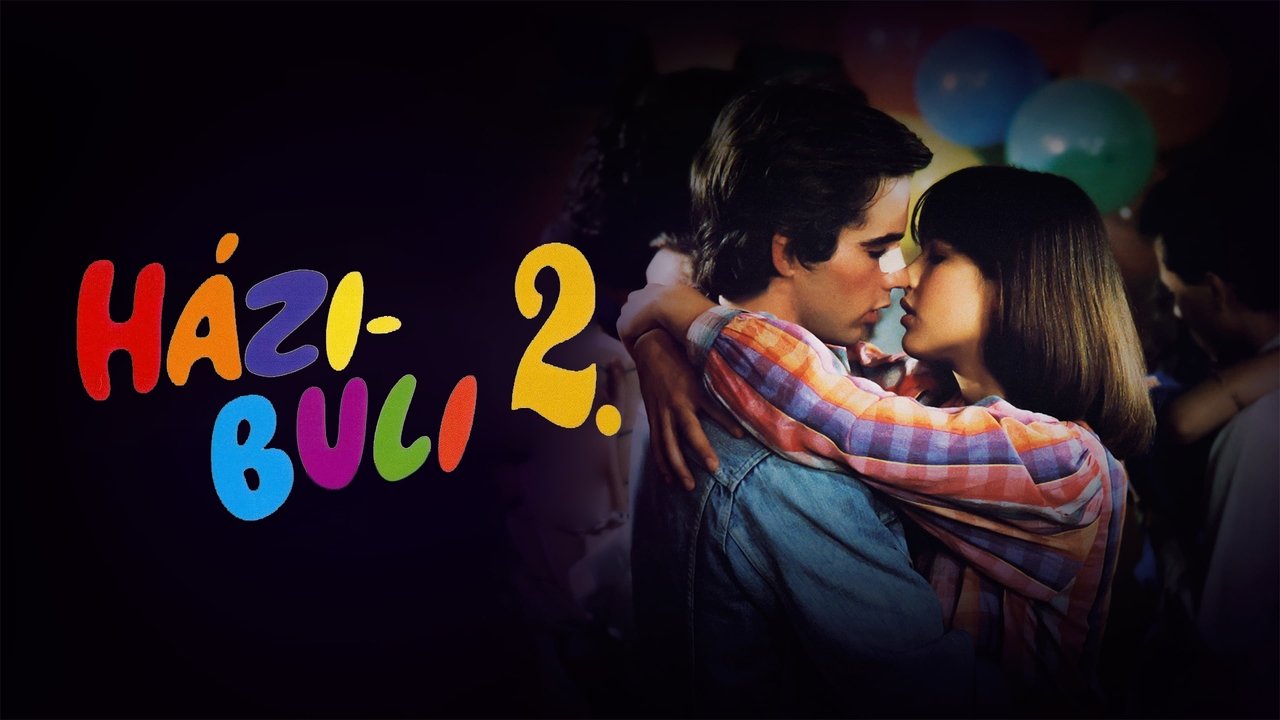
Picking up two years after the first film, we find Vic Beretton (a still luminous Sophie Marceau) navigating the slightly more complex currents of being fifteen, almost sixteen. The initial flush of first love with Mathieu has faded, replaced by the lingering awkwardness of adolescent history. Life, however, rarely allows for quiet reflection in the teenage years. Enter Philippe (Pierre Cosso), a slightly older, impossibly handsome student she meets on a train. Suddenly, Vic is swept up in a new whirlwind romance, complete with moonlit walks, intense gazes, and the inescapable drama that seems to follow young love like a shadow. Director Claude Pinoteau and co-writer Danièle Thompson (who also penned the original) wisely don't try to simply replicate the formula. Instead, they allow Vic – and the film itself – to mature, just a little.
Marceau's Magnetic Presence
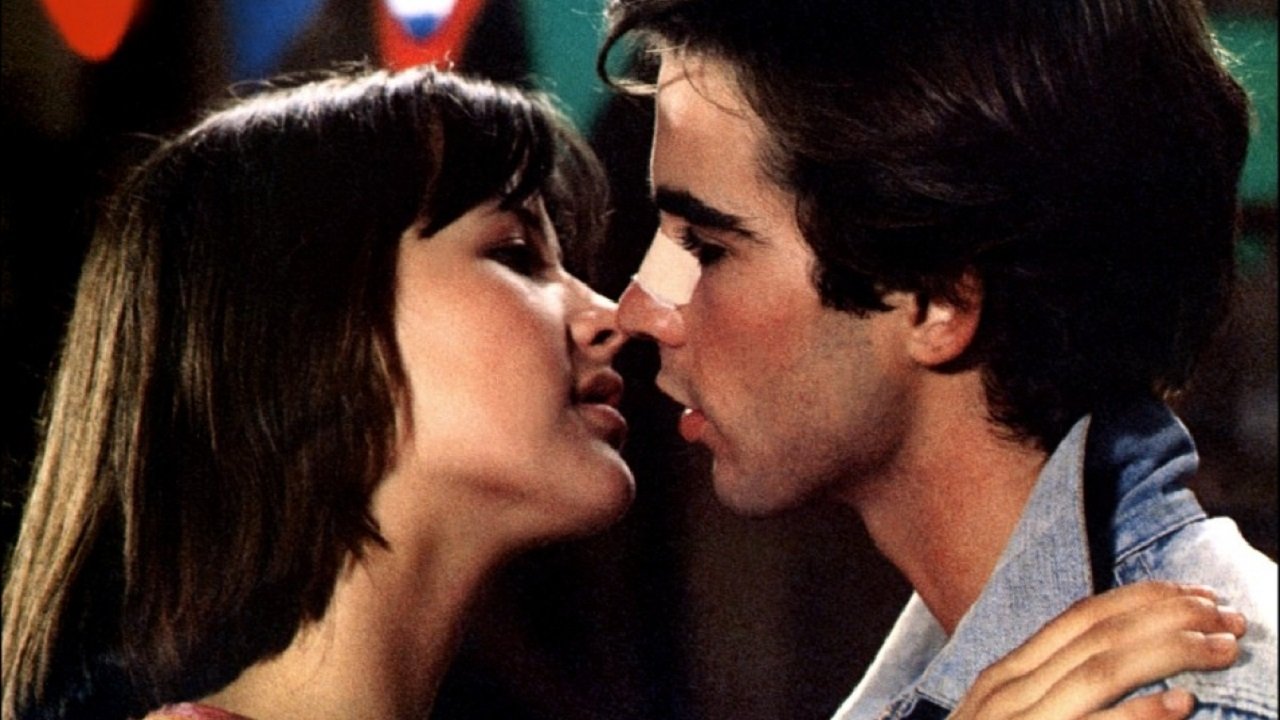
What truly elevates La Boum 2 beyond a mere retread is Sophie Marceau. Having already captured hearts in the first film, here she deepens her portrayal of Vic. There's a newfound confidence, occasionally bordering on stubbornness, mixed with the familiar vulnerability. You see the gears turning behind her eyes as she weighs choices, experiences jealousy, and grapples with the intensity of her feelings for Philippe. It's a remarkably naturalistic performance, capturing that delicate transition phase where childhood certitudes begin to crumble under the weight of adult emotions. It's no surprise Marceau won the César Award (the French equivalent of an Oscar) for Most Promising Actress for this role – the camera simply adores her, and she rewards its gaze with genuine emotional honesty. You believe her joy, her confusion, her heartbreak. Remember feeling that intensely about someone at fifteen? Marceau makes you feel it all over again.
Echoes and Developments
The parallel story of Vic's parents, François (Claude Brasseur) and Françoise (Brigitte Fossey), continues, offering a more grounded, often comedic counterpoint to Vic's romantic highs and lows. Brasseur and Fossey maintain their effortless chemistry, their marital squabbles and reconciliations providing a different, perhaps more weathered, perspective on love and commitment. Their storyline, while secondary, adds a layer of warmth and realism, reminding us that navigating relationships doesn't necessarily get easier with age. It’s a gentle commentary woven into the fabric of the film: love, in its various forms, is a constant negotiation.
The production itself retains the charming, slightly sun-drenched feel of the original, capturing Paris in the early 80s with an affectionate eye. While the first film became a massive, somewhat unexpected international hit (grossing many times its modest budget), the sequel faced the pressure of replicating that success. Interestingly, La Boum 2 performed exceptionally well, particularly in France, proving the audience's connection with Vic and her world was far from a fleeting fancy. It pulled in over 4 million admissions in France alone, a testament to the enduring appeal of its characters and themes.
The Soundtrack Strikes Again
And then there's the music. Composer Vladimir Cosma returns, delivering another instantly memorable score. While perhaps not achieving the ubiquitous global status of "Reality," the main theme "Your Eyes" (performed by Cook da Books) perfectly encapsulates the film's romantic yearning and became another significant hit. Music isn't just background noise in La Boum 2; it's integral to the emotional landscape, amplifying the swooning highs and melancholic lows of Vic's journey. That specific blend of synth-pop and balladry feels so intrinsically linked to the era, doesn't it? It instantly transports you back. I recall humming "Your Eyes" for weeks after catching this on a rented tape, probably rewinding the key romantic scenes more times than I'd admit.
Capturing a Moment
La Boum 2 isn't groundbreaking cinema, nor does it pretend to be. It doesn't reinvent the teen romance genre. What it does, with considerable charm and sensitivity, is capture a specific feeling – that overwhelming, slightly terrifying, utterly consuming experience of second love, the one that feels more real, more serious than the first. It acknowledges the growing complexities of life as one edges towards adulthood, without losing the sweetness and hopefulness that made the original so beloved. It's less about the iconic "party" scene (though there are gatherings) and more about the quieter moments, the internal struggles, the tentative steps into a larger world.
Rating: 7/10
This score reflects a film that successfully builds upon its predecessor, anchored by a wonderful central performance and a genuine understanding of adolescent emotion. It avoids feeling like a cynical cash-grab, offering a warm, engaging, and relatable continuation of Vic's story. While it might lack the singular iconic moment of the original's headphone scene, its emotional resonance and Marceau's award-winning turn make it a worthy sequel and a charming slice of early 80s nostalgia.
It leaves you pondering not just the intensity of young love, but the way these formative experiences shape the adults we become. And sometimes, isn't that quiet reflection the most rewarding part of revisiting these old favorites?