The Incredibly True Adventure of Two Girls in Love
There's a certain quiet honesty that radiates from some films discovered tucked away on the lower shelves of the video store, the ones without the explosive box art or familiar blockbuster faces. The Incredibly True Adventure of Two Girls in Love (1995) felt exactly like that kind of discovery – a title almost defiantly earnest, promising something perhaps a little raw, a little different. And it delivered, not with spectacle, but with a gentle authenticity that felt remarkably refreshing amidst the louder churn of mid-90s cinema. Watching it again now, that same unassuming charm resonates, a reminder of how powerful simple, heartfelt storytelling can be.

Finding Something Real on Aisle Three
The premise is straightforward, almost archetypal: two high school girls from opposite sides of the tracks fall for each other. Randy (Laurel Holloman) is the working-class tomboy, pragmatic and living with her lesbian aunt and her girlfriend after being abandoned by her mother. Evie (Nicole Ari Parker) is sophisticated, beautiful, comes from a wealthy Black family, drives a Range Rover, and listens to classical music. Their worlds couldn't seem further apart, yet a chance meeting sparks an undeniable connection. It’s a classic setup, but writer-director Maria Maggenti, in her feature debut, bypasses melodrama for something far more grounded. The film doesn't just chart their romance; it carefully observes the orbits they inhabit – the expectations, the prejudices, the small moments of connection and friction within their respective families and social circles. I remember renting this, perhaps drawn by the slightly unusual title on the spine of the VHS box, expecting maybe a quirky teen comedy, and finding something much richer and more touching.
Worlds Apart, Hearts Together
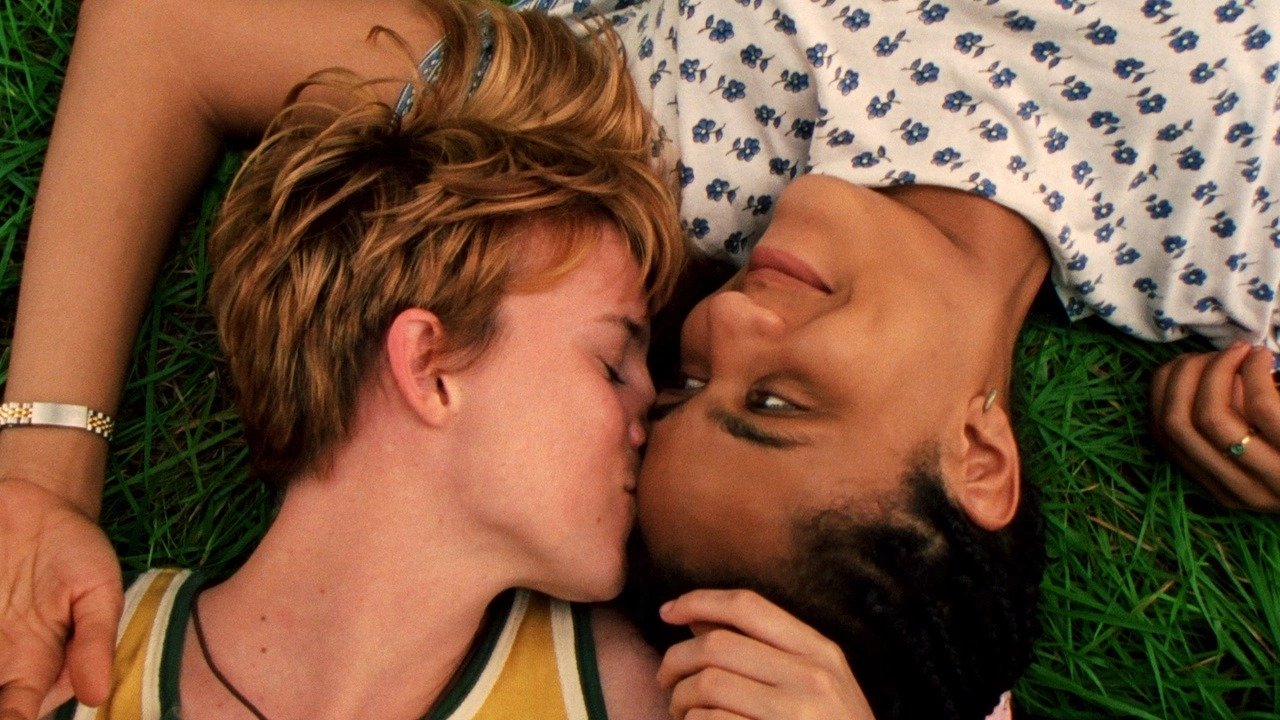
What truly elevates The Incredibly True Adventure... is the palpable chemistry between its leads. Laurel Holloman embodies Randy with a captivating blend of awkward vulnerability and quiet confidence. There's a naturalism to her performance, a lack of polish that feels utterly real – you believe her discomfort in Evie's affluent world, her fierce loyalty, and the tentative wonder of her first love. Opposite her, Nicole Ari Parker, in one of her earliest roles, brings grace and intelligence to Evie. She navigates Evie's more constrained environment with a subtle yearning for something more, something Randy represents. Their interactions crackle with the nervous energy and intoxicating discovery of young love. Maggenti allows their relationship to unfold organically, through shared glances, tentative touches, and conversations that feel refreshingly unscripted. It’s in these small, observed moments – sharing music, awkward dinners, hiding out in Randy’s beat-up car – that the film finds its truth. What lingers is the feeling of watching two people genuinely connect, their differences melting away in the intensity of their mutual affection. Doesn't that capture the very essence of falling in love for the first time?
Rough Edges, Honest Heart
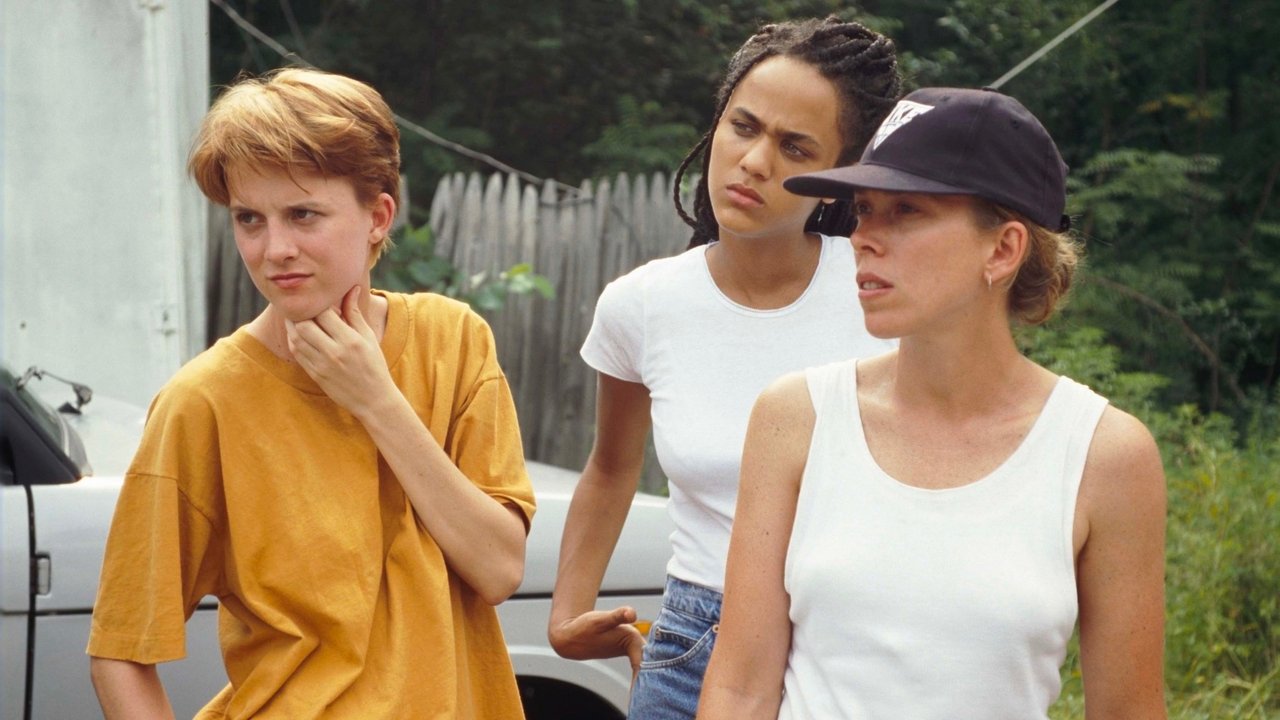
You can feel the indie spirit pulsating through this film. Shot on a shoestring budget – reportedly around $65,000, a figure that seems almost impossible today – and filmed quickly (sources say about 20 days), it has an unvarnished look that perfectly complements its story. Maria Maggenti, who drew inspiration from her own teenage experiences, directs with a focus on character and emotion rather than stylistic flourish. The cinematography is simple, functional, letting the performances carry the weight. This isn't a slick Hollywood production; it feels intimate, almost like a home movie capturing lightning in a bottle. This low-budget reality wasn't a constraint to be hidden, but rather became part of its charm. It lent an immediacy, a sense that this story could be happening just down the street. Supporting players, like Maggie Moore as Randy's supportive Aunt Rebecca, add to the feeling of a lived-in world, creating a believable network around the central romance. It’s a testament to Maggenti’s script and direction that the film feels so complete despite its humble origins. It premiered at Sundance, earning positive notices – a little indie that could, finding its audience through word-of-mouth and those crucial video store shelves.
More Than Just a "Teen Movie"
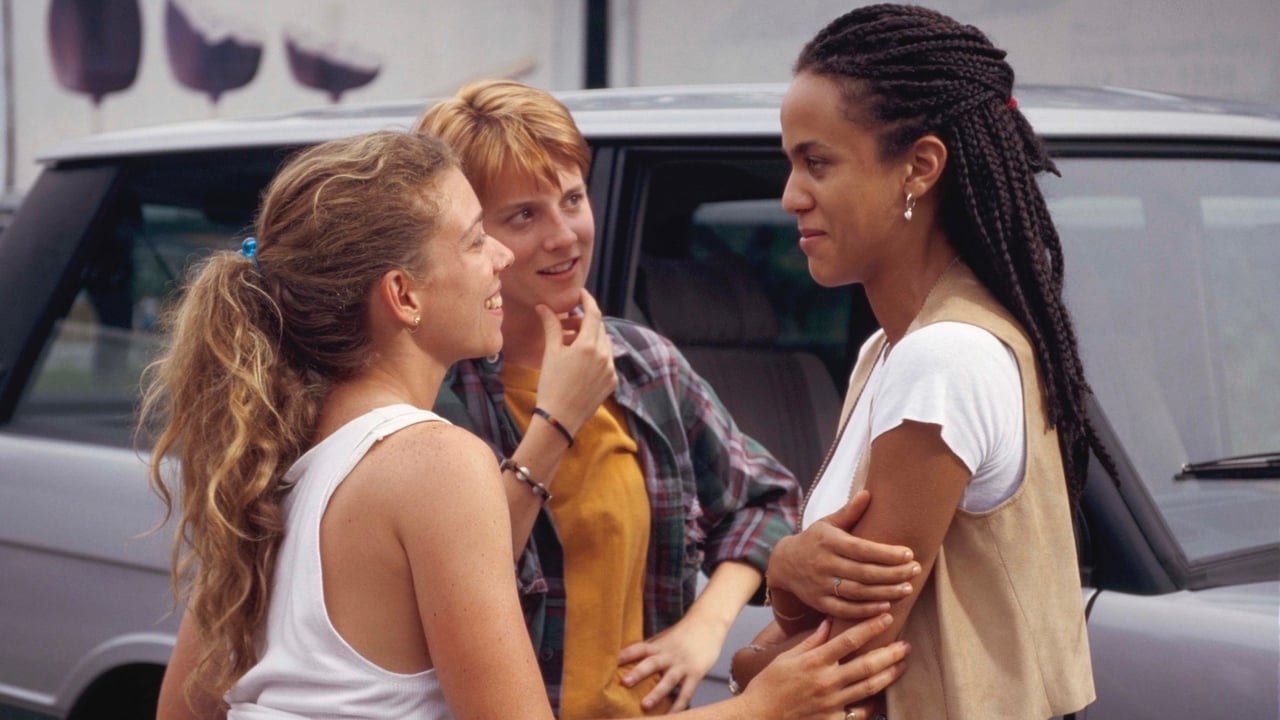
Beneath the sweet romance, the film subtly explores themes of class, race, identity, and acceptance. The contrast between Randy's unconventional, loving but financially strapped household and Evie's affluent, outwardly perfect but emotionally cooler family provides a quiet commentary on social structures. The film doesn't shy away from the potential consequences of their relationship in their conservative town, but crucially, it never tips into tragedy or overly preachy territory. It presents their love as natural, valid, the "incredibly true adventure" of the title. For 1995, this felt significant. While not the first film to depict a lesbian relationship, its matter-of-fact sweetness and focus on the joy and normalcy of their connection, rather than solely on struggle or societal judgment, felt quietly revolutionary. It treated its young queer characters with respect and empathy, offering a positive reflection rarely seen in mainstream media at the time. How many kids renting this back then might have felt seen, perhaps for the very first time?
Echoes in the Quiet
The Incredibly True Adventure of Two Girls in Love isn't a film that shouts; it speaks in a warm, sincere whisper that draws you close. It remains a beloved touchstone in 90s independent and LGBTQ+ cinema, remembered for its heart, its authenticity, and the breakout performances of its leads. It captures that specific, incandescent feeling of first love – the discovery, the intensity, the way it makes the rest of the world seem both terrifyingly large and utterly insignificant. It’s a film that proves you don’t need a massive budget or explosive effects to tell a story that connects deeply and endures.
Rating: 8/10
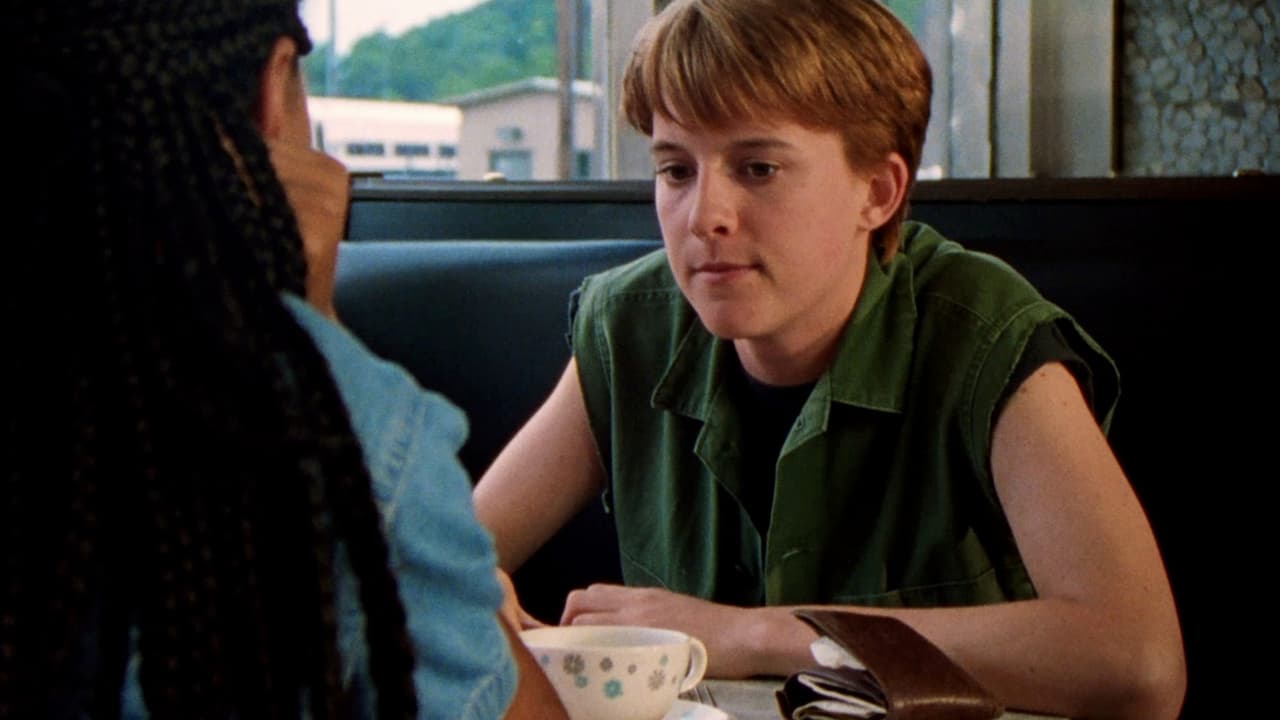
This rating reflects the film's powerful authenticity, the captivating chemistry of its leads, and its gentle yet significant place in 90s indie filmmaking. While its low budget is sometimes apparent in the production values, this arguably enhances its charm and realism. It tells its specific story with immense heart and honesty, achieving an emotional resonance that many bigger films miss.
It leaves you not with grand pronouncements, but with the warm, lingering feeling of having witnessed something genuinely sweet and true – a small film with a remarkably big heart.