There’s a certain quiet magic to Lucas. Released in 1986, it arrived amidst a wave of teen comedies often focused on loud parties, raunchy antics, and clear-cut social hierarchies. But Lucas offered something different, something gentler and far more bittersweet. It wasn't about the coolest kids winning; it was about the quiet observer, the awkward genius navigating the treacherous waters of first love and high school acceptance. Watching it again feels less like revisiting a boisterous party and more like finding a cherished, pressed flower in an old yearbook.
A Summer of Cicadas and Awkward Charm
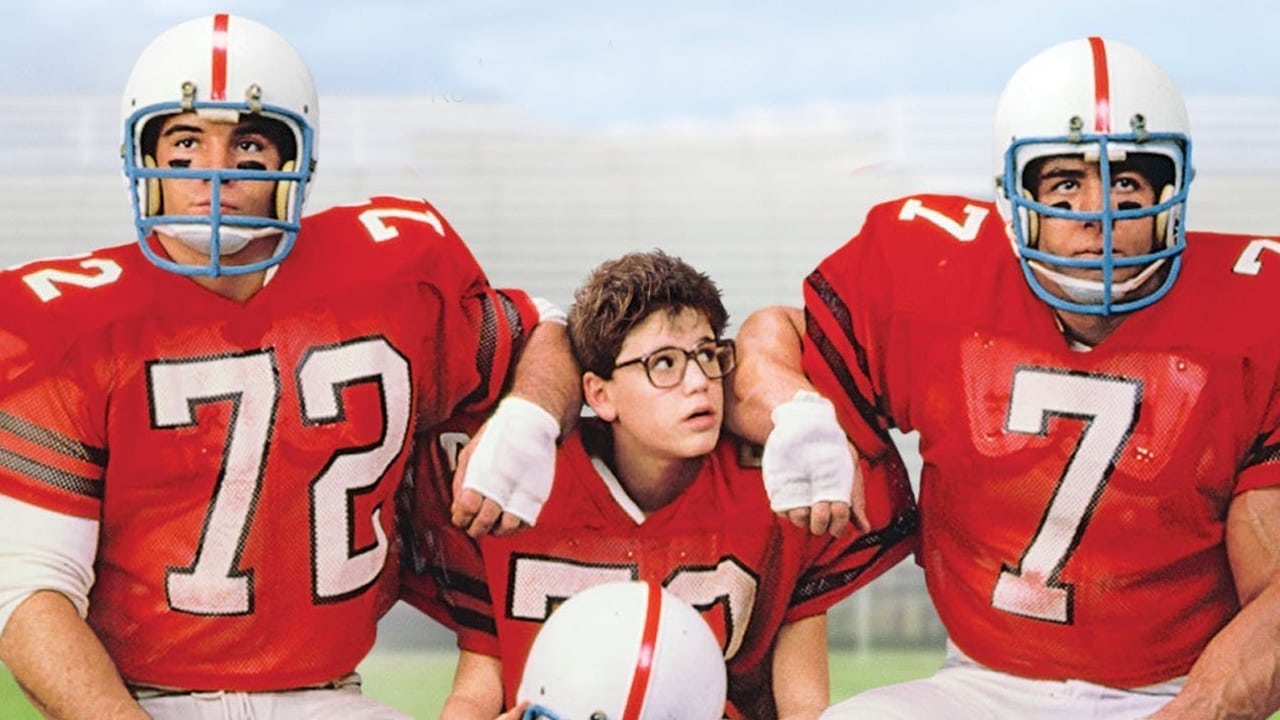
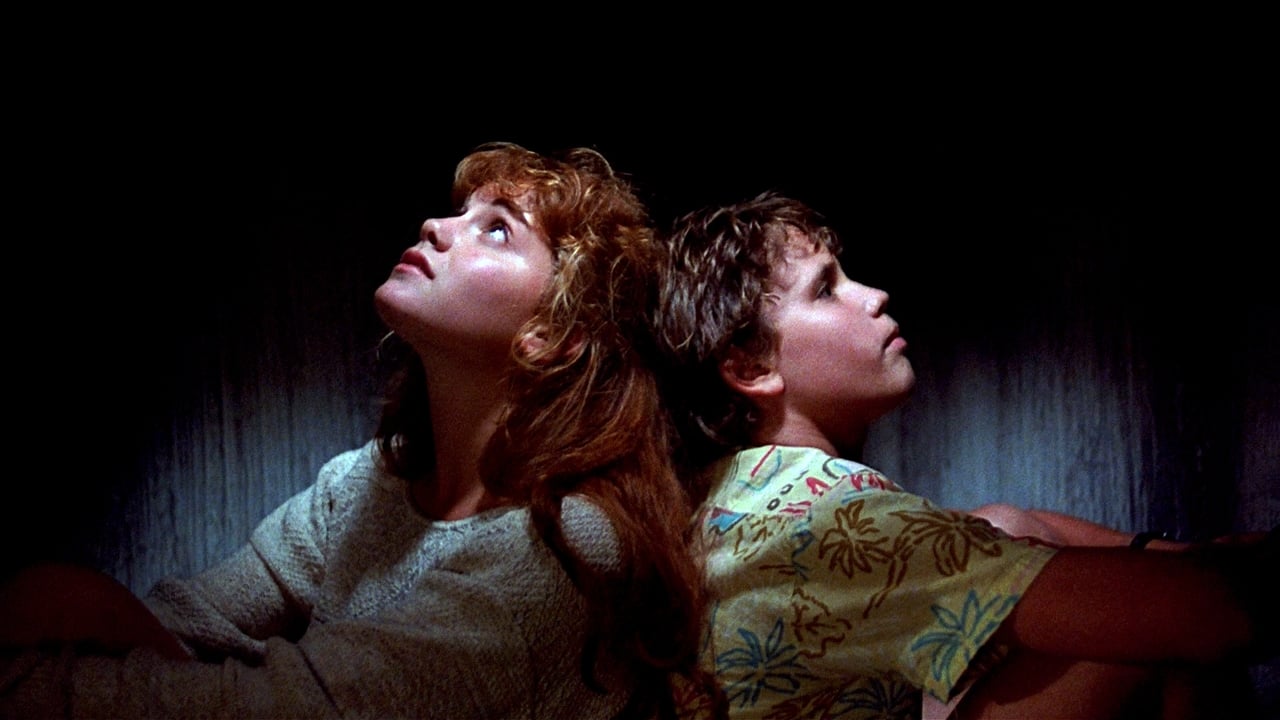
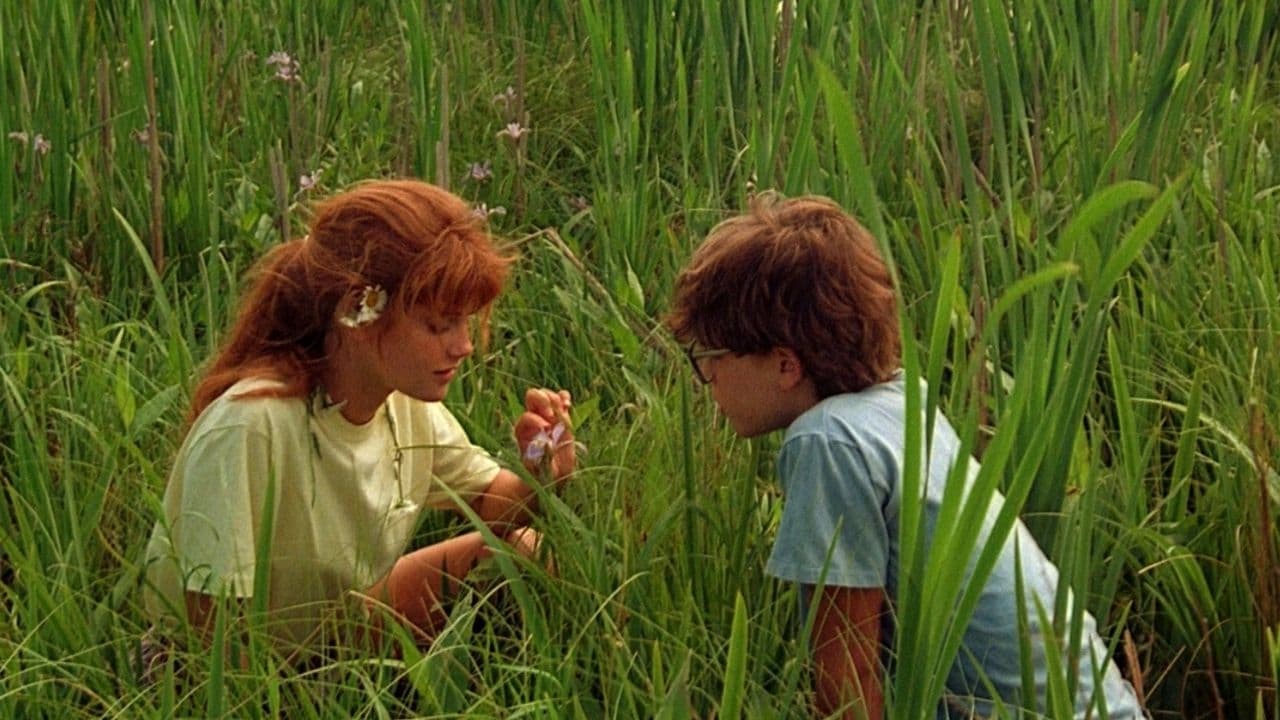
The film introduces us to Lucas Bly, played with unforgettable sensitivity by the late Corey Haim. Lucas is small for his age (14, though often mistaken for younger), bespectacled, whip-smart, and utterly captivated by the natural world, particularly the impending arrival of the 17-year cicadas. He spends his summer collecting specimens and befriending Maggie (Kerri Green, fresh off her turn in The Goonies), the slightly older new girl in town. Their bond forms quickly over shared observations and Lucas's infectious enthusiasm for learning. It's a picture of innocent summer friendship that feels beautifully authentic, capturing those moments of connection before teenage complications inevitably set in.
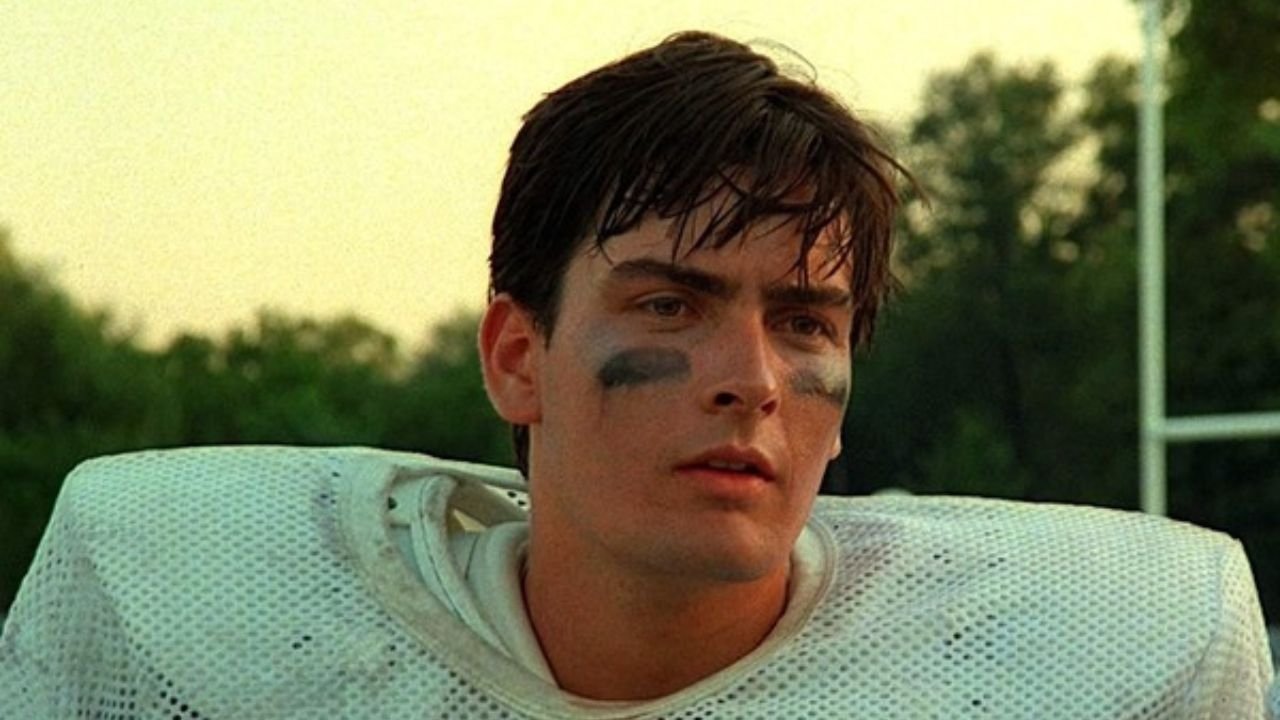
Complications arrive in the form of Cappie Roew (Charlie Sheen), the charming football captain who also catches Maggie's eye. What could have easily devolved into a standard jock vs. nerd cliché is handled with surprising nuance by writer and director David Seltzer. Making his directorial debut here (a fascinating shift for the man who penned the chilling screenplay for The Omen!), Seltzer crafts characters who feel refreshingly three-dimensional. Cappie isn't just a bully; he develops a genuine, protective affection for Lucas, recognizing his vulnerability even as he competes for Maggie's attention.
More Than Just a Teen Flick
What truly sets Lucas apart is its emotional honesty. It doesn’t shy away from the pain of unrequited love or the sting of social ostracization. Haim’s performance is central to this. He portrays Lucas not as a caricature of nerdiness, but as a deeply feeling, intelligent kid whose enthusiasm sometimes overrides his social awareness. There's a scene where Lucas, trying to impress Maggie by offering sophisticated classical music suggestions at a school dance, is utterly oblivious to the mood of the room – it’s heartbreakingly relatable for anyone who’s ever felt slightly out of sync with their peers. It's no wonder Haim often considered this his favorite role; he poured so much vulnerability into it.
The supporting cast is equally strong. Kerri Green brings a natural warmth to Maggie, making her affection for both Lucas and Cappie believable. And Charlie Sheen, in one of his early roles before his Platoon and Wall Street fame, gives Cappie a layer of kindness that elevates the character beyond stereotype. Keep an eye out too for a very young Winona Ryder in her very first film role as Rina, one of Lucas's sympathetic friends. Legend has it Seltzer simply picked her photo from a casting pile, immediately seeing something special – a keen eye, as history proved! Also adding texture is Courtney Thorne-Smith (Melrose Place) as another of Lucas's classmates.
Retro Fun Facts: Behind the Sensitivity
Filmed largely in the suburbs of Chicago (Glen Ellyn providing that quintessential Midwestern backdrop), Lucas benefited from its grounded setting. Seltzer aimed for realism, even in the film's somewhat debated climax where Lucas tries out for the football team. It wasn't about a miracle win, but about Lucas facing his fears and limitations head-on, a choice that feels more aligned with the film's thoughtful tone than a typical underdog sports triumph. The prominent sound of cicadas, meticulously woven into the sound design, serves as more than just atmosphere; it’s a symbol of cycles, transformation, and Lucas’s own unique way of seeing the world. While not a massive box office hit (earning around $8.2 million on a $6 million budget), Lucas earned critical respect (currently 75% on Rotten Tomatoes) for its delicate handling of teenage emotions, a quality that made it stand out then and now. The gentle, evocative score by Dave Grusin (The Goonies, Tootsie) perfectly complements the film's tender mood.
Why It Still Resonates
For those of us who grew up renting tapes, Lucas might have been a quieter choice on the shelf next to the louder comedies or action flicks. But its impact lingers. It’s a film that champions empathy, intelligence, and the courage to be yourself, even when it hurts. It reminds us that the perceived "losers" often have the richest inner lives and that kindness can come from unexpected places. It doesn't offer easy answers or fairytale endings, but explores the confusing, poignant reality of growing up with a rare sensitivity for its time. Rewatching it today, perhaps on a format far removed from the well-worn VHS copy I remember, brings back that same quiet ache and warmth. It’s a film that understands the bittersweet beauty of that first, fragile heartbreak.
Rating: 8/10
Lucas earns its high score for its brave sensitivity, Corey Haim's career-best performance, and its nuanced portrayal of teenage life that defied 80s conventions. It’s thoughtful, touching, and avoids easy sentimentality, focusing instead on genuine emotional truth.