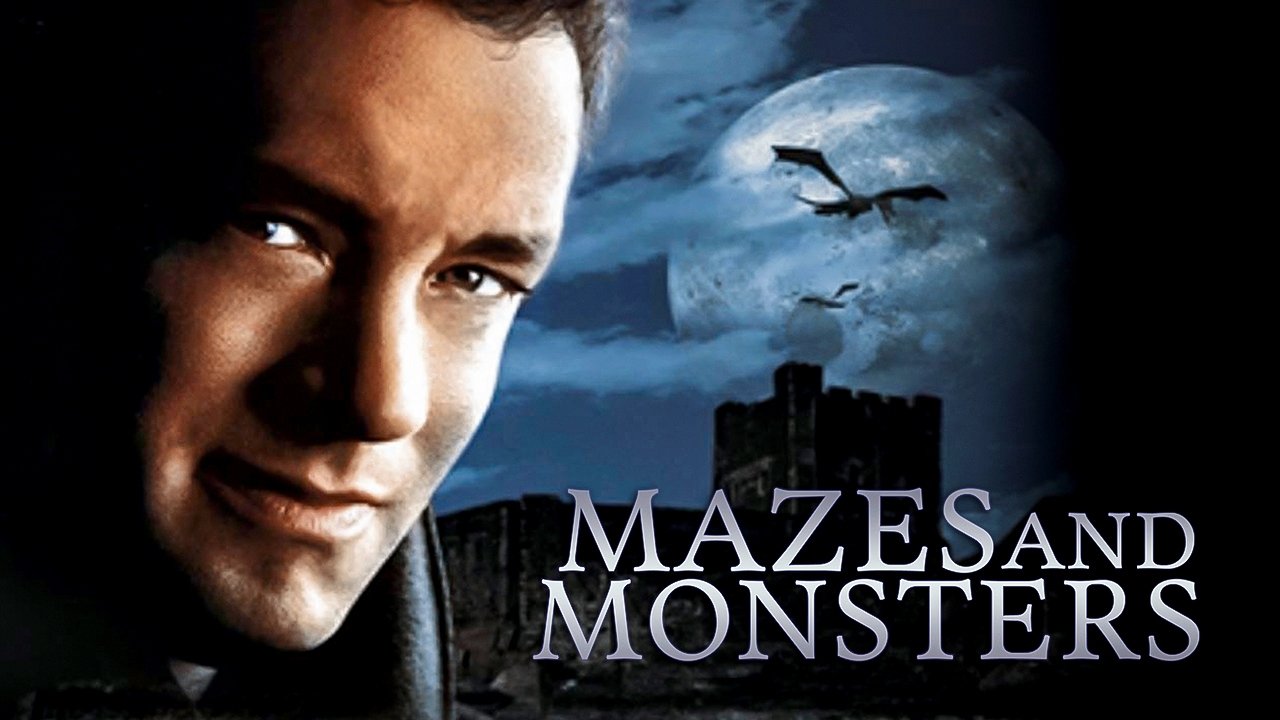
Okay, fellow travelers through time and tape, let's dim the lights, adjust the tracking, and settle in for a curious dispatch from the archives. Remember those afternoons browsing the video store, past the big new releases, deep into the aisles where the made-for-TV movies and forgotten oddities lived? Sometimes, you'd grab a title based purely on the cover art or a vaguely familiar name. That's often how viewers first encountered 1982's Mazes and Monsters, a film forever lodged in a peculiar corner of pop culture history, less for its cinematic triumphs and more for its earnest, somewhat bewildered grappling with a perceived cultural menace.
### When Fantasy Felt Dangerous
It’s hard to fully recapture the atmosphere now, but in the early 80s, a genuine moral panic was swirling around the burgeoning popularity of fantasy role-playing games, particularly Dungeons & Dragons. Whispers and headlines painted these games not as imaginative pastimes, but as gateways to the occult, cults, and even psychological breakdown. Mazes and Monsters, based on a novel by Rona Jaffe, tapped directly into this anxiety. The story itself was loosely inspired by the tragic (and widely misinterpreted) disappearance of James Dallas Egbert III, a university student whose struggles with depression were initially, and incorrectly, linked by the media solely to his D&D playing.
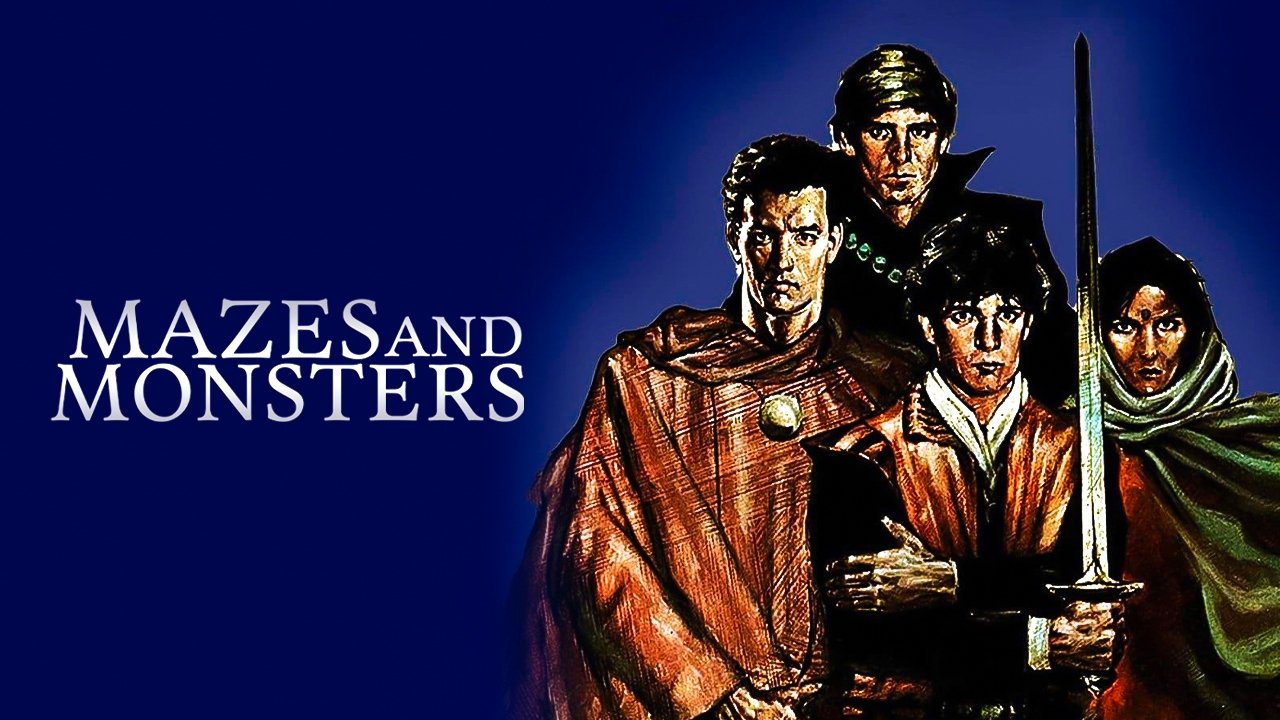
The film, directed by TV movie veteran Steven Hilliard Stern, follows four college students – Jay Jay (a young Chris Makepeace, known from My Bodyguard), Kate (Wendy Crewson), Daniel (David Wallace), and Robbie Wheeling – who bond over their love for the titular game. Robbie, played with a raw, sometimes aching sincerity by a pre-superstardom Tom Hanks, is the sensitive soul of the group, struggling with family issues and a feeling of alienation. As their game intensifies, moving from tabletop sessions to live-action role-playing in local caverns, Robbie begins to lose his grip on reality, believing he is his character, the holy cleric Pardieu.
### A Glimpse of Greatness in a Hazy Maze
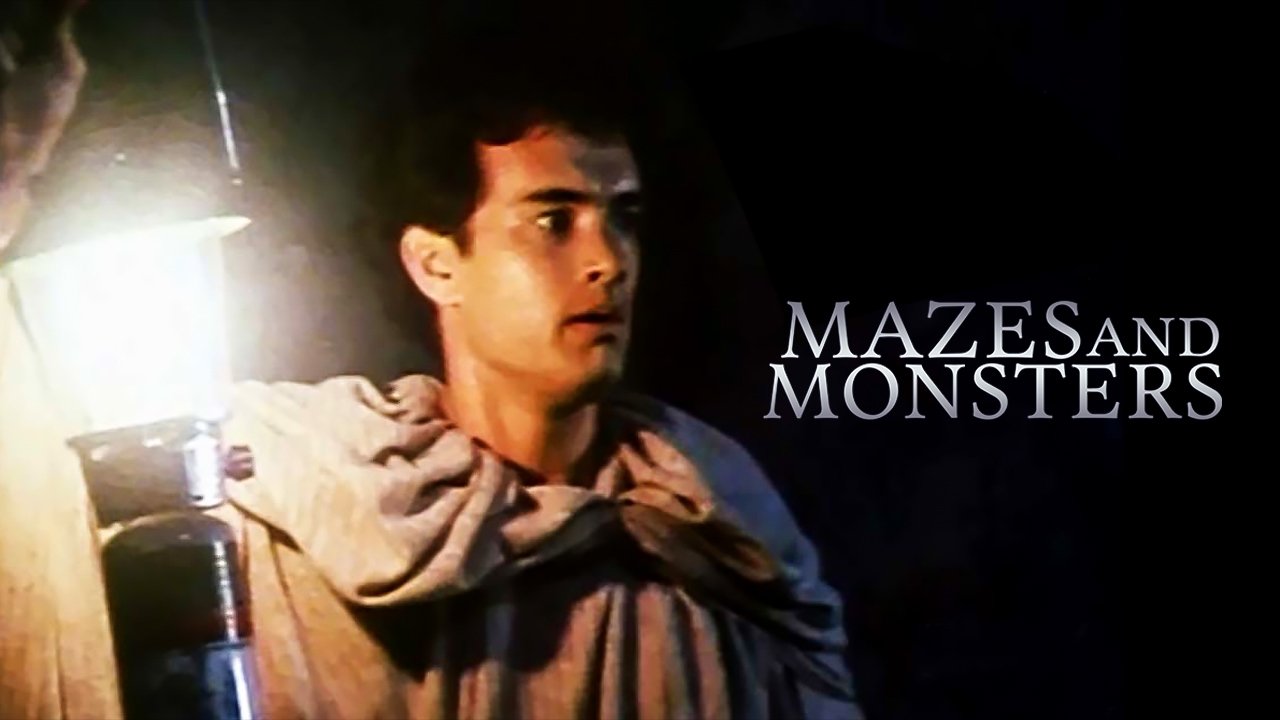
Let's be clear: watching Mazes and Monsters today is an exercise in appreciating context. As a piece of filmmaking, it bears all the hallmarks of its television movie origins – a somewhat rushed pace, occasionally blunt dialogue penned by Tom Lazarus, and production values that feel distinctly... well, 1982 TV. The attempts to visualize Robbie's delusions, particularly his encounters with the fearsome "Gorvil," rely on low-fi effects and lighting that likely felt more menacing on a flickering CRT screen back in the day.
Yet, amidst the earnest warnings and slightly creaky production, there's Tom Hanks. It’s fascinating to watch him here, years before Splash (1984) would launch him into the stratosphere. Even constrained by the material, you see flashes of the empathetic core that would define his career. His portrayal of Robbie’s descent isn't subtle by modern standards, but there's a vulnerability and commitment that elevates the role beyond simple caricature. He believes in Robbie's plight, selling the character's internal torment even when the script veers towards melodrama. You witness that inherent likability, that ability to make you care, already powerfully present. Seeing him navigate these intense emotional scenes, especially the film's climax amidst the Twin Towers (a location choice now laden with unintended poignancy), is undeniably the movie's most compelling aspect. The rest of the young cast, including Wendy Crewson who would go on to a solid career in films like Air Force One (1997), performs capably, grounding the more outlandish elements in relatable student dynamics.
### Relic of a Panic
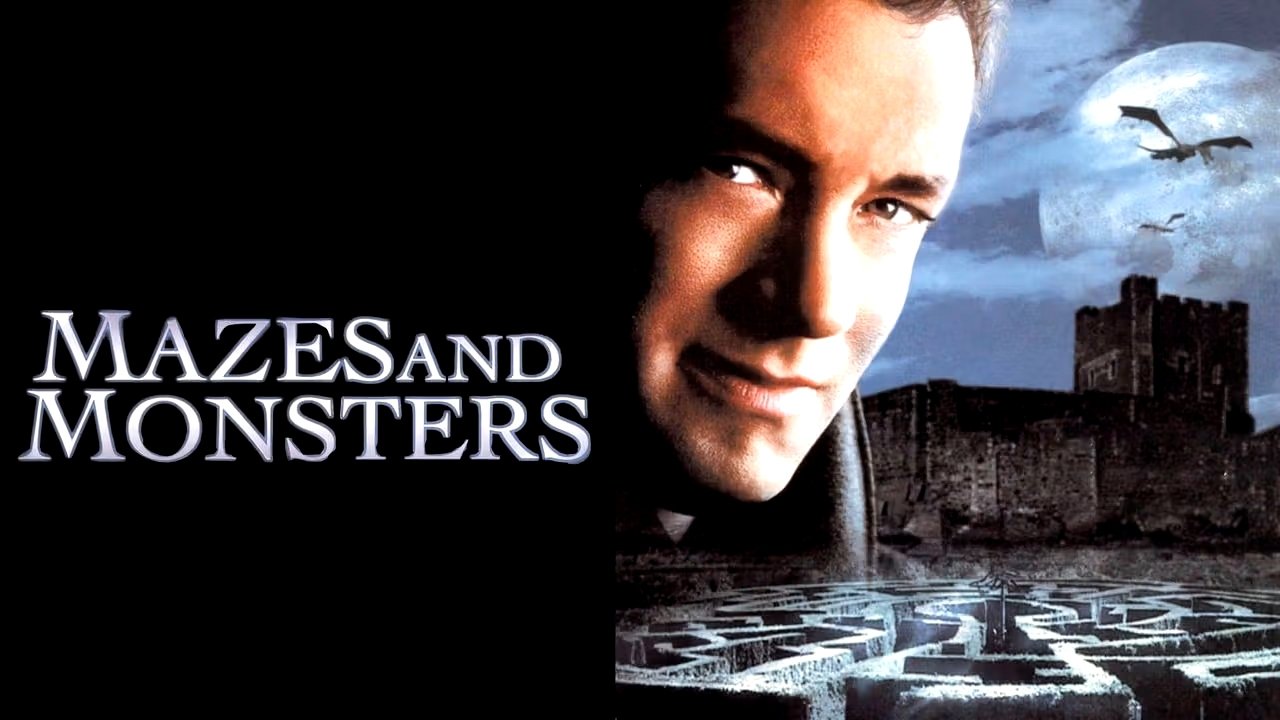
This wasn't just a movie; it was a cultural artifact reflecting widespread misunderstanding. The portrayal of the game itself is simplistic, serving primarily as a catalyst for Robbie's pre-existing psychological fragility rather than exploring the game's actual mechanics or appeal. It inadvertently became Exhibit A for concerned parents and sensationalist news reports warning about the "dangers" lurking behind those funny-shaped dice. I recall catching this on a late-night broadcast years after its premiere, already a fan of RPGs myself, and feeling a strange mix of amusement and mild irritation at its fearful portrayal. It felt like something beamed in from a slightly different, more easily spooked dimension.
Was the film intentionally scaremongering? Perhaps partly, seizing on a topical controversy. But it also seems genuinely concerned, albeit misguidedly, about the pressures facing young people and the potential for escapism to curdle into something darker. It doesn't demonize the players so much as the perceived psychological toll of intense immersion, filtering it through the lens of the era's anxieties. There's a curious sort of innocence to its panic.
### The Verdict from the Vault
Mazes and Monsters is undeniably dated. Its message about role-playing games feels quaintly alarmist today, and its production values are firmly rooted in early 80s television. It’s not a "good" movie in the conventional sense – the pacing can drag, and the psychological exploration lacks nuance.
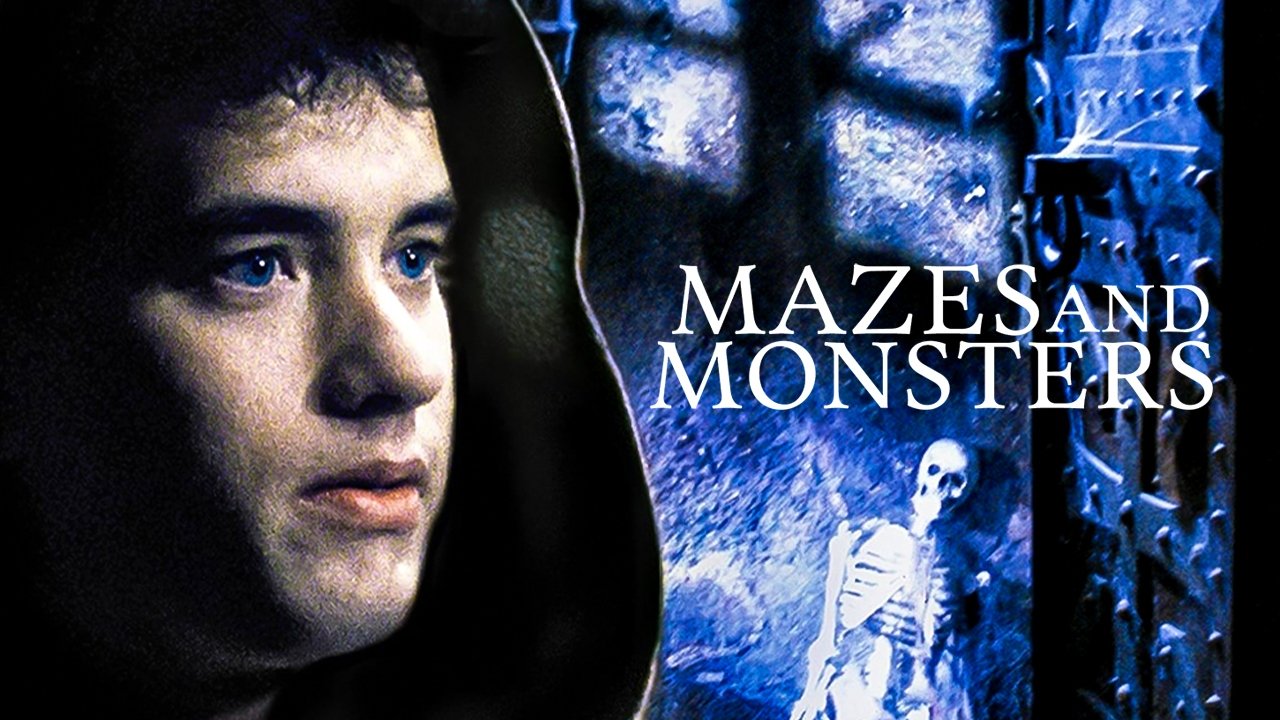
However, its value lies in its status as a fascinating time capsule. It captures a specific moment of cultural fear, offers a compelling early look at one of cinema's most beloved actors finding his footing, and possesses a certain earnest charm despite its flaws. For Tom Hanks completists, it's essential viewing. For students of 80s pop culture panics, it's a key text. And for those of us who remember finding these curios on VHS, it evokes a certain nostalgia for a time when even television movies could feel like strange, whispered warnings from the adult world.
Rating: 4/10 - The score reflects its significant technical and narrative limitations as a film, balanced against the undeniable historical interest and the captivating early performance from Tom Hanks. It's more a cultural artifact than a cinematic achievement, but a fascinating one nonetheless.
Final Thought: What lingers most isn't the clumsy depiction of gaming, but the raw vulnerability in Hanks' performance, a beacon hinting at the incredible career to come, discovered within the dusty, often strange, labyrinth of early 80s television.