Some films don't just flicker on the screen; they seep into the room, staining the air with a peculiar dread. Jan Švankmajer's 1994 Faust is one such entity. Forget grand Hollywood bargains with the devil; this is a grimy, claustrophobic descent whispered from the shadowy corners of Prague, a city that feels less like a backdrop and more like a co-conspirator in damnation. Watching it feels like unearthing a forbidden text yourself, perhaps found tucked behind dusty tapes in that forgotten corner of the video store, its worn cover hinting at secrets best left undisturbed.
A Deal Struck in Dust and Decay
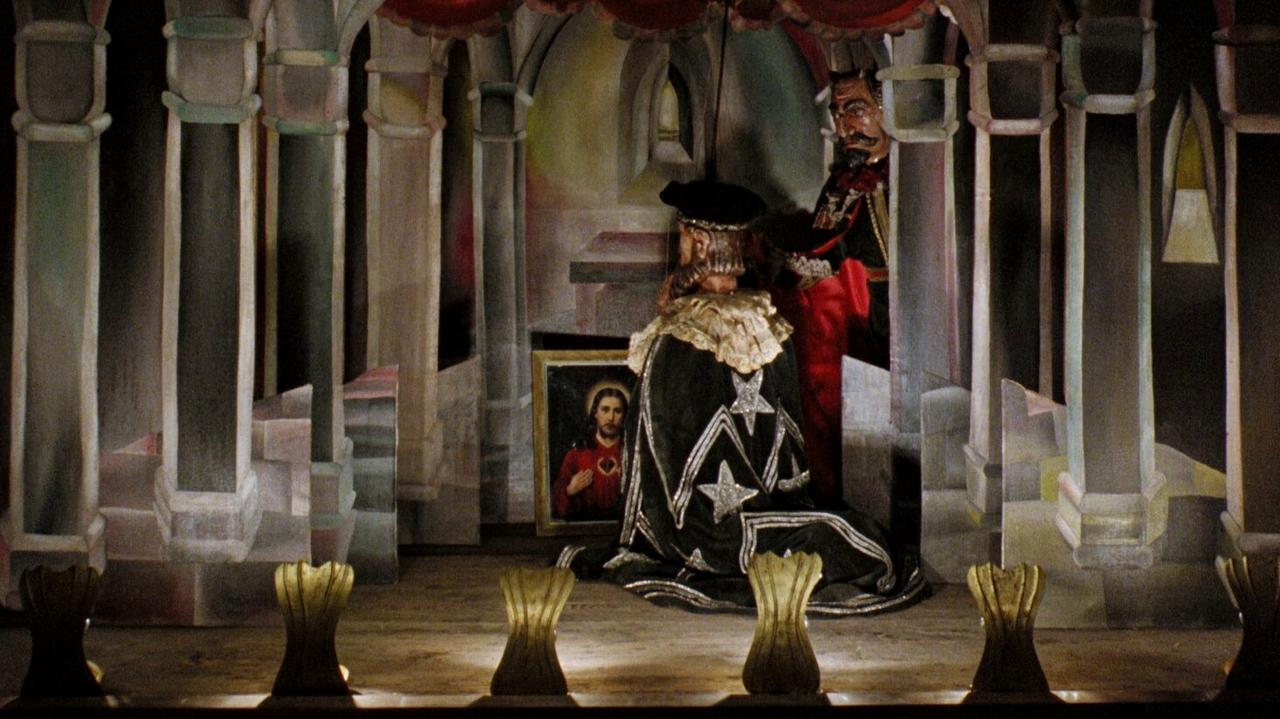
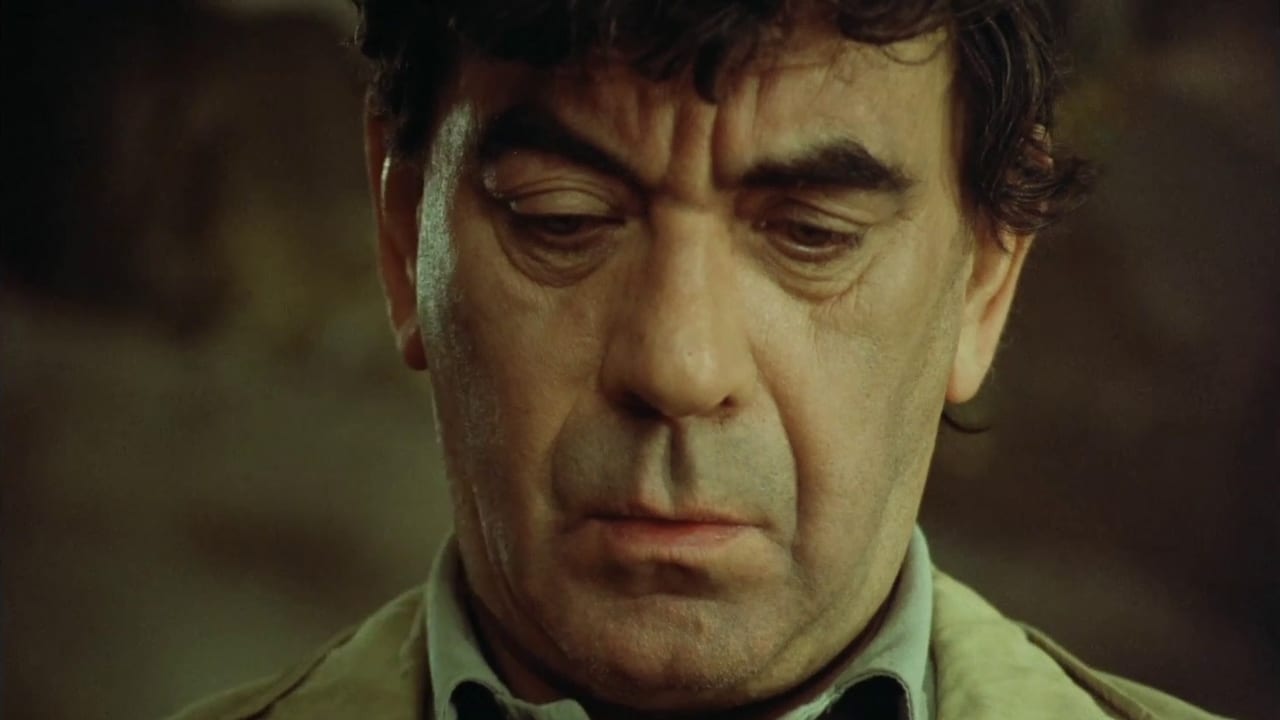
The film opens not with thunderous pronouncements, but with mundane bewilderment. An ordinary man, played with haunting Everyman exhaustion by the late Petr Čepek, retrieves a cryptic map promising... something. This leads him not to treasure, but to a dilapidated theatre, a decaying portal where the lines between reality, performance, and infernal pact blur into a terrifying sludge. He finds himself inexorably cast in the role of Faust, drawn into the classic tale not by ambition, but by a kind of weary, passive curiosity that makes his downfall feel both tragic and terrifyingly relatable. Did you ever stumble onto something strange and follow it, just to see where it led, only to find the path crumbling behind you? That's the unsettling energy Švankmajer taps into here.
The Švankmajer Touch: Clay, Meat, and Nightmares
Anyone familiar with Švankmajer's earlier work, like the deeply unsettling Alice (1988), knows his signature style. Faust is a phantasmagoric blend of live-action, grotesque puppetry, and jittery, tactile stop-motion animation that feels utterly unique. Clay figures writhe and reshape themselves, slabs of raw meat twitch with uncanny life, and enormous, crudely manipulated marionettes enact pivotal scenes. There's nothing smooth or polished here; the effects feel deliberately coarse, handmade, enhancing the feeling that we're watching a forbidden ritual pieced together from discarded scraps and dark intentions. This isn't CGI slickness; it's the unsettling magic of physical objects imbued with malevolent life, something that felt viscerally real on a grainy CRT screen back in the day. Remember how tangible those practical effects felt, how they seemed to occupy the same physical space as the actors? Švankmajer is a master of that tangible nightmare.
It's fascinating to know that Švankmajer, a longtime member of the Czech Surrealist Group, saw filmmaking as an extension of his surrealist practices, often working with found objects and prioritizing the subconscious and the irrational. This philosophical underpinning permeates Faust, transforming the well-worn legend into a commentary on modern apathy, conformity, and the ease with which one can stumble into damnation through sheer indifference. The film reportedly weaves together elements from Goethe, Marlowe, and traditional Czech puppet plays, creating a dense tapestry of damnation.
Prague: The Silent Tempter
The city of Prague itself is more than just a setting; it's an active participant. Its ancient cobblestone streets, shadowy alcoves, and decaying interiors feel pregnant with centuries of secrets and sorrow. Švankmajer utilizes the city's inherent atmosphere to perfection, making Faust's journey feel less like a fantastical allegory and more like a grim documentary of a soul lost in the labyrinthine corridors of history and sin. The choice of location feels deeply intentional, grounding the supernatural events in a tangible, weary reality.
Tragically, Faust marked the final performance of Petr Čepek, who passed away shortly after filming was completed. His portrayal of the everyman Faust is central to the film's power. There's no grandstanding, no scenery-chewing – just a growing sense of dread, confusion, and resignation that makes his pact feel less like a choice and more like an inevitable, weary surrender. His performance is a masterclass in quiet despair, a perfect anchor for the surrounding surreal chaos.
Is This Heaven... or Hell?
Faust isn't an easy watch. It’s deliberately paced, often opaque, and steeped in an atmosphere thick with grime and existential dread. It doesn't offer jump scares, but rather a persistent, burrowing unease. It’s the kind of film that might have bewildered mainstream audiences expecting a straightforward horror or fantasy flick back in the rental days. Yet, for those attuned to its strange frequency, it’s a masterpiece of dark, surrealist cinema. It challenges, provokes, and lingers long after the VCR whirs to a stop. It’s a testament to the power of animation and practical effects when wielded by a singular, uncompromising artistic vision. This isn't background noise; it demands your full attention, pulling you into its decaying world.
***
Rating: 8.5/10
Justification: Faust is a challenging but brilliant piece of surrealist filmmaking. Its masterful blend of live-action, puppetry, and stop-motion creates a unique and deeply unsettling atmosphere. Petr Čepek's final performance is hauntingly effective, and Švankmajer's direction is visionary, even if its deliberate pace and bleakness won't appeal to everyone. The score reflects its artistic achievement and lasting power, slightly tempered by its inherent lack of conventional accessibility – a true gem for the adventurous viewer, but perhaps a bewildering experience for the unprepared.
Final Thought: In an era often defined by flashy spectacle, Švankmajer's Faust remains a potent reminder of how truly disturbing cinema can be when it digs under your skin with grit, artistry, and the cold touch of existential dread. It’s a rare beast from the 90s art-house scene that still feels unnervingly potent today.