It often begins with reluctance, doesn't it? That teenage sigh, the rolling eyes at traditions that feel distant, hollowed out by time and youthful self-absorption. For Hannah Stern, the Passover Seder is just such an obligation, a tedious link to a past she doesn't feel connected to. There's a particular weight to watching Kirsten Dunst, already a familiar face on our screens by 1999 from films like Interview with the Vampire (1994) and Jumanji (1995), embody this initial indifference in The Devil's Arithmetic. It’s a feeling perhaps many of us recall, that impatience with the rituals of remembrance before life forces us to understand their profound gravity. But what makes this particular Showtime television film linger, long after the VCR whirred to a stop, is the terrifying immediacy with which it answers Hannah's unspoken question: Why should I care?

From Seder to Suffering
The premise is simple, yet devastatingly effective. During the Seder, when Hannah reluctantly opens the door for the prophet Elijah, she is transported not through space, but through time – landing in a Polish village in 1941, mistaken for her own relative, Chaya Abramowicz, who is recovering from cholera. The transition, directed with a quiet, almost dreamlike disorientation by Donna Deitch (whose sensitive touch we saw in the acclaimed indie Desert Hearts back in '85), is jarring. One moment, Hannah is complaining about gefilte fish; the next, she’s surrounded by Yiddish chatter and the looming shadow of Nazi occupation. The film doesn’t rely on flashy effects for this shift; the power lies in the stark contrast and the dawning horror on Dunst’s face as the familiar world vanishes. It’s a narrative device that forces the viewer, alongside Hannah, into a history lesson stripped bare of textbook detachment.
Bearing Witness Through Performance
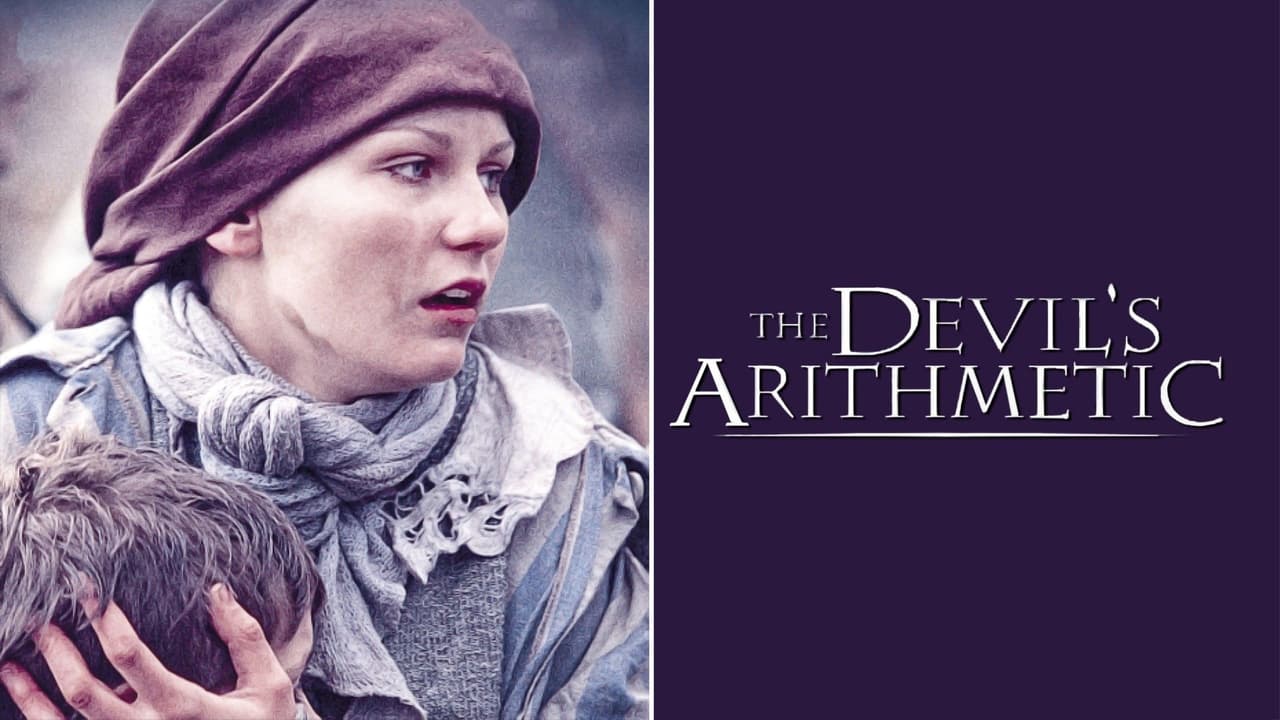
What elevates The Devil's Arithmetic beyond a potentially didactic historical piece is the raw authenticity of its central performances. Kirsten Dunst carries the film with remarkable poise, navigating Hannah/Chaya’s journey from bewildered modern teen to a young woman grappling with the unimaginable. Her initial frustration gives way to fear, then a steely resolve forged in the crucible of the concentration camp. We see the layers peel back – the American attitude dissolving under the harsh realities of starvation, dehumanization, and constant loss. It’s a demanding role, requiring a shift from apathy to profound empathy, and Dunst delivers a performance that feels achingly real.
Equally memorable is Brittany Murphy as Rivkah, a fellow prisoner whose warmth and quiet faith offer a fragile counterpoint to the surrounding darkness. Murphy, who we’d already seen sparkle in Clueless (1995), brings a heartbreaking tenderness to the role. Her interactions with Dunst form the emotional core of the camp sequences, embodying the bonds of friendship and shared humanity that persisted even in hell. Their connection feels genuine, a small light against the overwhelming despair. And seeing the reliable Paul Freeman, forever etched in our minds as Belloq from Raiders of the Lost Ark (1981), in a supporting role adds another layer of familiar gravitas.
Storytelling Under Constraint
Produced for Showtime and based on the respected young adult novel by Jane Yolen, The Devil's Arithmetic faced the challenge of depicting horrific events within the boundaries of television and sensitivity towards a potentially younger audience, while still honoring the truth. The adaptation by Robert J. Avrech (who also penned the screenplay for 1992's A Stranger Among Us) successfully translates the novel's core message. Filming largely in Vilnius, Lithuania, allowed the production to utilize locations that lent an inescapable atmosphere of cold, historical weight. You can feel the limitations sometimes – the scale isn't epic – but Donna Deitch wisely focuses on the human element, the faces, the small acts of defiance and kindness. It’s a testament to the power of focused storytelling that the film earned two Daytime Emmy Awards, for Deitch's direction and Avrech's writing, recognizing its significant achievement as a children's special that resonated far beyond that category. It wasn't just another TV movie; it was an event, something discussed, something felt.
I recall taping this off Showtime back in '99, perhaps expecting something less impactful given the "TV movie" label that sometimes carried connotations of lesser quality. But The Devil's Arithmetic transcended that. It was the kind of programming that sparked conversations, the kind that made you sit in silence for a while after the credits rolled, contemplating the weight of what you'd just witnessed. It served as a powerful, accessible gateway for many viewers to confront the realities of the Holocaust, perhaps for the first time in such a narrative format.
Why We Must Remember
The film doesn't shy away from the brutality, but its focus remains on the human cost – the loss of identity, the struggle for survival, the importance of memory itself. Hannah's journey becomes a powerful metaphor for how engaging with the past, truly understanding the sacrifices made, shapes our present and our identity. When she eventually returns, the Seder is no longer tedious; it’s imbued with profound meaning, the names and stories now devastatingly real. Does the time-travel device feel a little convenient? Perhaps. But its purpose is clear: to bridge the gap between generations, to make history breathe. What lingers most is the harrowing effectiveness of this conceit – forcing a contemporary perspective directly into the heart of the past.
Rating: 9/10
This score reflects the film's exceptional handling of incredibly difficult subject matter, particularly within the constraints of a television movie format. The performances by Dunst and Murphy are deeply affecting, the direction is sensitive yet unflinching, and its educational and emotional impact is undeniable. It avoids sensationalism, focusing instead on the human experience, making history personal and unforgettable. The Devil's Arithmetic isn't just a film you watch; it's one you carry with you, a stark and necessary reminder whispered from the static hiss of a well-worn VHS tape: Remember.