Some films don't just tell a story; they settle over you like a humid Southern evening, thick with atmosphere and unspoken weight. Frank Darabont's The Green Mile (1999) is precisely that kind of movie, a powerful, sprawling adaptation of the Stephen King serial novel that lingers long after the final frame fades. Watching it again recently, that familiar weight returned – the profound sadness, the unsettling questions about justice and humanity, and the sheer, undeniable power of its central performances. It wasn't always an easy watch back then, perhaps spanning two VHS tapes for many of us, but it was the kind of film that felt important, demanding your time and emotional investment.

### Walking the Mile
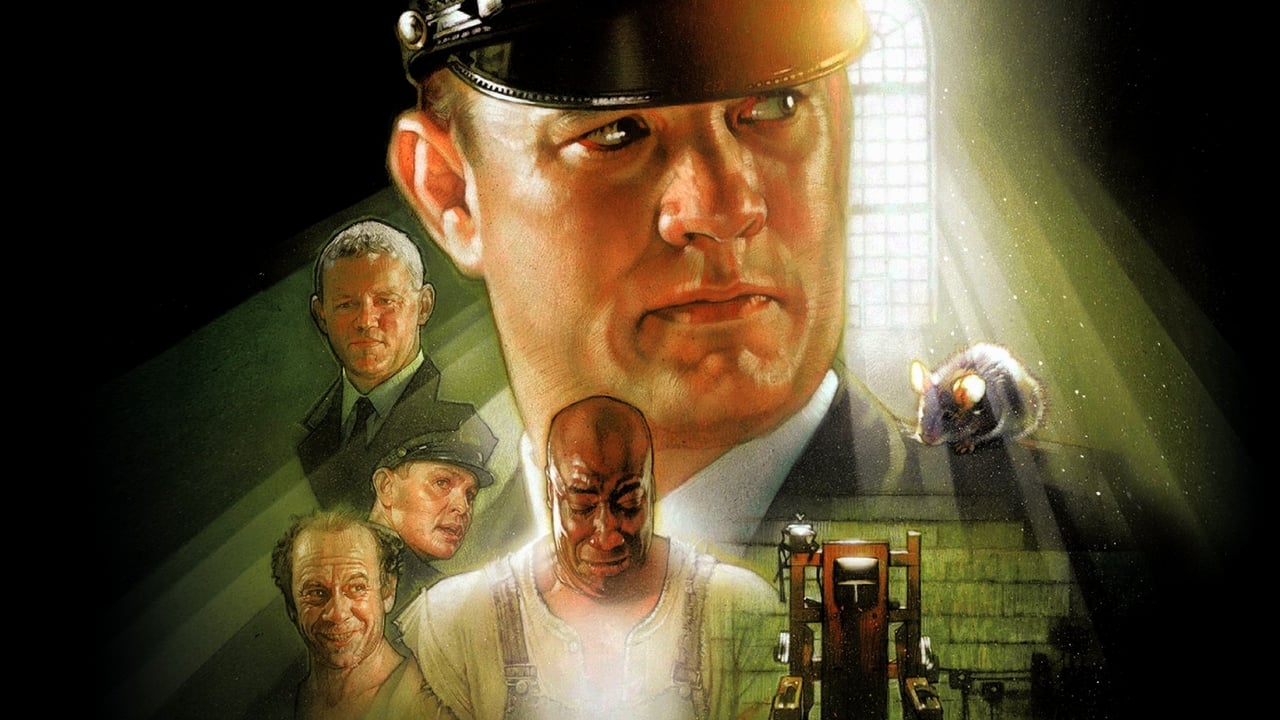
Set primarily in the Cold Mountain Penitentiary death row block ('The Green Mile') during the Great Depression, the story unfolds through the memories of elderly Paul Edgecomb, recounting his time as the block's head guard. Tom Hanks, in a role that cemented his status as America’s cinematic conscience, plays the younger Paul. He’s a fundamentally decent man overseeing the state's grimmest duty, striving for dignity in a place defined by its absence. His world, and ours, is irrevocably altered by the arrival of John Coffey (Michael Clarke Duncan), a physically imposing Black man convicted of the brutal murder of two young girls, yet possessing a childlike innocence and, as Paul soon discovers, extraordinary supernatural abilities.
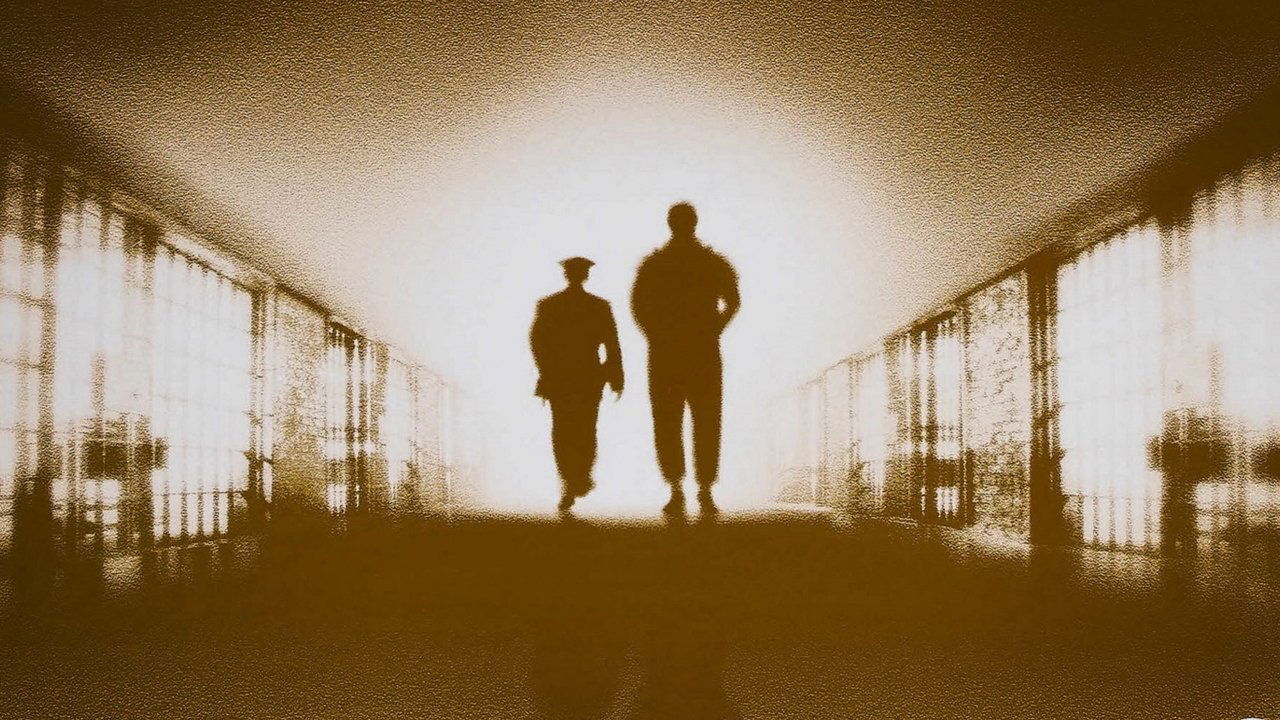
Darabont, who had already proven his affinity for Stephen King with the masterful The Shawshank Redemption (1994), brings a similar patient, character-focused approach here. He lets the story breathe, allowing the unique atmosphere of the Mile – the oppressive heat, the echoing footsteps, the low hum of dread – to fully envelop the viewer. The pacing is deliberate, mirroring the slow march towards execution, building relationships and tension with meticulous care. This wasn't a rushed production; Darabont reportedly insisted on building the full 'Mile' set to foster authenticity among the cast, a choice that pays dividends in the film's immersive quality.
### Miracles and Monsters
The film hinges on the paradox of John Coffey. How can a man capable of absorbing sickness and performing miracles be guilty of such heinous crimes? Michael Clarke Duncan, in a career-defining, Oscar-nominated performance, is simply unforgettable. His sheer physical presence is contrasted beautifully with a portrayal of profound vulnerability, gentleness, and weary resignation. There's a fascinating bit of trivia here: Bruce Willis, who had worked with Duncan on Armageddon (1998), personally called Frank Darabont to strongly recommend Duncan for the part. It’s hard to imagine anyone else embodying Coffey’s quiet power and deep-seated pain so perfectly. Duncan conveys so much with just his eyes, reflecting the cruelty of a world that misunderstands and condemns him. Does his existence challenge our notions of faith, or underscore the tragedy of judging by appearances?
Tom Hanks provides the perfect anchor, our relatable guide through these extraordinary events. His Edgecomb is thoughtful, empathetic, and increasingly burdened by the moral complexities he faces. His quiet reactions, the dawning realization of Coffey's true nature, and the ultimate weight of his responsibility feel utterly authentic. He leads a stellar ensemble, including David Morse as the dependable Brutus "Brutal" Howell, Jeffrey DeMunn and Barry Pepper as fellow guards, and, crucially, Doug Hutchison as the loathsome Percy Wetmore. Hutchison's portrayal of petty cruelty and insecurity is so effectively repellent, he becomes a necessary shadow, highlighting the depths of human awfulness just as Coffey represents something divine. Even the smaller roles, like Sam Rockwell's unhinged 'Wild Bill' Wharton, add vital texture to this confined world.

### Echoes of the Era and Enduring Questions
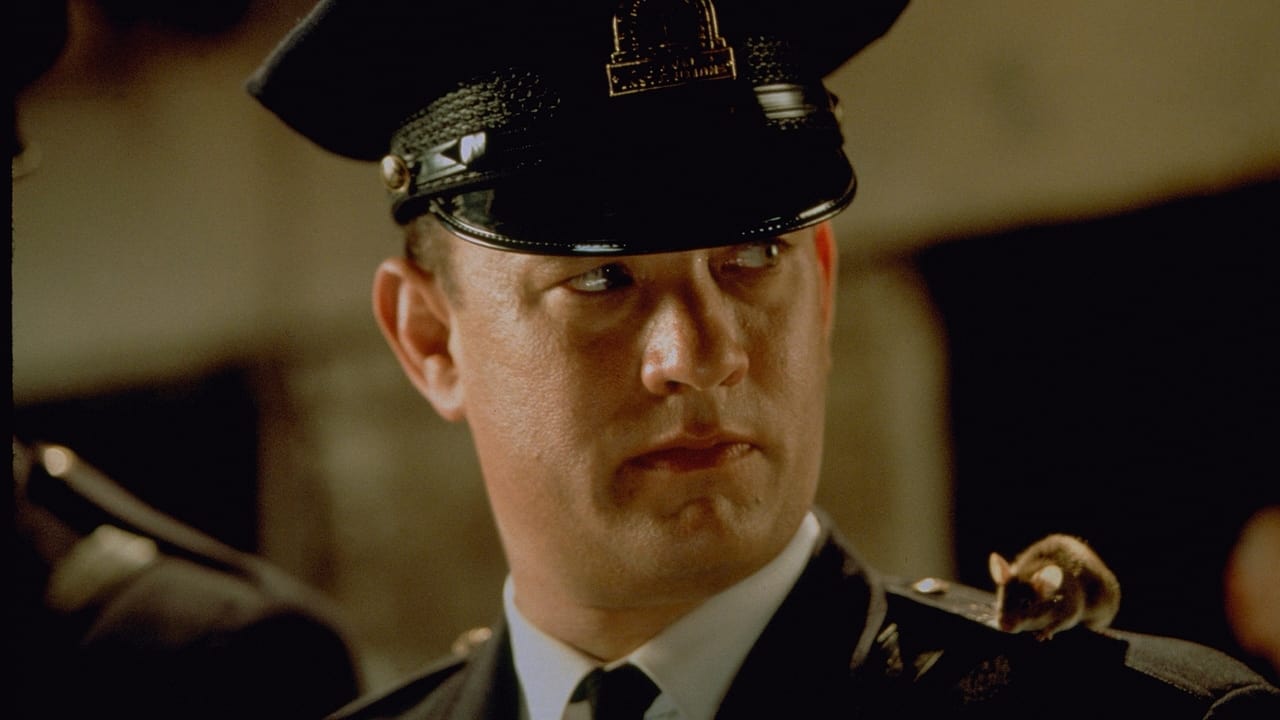
The Green Mile arrived at the tail end of the 90s, a time when epic, character-driven dramas could still command significant audiences and budgets (reportedly around $60 million, earning back a hefty $286 million worldwide). Its length (over three hours) felt ambitious then and might test modern attention spans, but Darabont uses that time effectively. He adapts King's originally serialized novel faithfully, retaining its episodic feel while weaving a cohesive, emotionally resonant narrative. The practical effects used for Coffey's healing or the antics of Mr. Jingles, the remarkably intelligent mouse, feel charmingly tactile now – a reminder of the ingenuity required before CGI became ubiquitous for such elements. Remember the specific challenge of making those "healing" moths look believable yet ethereal? It was a delicate balance achieved through practical puppetry and early digital enhancement.
The film doesn't shy away from the brutality of its setting or the ugliness of prejudice. The execution scenes are harrowing, particularly the botched one involving Percy, forcing us to confront the grim reality of capital punishment. Yet, it balances this darkness with moments of profound grace and connection. What does it mean to witness a miracle in a place designed for death? How does one reconcile profound goodness with systemic injustice? These aren't easy questions, and the film wisely avoids simple answers, leaving the viewer to grapple with the moral weight long after the credits roll. I recall leaving the cinema back then, and later ejecting the tape from the VCR, feeling emotionally drained but also deeply moved, pondering those very paradoxes.
***
Overall Rating: 9/10
The Green Mile is a demanding, lengthy film, but its emotional depth, superb performances (especially Michael Clarke Duncan's iconic turn), and masterful direction make it an unforgettable cinematic experience. Frank Darabont expertly translates Stephen King's blend of the mundane and the miraculous, crafting a story that explores the best and worst of humanity with profound sensitivity. The rating reflects its powerful storytelling, exceptional acting, and lasting emotional impact, slightly tempered only by a runtime that asks for significant commitment, yet ultimately rewards it.
It remains a film that stays with you, a poignant reminder that sometimes the heaviest burdens aren't physical, and true monsters don't always look the part. What lingers most, perhaps, is the quiet tragedy of John Coffey, asking us to consider where true justice lies, and the cost of bearing witness to both inexplicable cruelty and undeniable grace.