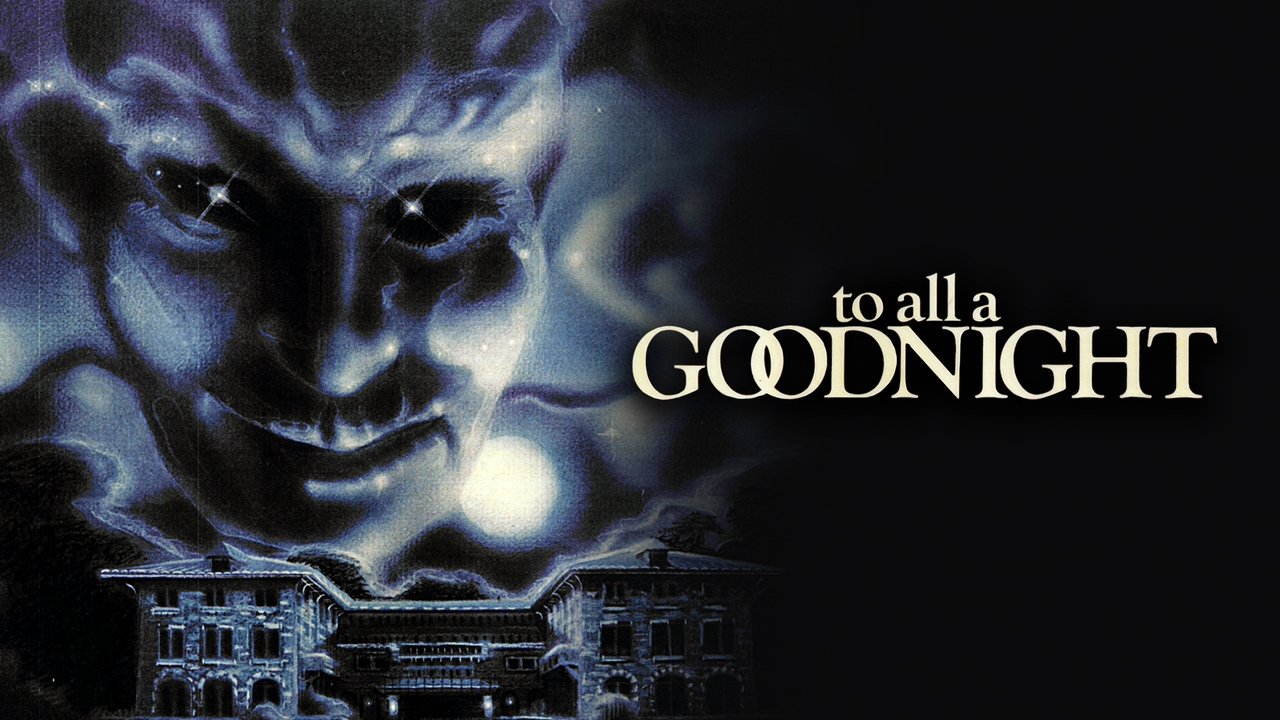
The flickering static clears, leaving the grainy image of a snow-dusted campus, bathed in the eerie quiet of Christmas break. But this isn't a heartwarming holiday tale waiting to unfold on your flickering CRT. There’s a chill in the air that has nothing to do with winter. To All a Goodnight (1980) might not be the first slasher that springs to mind, but its unsettling premise – a killer disguised as Santa Claus – arrived years before the more infamous Silent Night, Deadly Night (1984) cemented the trope in horror history. It's a raw, low-budget slice of early '80s stalk-and-slash, the kind of tape you might have unearthed from the dusty back shelves of the video store, drawn in by its lurid cover art promising festive fear.

An Unholy Night
The setup is classic slasher 101: the Calvin Finishing School for Girls is emptying out for the holidays, but a handful of students and their housemother remain, stranded by circumstance or simply unwilling to leave the festive decorations behind. A prank gone wrong two years prior resulted in a deadly accident, a shadow hanging over the institution. Now, as a fierce storm brews outside, trapping them completely, someone dressed in a cheap Santa suit begins picking them off one by one, using methods both predictable and occasionally bizarre. The isolation is palpable, that feeling of being cut off, a staple of the genre handled here with workmanlike efficiency, even if the scares don't always land with the intended force.
From Krug to Claus: A Surprising Hand at the Helm
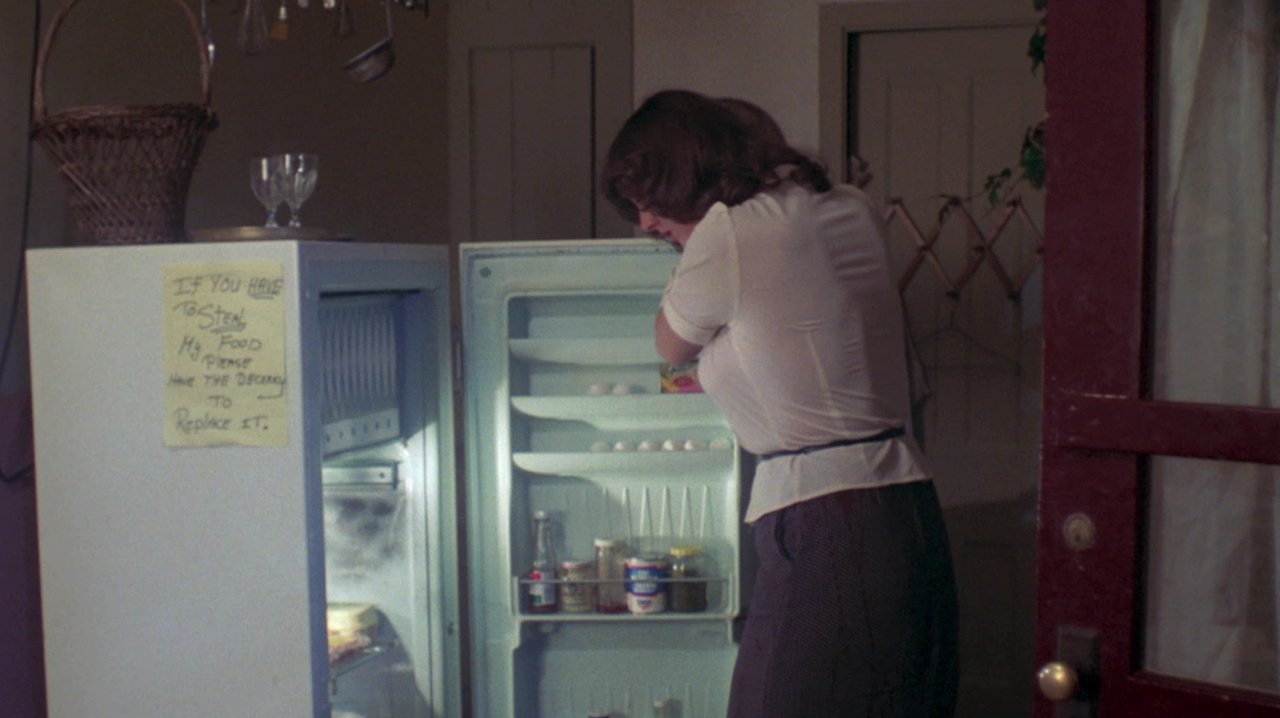
One of the most fascinating, and perhaps grimly ironic, details about To All a Goodnight lies behind the camera. It was directed by David Hess, an actor forever burned into cinematic history for his terrifyingly realistic portrayal of Krug Stillo, the sadistic gang leader in Wes Craven's notorious The Last House on the Left (1972). Seeing Hess step behind the lens for a slasher film, especially one featuring a killer Santa, feels like a strange footnote in a career defined by on-screen menace. Did his experience playing one of horror's most repellent villains inform his direction? It's hard to say definitively. The film lacks the visceral, gut-punching horror of Last House, opting instead for the more formulaic beats of the burgeoning slasher craze. Yet, knowing Hess was calling the shots adds a layer of unsettling curiosity to the proceedings. It’s a reminder that the lines between creating fear and embodying it can sometimes blur. The screenplay, penned by Alex Rebar (who himself starred as the gloriously gooey title character in The Incredible Melting Man (1977)), doesn't break new ground, hitting familiar story points, but it provides the necessary framework for the yuletide carnage.
Stocking Stuffers of Slaughter
Shot on a shoestring budget (reportedly around $70,000 – pocket change even then), the film wears its limitations on its sleeve. The lighting is often murky, the sound occasionally rough, and the performances... well, let's just say they fit the era's slasher expectations. Jennifer Runyon (later seen briefly in Ghostbusters (1984)) makes an early appearance as one of the potential victims, offering a glimpse of the capable actress she would become. The practical gore effects are typical of the time – splashy, rubbery, and designed for maximum shock value within the budget. The Santa suit itself, perhaps the film’s most enduring image, feels unnerving precisely because it’s so generic, a symbol of holiday cheer twisted into a harbinger of doom. Doesn't that cheap, slightly-too-large costume somehow feel creepier than a more elaborate monster design?
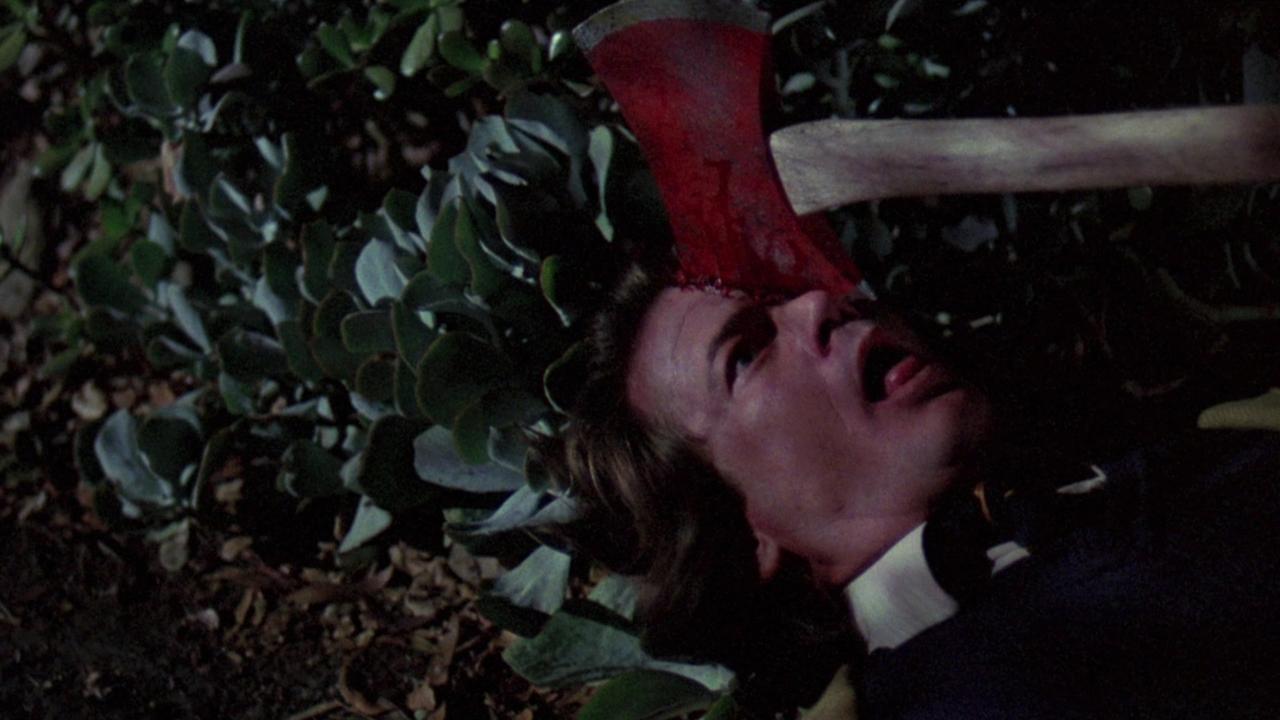
The film does attempt a twist ending, a hallmark of the genre aiming to pull the rug out from under the audience. (Spoiler Alert!) The revelation of the killer's identity and motivation feels somewhat telegraphed and perhaps a bit convoluted, relying on misdirection that doesn’t entirely hold up under scrutiny. Yet, in the context of late-night VHS viewing, perhaps after a few eggnogs, did that twist genuinely surprise you back in the day? For many, the journey was often more memorable than the destination in these early slashers.
A Forgotten Precursor?
To All a Goodnight never achieved the notoriety of its killer Santa successor, Silent Night, Deadly Night, nor the polish of genre titans like Halloween (1978) or Friday the 13th (1980). It remains largely an obscurity, a footnote appreciated primarily by dedicated slasher aficionados and VHS collectors. It’s clunky, predictable in spots, and undeniably cheap-looking. Yet, there's a certain charm to its rough-around-the-edges construction. It represents a specific moment in horror history – the early, experimental days of the slasher boom, before the formula became entirely set in stone. Watching it feels like excavating a minor artifact, a glimpse into the genre's formative years. I remember finding this one tucked away at the local ‘Video Palace’, the slightly worn box promising something transgressive for the holiday season. It didn't quite deliver legendary terror, but it offered a specific, grainy, late-night mood.

Rating: 4/10
This score reflects the film's significant technical shortcomings, derivative plot, and often underwhelming execution. However, it earns points for its historical placement as an early Santa slasher, the morbid curiosity of David Hess directing, and its embodiment of the low-budget, anything-goes spirit of early 80s horror filmmaking. It’s not a "good" film in the conventional sense, but for the dedicated VHS hunter, it’s a fascinating, if flawed, piece of the puzzle.
To All a Goodnight is less a chilling masterpiece and more a creaky, low-budget curio – a reminder that even figures of festive joy could be weaponized for scares in the wild west days of the slasher genre, long before it became a holiday horror tradition.