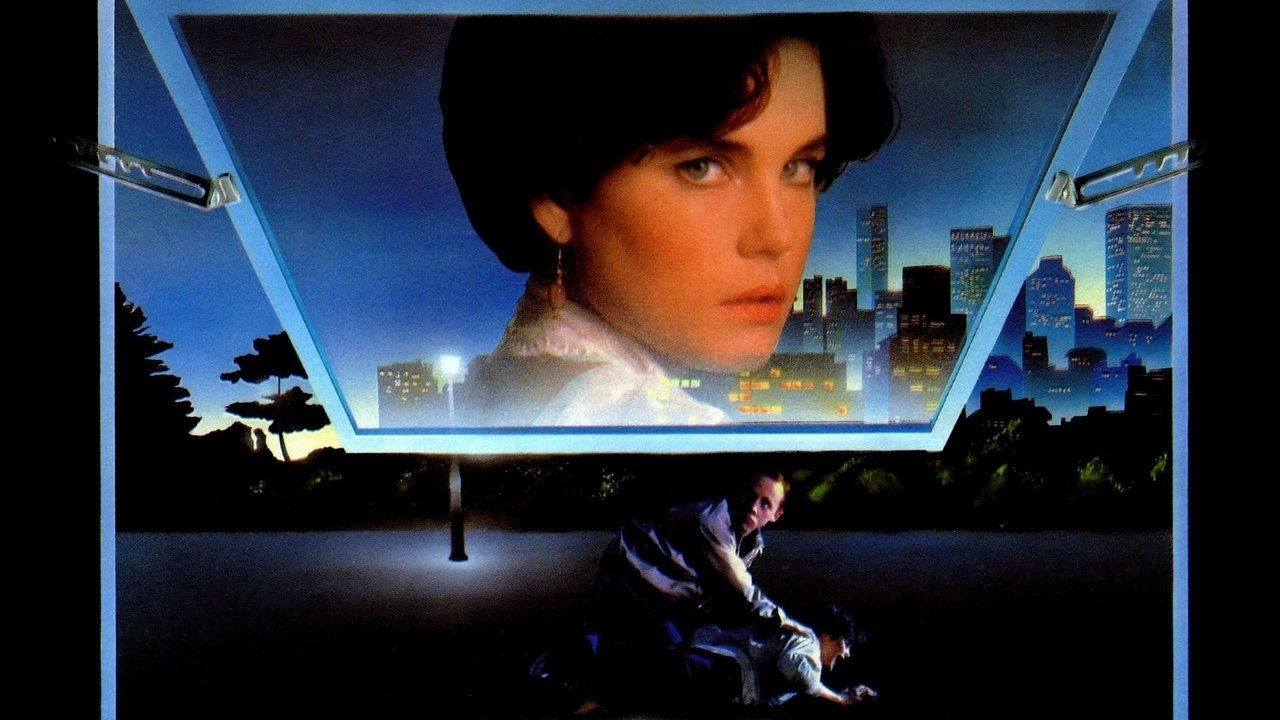
Okay, pull up a chair, maybe grab a cold one from the fridge. Let's talk about a film that flickered across countless CRT screens back in the day, a thriller that attempted something a little different, even if it didn't quite stick the landing for everyone: Curtis Hanson's The Bedroom Window from 1987. It's one of those titles I distinctly remember seeing lining the shelves at the local video store, its slightly provocative title and intriguing cover art promising a certain kind of adult tension.
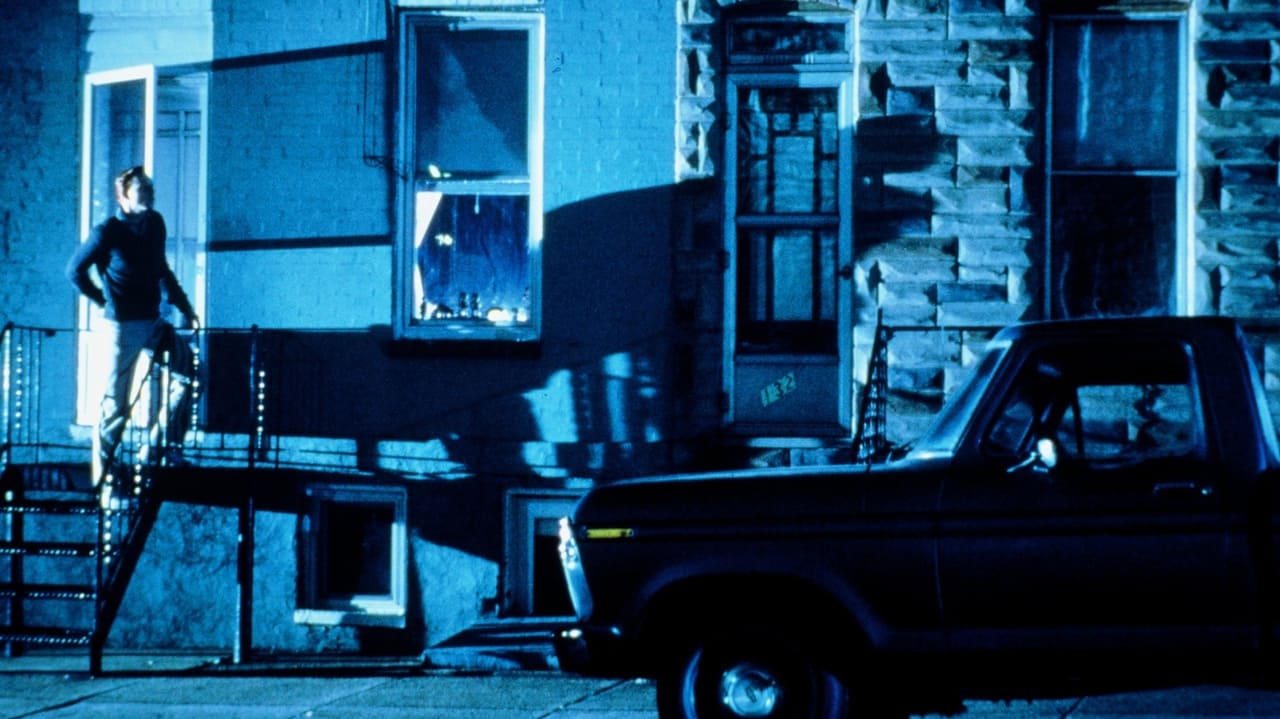
What immediately grabs you about The Bedroom Window isn't a car chase or an explosion, but a question of compromised ethics born from circumstance. Terry Lambert (Steve Guttenberg) is having an affair with Sylvia Wentworth (Isabelle Huppert), the sophisticated wife of his boss. During one of their clandestine meetings, Sylvia witnesses an assault from Terry's bedroom window but can't report it without revealing their liaison. In a decision that spirals disastrously, Terry offers to be the witness, feeding the police details Sylvia provides. It’s a premise dripping with potential for Hitchcockian suspense – the ordinary man caught in extraordinary, self-inflicted circumstances. And doesn't that initial, seemingly small lie resonate? How often do tiny deceptions snowball into something unmanageable?
An Unexpected Leading Man
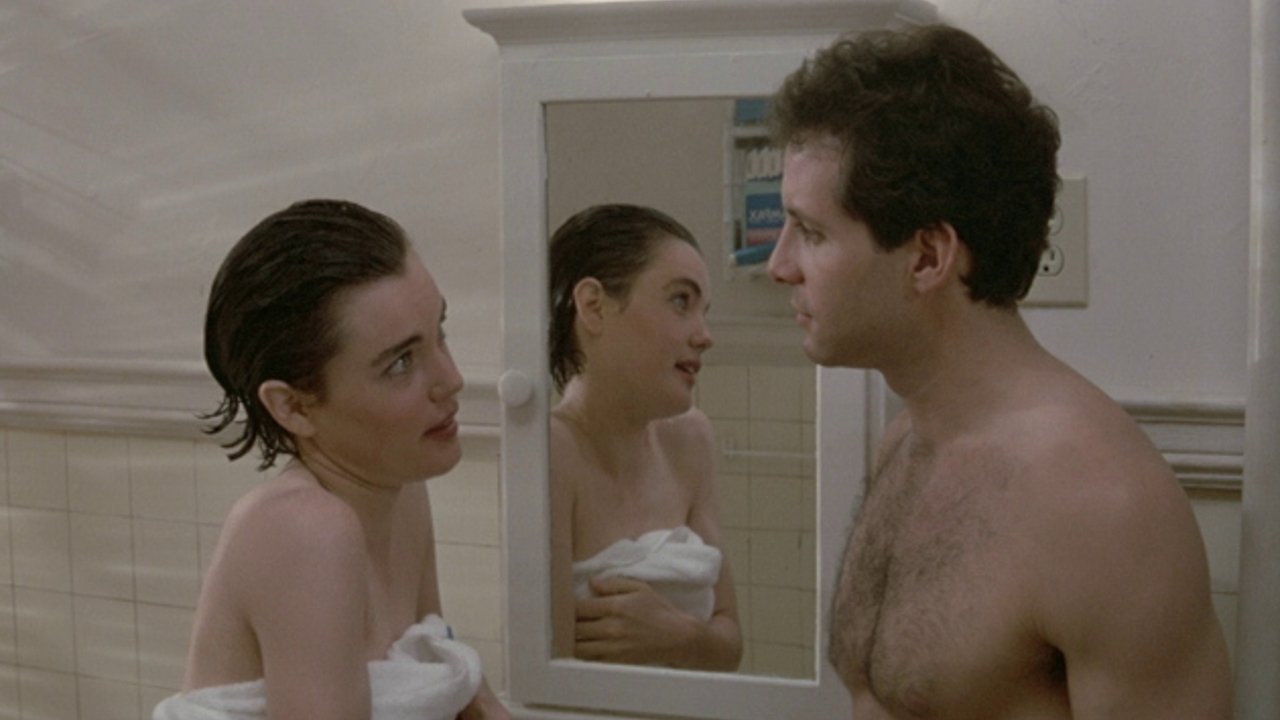
Let’s be honest, the casting of Steve Guttenberg here was, and perhaps still is, the film's most discussed element. Fresh off the phenomenal success of comedies like Police Academy (1984), Cocoon (1985), and Short Circuit (1986), seeing him headline a deadly serious thriller felt... jarring. Producer Dino De Laurentiis reportedly pushed for Guttenberg, believing his affable screen presence would provide audience identification and bankability. Does it work? Well, it’s complicated. Guttenberg certainly embodies the 'everyman' thrown into deep water. His natural likability makes Terry’s initial predicament sympathetic. However, as the situation escalates and requires a darker, more desperate edge, one occasionally feels the limits of his established comedic persona bumping against the grim material. It’s not a bad performance, per se, but it sometimes feels like the nice guy from next door wandered onto the wrong film set. Was this intentional, highlighting the character's unsuitability for the dangerous game he's playing, or a slight miscalculation in tone? It remains a fascinating point of debate.
European Cool Meets American Neo-Noir
Contrasting Guttenberg's accessible American energy is the magnetic, almost icy presence of Isabelle Huppert. A titan of French and international cinema, Huppert brings an inherent ambiguity and world-weariness to Sylvia. Her performance elevates the film, suggesting hidden depths and motivations that keep both Terry and the audience guessing. She makes Sylvia more than just a plot device; she's a complex woman trapped by her own choices, radiating a cool intelligence that makes her dangerous and compelling.
Then there's Elizabeth McGovern as Denise, the resourceful victim of the attack who eventually becomes Terry's unlikely ally. McGovern injects a vital spark and determination into the film's second half. As Terry flounders, Denise often takes the initiative, transforming from victim to investigator. Her chemistry with Guttenberg feels grounded and provides a necessary counterpoint to the more detached dynamic between Terry and Sylvia. She brings a warmth and strength that anchors the increasingly convoluted plot.

Hanson's Developing Craft
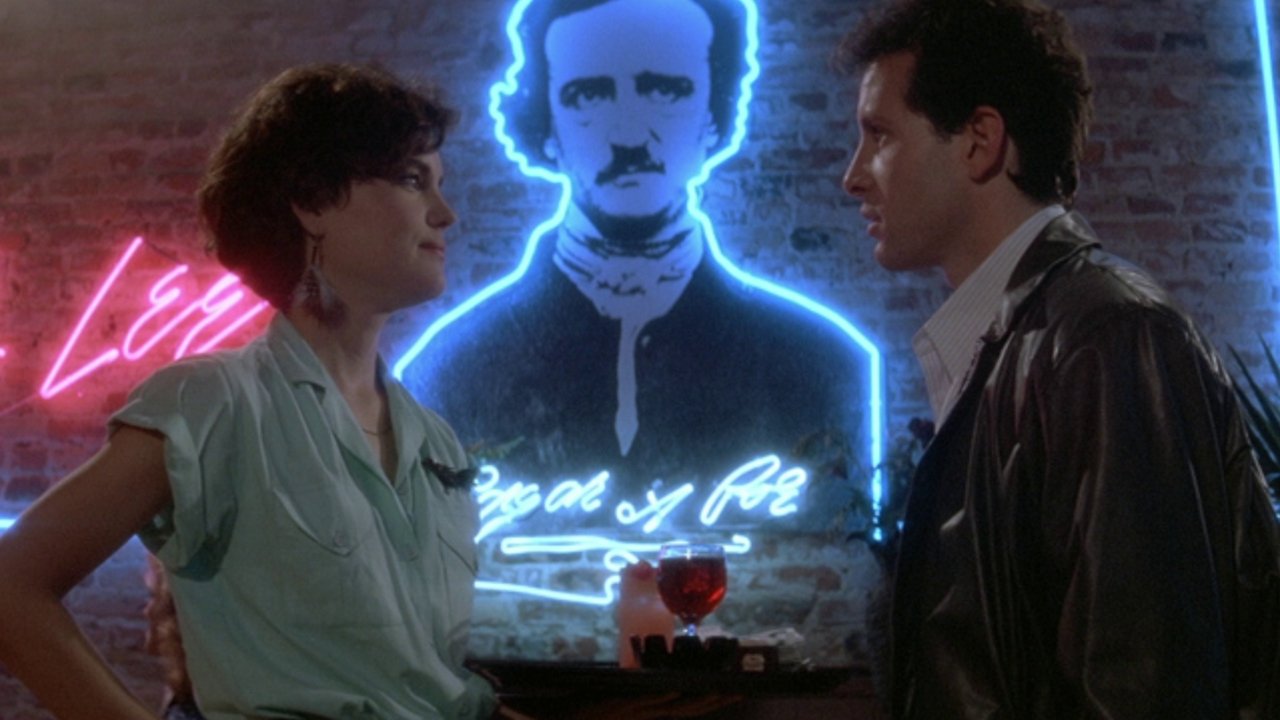
Watching The Bedroom Window today, you can clearly see the seeds of the filmmaker Curtis Hanson would become – the master craftsman who later gave us the intricate brilliance of L.A. Confidential (1997) and the thoughtful character study of Wonder Boys (2000). Working from his own script, adapted from Anne Holden's novel The Witnesses (which he transposed from Britain to Baltimore), Hanson demonstrates a keen eye for atmosphere and suspense. The Baltimore locations lend a gritty authenticity, and the nighttime sequences, bathed in neon glows and deep shadows, evoke a palpable sense of neo-noir dread. The influence of Alfred Hitchcock is undeniable, echoing Rear Window in its themes of voyeurism and compromised observation, and North by Northwest or The Wrong Man in its depiction of an ordinary man ensnared in a deadly web not entirely of his making. Hanson skillfully uses framing and perspective to create tension, often restricting our viewpoint to what Terry can see or knows, amplifying the sense of paranoia. It's worth noting that the film's effective, synth-heavy score was co-composed by Michael Shrieve, the legendary original drummer for Santana, adding another layer to its distinctly 80s mood.
Cracks in the Glass
Despite its strengths, the film isn't without its flaws. The plot, particularly in the latter half, requires a significant suspension of disbelief. Certain character decisions feel driven more by narrative necessity than psychological realism, and the climactic sequences, while tense, perhaps strain credulity a bit too far. Some might argue the pacing occasionally slackens, caught between its thriller mechanics and character moments. It grossed around $12.6 million domestically, a respectable but not spectacular return, suggesting audiences at the time were perhaps as intrigued, yet slightly uncertain, as critics. Yet, even these imperfections contribute to its charm as a VHS-era artifact – a film reaching for something sophisticated, even if it occasionally stumbles. Remember how we used to just accept those slightly more outlandish plot twists back then, swept up in the story?
Final Thoughts on a Flawed Gem
The Bedroom Window remains a compelling watch, especially for fans of 80s thrillers and those interested in seeing Hanson hone his directorial skills. It's a film built on a cracking premise, elevated by Huppert's enigmatic presence and McGovern's resilience, and made uniquely memorable by the against-type casting of Guttenberg. It explores intriguing themes of lies, consequences, and the dangerous allure of looking when perhaps we shouldn't. It may not be a perfect masterpiece, but its blend of suspense, style, and slightly awkward charm makes it a fascinating window into a particular moment in genre filmmaking.
Rating: 6.5/10
This rating reflects the film's genuinely suspenseful setup, strong atmosphere, and the captivating performances from Huppert and McGovern, alongside Hanson's stylish direction. However, it's held back slightly by the sometimes uneven central performance and plot contrivances that stretch believability, particularly in the final act. It's a solid, engaging thriller that's more interesting than its relative obscurity might suggest.
What lingers most isn't just the suspense, but that central question: how far would you go to protect a secret, and what happens when the truth becomes more dangerous than the lie? It’s a question that still feels uncomfortably relevant, echoing long after the VCR has whirred to a stop.