It arrived like a bolt from the blue, didn't it? In late 1989, amidst the prevailing gritty action sagas and fading disco echoes, a film landed that felt impossibly fresh, earnest, and overwhelmingly romantic. Maine Pyar Kiya wasn't just a movie; it was a phenomenon, a cultural reset button pressed by a young filmmaker that captured the hearts of a generation and redefined Bollywood romance for the decade to come. Watching it unfold on a grainy VHS tape felt like discovering a secret language of love, friendship, and grand, heartfelt gestures.
### A Breath of Fresh Air
At its core, Maine Pyar Kiya tells a familiar story: Prem (Salman Khan), the charming, modern son of a wealthy industrialist, falls for Suman (Bhagyashree), the gentle, traditional daughter of a humble mechanic (Alok Nath) visiting their sprawling estate. But director Sooraj R. Barjatya, making his debut at the remarkably young age of 24, infused this classic rich-boy-meets-poor-girl trope with an innocence and sincerity that was utterly captivating. Gone was the cynicism; in its place were shy glances, playful banter evolving into deep affection, and declarations of love that felt both epic and deeply personal. It was a return to simpler values, wrapped in the glossy aesthetic of Rajshri Productions, but presented with a youthful energy that felt entirely new.
Remember the immediate visual identifiers? That iconic "FRIEND" cap Prem sported wasn't just a prop; it became a must-have accessory, a symbol of the film's unique blend of Westernized style and Indian sentiment. The film deftly navigated the contrasts – the opulence of Prem's life versus the rustic simplicity Suman represented, the clash between modern aspirations and traditional expectations. It presented friendship as the foundation of love, a concept beautifully encapsulated in the dialogue and the easy chemistry between the leads.

### Launching Stars, Defining Characters
For many of us, Maine Pyar Kiya was our introduction to Salman Khan in a leading role. He wasn't the muscle-bound action hero yet; here, he was Prem, possessing a raw, almost vulnerable charm. There was an earnestness in his performance, a boyishness that made his transformation into a determined lover utterly believable. He perfectly embodied the modern young man grappling with newfound emotions and societal pressures.
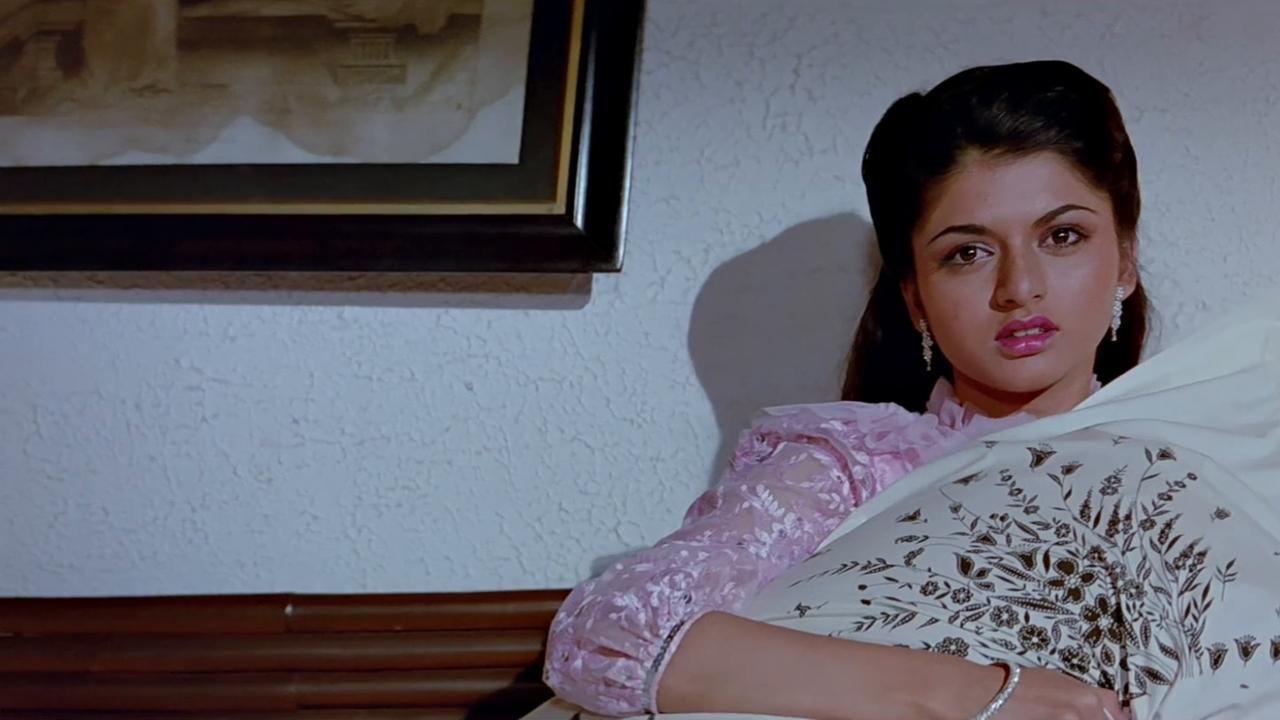
And then there was Bhagyashree. As Suman, she was the picture of grace and quiet strength. Her debut performance was remarkably assured, radiating a sweetness and traditional appeal that instantly endeared her to audiences. The chemistry between Khan and Bhagyashree was undeniable, forming the heart and soul of the film. It's a fascinating bit of trivia that Bhagyashree famously stipulated she would only act opposite her then-fiancé (later husband) Himalaya Dasani after this film, a decision that effectively cut short a potentially massive Bollywood career right after this phenomenal launch. We also saw Alok Nath solidifying his image as Bollywood's quintessential principled father figure, 'Babuji', and Mohnish Bahl delivering a memorably slimy performance as the antagonist, setting a pattern for his negative roles in future Barjatya collaborations.
### More Than Just a Movie: Retro Fun Facts
The success of Maine Pyar Kiya was staggering, especially considering Sooraj R. Barjatya was a first-time director. Reportedly made on a modest budget of around ₹2 crore (approximately $1.1 million USD back then), the film went on to gross an estimated ₹28 crore (around $15.5 million USD), making it one of the highest-grossing Indian films of the decade – a true blockbuster by any measure. It wasn't just a commercial juggernaut; it swept the Filmfare Awards, winning Best Film, Best Music Director (Raamlaxman), Best Male Debut (Salman Khan), Best Female Debut (Bhagyashree), and Best Lyricist, cementing its place in Bollywood history.
The music! Oh, the music by Raamlaxman, with lyrics by Asad Bhopali and Dev Kohli, wasn't just a soundtrack; it was the sound of 1989 and the early 90s. Songs like "Kabootar Ja Ja Ja," "Dil Deewana," "Aate Jaate Hanste Gaate," and "Aaja Shaam Hone Aayee" were inescapable, playing from every cassette player and radio station. The picturizations, often set against picturesque Ooty locations or grand family homes, further amplified the film's dreamy, romantic quality. Apparently, Salman Khan wasn't the initial choice for Prem; actors like Faraaz Khan were considered before destiny intervened. It’s these little behind-the-scenes details that make revisiting the film feel even richer.
### Enduring Innocence
Why does Maine Pyar Kiya still hold such a special place in our collective memory? Perhaps it’s the film’s unwavering belief in the purity of love and the importance of family bonds. In an era often defined by complexities and shades of grey, its black-and-white morality and clear-cut emotional arcs felt reassuring. Prem's journey to prove his worthiness, working humbly to win Suman's father's approval, resonated deeply. It presented love not just as a feeling, but as a commitment demanding sacrifice and respect.
Sure, watching it today, the three-hour-plus runtime feels indulgent, the melodrama can occasionally feel heightened, and some plot elements might seem naive by modern standards. Yet, these aspects are part of its charm, relics of a different era of filmmaking. The film's earnestness overrides any cynicism. It captured a specific cultural moment, ushering in a wave of youthful, family-oriented romantic dramas that would dominate Hindi cinema through much of the 90s, paving the way for future classics like Hum Aapke Hain Koun..! (1994) – another Barjatya/Khan collaboration – and Dilwale Dulhania Le Jayenge (1995).
***
VHS Heaven Rating: 9/10
Maine Pyar Kiya isn't just a film; it's a time capsule overflowing with youthful romance, unforgettable music, and career-defining performances. Its phenomenal success wasn't accidental; it tapped into a deep yearning for innocent love stories told with heart and conviction. While some elements feel distinctly of their time, the core emotion remains potent. It launched Salman Khan into superstardom, gave us the ethereal Bhagyashree, and reminded audiences of the power of a simple love story told exceedingly well. For its cultural impact, enduring charm, and the sheer nostalgic joy it still sparks, it earns a high score.
It remains a benchmark for Bollywood romance – the kind of film you popped into the VCR knowing you were in for an emotional, musical, and utterly unforgettable journey.