There’s a certain magic tied to those plain, often white, clamshell VHS cases that Miramax or Fox Searchlight used for their indie darlings in the 90s. Picking up The Brothers McMullen from the rental shelf felt different; it wasn't the explosive promise of a blockbuster, but the quiet allure of a story whispered about, a Sundance sensation born from sheer will and a shoestring budget. Revisiting it now evokes that same feeling – an intimate, sometimes raw, but deeply felt exploration of family, faith, and the fumbling search for love.
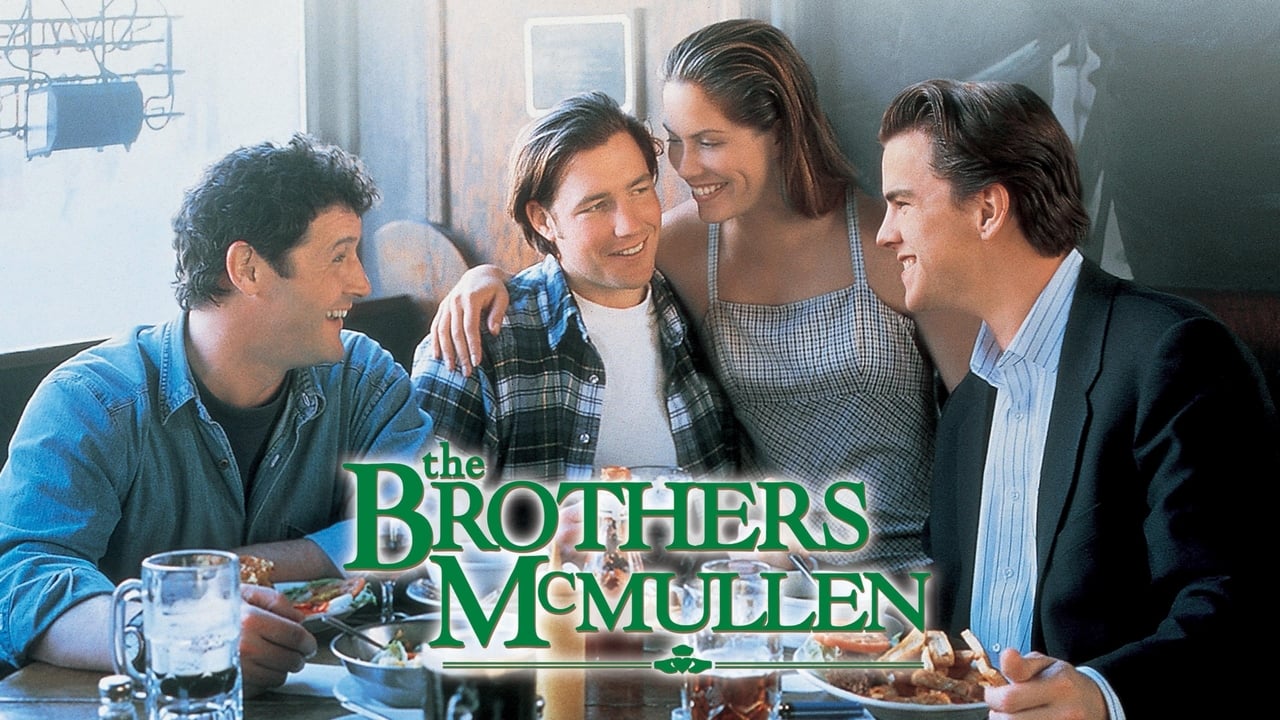
The premise is deceptively simple: three Irish-Catholic brothers from Long Island find themselves living under the same roof again, navigating the messy landscape of relationships and wrestling with the ghosts of their parents' unhappy marriage. It’s a film built almost entirely on conversations – in living rooms, bars, bedrooms – and it’s in these exchanges that its heart truly beats.
Long Island Conversations
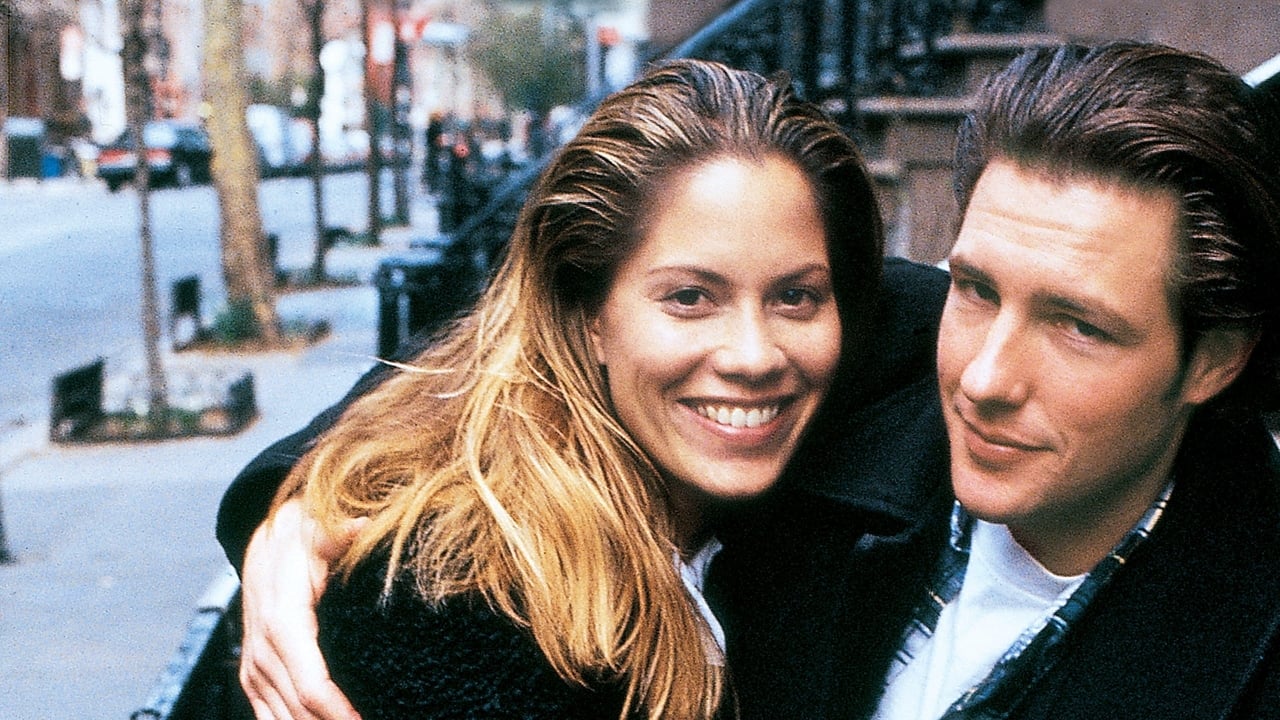
Writer-director-star Edward Burns, making an astonishingly assured debut, crafts dialogue that feels lived-in, capturing the rhythms, anxieties, and contradictions of his characters. There's Jack (Jack Mulcahy), the eldest, outwardly successful but cheating on his wife; Patrick (Mike McGlone), cynical and deeply wary of commitment, advising his fiancée to leave him before breaking things off himself; and Barry (Burns), the youngest, observant and torn between his cautious nature and a burgeoning relationship with the engaging Audrey (Maxine Bahns, Burns' real-life girlfriend at the time). The film doesn't shy away from the less flattering aspects of its male protagonists – their hypocrisies, their fears masquerading as bravado – and that honesty is key to its enduring charm.
The Weight of Heritage
Beneath the romantic entanglements lies a palpable sense of inherited burdens. The spectre of their unseen, emotionally unavailable father and their complicated mother looms large. Catholic guilt permeates their decisions, particularly Patrick's almost comical internal struggles with pre-marital sex versus his blatant hypocrisy regarding his own potential fiancée. Doesn't this constant negotiation between doctrine, desire, and disillusionment feel deeply resonant, even decades later? The film excels at portraying how family history, both spoken and unspoken, shapes our own tentative steps towards intimacy.
Making Indie Gold from Humble Beginnings
The story behind The Brothers McMullen is almost as compelling as the film itself, a true testament to the guerilla filmmaking spirit of the era. Burns, then working as a production assistant on Entertainment Tonight, famously scraped together a budget often cited as being around $25,000-$28,000 – pocket change even by 90s indie standards. He shot primarily on weekends over eight months, using 16mm film stock (some reportedly leftovers from his day job) and filming extensively in his actual childhood home on Long Island, lending the film an unshakeable authenticity. His parents' house is the McMullen house. Friends and family populated the cast and crew. You can almost feel the constraints, yet Burns turns them into a strength, fostering an intimacy that a larger budget might have smoothed away. This wasn't just low-budget; it was no-budget, fueled by passion and resourcefulness. It's a detail that makes you appreciate the final product even more, doesn't it?
The performances feel equally grounded. Mike McGlone, in particular, delivers a standout turn as Patrick, capturing his character's blend of charm, neurosis, and self-deception perfectly. Burns himself is naturalistic and relatable as the searching Barry. And Connie Britton, in an early role as Molly, Jack's disillusioned wife, brings a quiet strength and emotional clarity that provides a crucial counterpoint to the brothers' perspectives. You can see the seeds of the incredible career she would later build.
From Park City Buzz to Video Store Staple
Winning the Grand Jury Prize at the 1995 Sundance Film Festival ignited a firestorm of buzz. Picked up by Fox Searchlight Pictures, The Brothers McMullen went on to gross over $10 million domestically – an astronomical return on investment that became indie film legend. Suddenly, this deeply personal, talky little movie was everywhere, its success helping pave the way for a wave of dialogue-driven American independent cinema throughout the mid-90s. It also firmly embedded Sarah McLachlan's melancholic "I Will Remember You" into the cultural consciousness, forever linking the song to the film's bittersweet tone.
Of course, viewed through a modern lens, the film isn't perfect. The pacing occasionally lags, and the focus remains squarely on the male perspective, leaving some female characters feeling slightly underdrawn despite strong work from the actresses. Yet, these feel less like critical failures and more like characteristics of a young filmmaker finding his voice, telling the story he knew intimately.
Rating: 8/10
The Brothers McMullen earns its 8 not just for its considerable charm, sharp writing, and authentic performances, but for its incredible backstory and its significance in the 90s indie film landscape. It’s a film whose rough edges are part of its appeal, a heartfelt snapshot of a specific time and place, capturing the anxieties of young adulthood with sincerity and wit. It’s a reminder that sometimes, the most resonant stories are the small, personal ones, told with honesty and born from a genuine need to connect. What lingers most is that feeling of eavesdropping on real lives, a quality that makes it a cherished piece of the VHS era.