The flickering beam of a projector cutting through the darkness of an editing suite, the lonely echo of footsteps in a cavernous soundstage after hours... there’s an inherent creepiness to the places where cinematic illusions are born. Urban Legends: Final Cut (2000) plunges us directly into that world, attempting to twist the very process of filmmaking into a source of terror. Arriving just two years after its surprisingly effective predecessor, this sequel landed on rental shelves promising another dose of legend-inspired mayhem, bathed in the self-aware glow of the post-Scream slasher revival. But does the final cut deliver the chills, or just feel like footage left on the cutting room floor?
### Lights, Camera, Carnage
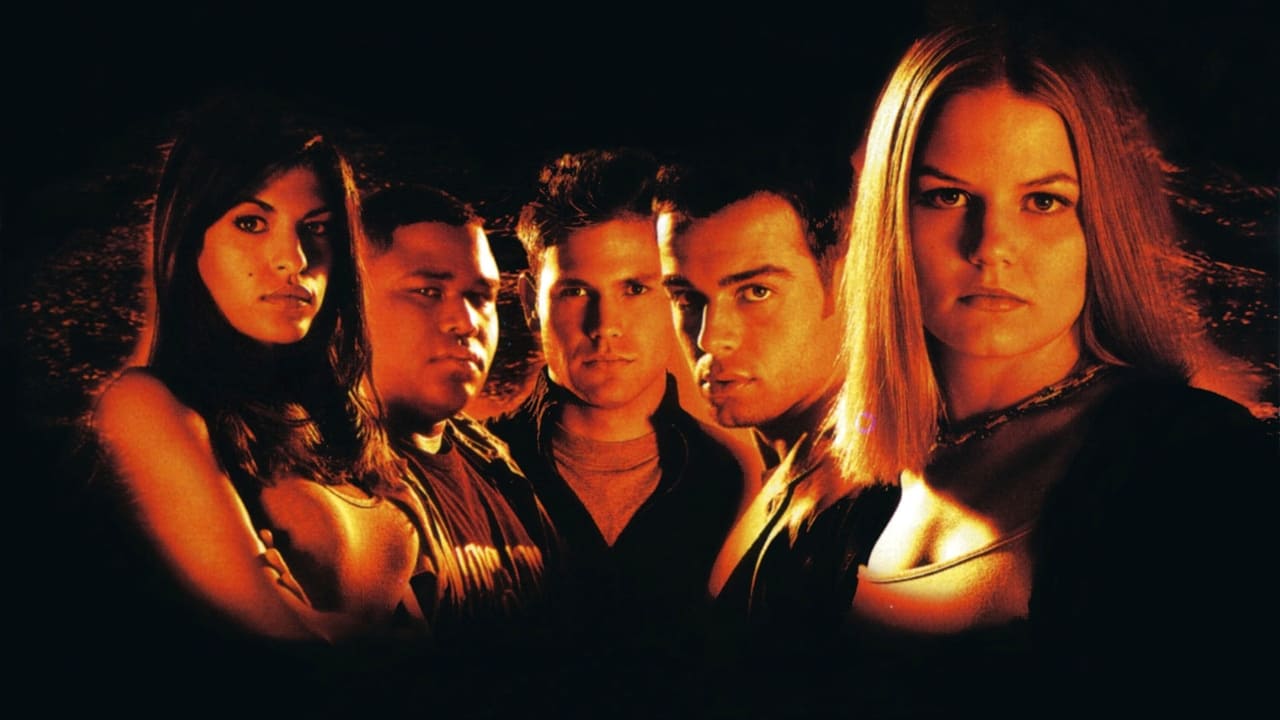
Our setting this time isn't just any college campus, but the prestigious Alpine University Film School, where aspiring auteurs vie for the coveted Hitchcock Award – a prize promising a fast track to Hollywood glory. Amy Mayfield (Jennifer Morrison, years before donning scrubs in House), is crafting her thesis film, a thriller centered around a killer who stages murders based on urban legends. Life, with sickening predictability, begins to imitate art. A masked killer, donning a fencing mask that feels slightly less iconic than the original’s parka, starts picking off Amy's cast and crew, using methods ripped straight from folklore and, chillingly, her own script pages. The meta-commentary is laid on thick from the start; we're not just watching a slasher, we're watching characters making a slasher, keenly aware of the tropes even as they fall victim to them. It's a concept brimming with potential, though perhaps one that felt fresher a few years earlier.
### A Composer's Cadence of Fear?

Stepping behind the camera for his directorial debut was John Ottman, a name many knew primarily for his stellar work as a composer and editor on films like The Usual Suspects (1995) and later, the X-Men franchise. Ottman pulled double duty here, directing and scoring the picture. You'd expect this unique position to yield a film where sound and image work in perfect, terrifying harmony. While the score certainly hits the expected orchestral stings and suspenseful cues, the translation to visual dread feels... muted. Rumors of studio interference and Ottman's own expressed difficulties with the process perhaps hint at why the film struggles to establish a truly distinct or oppressive atmosphere. It feels slicker, more polished than the gritty dread of the first film, but loses some of the visceral impact along the way. Thankfully, a welcome link to the original arrives in the form of Loretta Devine, reprising her role as Reese Wilson, the security guard with a penchant for Pam Grier and an uncanny knack for surviving horror movie scenarios.
### Familiar Fears, Faded Folklore
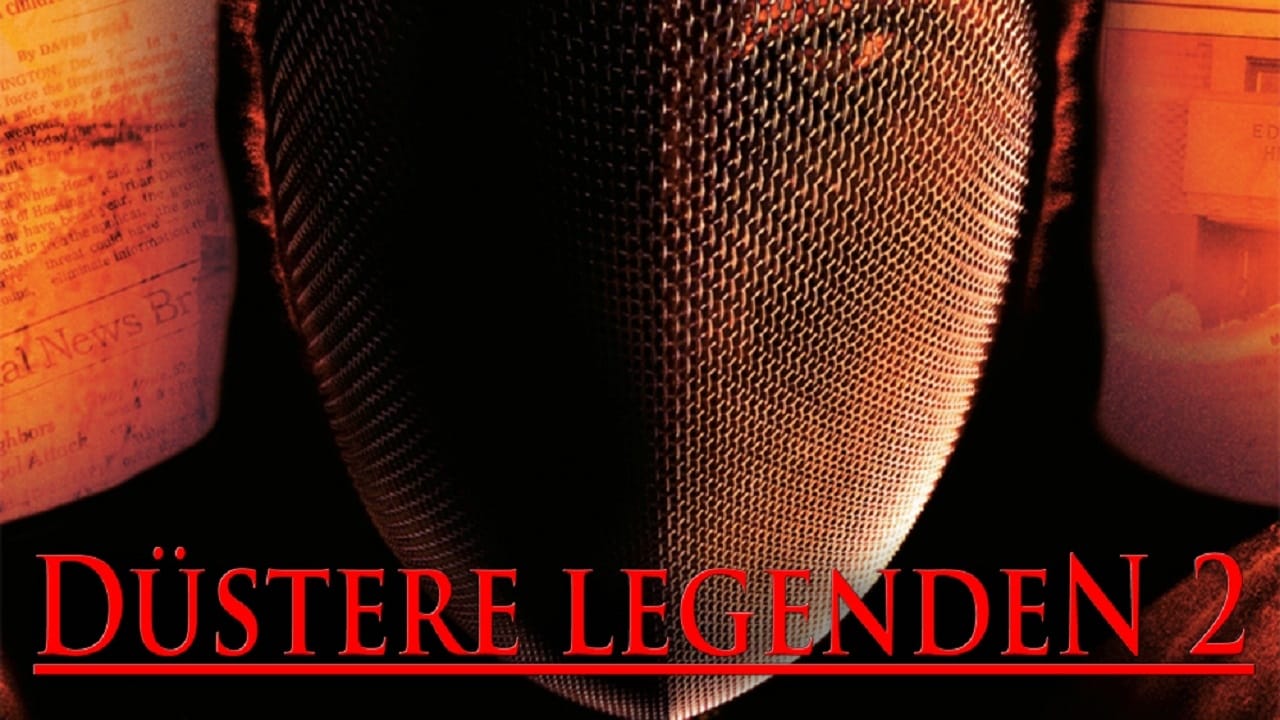
The central gimmick – murders based on urban legends – returns, but the execution feels less inventive this time around. We get variations on the "cell phone call coming from inside the house" (adapted for the campus setting) and the chilling tale of waking up in a bathtub full of ice minus a kidney. However, the kills often lack the punch and genuine surprise of the original's set pieces (like the infamous Pop Rocks incident or the Achilles tendon slash). Filmed largely at Trent University in Peterborough, Ontario, the gothic architecture provides a decent backdrop, but the film rarely leverages the location's potential for genuine spookiness. Instead, it often relies on standard jump scares and the inherent tension of the whodunit plotline, which, admittedly, keeps you guessing for a while, even if the eventual reveal feels somewhat underwhelming. Doesn't the fencing mask itself feel like a slightly less inspired choice compared to the chilling anonymity of the original killer's parka?
### Spot the Future Star
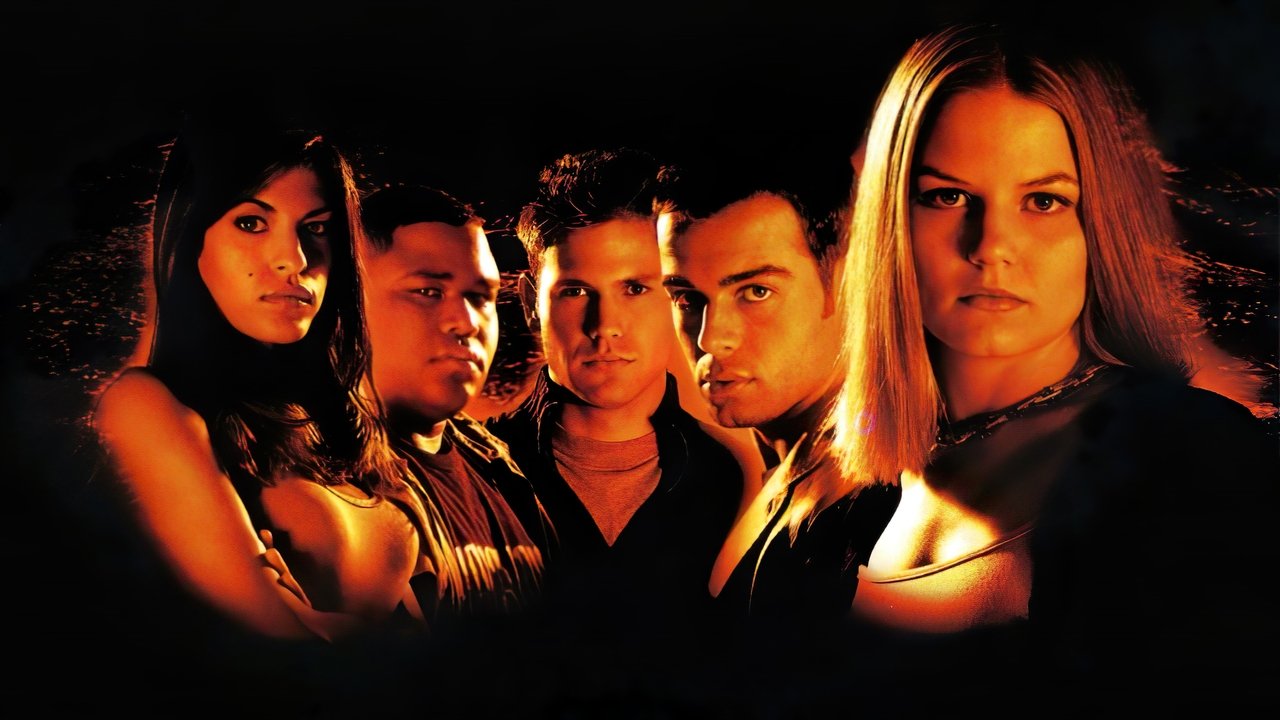
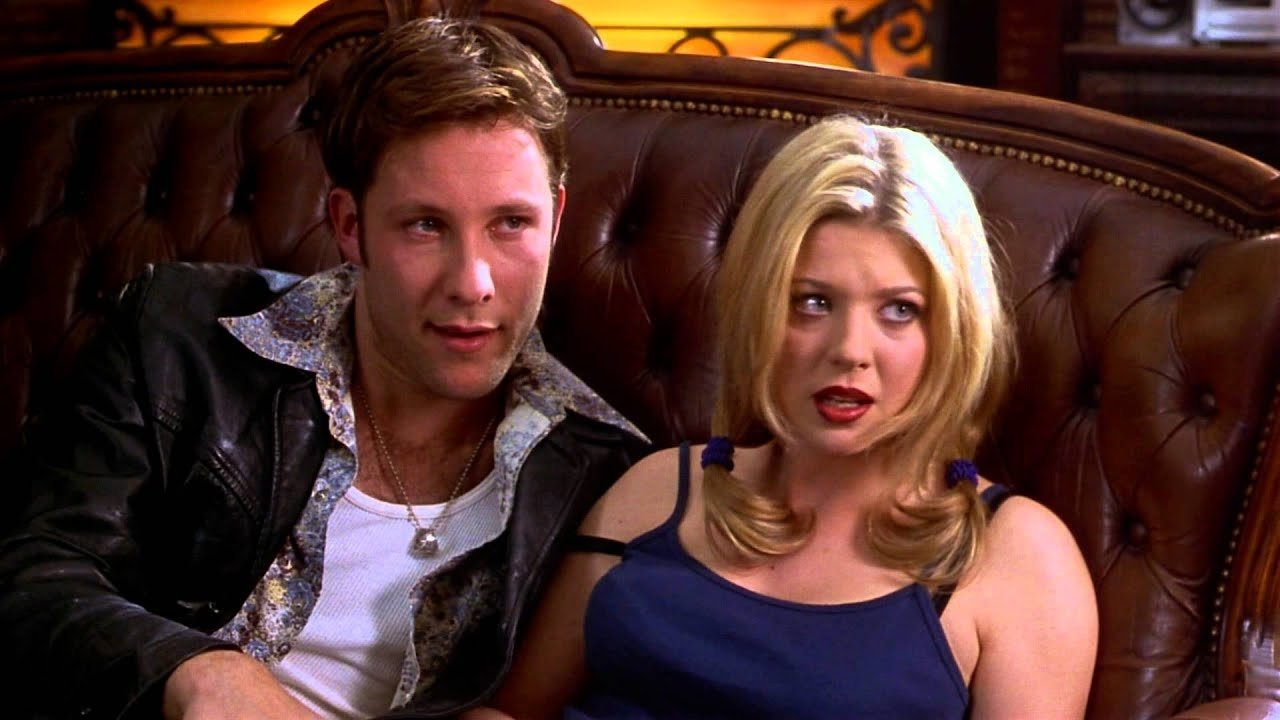
One of the undeniable pleasures of revisiting these late 90s/early 00s slashers is playing "spot the future star." Final Cut is practically a breeding ground. Beyond Jennifer Morrison in the lead, we see Matthew Davis (later of Legally Blonde and The Vampire Diaries) as the competitive twin brother, a brief but memorable appearance by Eva Mendes, and Anthony Anderson providing some (intentional) comic relief. Watching them navigate the slasher clichés is part of the nostalgic fun. And then there's Hart Bochner, forever immortalized as the sleazy Ellis in Die Hard (1988), chewing the scenery here as the intense Professor Solomon. The cast is game, delivering performances that serviceably fit the archetypes required, even if the script doesn't give them immense depth to explore.
### The Rental Shelf Sequel
I distinctly remember grabbing this one from the Blockbuster wall, the familiar Urban Legends title promising more of what made the first film a surprisingly tense ride. Final Cut, however, ultimately feels like exactly what it is: a sequel rushed into production to capitalize on a trend. It hits the required beats – the meta-humor, the elaborate kills, the red herrings, the final chase – but rarely transcends them. It lacks the raw nerve of its predecessor and the sharp wit of Scream, leaving it in a competent but crowded middle ground. It was a reliable weekend rental, sure enough, offering familiar slasher comfort food, but it wasn't the tape you rewound and watched again immediately.
***
VHS Heaven Rating: 5/10
Justification: Urban Legends: Final Cut earns points for its inherently watchable premise, a cast full of recognizable faces (some before they hit it big), and John Ottman's competent, if not particularly distinctive, direction and score. The return of Loretta Devine is a plus. However, it loses significant ground due to its derivative nature, less inventive kills compared to the original, a predictable plot twist, and a general lack of genuine scares or lasting atmosphere. It feels very much like a product of its time – a late, slightly tired entry in the slasher revival cycle.
Final Cut: A glossy, watchable, but ultimately forgettable sequel that functions best as a time capsule of early 2000s horror trends and a showcase for future stars. It’s a faint echo of the urban legends whispered about in the dark, rather than a scream that lingers.