Here we go, another dust-off from the shelves of VHS Heaven. Some tapes felt like familiar friends, worn smooth from repeated viewings. Others, though… others sat there with a kind of quiet intensity, promising something altogether different. William Peter Blatty's The Ninth Configuration (1980) was definitely one of the latter. Forget the straightforward chills of The Exorcist (1973), which Blatty famously wrote; this film, which he also directed, takes you somewhere far stranger, deeper, and arguably, more profoundly unsettling. It's a film that poses a question that echoes long after the tape stops whirring: in a world seemingly spiraling into madness, what constitutes true sanity?
A Castle of Broken Soldiers
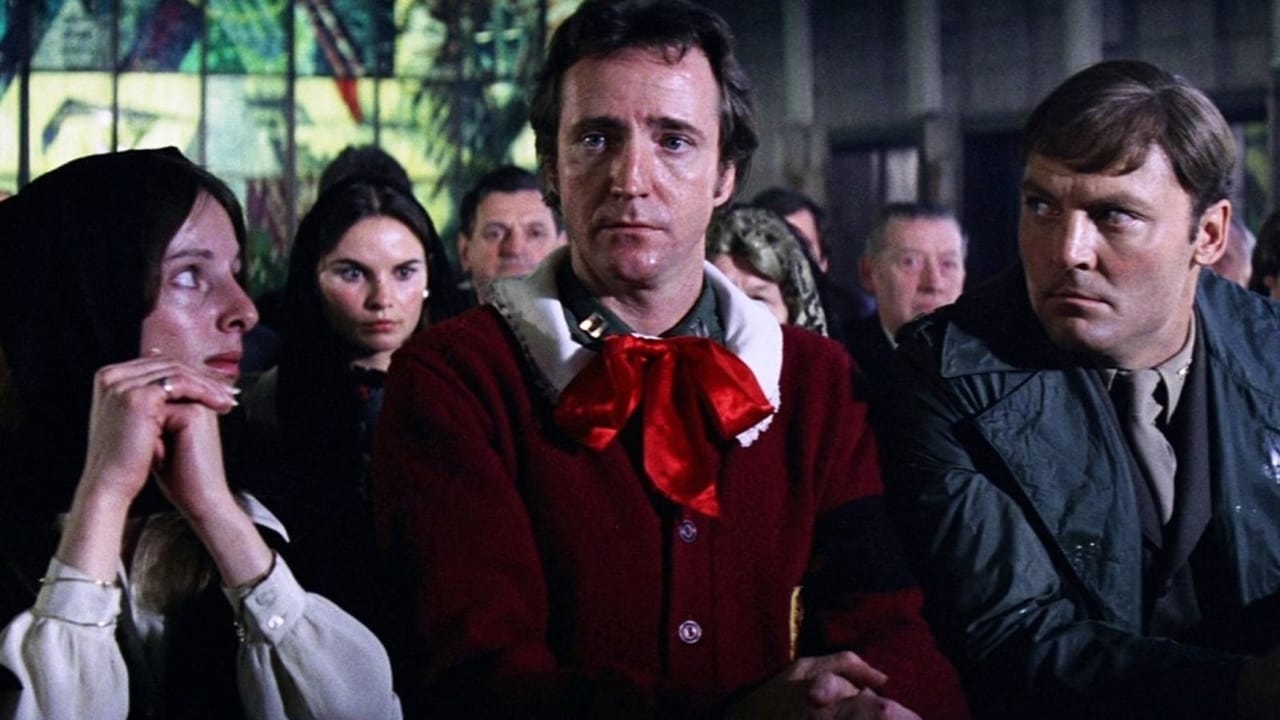
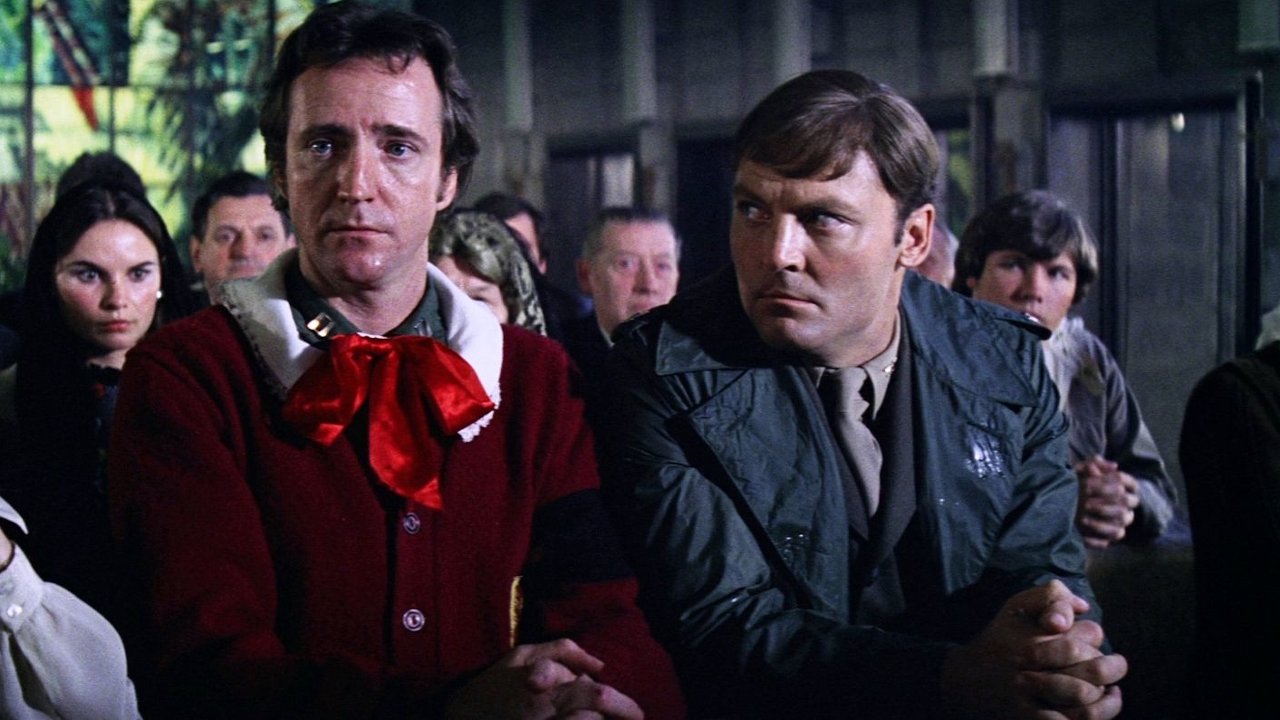
The setup itself feels like a darkly comedic fever dream. Deep in the Pacific Northwest stands a gothic castle, requisitioned by the US military as an asylum for officers who have seemingly succumbed to mental illness during or after Vietnam. Into this surreal environment steps Colonel Hudson Kane (Stacy Keach), a Marine psychiatrist sent to assess the patients and perhaps find a method in their madness. The inmates, a gallery of eccentrics ranging from Lieutenant Reno (Jason Miller, unforgettable as Father Karras in The Exorcist), attempting to stage Shakespeare with dogs, to Captain Fairbanks (George DiCenzo) believing he's Superman, initially present as soldiers potentially faking insanity to escape duty. Their interactions crackle with a bizarre, almost vaudevillian energy, filled with sharp, witty dialogue that feels quintessentially Blatty. You find yourself chuckling, albeit uneasily, at their antics. But beneath the surface of the absurdity, a current of genuine pain runs deep.
The Astronaut and the Psychiatrist
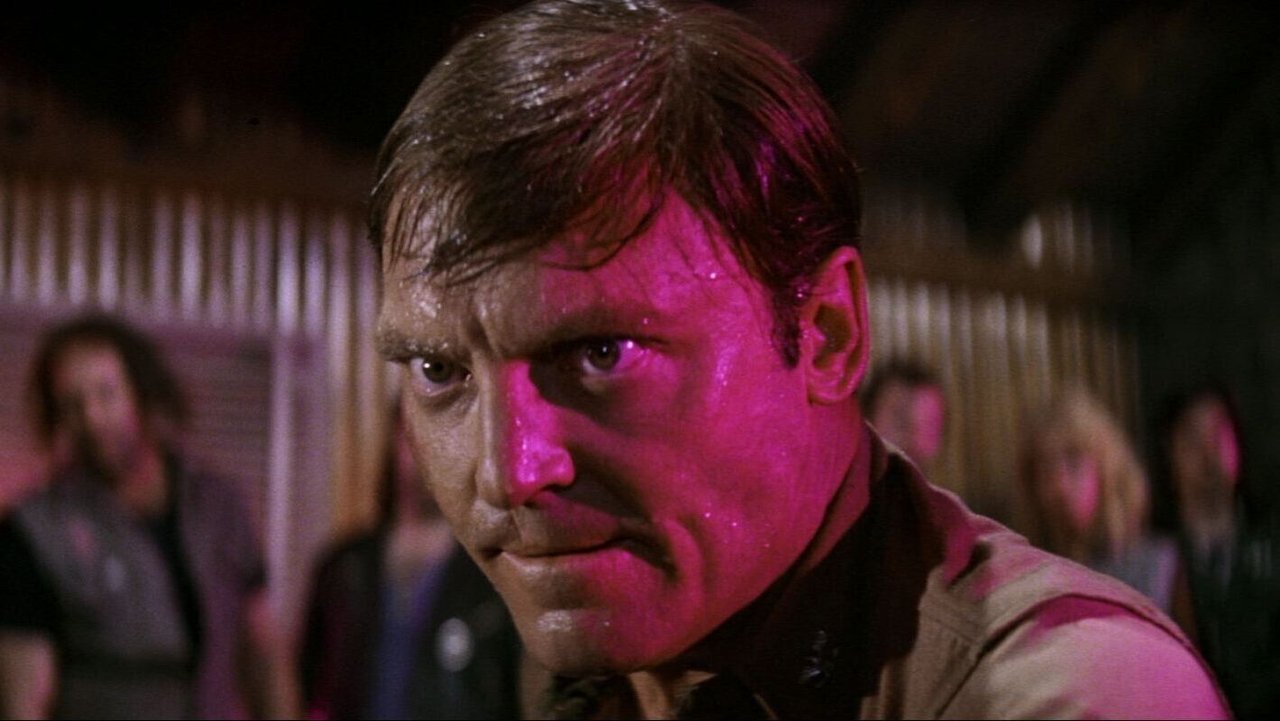
At the heart of the film lies the relationship between Kane and Captain Billy Cutshaw (Scott Wilson), a former astronaut grounded after a nervous breakdown on the launchpad, terrified of the vast emptiness of space and grappling with the silence of God. Wilson’s portrayal of Cutshaw is simply devastating – a man stripped bare, his cynicism a fragile shield against overwhelming existential dread. He relentlessly probes Kane, questioning his beliefs, his purpose, seeking proof of divinity or inherent goodness in a world that seems to offer none. It's through these intense dialogues that the film sheds its comedic skin and delves into profound philosophical territory, exploring faith, doubt, sacrifice, and the nature of humanity.
What makes these scenes so compelling is the quiet, coiled intensity Stacy Keach brings to Kane. He seems calm, observant, almost unnervingly rational amidst the chaos. Yet, there's a profound sadness in his eyes, a hint of a terrible burden carried beneath the crisp uniform. Keach's performance is a masterclass in controlled nuance; you sense the cracks forming in his carefully constructed facade long before they shatter. His journey becomes inextricably linked with Cutshaw's desperate search for meaning. There’s a fascinating bit of trivia here: the character Kane originated in Blatty’s earlier novel, Twinkle, Twinkle, "Killer" Kane, and his name is deliberately chosen – a direct echo of the biblical first murderer, hinting at a past stained by violence and a desperate search for redemption.
Blatty's Passion Project
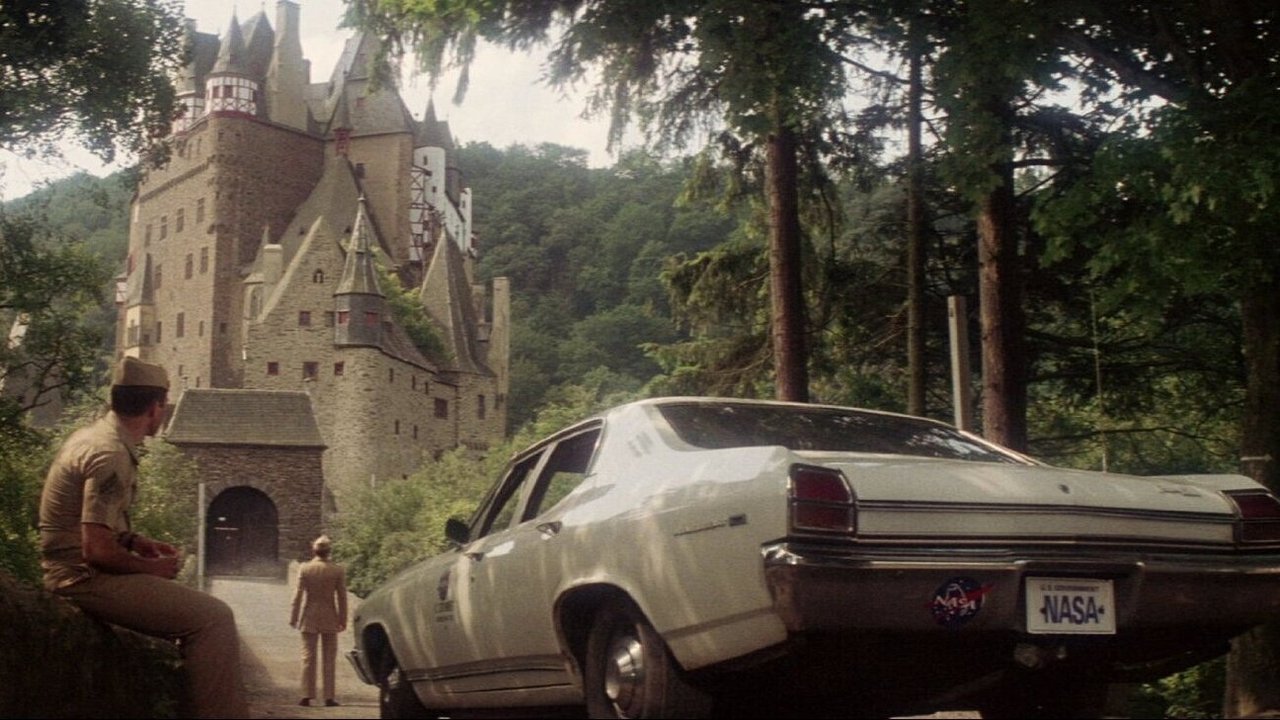
You can feel Blatty's fierce commitment to this story in every frame. It’s widely known that he considered this film, not Exorcist II: The Heretic (1977), the true thematic successor to his original masterpiece, exploring the lingering questions of faith and the possibility of ultimate good in the face of overwhelming evil. Frustrated by studio interference on other projects, Blatty famously poured millions of his own money, earned from The Exorcist's phenomenal success, into making The Ninth Configuration. He even filmed it relatively far afield, in Budapest, Hungary, adding to the otherworldly feel of the castle setting. This personal investment shines through; it's a film unafraid to be strange, to mix jarring tones, to demand contemplation from its audience. It wasn't a box office smash ($5 million gross on a $4 million budget – roughly $19.5M budget yielding $19.5M gross today), but its uncompromising vision earned Blatty a Golden Globe for Best Screenplay, a testament to the power of his challenging script.
The Turning Point (Spoiler Alert!)
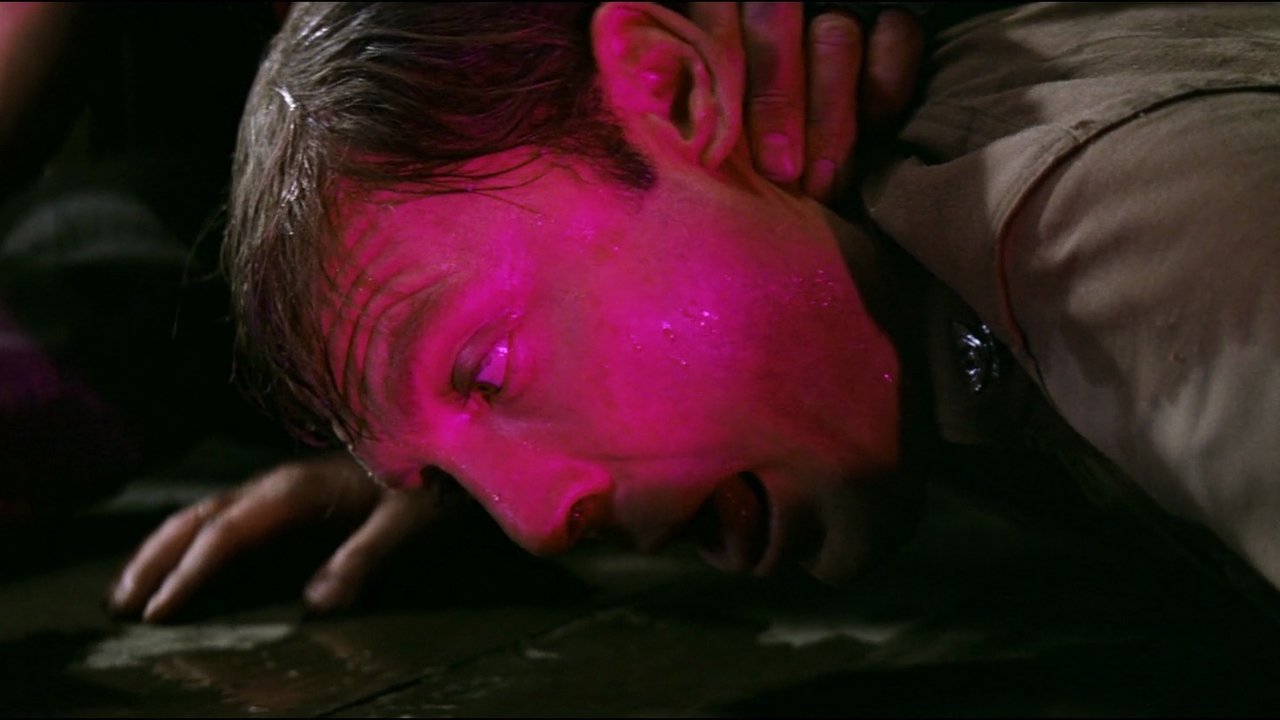
The film takes a notoriously abrupt and brutal turn in its third act. The intellectual sparring and psychological gamesmanship give way to visceral violence during a confrontation with a biker gang in a local bar. Seeing the controlled Colonel Kane suddenly unleash a terrifying, almost inhuman level of fury is genuinely shocking. It’s a scene that polarizes viewers even today. Is it a necessary catharsis? A manifestation of his hidden "Killer Kane" persona? Or proof of his ultimate sacrifice? Blatty doesn't offer easy answers, but the raw, physical nature of the scene, reportedly involving some very real hits landed by the actors and stunt performers playing the bikers, serves as a stark counterpoint to the philosophical debates, grounding the film's abstract ideas in painful, physical reality. It forces us to confront the cost of conviction.
An Unforgettable Oddity
The Ninth Configuration isn't a perfect film. Its tonal shifts can be jarring, and its blend of slapstick, philosophy, and sudden violence might feel uneven to some. Yet, its flaws are intrinsically linked to its strengths. It's ambitious, messy, deeply felt, and utterly unique. Finding this on a dusty VHS shelf back in the day, perhaps nestled between more conventional war dramas or horror flicks, must have been a bewildering experience for many renters. It doesn't fit neatly into any genre box. Is it a war film? A religious allegory? A psychological thriller? A dark comedy? It's all of these and none of them, existing in its own peculiar configuration.
What lingers most are the powerhouse performances, particularly from Keach and Wilson, and the haunting questions Blatty forces us to confront. It's a film that respects its audience enough to not provide simple solutions, instead leaving us to ponder the difficult truths about faith, madness, and the profound, often costly, nature of a single selfless act.
Rating: 9/10
Justification: While its tonal shifts might alienate some, the sheer audacity of Blatty's vision, the unforgettable performances from Stacy Keach and Scott Wilson, and the enduring power of its philosophical questions make The Ninth Configuration a challenging but deeply rewarding masterpiece. It's a film that truly stays with you, demanding reflection long after the credits have rolled – a rare and potent quality, especially from the VHS era.
Final Thought: In a sea of formulaic releases, this strange, intense, and ultimately moving film remains a testament to the power of singular, uncompromising artistic vision – a true cult classic that earns its reputation.