Okay, settle in. Dim the lights, maybe pour yourself something strong. Tonight, we're digging into a tape that doesn't rely on jump scares or gore, but burrows under your skin with the chillingly mundane. We're talking about Peter Weir's 1979 made-for-TV chiller, The Plumber – a film that proves the most unsettling invasions often start with a simple knock at the door.
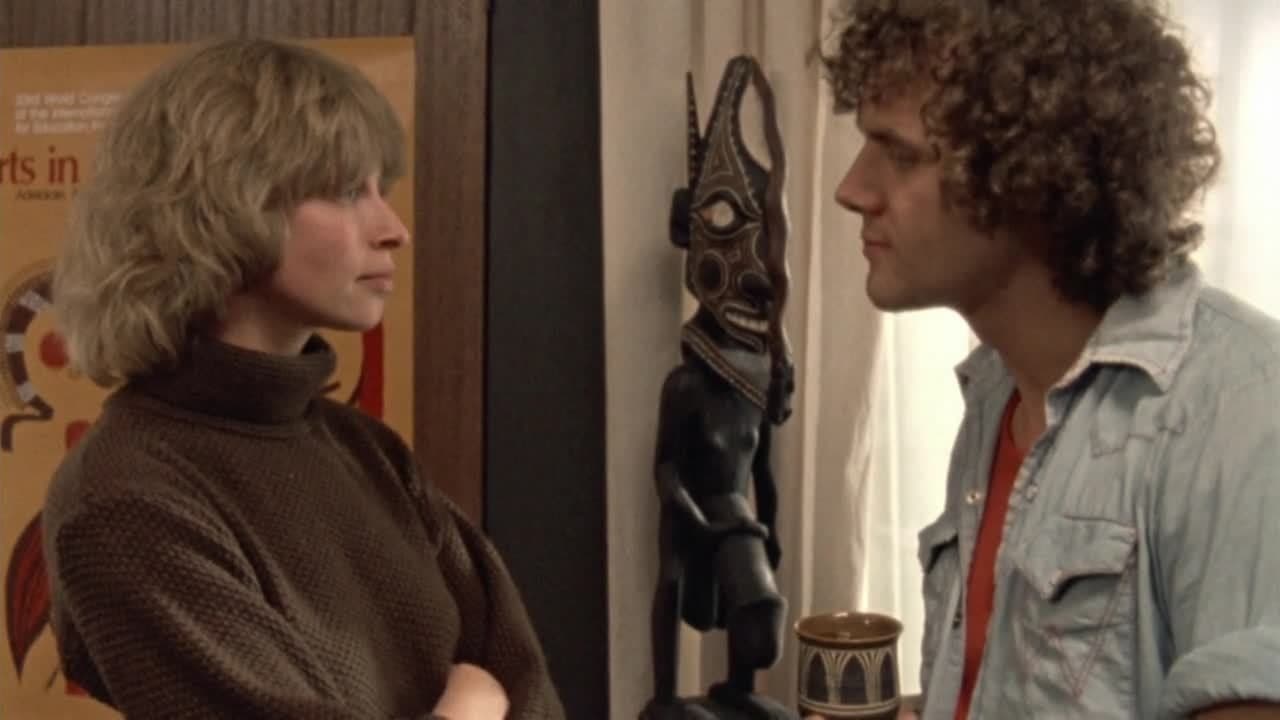
Forget haunted houses; the terror here unfolds within the sterile confines of a high-rise apartment, a place meant to be a sanctuary but which quickly becomes a battleground for sanity. The feeling it evokes is less outright fear, more a creeping, claustrophobic dread, like discovering mould spreading silently behind the drywall. It’s the kind of film that might have played late on some obscure channel back in the day, leaving you profoundly uneasy without quite knowing why.
An Unwanted Guest
Our protagonist is Jill Cowper (Judy Morris), an anthropology postgraduate student trying to complete her thesis in the seemingly peaceful apartment she shares with her academic husband, Brian (Robert Coleby). Their intellectual bubble is abruptly popped by the arrival of Max (Ivar Kants), a plumber claiming there's a problem with the bathroom pipes. What starts as a minor inconvenience spirals into a protracted, increasingly bizarre ordeal. Max is… unpredictable. Is he genuinely incompetent, a friendly-but-overeager working-class bloke, or something far more sinister? That ambiguity is the film's razor edge.
Ivar Kants is simply unforgettable as Max. He’s all cheerful disruption, folksy wisdom masking unsettling boundary-crossing. He sings, tells rambling stories, leaves messes, questions Jill’s life choices – all with a disarming grin that makes his intrusions doubly disturbing. You feel Jill's mounting frustration and paranoia, brilliantly conveyed by Judy Morris, as her carefully ordered world is systematically dismantled by this force of nature she can neither understand nor easily dismiss. Her husband, preoccupied with his own career ambitions, remains largely oblivious, amplifying Jill's isolation. Doesn't that sense of being unheard, of your legitimate concerns being brushed aside, feel chillingly familiar even today?
Weir's Subtle Menace
Directed by Peter Weir – who had already unnerved audiences with Picnic at Hanging Rock and The Last Wave, and would later gift us mainstream hits like Witness and The Truman Show – The Plumber showcases his early mastery of atmosphere and psychological tension. It’s fascinating to note this was a television film, shot quickly (reportedly in just three weeks) and on a modest budget for Australia's Channel 9 between Weir's bigger cinematic projects. Yet, far from feeling cheap, this constraint fosters an intense, almost documentary-like realism. The camera often feels observational, trapping us in the apartment alongside Jill, making Max’s presence feel even more invasive.
Weir uses the setting brilliantly. The pristine, slightly cold academic apartment contrasts sharply with the burgeoning chaos erupting in the bathroom – pipes ripped out, holes knocked in walls, dirt and tools everywhere. It becomes a physical manifestation of Jill’s mental state unraveling. There’s no booming horror score here; the soundtrack is often just the diegetic sounds of dripping water, banging pipes, or Max's incessant chatter, punctuated by unsettling silences. It’s a masterclass in using sound design to build dread.
Class, Control, and Creeping Dread
Beneath the surface tension, The Plumber subtly probes themes of class conflict and social unease. Jill, the intellectual, struggles to communicate with or control Max, the seemingly simple tradesman who operates by his own inscrutable rules. There's a layer of passive aggression, a potential commentary on the invisible walls between social strata, that adds depth to the psychological horror. Is Max deliberately tormenting her, or is this just a catastrophic clash of personalities and expectations? The film never fully answers, leaving a lingering disquiet.
You can almost imagine this tape being passed around among film buffs in the 80s, a hidden gem whispered about – "You've got to see this weird little Australian film by the Picnic at Hanging Rock guy." Its power lies in its relatability. Who hasn't felt trapped by social obligation, forced to be polite to someone making them deeply uncomfortable? The Plumber takes that everyday anxiety and cranks it up to an almost unbearable pitch. It’s a film that truly understands that sometimes, the most terrifying monsters are the ones who smile while they tear your world apart.
Final Diagnosis:
The Plumber is a slow-burn psychological thriller that excels through its ambiguity, unsettling performances, and masterful direction. Peter Weir crafts a palpable sense of dread from the most mundane of situations, proving you don’t need supernatural forces to create genuine terror. Ivar Kants delivers an iconic performance as the titular disruptor, a character who lingers long after the credits roll. While its TV origins are apparent in its contained scope, this only enhances its claustrophobic intensity. It’s a perfect example of how effective minimalist horror can be, relying on character, atmosphere, and suggestion over spectacle.
Rating: 8.5/10
This score reflects the film's exceptional success in building sustained psychological tension, its brilliant central performances, and Weir's assured direction, even within budgetary constraints. It achieves exactly what it sets out to do: unsettle you deeply using everyday anxieties. It might lack the explosive payoffs of other thrillers, but its slow, invasive dread is arguably more memorable.
Decades later, The Plumber remains a potent reminder that true horror can seep into our lives through the most ordinary cracks, leaving us questioning the thin veneer of civility that keeps chaos at bay. A must-watch for fans of subtle thrillers and Peter Weir's fascinating early work. Did this one ever give you pause before letting a tradesman into the house?