The turquoise water laps gently against the hull. Sun bleeds across a postcard-perfect Caribbean vista. But something is fundamentally wrong. It’s a feeling that starts as a prickle on the back of your neck, the kind that intensifies in the dead quiet of a late-night viewing session, the VCR whirring softly like an accomplice. This isn't the sun-drenched adventure the travel brochures promise. This is Peter Benchley territory, but far stranger, far more grubby and disturbing than the sleek terror of his great white shark. This is 1980's The Island.
Beneath the Surface
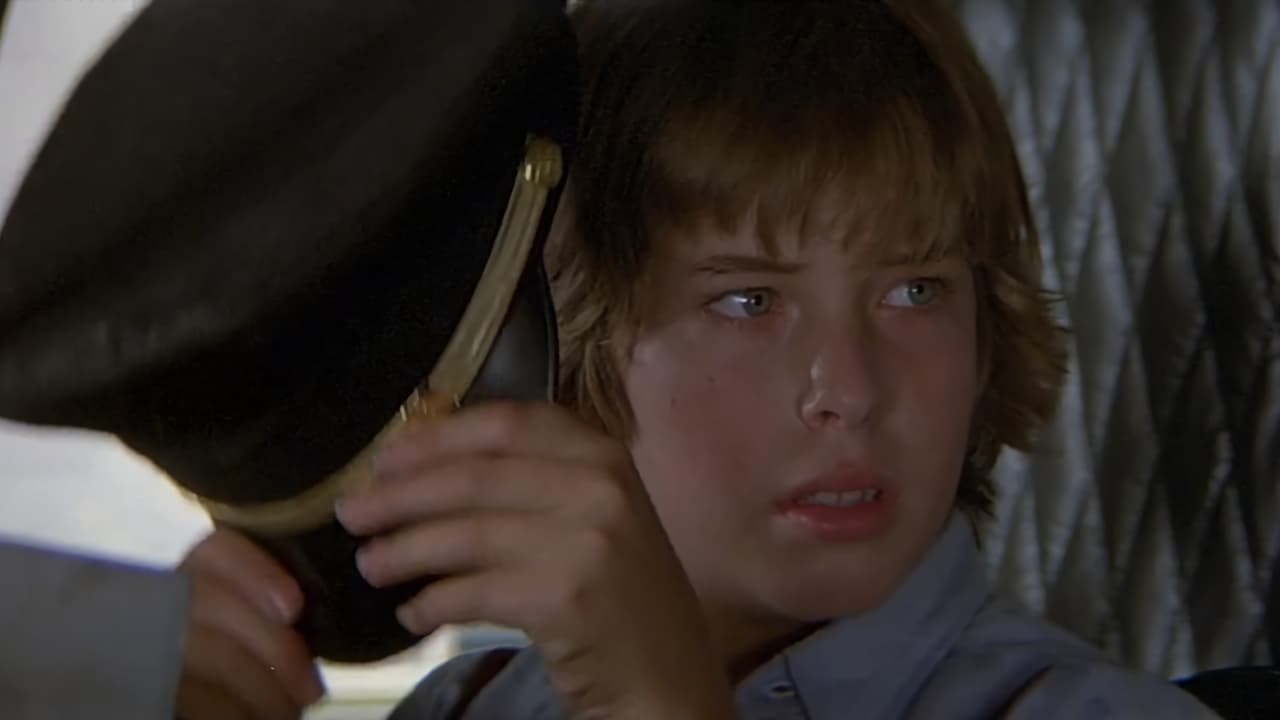
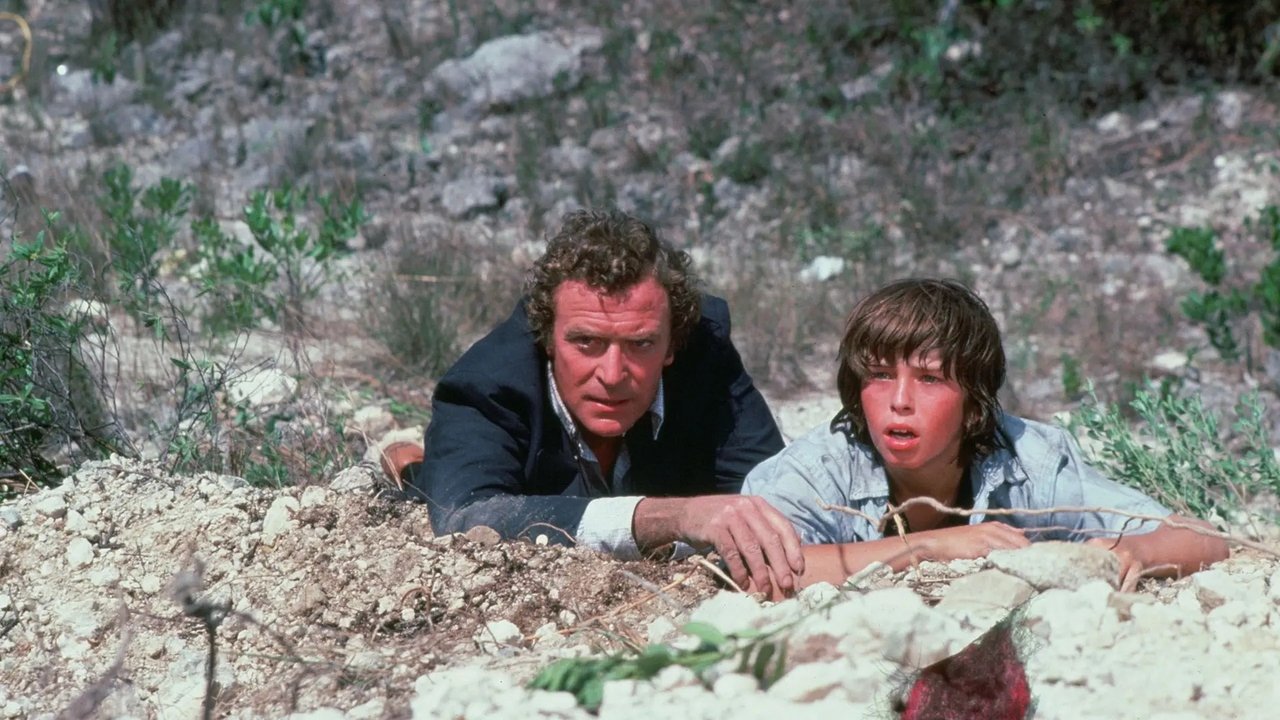
Remember the buzz around anything with Benchley’s name attached back then, after Jaws devoured the box office? Expectations were sky-high, but The Island, based on his 1979 novel, delivered something else entirely. Michael Caine, dependable as ever, plays Blair Maynard, a divorced journalist dragging his estranged son along on a potentially dangerous assignment: investigating the string of baffling disappearances swallowing yachts whole in the Bermuda Triangle. What he uncovers isn't supernatural, but arguably far more chilling – a pocket of history that refused to die, festering in isolation.
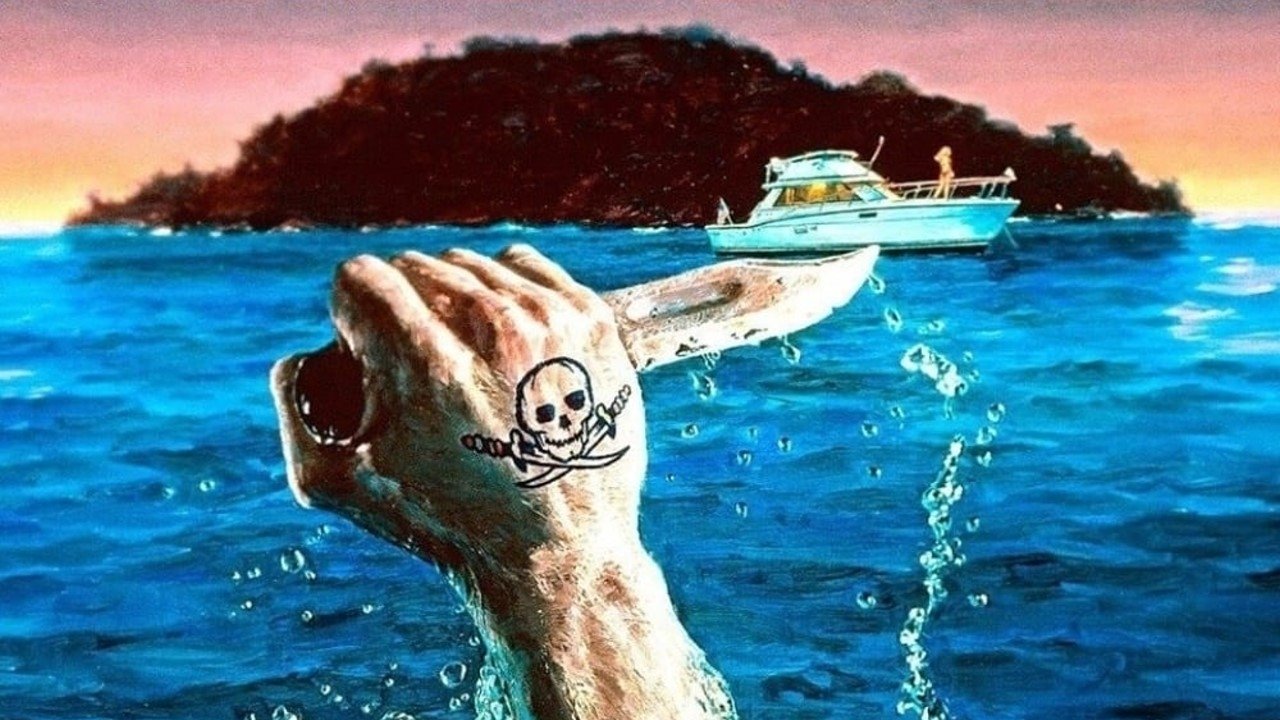
The reveal, when it comes, is genuinely bizarre. Not ghosts, not aliens, but pirates. Not the swashbuckling Errol Flynn kind, oh no. These are the degenerate descendants of 17th-century buccaneers, speaking a broken patois, their gene pool shallower than a tide pool, living by brutal, archaic codes. Director Michael Ritchie, known more for sharp comedies like The Bad News Bears and later Fletch, seems an odd choice, and the resulting film feels torn between gritty survival thriller and outright exploitation oddity. This jarring mix is part of what makes The Island such a strange beast to revisit on VHS. It wasn't quite what anyone expected, including, reportedly, Benchley himself, who was apparently displeased with Ritchie's adaptation of his book.
A Colony of Decay
The film’s power, such as it is, lies in the unsettling depiction of this lost tribe. Led by the gaunt, wild-eyed Nau, played with unnerving conviction by the great David Warner (always brilliant playing sophisticated menace, like in Time Bandits or Tron), these pirates are genuinely repellent. Their settlement is a ramshackle collection of decaying ship parts and salvaged junk, a physical manifestation of their corrupted lineage. The production design manages to convey a real sense of squalor and desperation. There's a grime to this film, a sweaty, sun-baked nastiness that clings long after the credits roll. Did that almost feral quality of the pirates get under your skin back then too?
The practical effects, while perhaps dated by today's standards, carry a certain weight. The pirate attacks are sudden, brutal, and messy. There's a blunt force to the violence that likely shocked audiences in 1980, contributing to its poor reception and reputation as something of a nasty video nasty precursor. Forget CGI slickness; this felt visceral, immediate, the kind of thing that made you grip the armrest of your couch a little tighter, the flickering CRT glow illuminating the unease on your face. Adding to the unsettling atmosphere is a surprisingly effective score by the legendary Ennio Morricone. It’s not his typical soaring Western theme, but something more dissonant and primal, perfectly matching the on-screen depravity.
Troubled Waters
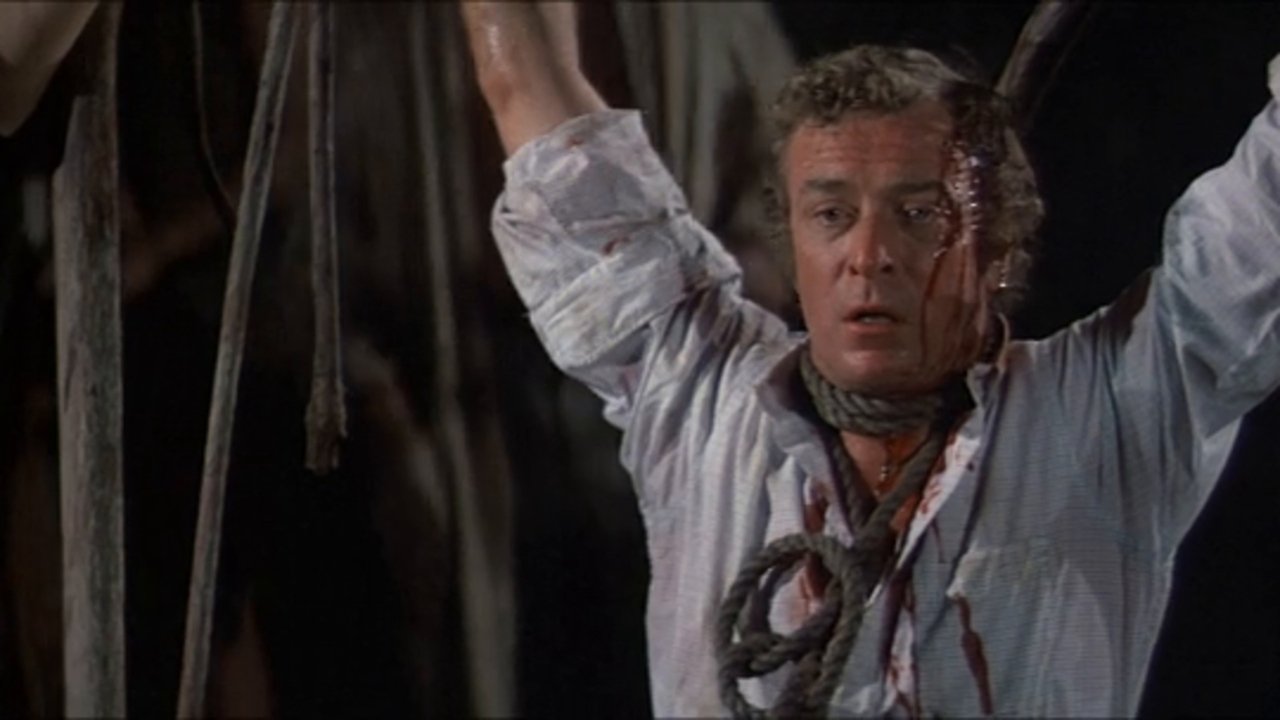
Michael Caine does his professional best, grounding the increasingly outlandish scenario. You feel his desperation and disgust as he tries to survive and protect his son within this horrifying micro-society. Yet, even Caine couldn't save the film from its troubled identity and eventual box office failure (reportedly costing $22 million and making only $15.7 million). Stories abound that Caine, like many actors before and since, primarily took the role for the pleasant filming locations in the Caribbean, though he later distanced himself from the final product, calling it one of the worst films he'd made. It’s one of those fascinating Hollywood "what ifs" – a high-profile author, a respected director stepping outside his usual genre, a major star... resulting in this uniquely uncomfortable cult curio.
The film also courted controversy, with some critics accusing it of trafficking in racist stereotypes through its depiction of the pirates. While ostensibly descendants of French Huguenots, their portrayal leans heavily into primitive savagery, a choice that feels uncomfortable then and now. It’s a layer of darkness that adds to the film’s already murky waters.
That Lingering Chill
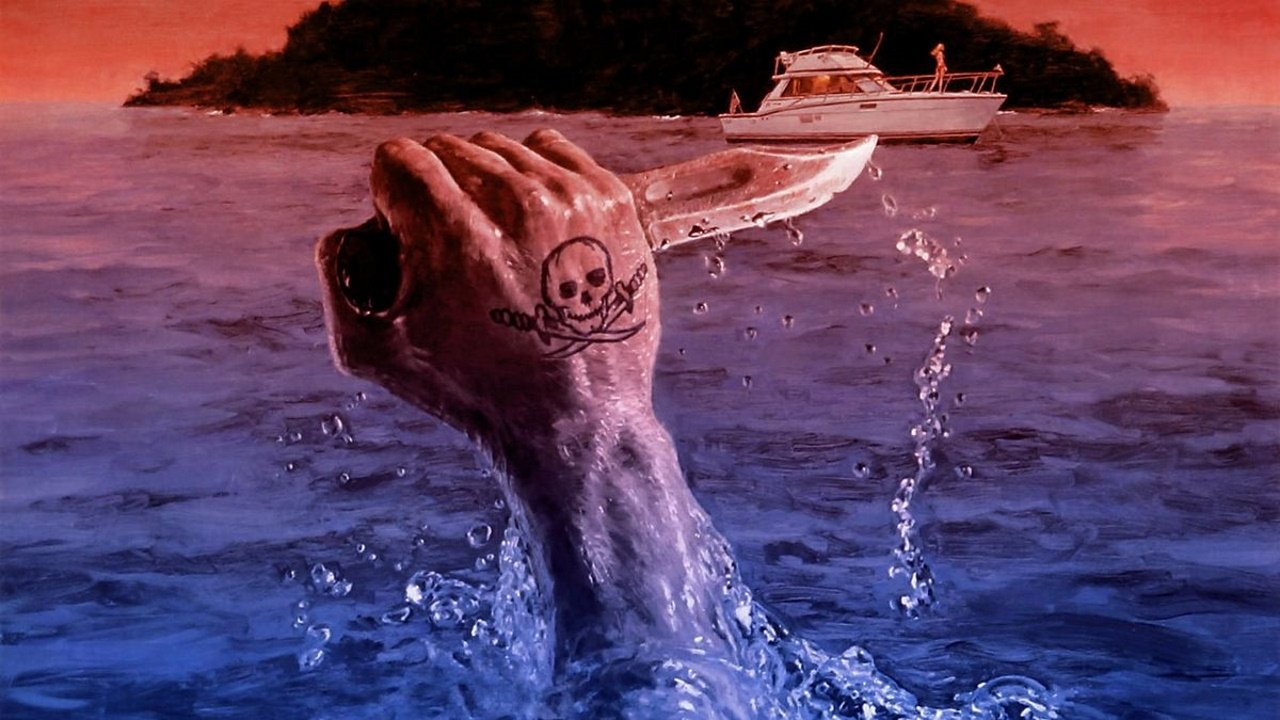
Revisiting The Island today is an odd experience. It’s undeniably flawed – the pacing sometimes drags, the tone wobbles, and the central concept strains credulity to breaking point. I remember finding the tape lurking on the shelves of the local rental store, the cover art hinting at something dark and forbidden. It wasn't a film you easily forgot, even if you weren't entirely sure why it stuck with you. It’s not traditionally "scary," but deeply unsettling, leaving a residue of grime and decay.
It's a prime example of a studio throwing money at a concept that perhaps worked better on the page, resulting in a fascinatingly grotesque misfire. It lacks the polish of Jaws or the cohesive vision of Ritchie's better works, but for sheer 80s VHS-era strangeness and a commitment to its unpleasant premise, The Island holds a unique, if notorious, place. Doesn't that final, explosive act of defiance by Caine still feel jarringly brutal, even now?
Rating: 4/10
Justification: While possessing a uniquely unsettling atmosphere, striking performances from Caine and Warner, and a genuinely bizarre premise courtesy of Benchley, The Island ultimately sinks under the weight of its tonal inconsistencies, uncomfortable implications, and sluggish execution. It’s a fascinating failure, memorable for its sheer oddity and grimness rather than its quality. Its cult status is earned through its weirdness, not its success as a thriller.
Final Thought: A film less celebrated than sunk, The Island remains adrift in the sea of 80s cinema – a grimy, sun-scorched curio perfect for those nights you want something genuinely strange and unsettling dredged up from the depths of the VHS vault.