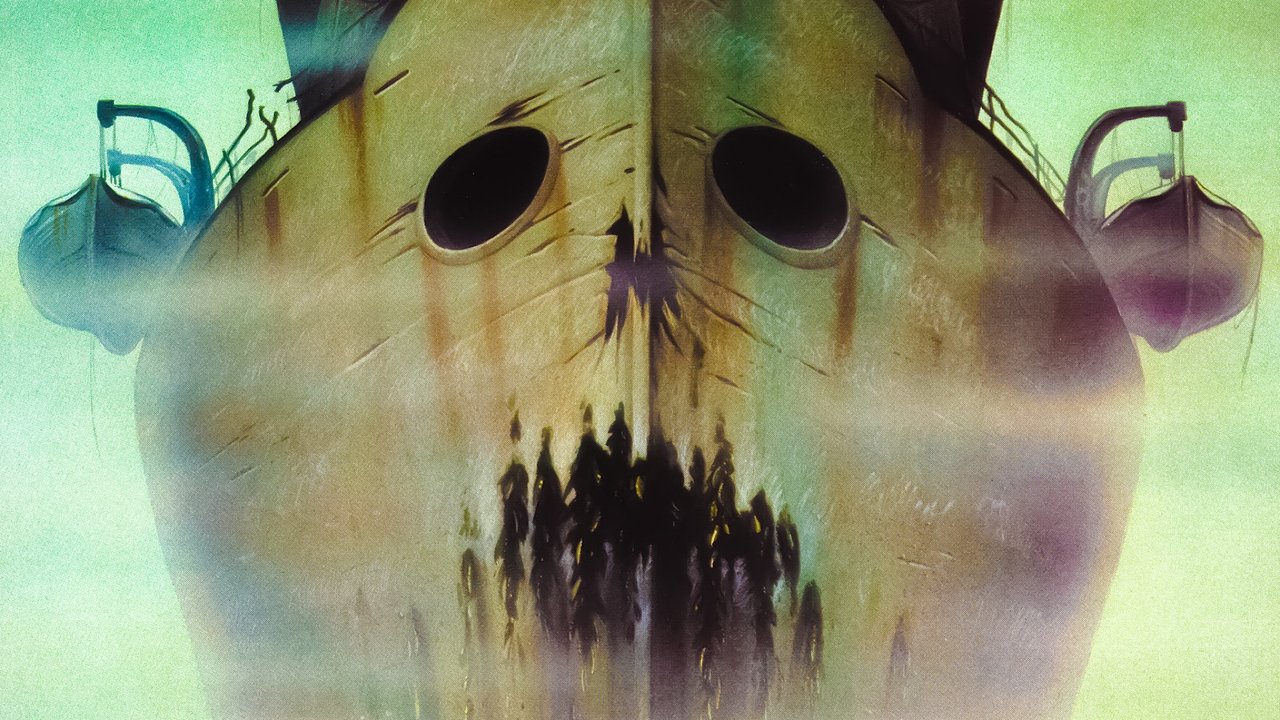
That black shape on the horizon… it isn't just fog. It's an omen, cutting through the waves like a steel tombstone. There’s something inherently chilling about the vast, indifferent ocean birthing horrors, and 1980's Death Ship dives right into that primal fear. Forget gentle ghost stories; this is a blunt instrument of maritime malevolence, a rusting, phantom freighter hell-bent on collecting souls. For many of us prowling the horror aisles of the local video store back in the day, that stark VHS cover—often featuring the imposing, dark vessel—was an irresistible beacon of promised dread.
Ghost Ship Rising
The setup is classic disaster-movie-turned-horror: a luxury cruise liner collides mysteriously with an unseen vessel, leaving a handful of survivors adrift on the unforgiving sea. Hope arrives in the form of a hulking, seemingly abandoned freighter drifting nearby. Led by the disgraced former captain, Ashland (George Kennedy, a familiar comforting/imposing presence from films like Cool Hand Luke (1967) and the Airport series), and the current Captain Trevor (Richard Crenna, bringing his reliable everyman quality seen later in First Blood (1982)), the desperate group boards the eerie ship. They quickly discover it isn’t abandoned at all. It’s inhabited – by the lingering, hateful presence of its former Nazi crew and, perhaps, the ship itself.
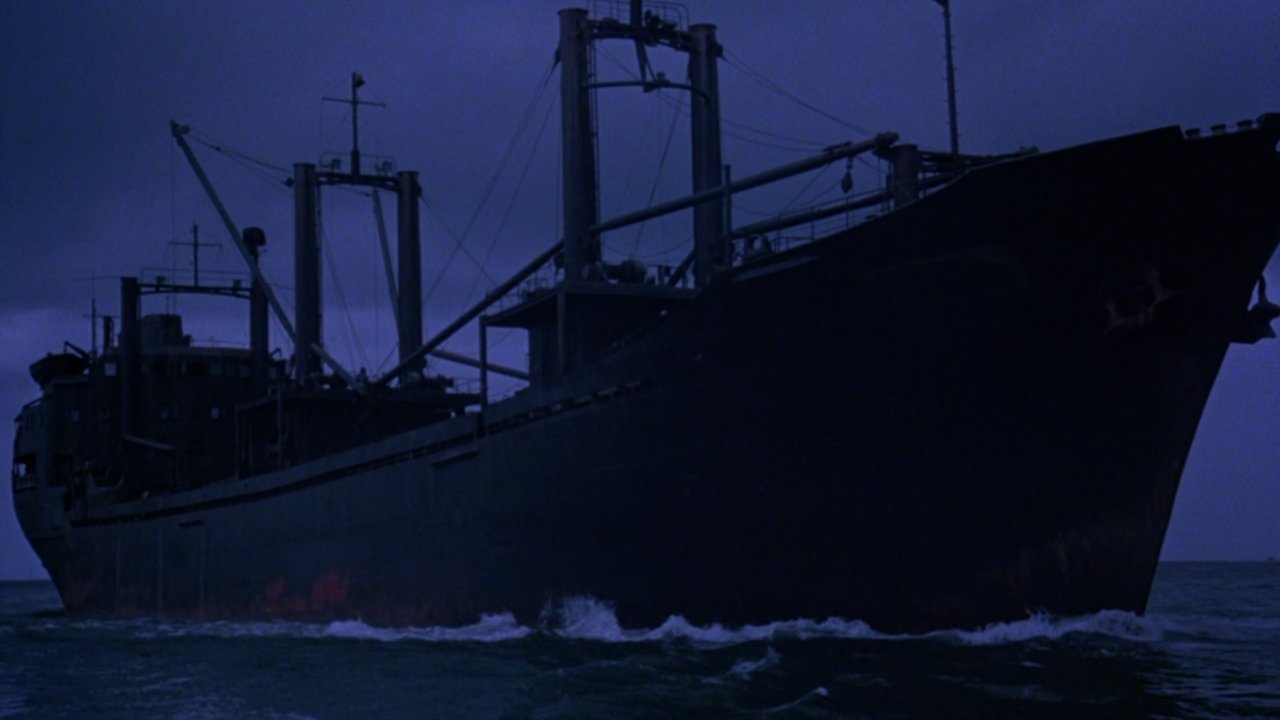
Directed by Alvin Rakoff, Death Ship doesn't waste too much time on nuance. This isn't The Shining on the water; it’s a more visceral, pulpy kind of horror. The ship itself is the star – a claustrophobic labyrinth of rusted metal, decaying grandeur, and shadowy corridors. The production design effectively turns the vessel into a charnel house, groaning and weeping brine, each shadow potentially hiding a spectral threat. The atmosphere is thick with decay and the chilling echo of past atrocities. You can almost smell the stale air and engine oil mingling with something far more sinister.

Rust, Blood, and Specters
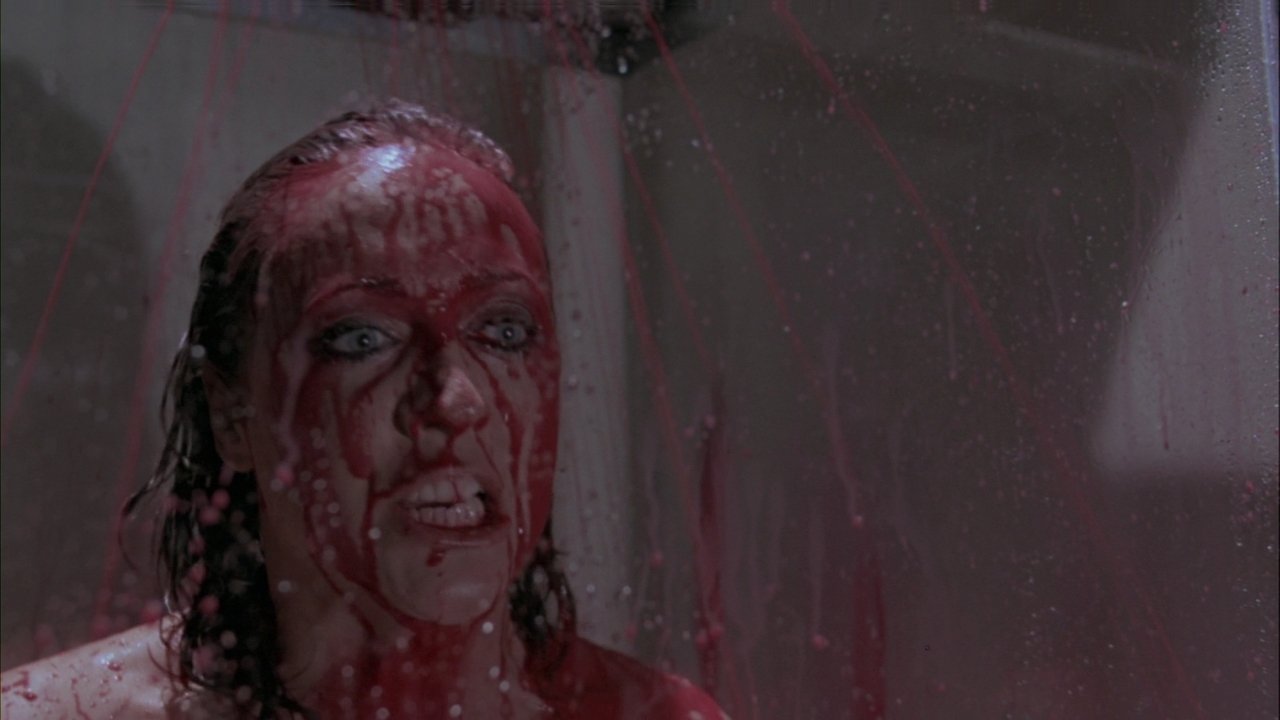
What makes Death Ship stick in the memory, despite its sometimes uneven execution, are its moments of genuinely unsettling imagery and creative, gruesome kills. Who can forget the infamous shower scene? Not for its titillation, but for the horrifying moment blood begins to pour from the showerhead, engulfing a victim in a crimson tide. It’s a shocking, visceral image that perfectly encapsulates the ship's malevolent, consuming nature. Another standout involves the ship's old movie projector flickering to life, not with Hollywood classics, but with spectral visions and historical horrors, driving one survivor (Nick Mancuso) to madness. These moments tap into a crude but effective nightmare logic.
The practical effects, while certainly dated by today's standards, carried a tangible weight back then. The makeup on the spectral crew or the decaying remnants found onboard had that grimy, unsettling realism that CGI often lacks. Remember how effective simple, physical effects could be on a flickering CRT screen late at night? There's a certain grim charm to it. Digging into the production reveals some interesting tidbits: the film was a Canadian-British co-production, shot partly in Quebec and off the coast of Alabama. The imposing freighter itself was reportedly a decommissioned vessel, adding a layer of authentic maritime history and decay to the fictional horror. Rumour has it that veteran exploitation director Jack Hill (Spider Baby, Foxy Brown) did uncredited work on the script, which might explain some of the film's grimier, more shocking elements. The budget was around $4.5 million Canadian dollars, a decent sum for the time, allowing for the scale the haunted ocean liner required.
Navigating Choppy Waters
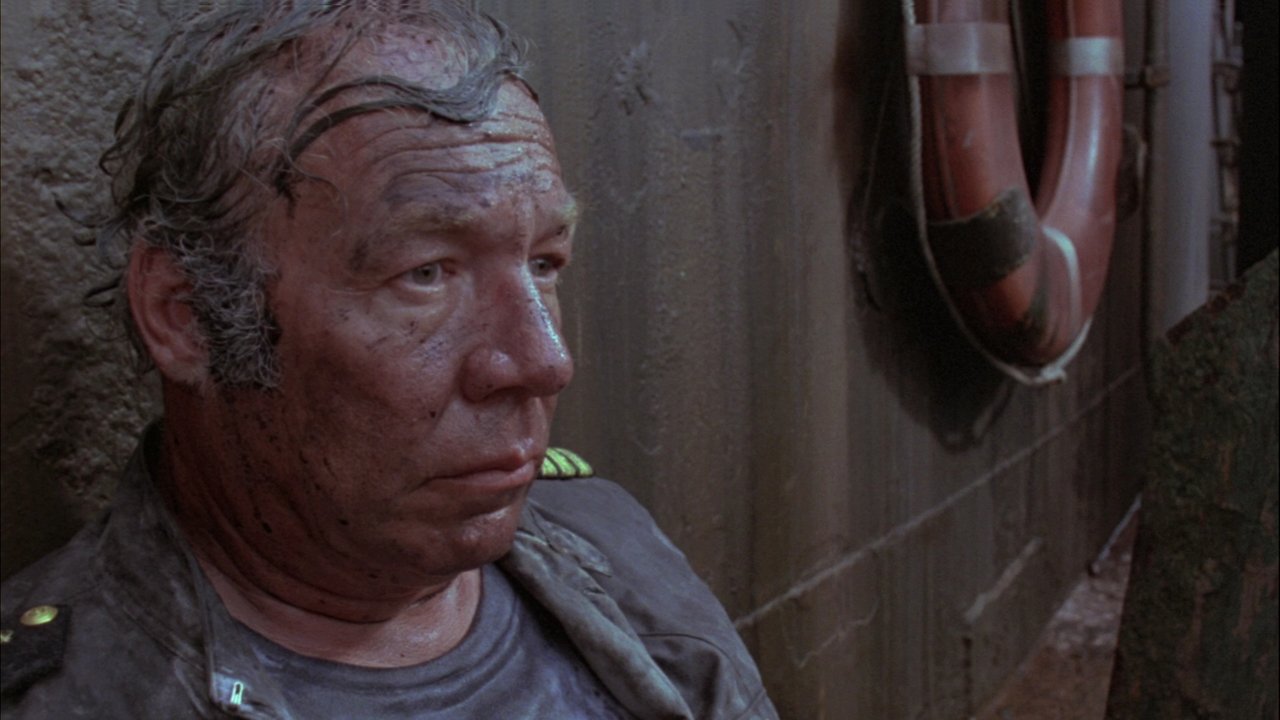
Let's be honest, Death Ship isn't a perfect vessel. The pacing occasionally drifts, some performances feel a bit adrift themselves, and the logic behind the haunting can feel murky (Is it ghosts? The ship itself? Both?). George Kennedy brings his usual gravitas, portraying a man broken before he even steps foot on the cursed freighter, while Richard Crenna provides the moral anchor. Nick Mancuso, as the ship’s cook Nick, gets some of the more intense psychological scenes. However, some of the supporting characters feel more like fodder for the ship's spectral machinations than fully fleshed-out individuals.
Yet, despite its flaws, the film maintains a pervasive sense of dread. The core concept – being trapped on a sentient, evil vessel in the middle of nowhere – is strong horror fuel. It plays on fears of isolation, the unknown, and the inescapable nature of a haunted location you can't simply run away from. The desolate ocean becomes an accomplice to the ship's evil. The bleak, downbeat ending also refuses to offer easy comfort, leaving a lingering chill that many 80s horror films weren’t afraid to embrace.
Rating & Final Voyage
6/10
Death Ship earns its score by delivering a genuinely creepy central concept and some memorably nasty moments of supernatural horror, wrapped in a thick, decaying atmosphere. The imposing presence of the ship itself and standout scenes like the blood shower stick with you. However, it's held back by uneven pacing, underdeveloped characters, and a script that sometimes feels like it's navigating by fog alone. It lacks the polish of bigger studio horror hits from the era, but its grim B-movie heart is undeniable.
For fans of maritime horror or those seeking a slice of early 80s supernatural dread, Death Ship is a voyage worth taking, even if the seas get a little choppy. It’s a film that might not have reached legendary status, but like that unforgettable VHS box art, it promises a certain kind of grim, ghostly encounter and largely delivers, leaving you with the unsettling feeling that some vessels are better left adrift. Doesn't that central image of the black ship still send a shiver down your spine?