The flickering static clears, and the screen plunges into inky blackness. Not the comforting darkness of a cinema, but the oppressive weight of the deep ocean, miles below the surface where sunlight has never reached. That's where The Rift (1990), sometimes known by the arguably more evocative title Endless Descent, takes us. It promises claustrophobia, unseen horrors lurking just beyond the sub's sputtering lights, and the kind of damp, cold dread that seeps into your bones long after the credits roll. It’s a feeling many of us who haunted the horror aisles of the local video store know well – the allure of the abyss, beautifully captured on a worn VHS cover.

Down into the Murk
The setup is classic deep-sea rescue boilerplate, reminiscent of the glut of underwater thrillers that surfaced around the late 80s and early 90s – think Leviathan (1989) or DeepStar Six (1989), though The Rift arrived just a little later to the party. When the experimental submarine Siren I vanishes without a trace, its designer, the guilt-ridden Wick Hayes (Jack Scalia), is coerced into joining a perilous rescue mission aboard the military sub Siren II. The commander is the predictably hard-nosed Captain Phillips, played with reliable, vein-popping intensity by the late, great R. Lee Ermey, forever channeling echoes of Gunnery Sergeant Hartman from Stanley Kubrick's Full Metal Jacket (1987). Also along for the ride is the enigmatic company man Robbins (Ray Wise, bringing that unsettling charm he honed just before becoming Leland Palmer in Twin Peaks), who clearly knows more than he’s letting on. You just knew someone was hiding something down there, didn't you?
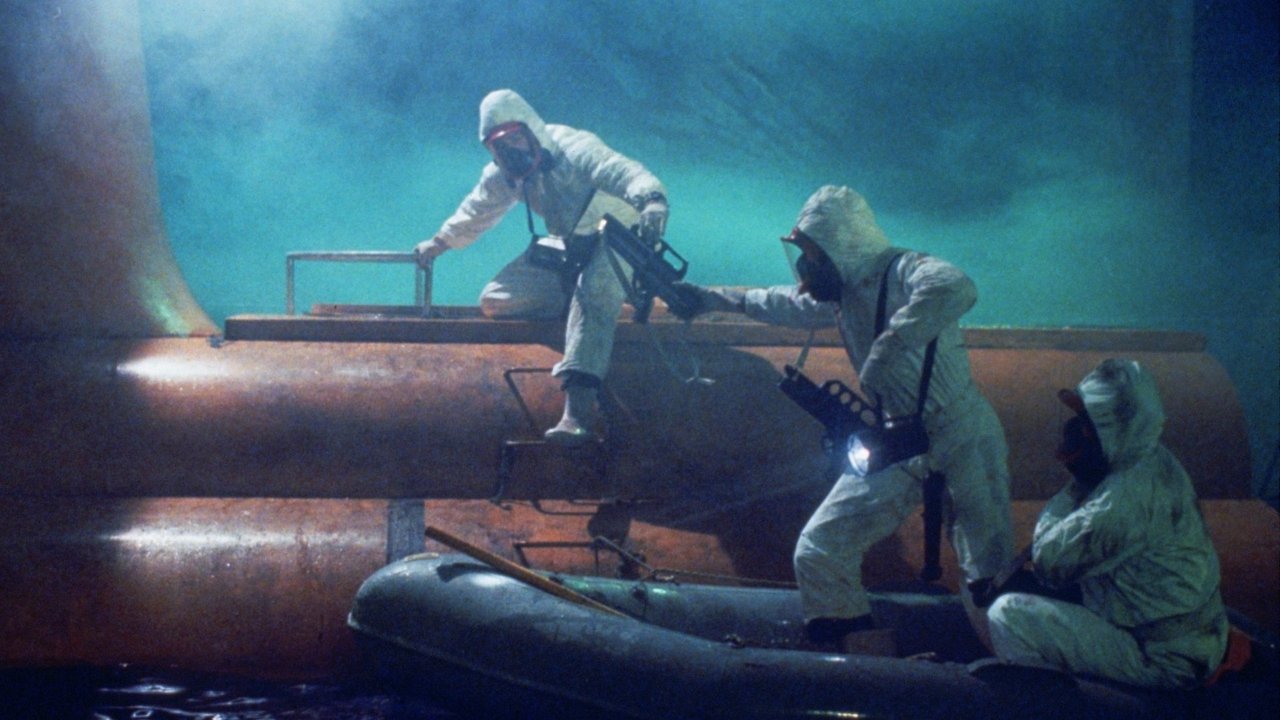
Spanish director Juan Piquer Simón, a name familiar to connoisseurs of Euro-horror oddities like the infamous Pieces (1982) and the squirm-inducing Slugs (1988), helms this descent. Working, as usual, with limited resources – reportedly around $3 million, peanuts even then for this kind of effects-heavy genre piece – Simón leverages the inherent claustrophobia of the submarine setting effectively. The corridors feel tight, the metal groans under pressure, and the murky underwater sequences, often achieved through miniatures and tank work likely filmed at Estudios Verona in Madrid, possess a genuine sense of isolation. He knew how to stretch a peseta, creating a surprisingly textured world despite the budget.
Where Monsters Dwell
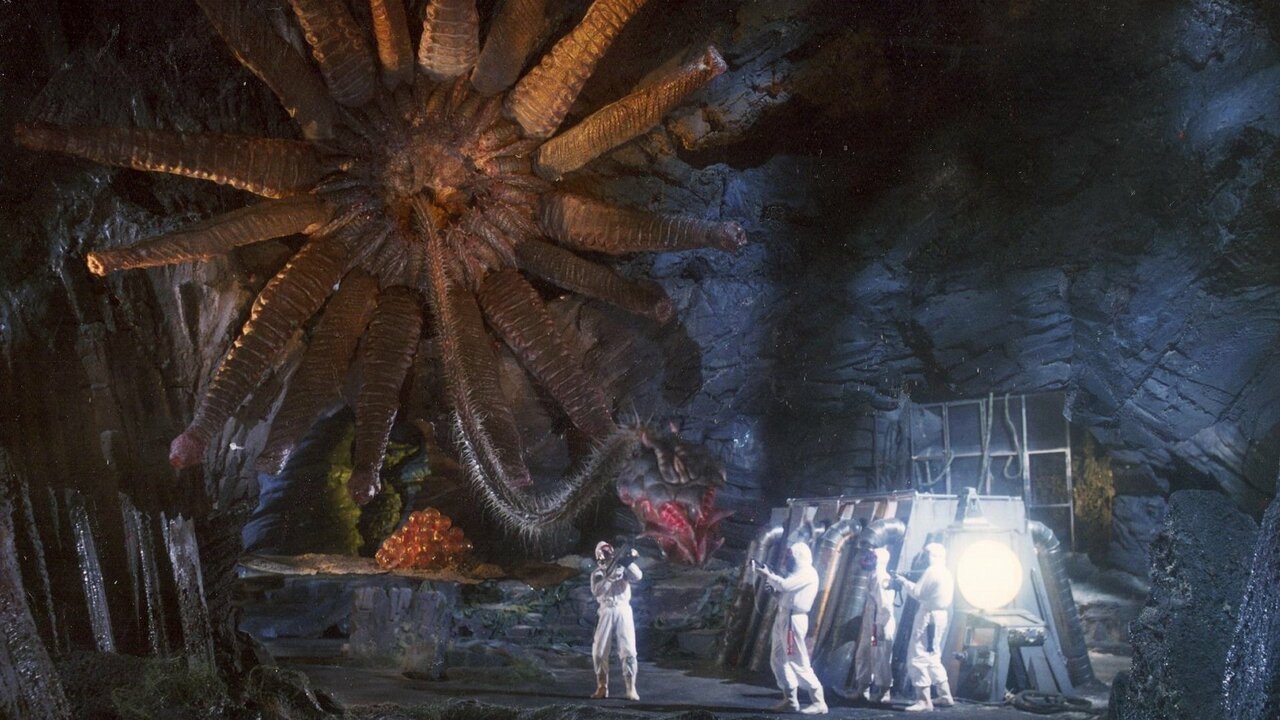
Of course, the reason we rented tapes like this wasn't just for the naval procedure. It was for the monsters. And The Rift delivers a grotesque menagerie birthed from illicit genetic experiments conducted in a hidden cavern miles beneath the waves. The discovery of mutated seaweed is just the beginning. Soon, the crew faces vicious, bio-luminescent eel-like creatures, pulsating organic masses, and eventually, something far larger and more terrifying.
This is where the film truly earns its cult stripes. The practical creature effects, spearheaded by veteran effects artist Colin Arthur (whose impressive credits include The NeverEnding Story (1984) and John Milius' Conan the Barbarian (1982)), are the undeniable stars. They possess that gloriously slimy, tangible quality that defined the era's best horror effects. There’s a visceral, Cronenberg-lite horror to the mutated flesh and unexpected biological weaponry. Remember how startling those practical gore moments felt back then, hitting with a squelchy impact that CGI rarely replicates? Some designs might look a little rubbery today, sure, but their physical presence lends a weight and disturbing reality that remains effective. Simón doesn't shy away from the carnage, delivering moments of bloody mayhem that likely pushed the R-rating.
Navigating the Currents
While the atmosphere and effects work overtime, the script sometimes feels like it's running on fumes. The plot mechanics are familiar, borrowing heavily from Alien (1979) and its ilk – the rescue mission gone wrong, the hidden corporate/military agenda, the dwindling survivors picked off one by one. Jack Scalia makes for a capable, if somewhat forgettable, hero, burdened by predictable backstory angst. R. Lee Ermey does exactly what you expect, barking orders and providing grizzled authority, while Ray Wise adds a welcome layer of untrustworthy ambiguity. The supporting cast fills out the standard archetypes – the tough female crewmember, the nervous tech guy, the doomed redshirts.
One interesting tidbit often forgotten is that this was a production from Dino De Laurentiis Communications (DEG), a company known for both blockbusters and fascinating misfires during the period. Perhaps caught in the undertow of bigger-budgeted underwater adventures released just months before, The Rift never quite achieved widespread recognition, often relegated to the dusty back shelves of video stores – a hidden gem waiting to be rediscovered by intrepid renters. Does anyone else recall spotting that distinctive DEG logo and knowing you were in for something, even if you weren't sure exactly what?
The Verdict from the Abyss
The Rift is a prime example of late-era VHS creature feature goodness. It’s a film that understands its B-movie roots and leans into them, prioritizing atmosphere, claustrophobia, and wonderfully grotesque practical effects over complex plotting or deep characterisation. Juan Piquer Simón delivers a surprisingly moody and effective underwater nightmare, maximizing his limited budget to create tangible tension and some genuinely memorable monster moments. The cast, particularly Ermey and Wise, elevate the material with sheer presence. While derivative of its influences and occasionally hampered by a predictable script, it achieves what it sets out to do: deliver 90 minutes of slimy, deep-sea horror that sticks with you. It captures that specific thrill of discovering a lesser-known genre flick that punched above its weight.
Rating: 7/10 - The score reflects its strength as a well-crafted, atmospheric creature feature with outstanding practical effects for its budget, overcoming some narrative predictability and stock characters. It delivers exactly the kind of gritty, tangible horror VHS hounds craved.
For fans of 80s/90s practical effects showcases and claustrophobic sci-fi horror, The Rift remains a satisfyingly murky dive worth taking, a testament to a time when even lower-budget efforts could deliver genuine chills and unforgettable monster mayhem. It may not be high art, but it's high-grade B-movie fun from the deep.