Okay, pull the curtains tight. Settle into that worn spot on the couch. The flickering glow of the VCR’s clock reads sometime past midnight. Tonight, we’re hopping aboard a locomotive bound straight for dread with 1980’s Terror Train. Forget scenic routes; this trip offers a one-way ticket through claustrophobia, confetti, and cold-blooded vengeance. There's a unique chill this film conjures, one that feels perfectly suited to the isolation of a late-night watch, the world outside silent while the nightmare unfolds on screen.
A Steel Trap on Wheels
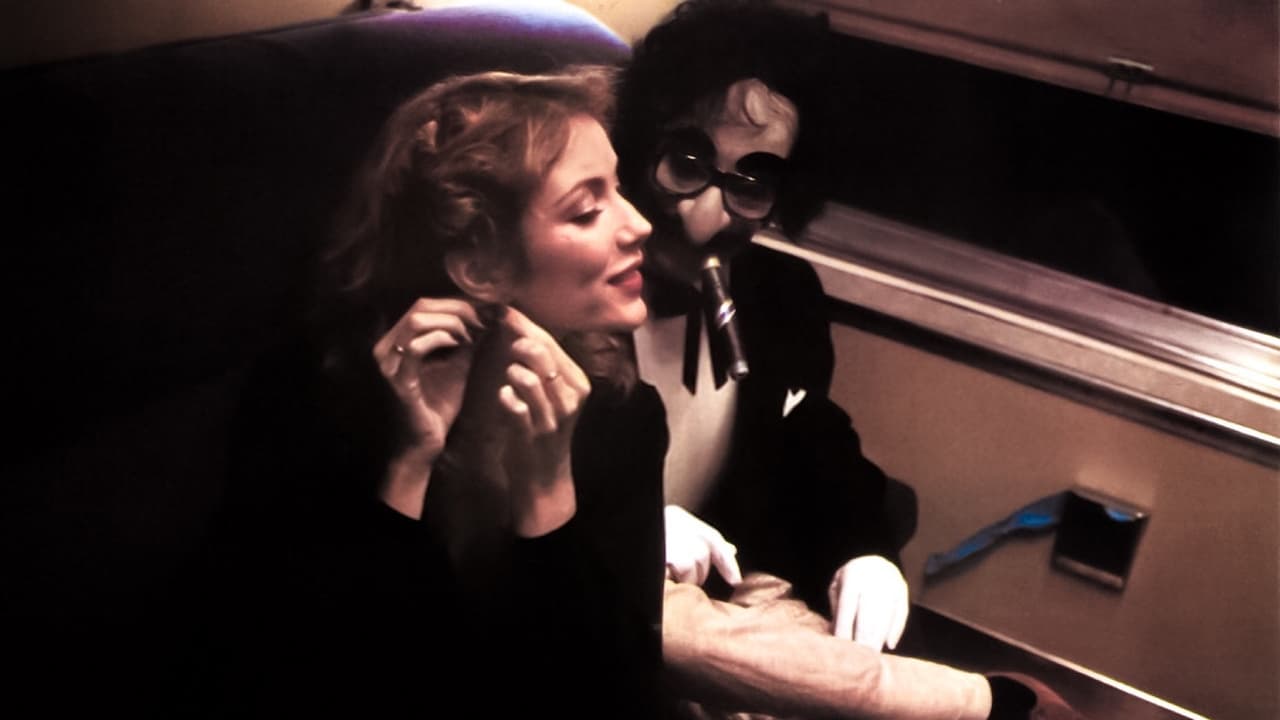
The premise is elegantly simple, a hallmark of the golden age slasher: a New Year's Eve costume party aboard a chartered steam train goes horrifically wrong when a masked killer starts picking off the college students responsible for a cruel prank years prior. What elevates Terror Train beyond a mere Halloween knock-off (though it certainly borrows DNA) is its inspired setting. Director Roger Spottiswoode, making his feature debut after cutting his teeth editing for heavyweights like Sam Peckinpah, masterfully uses the confines of the moving train. The narrow corridors, the rhythmic clatter of the wheels, the steam hissing into the frigid night air – it all creates a pressure cooker environment. There's literally nowhere to run. This wasn't just movie magic; the production filmed on a real, vintage Canadian National Railway steam train during a bitter Montreal winter, with temperatures plunging far below freezing. You can almost feel that icy air seeping through the screen, adding a tangible layer to the mounting dread. The logistics must have been a nightmare, but the payoff is an atmosphere thick with inescapable tension.
Confetti, Carnage, and Misdirection
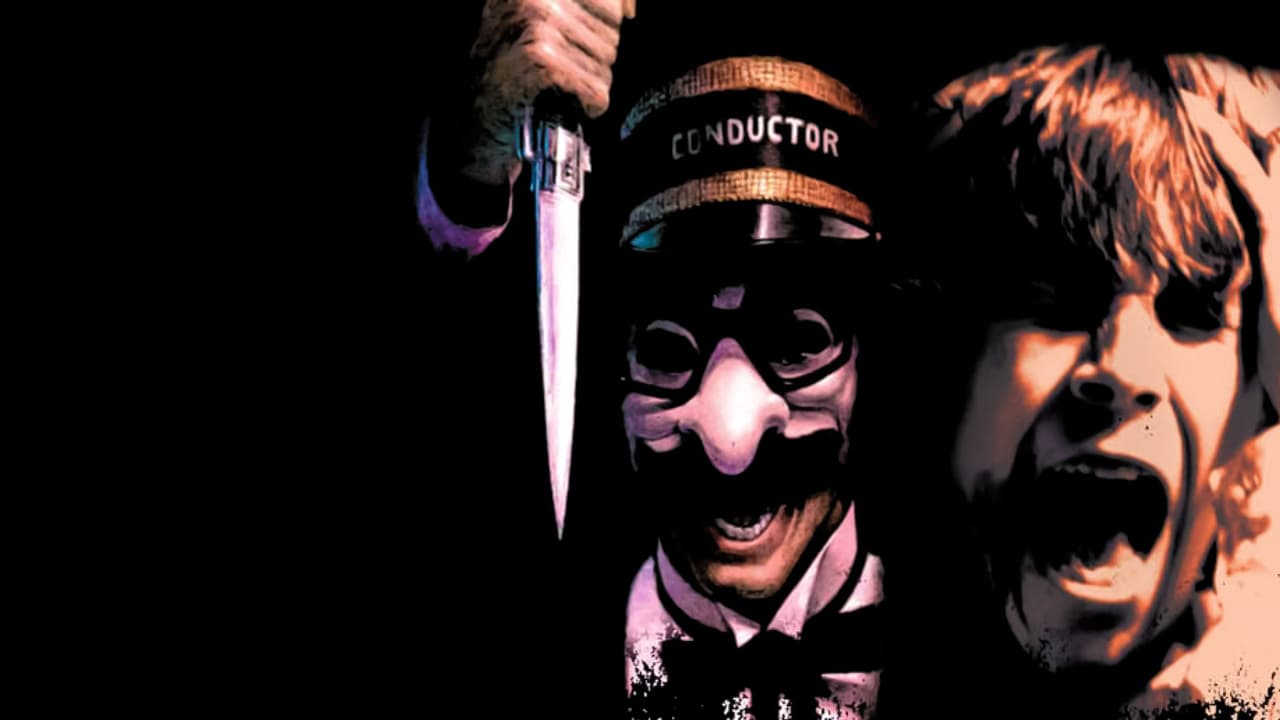
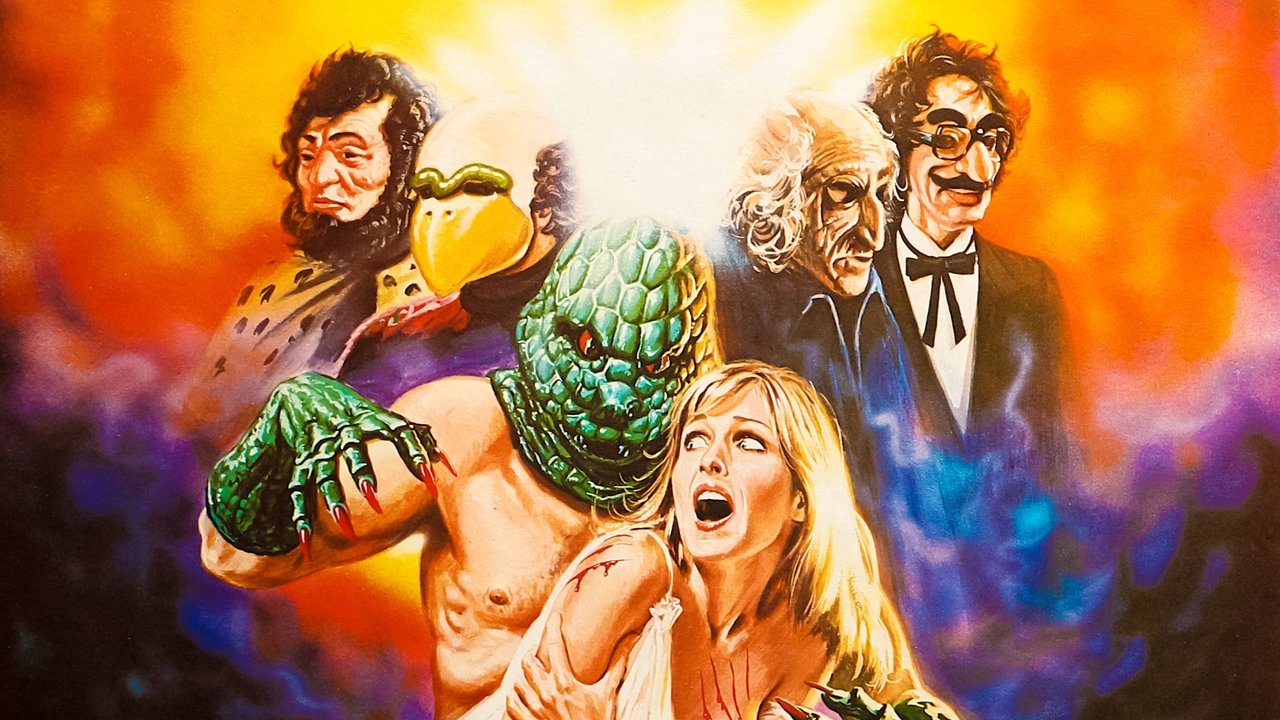
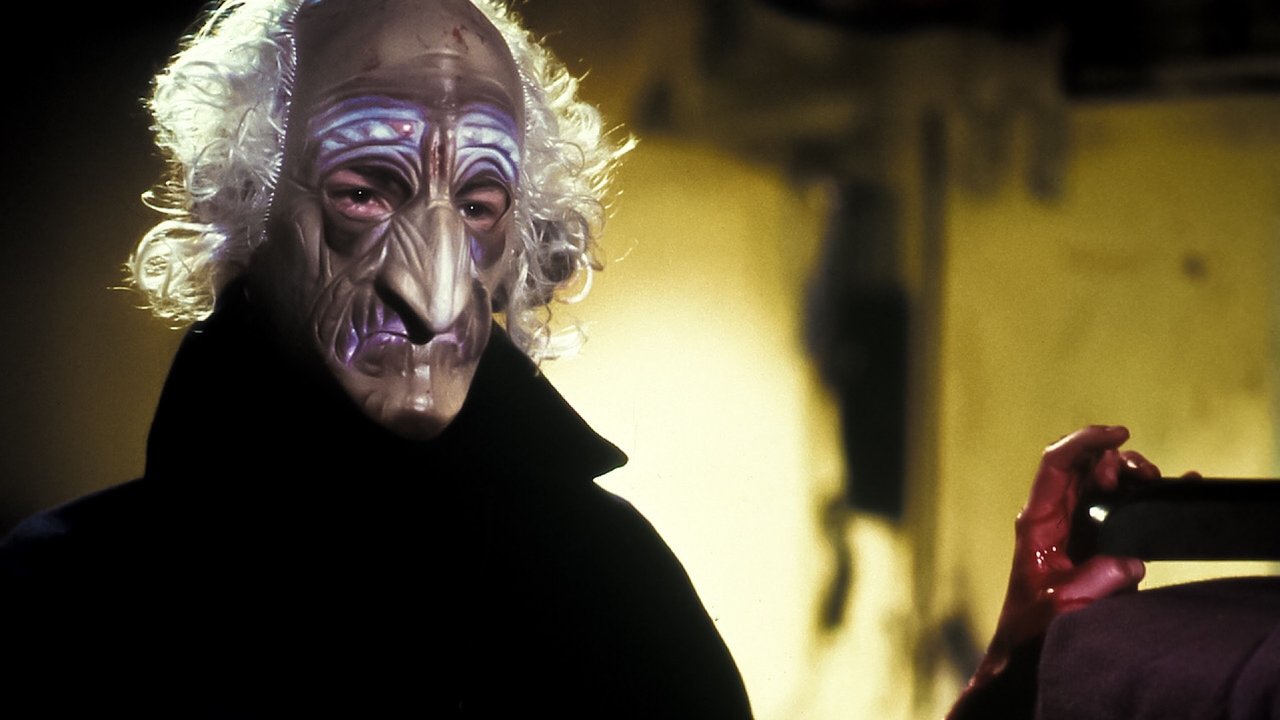
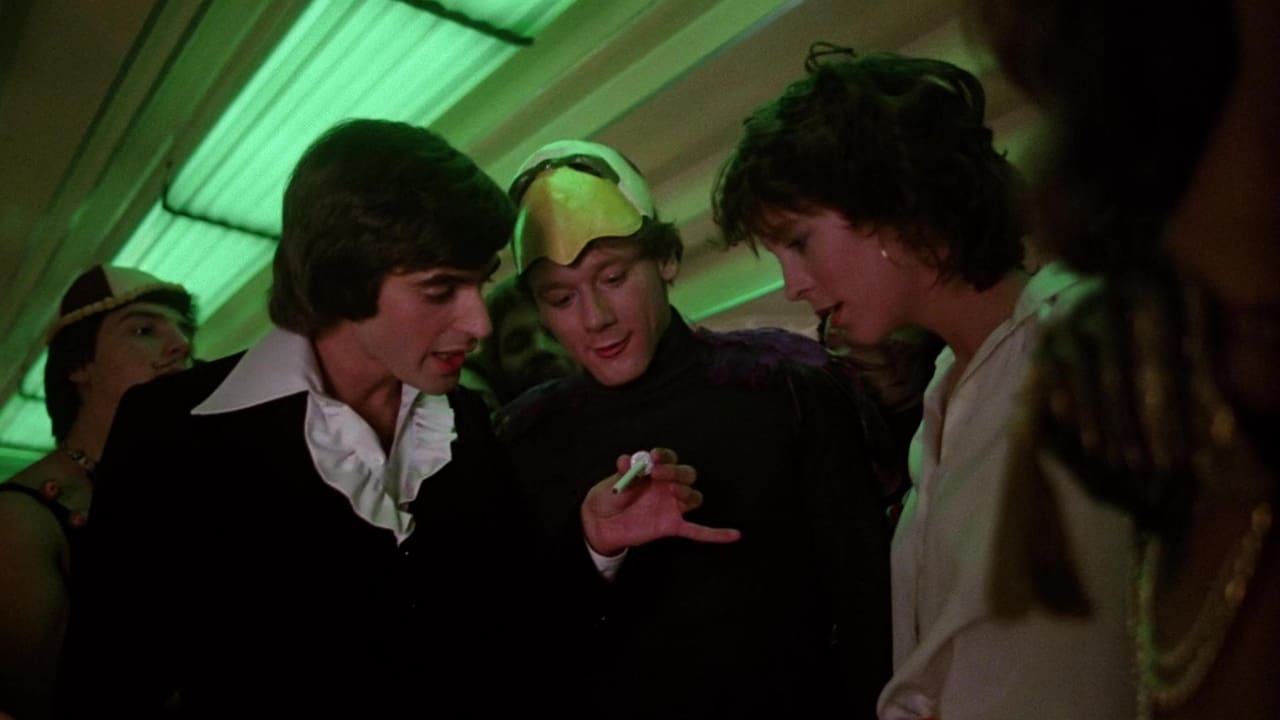
The costume party element isn't just window dressing; it’s integral to the film’s central gimmick and suspense. The killer doesn't stick to one iconic mask but adopts the costumes of their victims, moving through the throng of unsuspecting revellers like a phantom. One minute they're Groucho Marx, the next a sinister Old Hag. This constant shifting of identity is genuinely unsettling, turning every masked partygoer into a potential threat. It plays havoc with the audience's expectations and fuels the paranoia. Adding another layer of smoke and mirrors is the presence of a young David Copperfield (yes, that David Copperfield in his film debut!) as "The Magician," hired entertainment for the ill-fated bash. His illusions serve as clever misdirection, blurring the lines between performance and peril. Was his inclusion just a novelty? Maybe, but it undeniably adds to the film's unique, slightly surreal flavour.
The Reigning Scream Queen
Of course, you can't talk early 80s slashers without mentioning Jamie Lee Curtis. Fresh off defining the "final girl" archetype in Halloween (1978) and surviving ghostly pirates in The Fog (1980), Curtis brings her signature blend of intelligence, vulnerability, and fierce resilience to the role of Alana Maxwell. By this point, she was the genre's reigning queen, and her presence lends Terror Train immediate credibility. She sells the fear and the determination, anchoring the film even when the plot mechanics occasionally creak. It's also a treat seeing seasoned character actor Ben Johnson, an Oscar winner known for gritty Westerns like The Wild Bunch (1969), bringing gruff authority to the role of Carne, the train's conductor. His world-weary presence provides a stark contrast to the youthful hedonism and terror surrounding him.
Practical Chills and Genre Beats
While perhaps not boasting the most groundbreaking gore effects of the era, Terror Train delivers its kills with a certain grim efficiency. The tension often comes less from explicit viscera and more from the anticipation – the unseen threat lurking just beyond the compartment door, the sudden reveal of a costumed corpse amidst the drunken revelry. Spottiswoode uses the claustrophobic space effectively, framing shots through doorways and windows, enhancing the sense of voyeurism and entrapment. Remember watching this on a fuzzy VHS copy? Didn't those sudden cuts and shadows feel genuinely startling on a flickering CRT screen? The film understands the slasher formula – the red herrings, the escalating body count, the final confrontation – but executes it within its unique setting with commendable style. It earned its modest $8 million box office (on a $3.5 million budget) by delivering exactly what audiences craved: familiar thrills in a novel package.
End of the Line
Terror Train might not be the absolute pinnacle of the slasher cycle, occasionally hampered by some thinly sketched characters beyond the leads and a slightly predictable reveal. Yet, its potent atmosphere, clever killer gimmick, Jamie Lee Curtis in prime form, and unforgettable setting secure its place as a standout entry. It captures that specific early 80s horror vibe – less overtly supernatural than some, more focused on the grim inevitability of revenge and the terror of being trapped. It’s a ride worth taking again, especially if you remember the distinct click and whir of putting that tape into the VCR.
VHS Heaven Rating: 7/10
Justification: The score reflects the film's highly effective atmosphere, iconic lead performance, and unique, well-utilized setting. The killer's changing-mask gimmick adds significant points for ingenuity within the genre. It loses a few points for some predictable slasher tropes and less developed supporting characters, but its strengths firmly place it in the upper tier of early 80s slashers.
Final Thought: Decades later, the claustrophobia of that rolling nightmare party lingers, proving that sometimes the most terrifying prisons are the ones we willingly board.