It starts not with a gentle melody, but with a roar – the cacophony of raw talent and desperate hope echoing through the audition halls of New York City's High School of Performing Arts. Alan Parker's Fame (1980) doesn't just depict the pursuit of artistic dreams; it throws you headfirst into the sweat, the tears, the soaring highs, and the crushing lows of young lives bet entirely on passion. Forget sanitized high school musicals; this was something different, something grittier, pulsing with the relentless energy of late-70s New York itself.
Welcome to the Jungle Gym
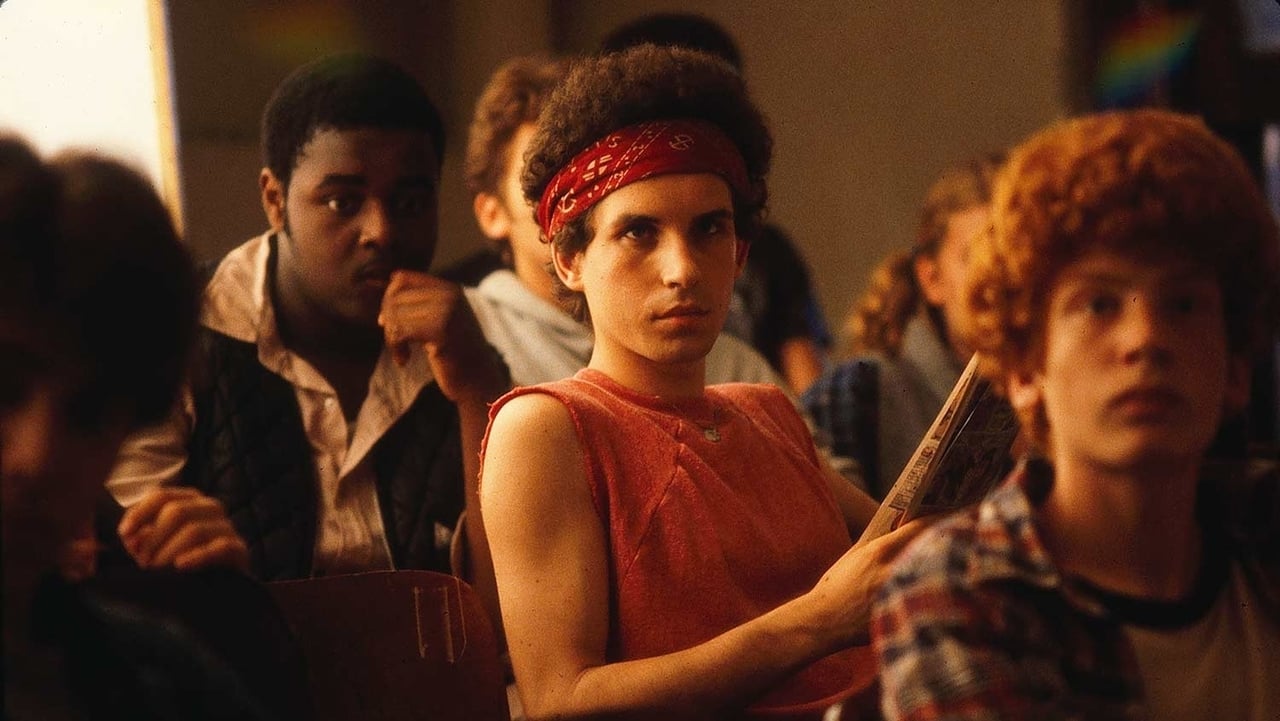
The film plunges us into the lives of a diverse group of students over their four years at this legendary institution – a crucible designed to forge artists or break spirits. We meet Coco Hernandez (Irene Cara, already a spark from Sparkle), ambitious and talented; Bruno Martelli (Lee Curreri), the synth-obsessed composer wary of commercialism; Lisa Monroe (Laura Dean), whose dreams of dance face harsh realities; Montgomery MacNeil (Paul McCrane), grappling with insecurity and his burgeoning identity; Doris Finsecker (Maureen Teefy), the shy actress blossoming under pressure; and perhaps most iconically, Leroy Johnson (Gene Anthony Ray), a force of nature whose raw dance talent clashes with academic discipline. Parker, known for his unflinching eye in films like Midnight Express (1978), doesn't shy away from the messy realities these kids face – poverty, prejudice, parental expectations, exploitation, and the gnawing fear of failure.
Grit Under the Glitter
What makes Fame resonate, even decades later, isn't just the electrifying performance sequences, but its grounding in a specific time and place. Parker insisted on authenticity, shooting extensively on location, including within the actual, then-vacant High School of Performing Arts building on 46th Street. This wasn't a soundstage fantasy; you can practically smell the chalk dust, the stale cigarette smoke, and the anxiety hanging in the air. The city itself is a character – vibrant, dangerous, unforgiving, mirroring the students' own struggles.
This commitment to realism extended to the casting. Many of the young actors were close to the ages of their characters, some with performance backgrounds, lending an undeniable truthfulness to their portrayals. The legendary story goes that Gene Anthony Ray, who embodies Leroy with such unforgettable power, wasn't even an enrolled student but essentially crashed the audition – a testament to the kind of raw, untamed energy the film captured. It's this authenticity that allows sequences like the famous "Hot Lunch Jam" – largely improvised by the cast during their lunch breaks – to feel so organic and explosive. It’s pure, unadulterated creative combustion.
Facing the Music, and the Censors

Fame didn't just push boundaries thematically; it courted controversy. Its frank depiction of teenage life, including sexuality, abortion, and disillusionment, earned it a restrictive 'R' rating from the MPAA. This was a significant hurdle for a film ostensibly about high schoolers, potentially limiting its core audience. Yet, Parker and the producers stood firm, refusing to sanitize the story. It speaks volumes about the film's power that, despite the rating, it struck a chord. Made on a relatively modest budget of around $8.5 million (about $31 million today), it became a commercial success, grossing over $21 million domestically (nearly $77 million adjusted for inflation) and winning Academy Awards for Best Original Score (Michael Gore) and Best Original Song (the unforgettable title track belted out by Irene Cara). That theme song wasn't just a hit; it became an anthem for a generation chasing their own versions of success. Remember blasting that on cassette?
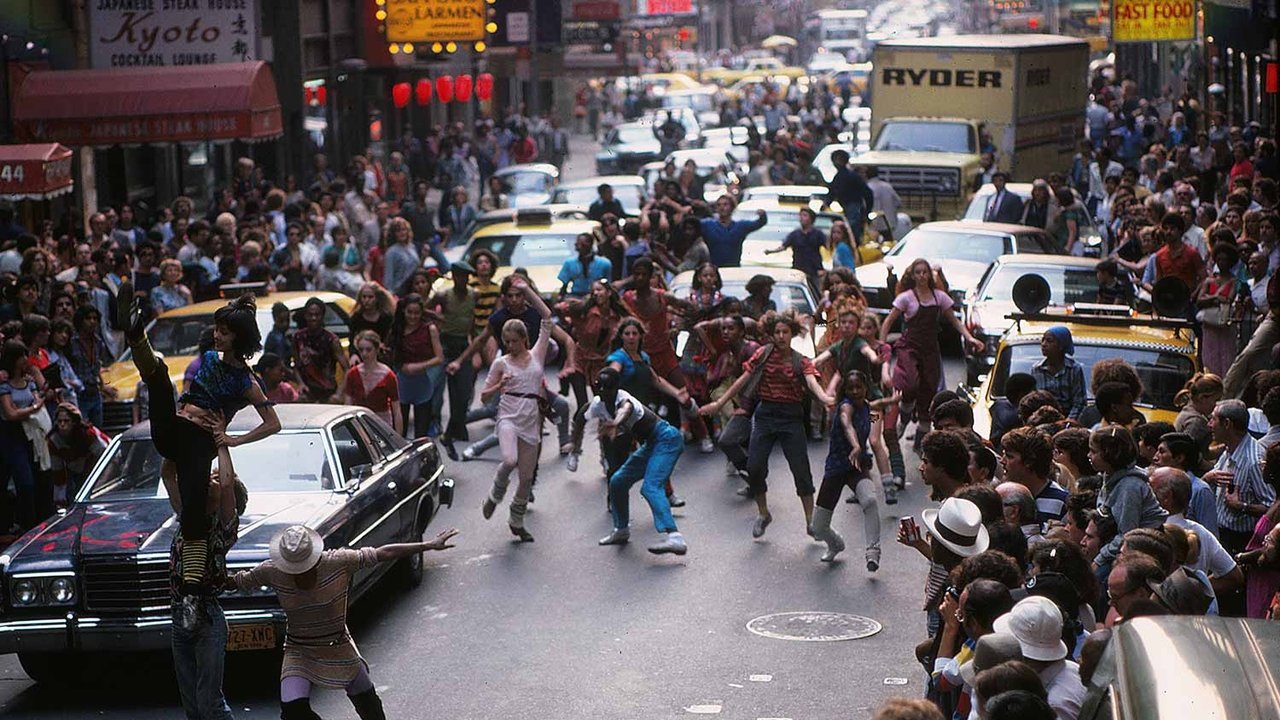
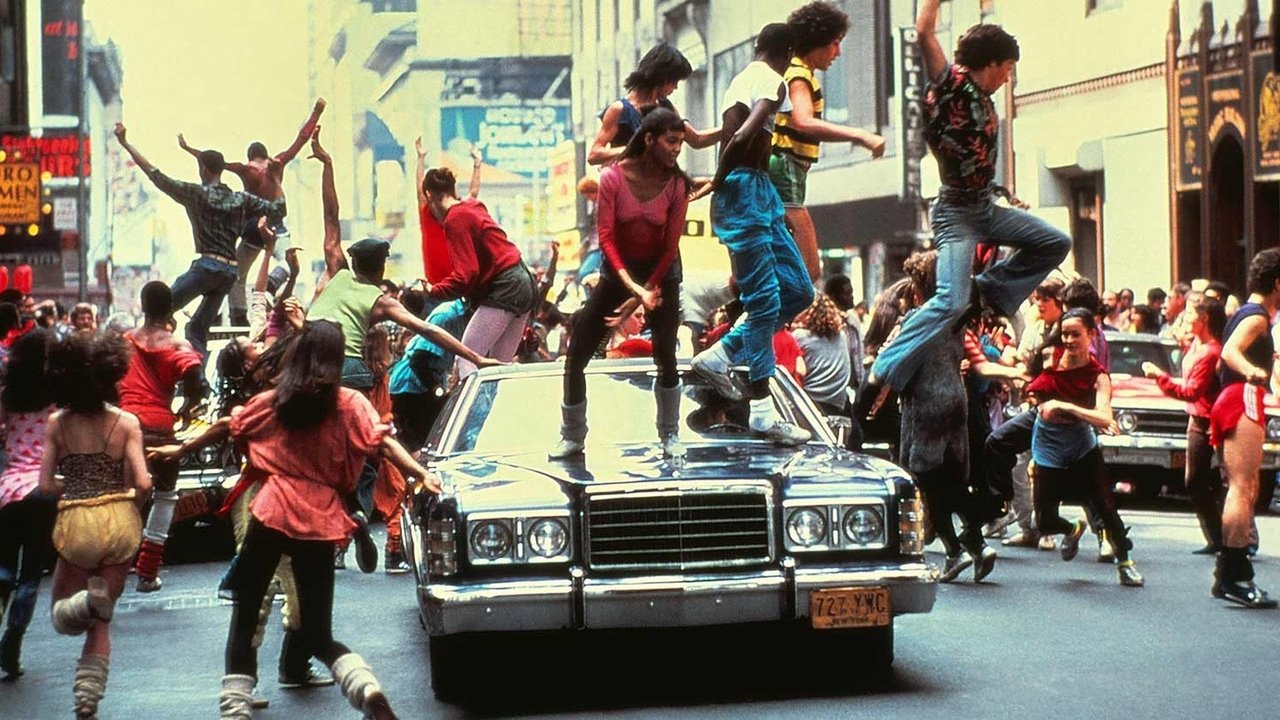
The film's visual language is equally dynamic. Parker employs a kinetic, almost documentary style at times, weaving together the multiple storylines with energetic editing. And who could forget the sheer audacity of the "dancing on the taxis" sequence? A logistical feat involving street closures, likely reinforced car roofs, and incredible choreography, it perfectly encapsulates the film's blend of gritty reality and exuberant fantasy – the dream bursting out onto the unforgiving city streets.
Enduring Echoes
Watching Fame today, nestled comfortably on the couch perhaps, far from the sticky floors of the old video rental store where I first grabbed its iconic VHS cover, its power remains potent. Sure, some fashions scream 1980, and the synthesizers might sound dated to modern ears, but the core struggles feel remarkably timeless. What is the price of ambition? How much of yourself do you sacrifice for your art? Doesn't the pressure cooker environment of chasing a dream resonate, regardless of the field?
The film wasn't perfect; some storylines feel more developed than others, and the sheer number of characters means some inevitably get less screen time. But its flaws are overshadowed by its raw energy, its honesty, and the sheer force of its young cast. It launched careers, inspired countless aspiring performers, and spawned a beloved, albeit softer, long-running TV series (1982-1987) and a less impactful 2009 remake. Its DNA is visible in countless performance-focused films and shows that followed.
Rating: 8/10
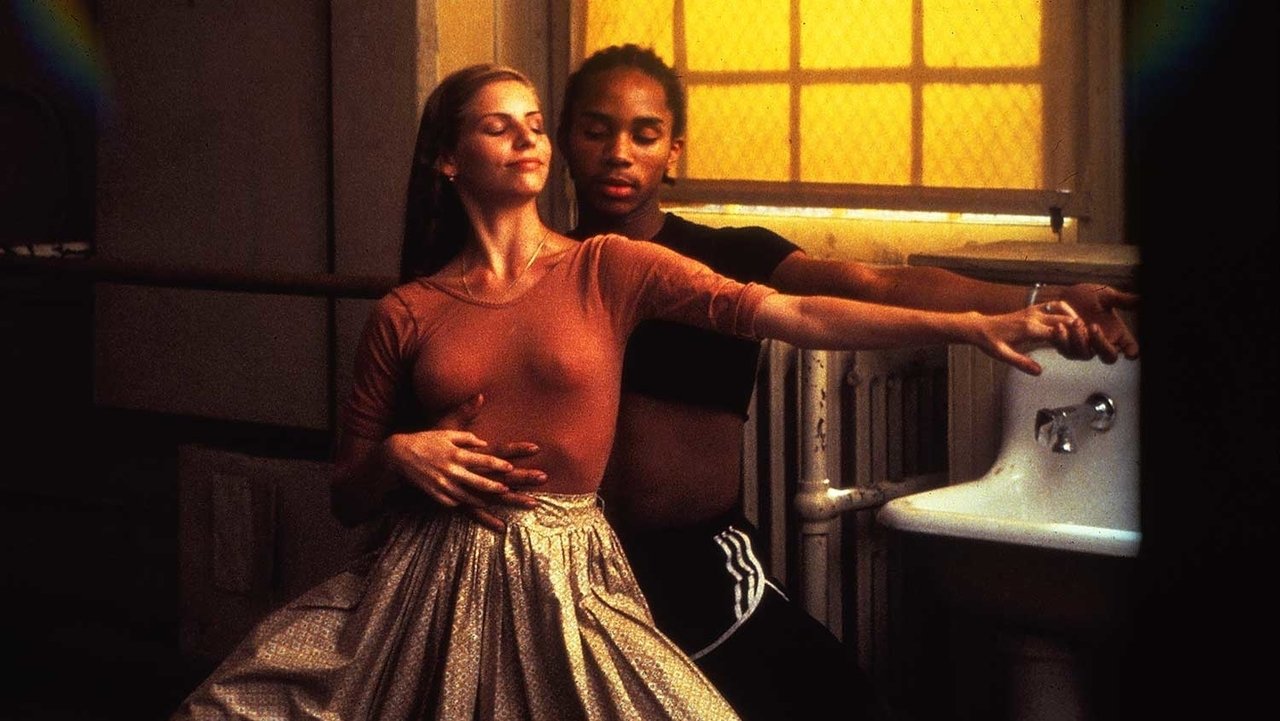
This score reflects Fame's undeniable cultural impact, its groundbreaking (for its time) realistic portrayal of teenage artistic struggle, Alan Parker's kinetic direction, and the electrifying, authentic performances from its young cast. The iconic music and unforgettable sequences bolster its standing, even if some narrative threads feel uneven. It captured a specific moment with raw honesty and energy that overcomes its dated elements.
Fame isn't just a movie; it’s a time capsule vibrating with the anxieties and aspirations of youth. It reminds us that the path to recognition is rarely glamorous, often paved with grit and heartbreak, but the pursuit itself? That's where the real fire lives. It leaves you pondering not just the nature of fame, but the fierce, messy, beautiful struggle of simply becoming who you are meant to be.