There's a certain magic in finding a film where the boundary between the story being told and the lives telling it begins to dissolve. It’s a rare alchemy, and Carlos Saura’s Carmen (1983) achieves it with a smoldering intensity that lingers long after the tape clicks off. This wasn't your typical multiplex fare back in the day; finding this gem tucked away in the "Foreign Language" section of the video store felt like uncovering a secret, a passionate, rhythmic world far removed from the usual blockbuster noise.
Art Imitating Life, Imitating Death
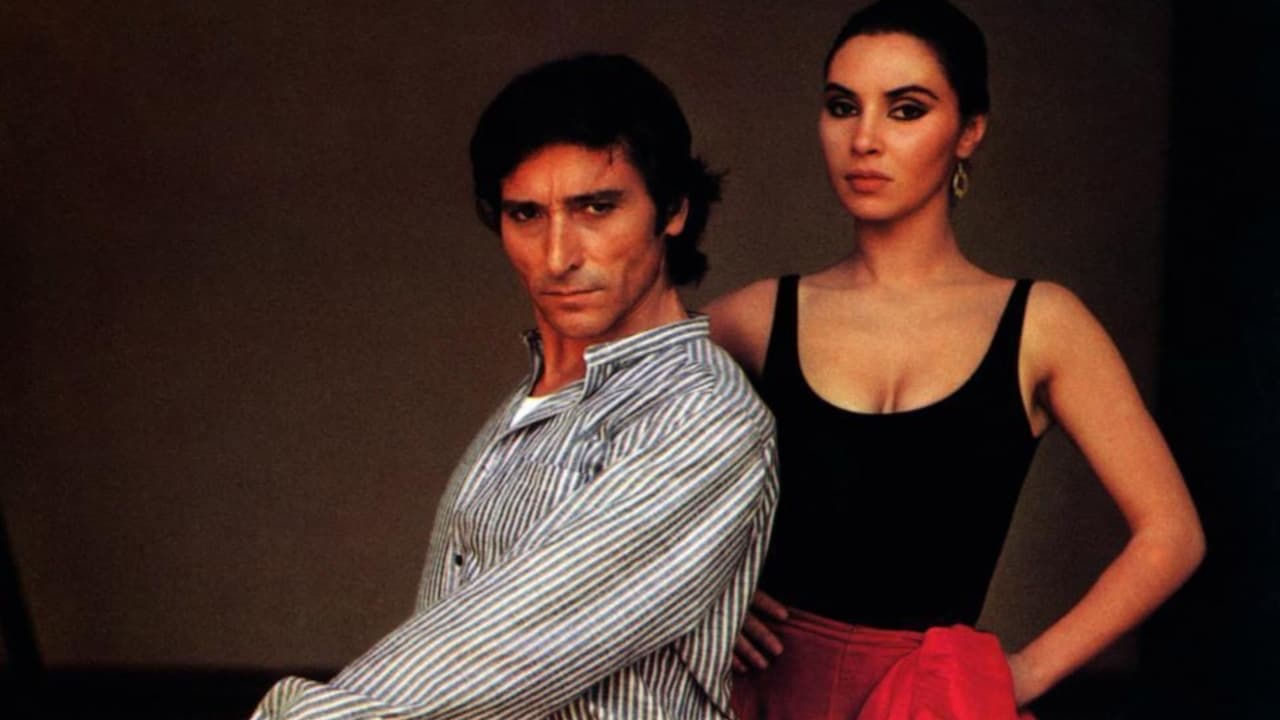
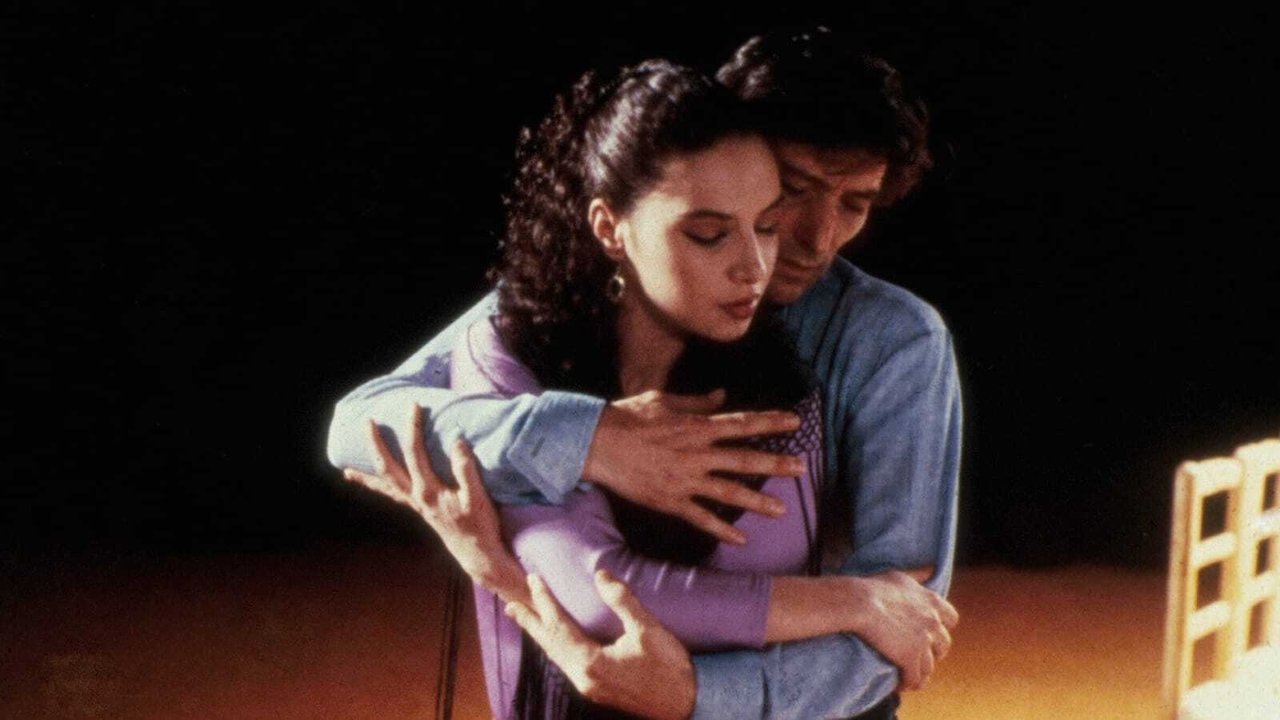
The premise itself is captivatingly meta. We follow Antonio, a renowned choreographer played with brooding conviction by the legendary flamenco dancer Antonio Gades, as he searches for the perfect lead for his new flamenco adaptation of Bizet's opera Carmen. He finds her in a fiery, captivating dancer, also named Carmen, portrayed by a then relatively unknown Laura del Sol in a star-making turn. As rehearsals progress in a stark, mirror-lined studio, the lines blur completely. Antonio’s professional obsession with his Carmen morphs into a consuming personal passion, mirroring the tragic trajectory of the opera’s Don José. Is he directing the dance, or is the dance directing his life towards a predetermined, fatal conclusion?
This film is the second installment in Carlos Saura's celebrated flamenco trilogy, preceded by Bodas de Sangre (1981) and followed by El Amor Brujo (1986). What Saura does so brilliantly here is strip away theatrical artifice. We aren't watching a polished performance of Carmen; we're watching the creation of one, the sweat, the arguments, the simmering tensions, and the undeniable physical connection forged through dance. The rehearsal space becomes a crucible where fiction and reality clash and meld. It’s fascinating to know that Antonio Gades wasn't just acting the part of a choreographer; he was the choreographer for the film, bringing an unparalleled layer of authenticity to the intricate, passionate flamenco sequences.
The Heat of the Dance
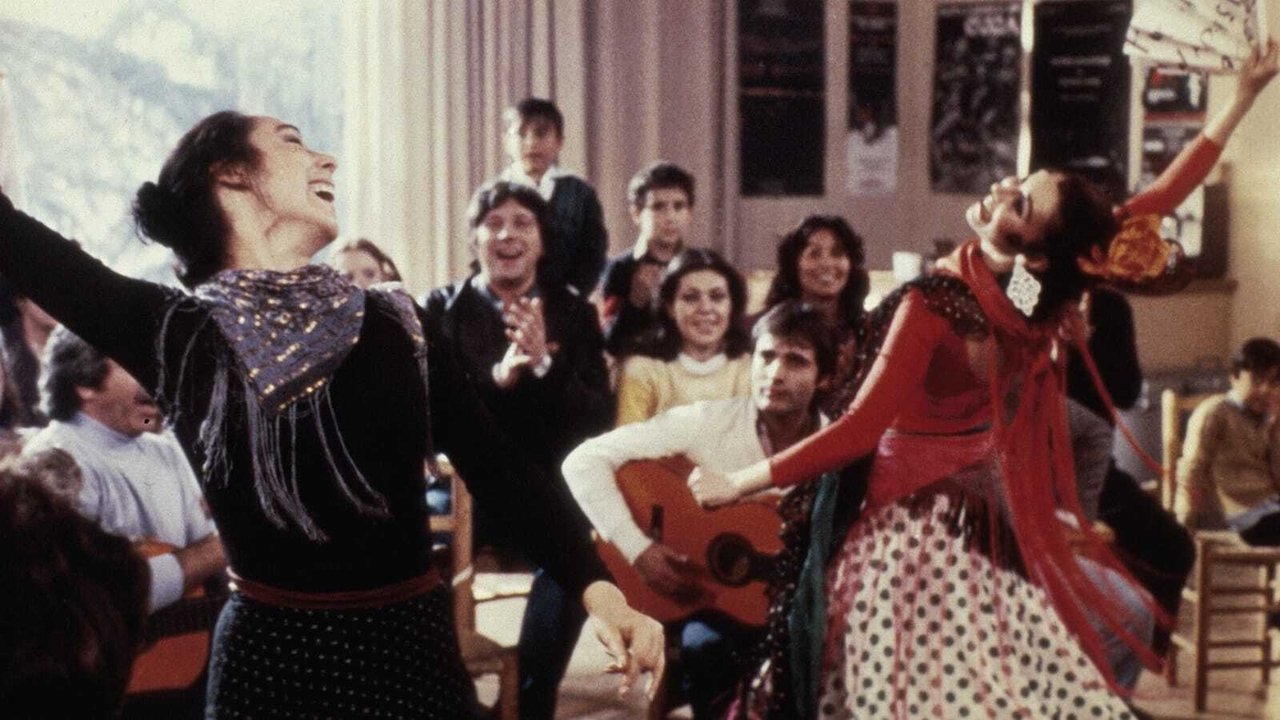
And oh, the dancing! Forget carefully staged Hollywood numbers. This is flamenco in its rawest, most visceral form. The staccato clap of hands, the percussive fury of heels on wood, the swirling colours of skirts, the palpable tension between Gades and del Sol – it’s utterly hypnotic. Saura understands the power of the dance to convey emotions far beyond words. Jealousy, desire, defiance, and impending doom are all communicated through intricate footwork and smoldering glances. Laura del Sol, just 21 at the time and discovered by Saura in a Madrid flamenco club, is a revelation. She embodies the untamable spirit of Carmen with a natural magnetism that feels both dangerous and irresistible. You completely understand Antonio's obsession.
Adding immeasurably to the film's soul is the music, much of it composed and performed by the incomparable Paco de Lucía, who also appears on screen as Paco. His guitar isn't just accompaniment; it's a character in itself, weaving intricate melodies that underscore the drama, sometimes fiery and urgent, sometimes melancholic and foreboding. Seeing Paco de Lucía himself perform within the film, effortlessly blending his musical genius with the narrative, is a treat for music lovers and cinephiles alike. His score brilliantly fuses traditional flamenco sounds with adaptations of Bizet's familiar themes, creating something entirely new and potent.
Mirrors and Meaning
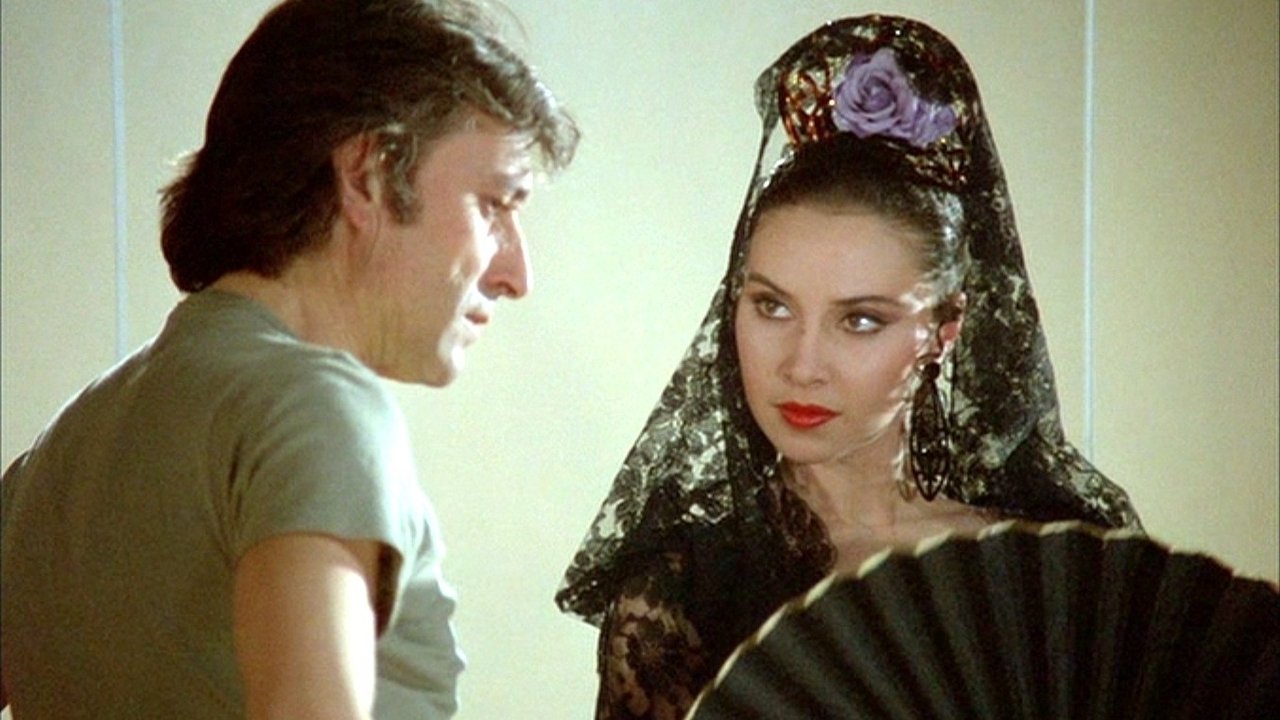
Saura's direction is deceptively simple yet deeply intelligent. The constant presence of mirrors in the rehearsal studio isn't just practical; it's symbolic. They reflect the dancers, yes, but also the duality of the characters, the performance versus the reality, the image versus the self. The camera often holds back, observing in long takes, allowing the dances to unfold organically and immersing us in the rehearsal process. This almost documentary feel enhances the blurring effect – are we watching actors, or are we watching dancers becoming the characters they portray? It’s a question the film deliberately leaves open.
It’s worth noting the film’s critical success – it nabbed the Best Artistic Contribution award and the Technical Grand Prize at the 1983 Cannes Film Festival, and deservedly earned an Academy Award nomination for Best Foreign Language Film. It played a significant role in bringing flamenco culture to a wider international audience, showcasing its artistic depth and dramatic power beyond stereotypes. For many of us discovering it on VHS, it was an education as much as entertainment, a glimpse into an art form pulsating with life and passion.
Final Reflections
Carmen isn't a film you simply watch; you feel it in your bones. The rhythmic pulse of the music, the sheer physical exertion and emotional honesty of the performances, and the haunting ambiguity of its narrative structure create an experience that is both intellectually stimulating and deeply sensual. It explores the consuming nature of passion – artistic and romantic – and the dangerous territory where one bleeds into the other. Does the art merely reflect the inevitable, or does the act of creation itself set the tragedy in motion?
Rating: 9/10
This score reflects the film's exceptional artistry, the powerhouse performances (especially from Gades and the incandescent del Sol), the legendary score by Paco de Lucía, and Saura's masterful, unique directorial vision. It's a near-perfect fusion of dance, music, and meta-narrative that elevates the familiar story of Carmen into something profound and unforgettable. It might demand more engagement than a standard drama, but the reward is immense.
Carmen remains a potent reminder of cinema's ability to transcend language through the universal power of music, movement, and raw human emotion. It’s a film that truly dances on the edge between life and art, leaving you breathless.