It’s a strange kind of alchemy, isn't it? Thinking back to 1979, the shockwaves of Elvis Presley's death still reverberating, and learning that John Carpenter, the very same director who’d just terrified us senseless with Halloween (1978), was tackling the King’s life story for television. It felt… unlikely. Almost incongruous. Could the master of atmospheric dread, the architect of Michael Myers’ reign of terror, really capture the swivel-hipped energy and soulful vulnerability of rock and roll royalty? That question alone was enough to make you tune in, adjusting the rabbit ears on the old CRT, maybe popping a freshly labeled VHS tape into the VCR to capture this curiosity.
An Unexpected Harmony
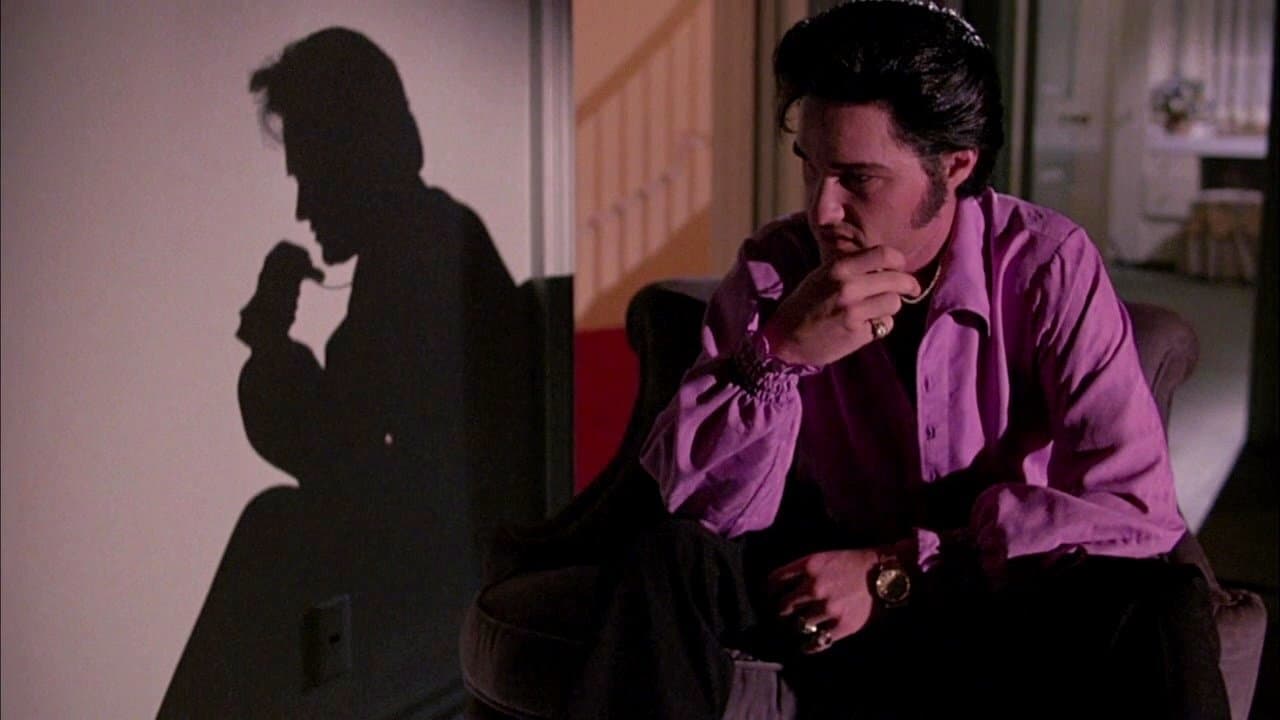
What unfolded was something quite remarkable, especially considering its network television origins. Carpenter, working from a thoughtful script by Anthony Lawrence, largely sidestepped the lurid headlines and late-career decline that could have easily dominated the narrative. Instead, Elvis focuses intently on the man's ascent, his relationship with his mother Gladys (Shelley Winters, bringing her signature emotional weight), his father Vernon (played, fascinatingly, by Kurt Russell's own father, Bing Russell), and the pressures that shaped him. It culminates, wisely, around the triumphant '68 Comeback Special, presenting a portrait of resilience rather than tragedy. Carpenter’s direction here isn't filled with his usual stylistic flourishes – the creeping dread or shadowy framing – but there's an undeniable mood. He captures the stifling atmosphere of fame, the quiet moments of doubt, and the electrifying energy of performance with a sensitivity that might surprise those only familiar with his genre work. It’s a testament to his versatility, proving he could handle human drama just as effectively as suburban horror.
The Man Who Would Be King (Again)
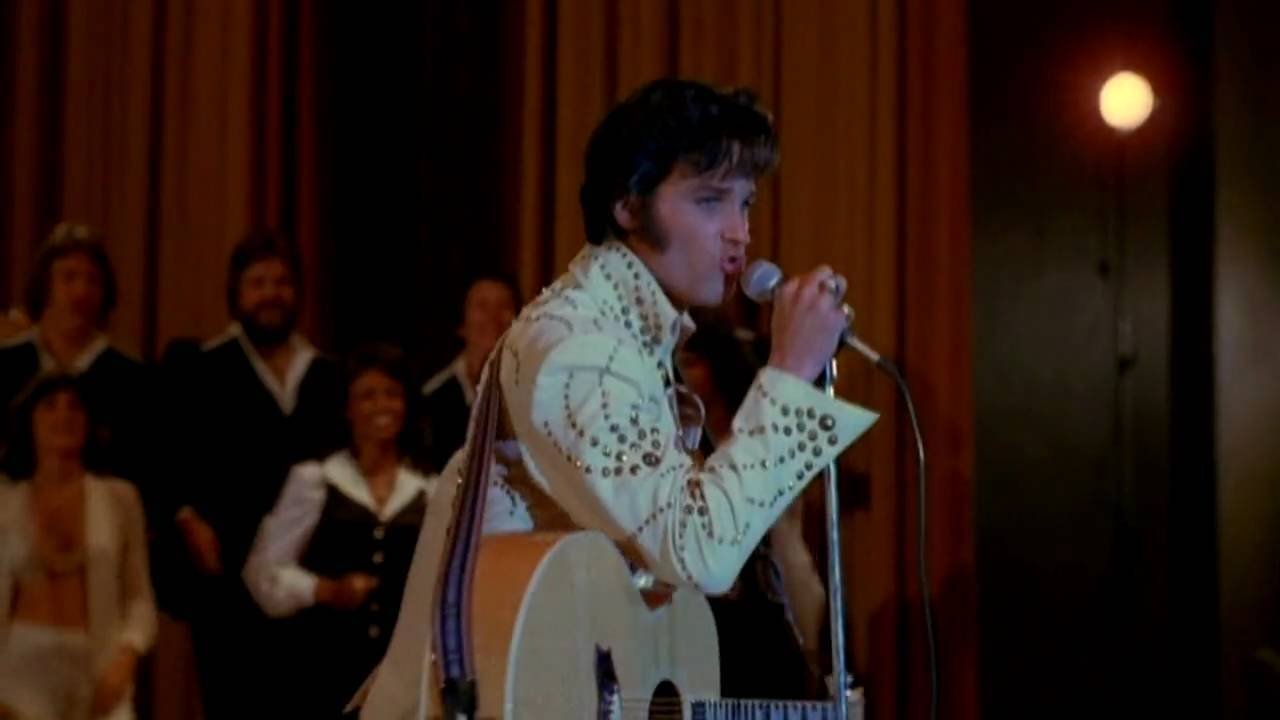
Of course, the entire endeavor hinges on the central performance, and this is where Elvis truly transcends its TV movie constraints. Kurt Russell doesn't just play Elvis; he seems to channel him. It’s a performance built not on cheap imitation, but on capturing an essence – the raw charisma, the flashes of insecurity, the almost feral energy of his early stage presence, and the weary determination of the comeback. It’s astonishing how Russell, then known primarily for his Disney roles and just beginning to shed that image, embodies the physicality, the swagger, the voice (even though the singing voice itself belonged to the talented country singer Ronnie McDowell, whose dubbing is remarkably seamless). There’s a palpable commitment here, a deep dive into the character that feels authentic and lived-in.
And talk about layers of connection! It almost feels like fate when you remember that Russell's very first, uncredited film appearance as a child was in the 1963 Elvis movie It Happened at the World's Fair, where he literally kicked the King in the shin. Decades later, here he was, stepping into those blue suede shoes. Having his actual father, Bing, play Elvis's father Vernon adds another layer of quiet resonance to their scenes together. It's these kinds of real-life threads woven into the production that give Elvis a weight beyond simple biography.
More Than Just a TV Movie
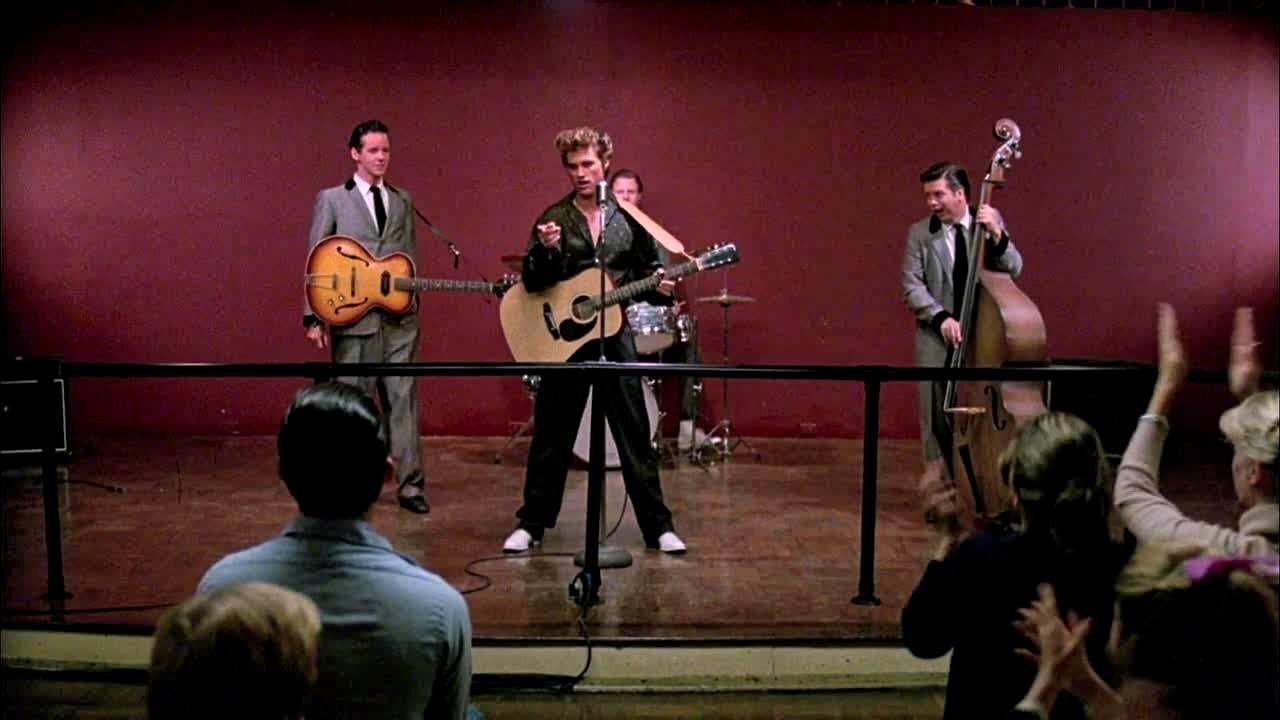
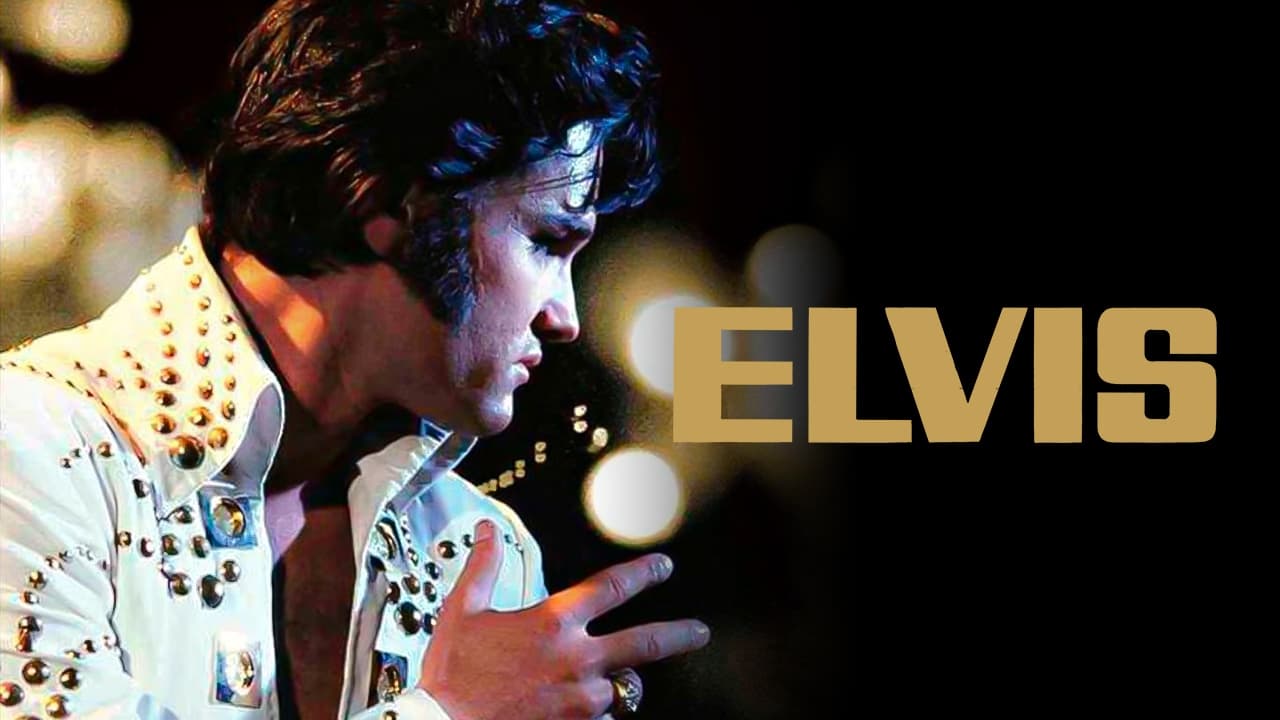
Let’s be honest, watching it now, you can see the seams of its television budget. Some sets feel functional rather than lavish, and the scope is necessarily contained compared to a theatrical epic. But what it lacks in cinematic grandeur, it makes up for in heart and focus. The decision to concentrate on the rise and resurgence, rather than dwelling extensively on the later years, feels like a respectful and dramatically sound choice, especially so soon after Presley's passing. It avoids feeling exploitative, aiming instead for understanding. The film earned respectable ratings and critical nods, including an Emmy nomination for Russell, proving that audiences were ready for a thoughtful look back.
For Carpenter and Russell, this project was pivotal. It marked the beginning of one of the great director-actor collaborations of the 80s, leading directly to iconic genre classics like Escape from New York (1981), The Thing (1982), and Big Trouble in Little China (1986). You can see the trust being forged here, the shared understanding that would fuel those later, wilder rides. Elvis proved Russell could carry a complex adult role, paving the way for Snake Plissken and Jack Burton, and it showed Carpenter had more dimensions than audiences perhaps expected.
The Verdict on the King
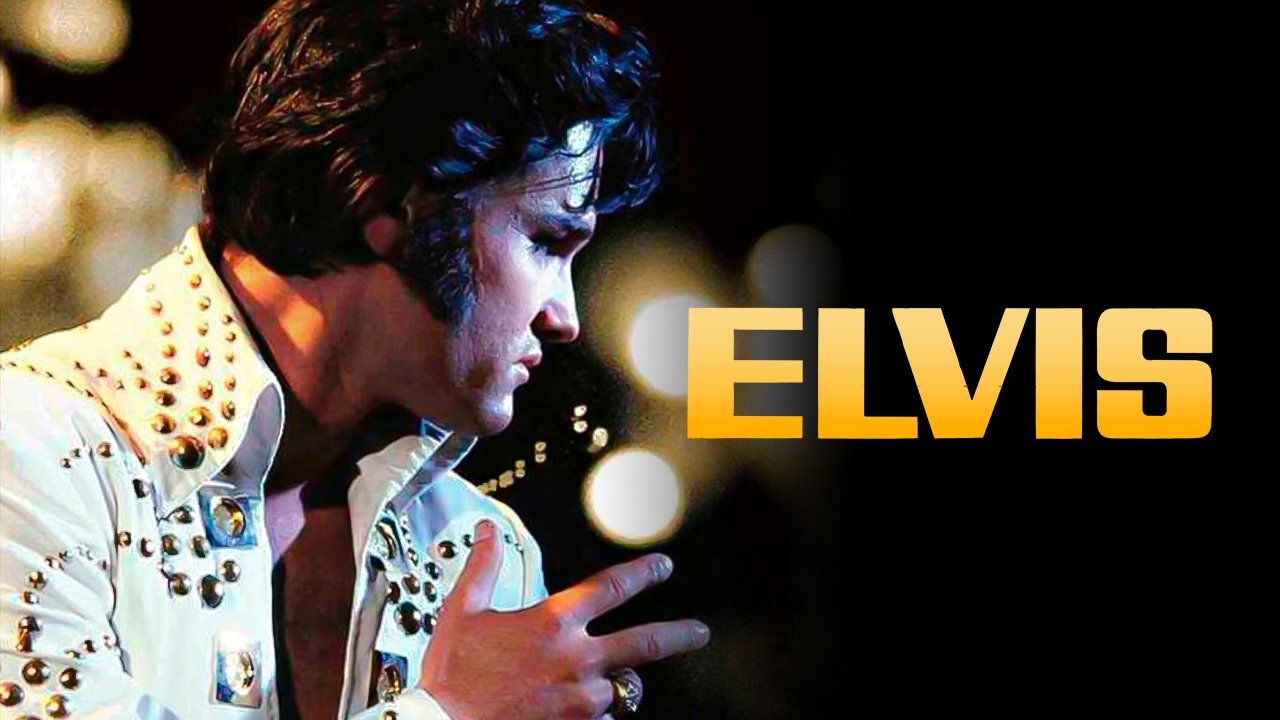
Does Elvis capture every facet of the most famous entertainer on the planet? No, how could it? Especially within the confines of a 1979 TV movie format. But what it does achieve is a remarkably sensitive, compelling, and deeply human portrait of a cultural icon during his formative and resurgent years. Kurt Russell's performance remains arguably one of the best screen portrayals of Elvis, capturing the spirit rather than just mimicking the mannerisms. John Carpenter's direction is assured and empathetic, revealing a different side of his filmmaking talent. It avoids sensationalism, focusing instead on the pressures, the relationships, and the spark that defined the man. For those reasons, it stands significantly above the average TV biopic of the era.
Rating: 8/10
This rating reflects the sheer power of Russell's transformative performance and Carpenter's unexpectedly tender direction, which elevate the film far beyond its television origins. While constrained by its format, its focus and sincerity make it a standout. It’s more than just a historical curiosity; it's a genuinely moving portrayal and a crucial stepping stone for both its star and director, a tape well worth revisiting for anyone who remembers the King. What lingers most is the feeling that, for a few hours, they truly brought a piece of him back.